
How to Use a Sideboard in the Living Room: TV, Bar, Entry and Behind-the-Sofa Size Rules
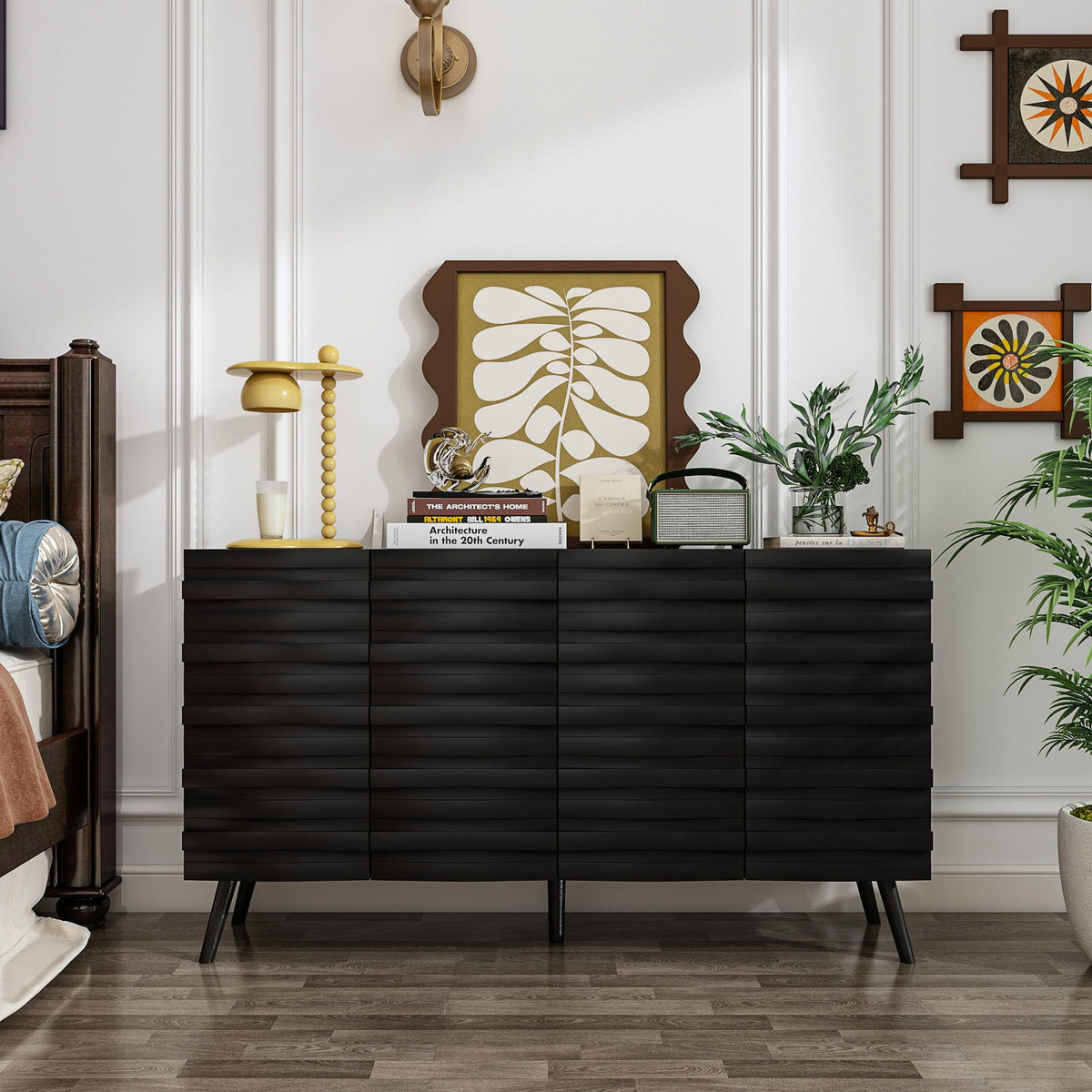
A sideboard can be a TV console, bar, entryway drop zone or storage behind the sofa. Here are the width, height, depth and weight checks for each living room use.
How to Style a Sideboard: A Step-by-Step Guide to Layering, Lamps and Art
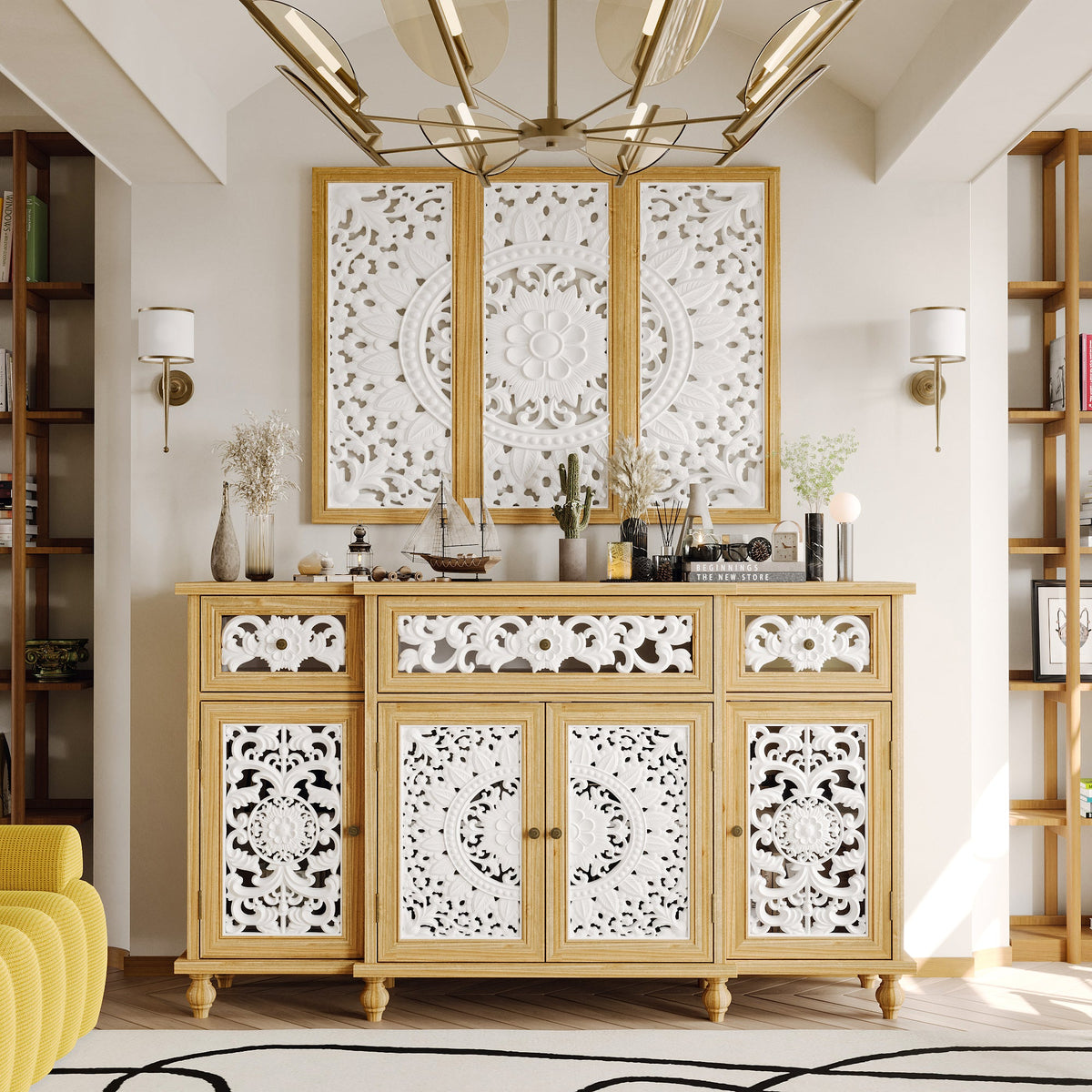
Anchor the wall with art or a mirror, add height with a lamp, group decor in odd numbers and leave space to serve. A step-by-step sideboard styling guide with seasonal ideas.
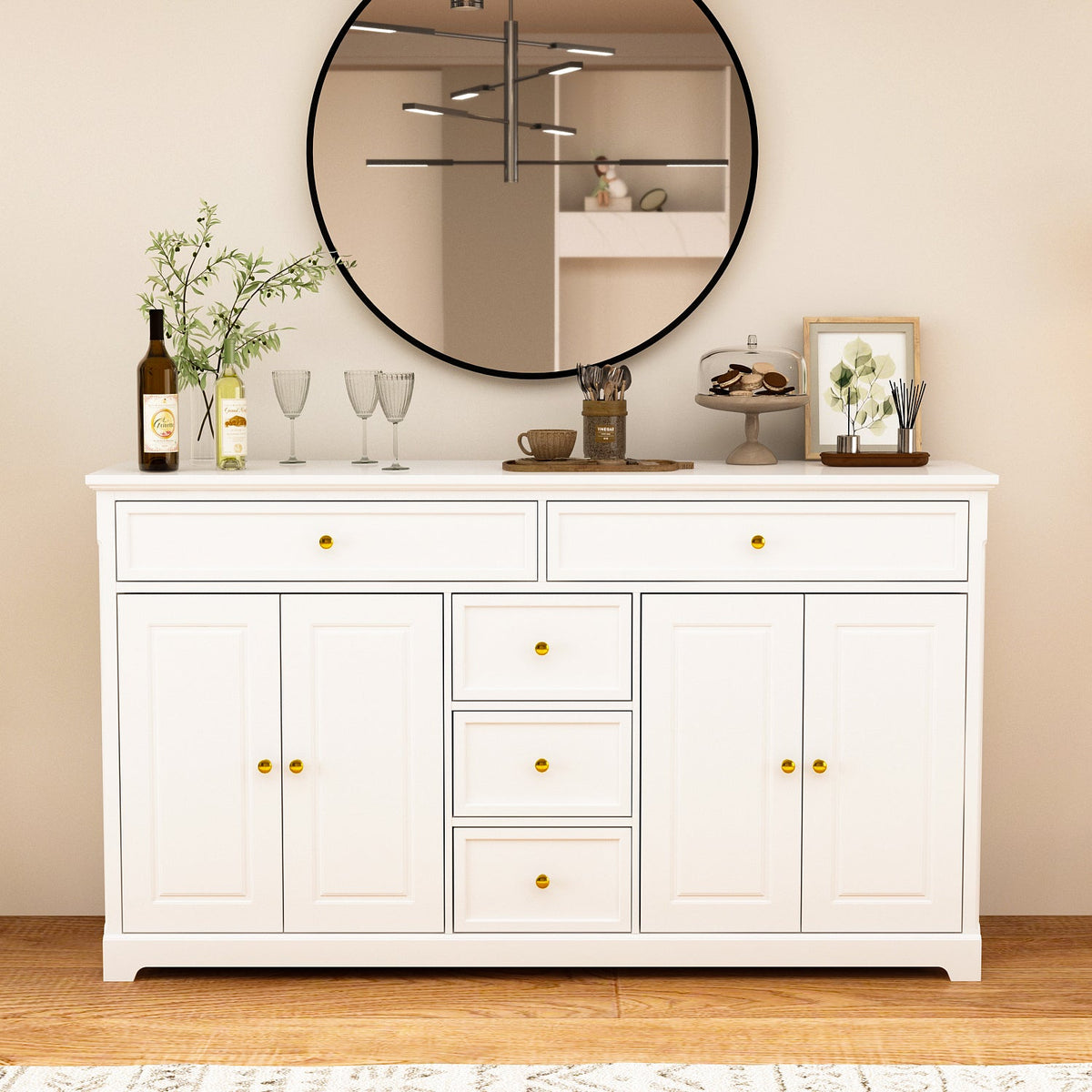
Sideboard Height and Size Guide: Standard Dimensions, Clearances and Art Placement
Most sideboards are 30 to 36 inches tall, 48 to 72 inches wide and 16 to 20 inches deep. Here is how to size one to your dining table and wall, what clearance to leave and how high to hang art.
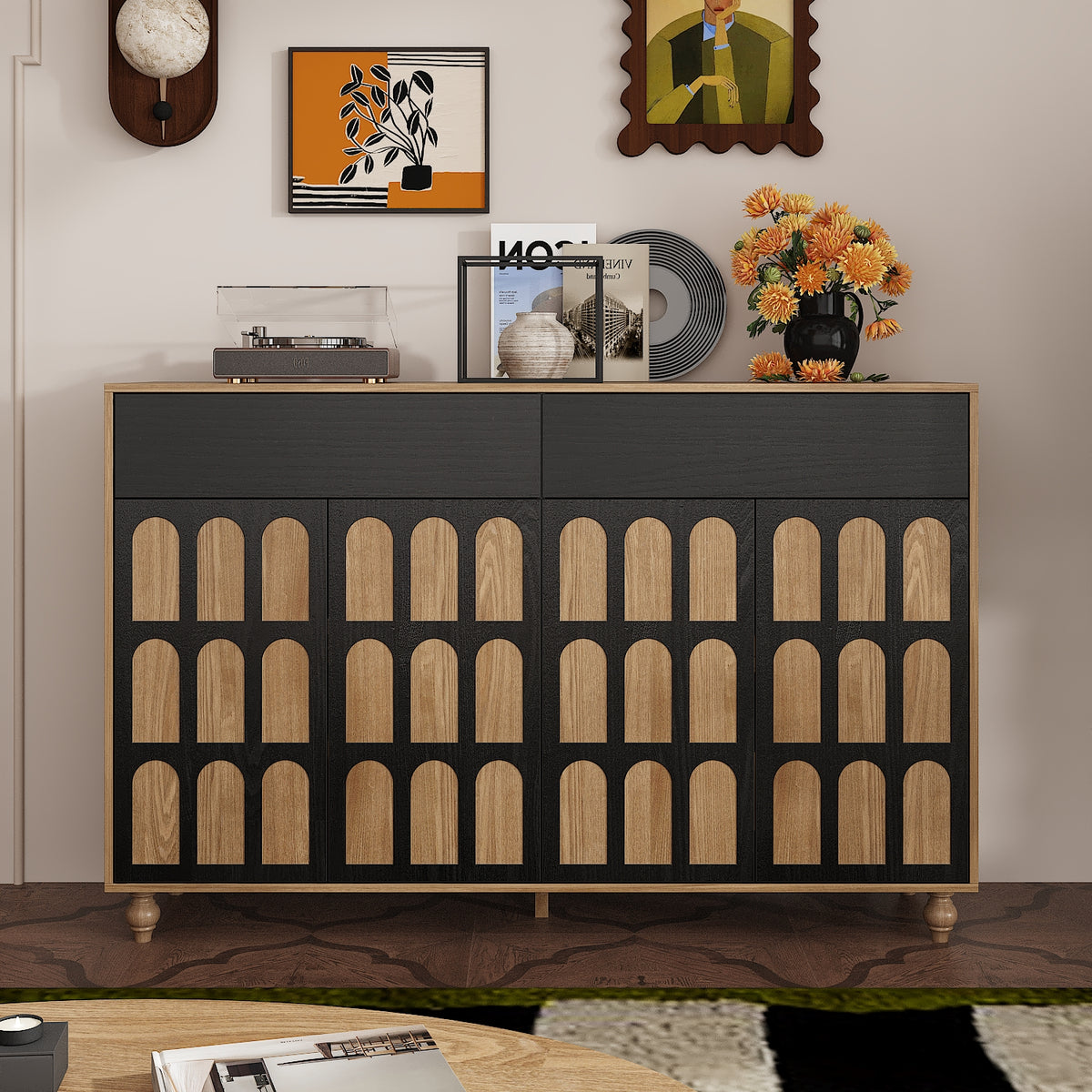
Sideboard vs Buffet vs Credenza: The Real Differences (Plus Hutch and Console Table)
A buffet is usually the tallest, a sideboard sits at 30 to 36 inches and a credenza is the lowest. This guide compares height, legs, storage and origin, plus hutches and console tables.
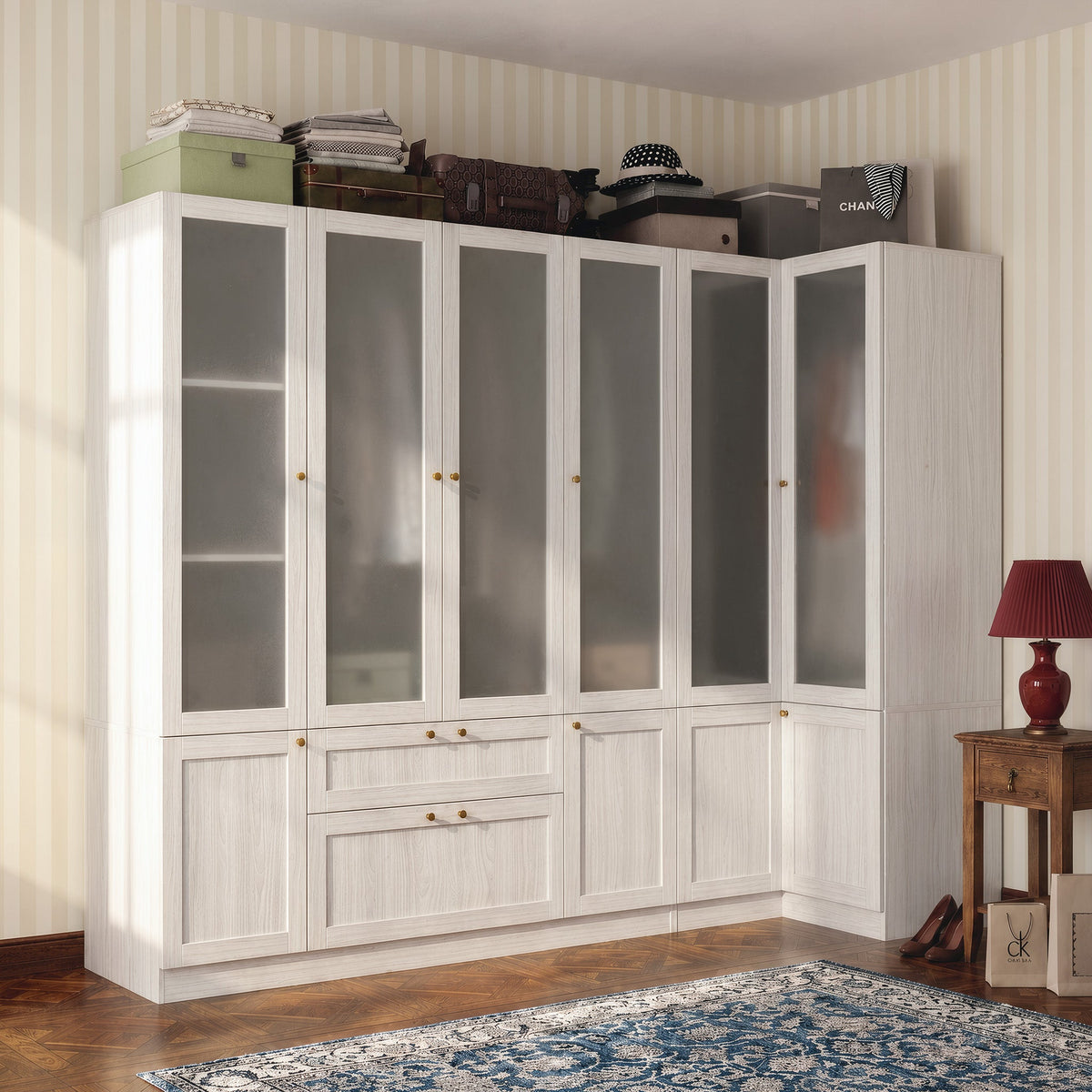
How to Assemble Flat Pack Furniture: A Step-by-Step Guide
Assemble flat pack furniture by unpacking in the room it will live in, checking every part, sorting hardware, reading the instructions through, building with joints loose until square, then levelin...

How to Organize a Storage Cabinet: Zones, Shelf Spacing and Weight Limits
Organize a storage cabinet by emptying it, grouping like items into zones, putting heavy items low and everyday items at eye level, re-spacing the shelves and adding bins, risers and door racks wit...
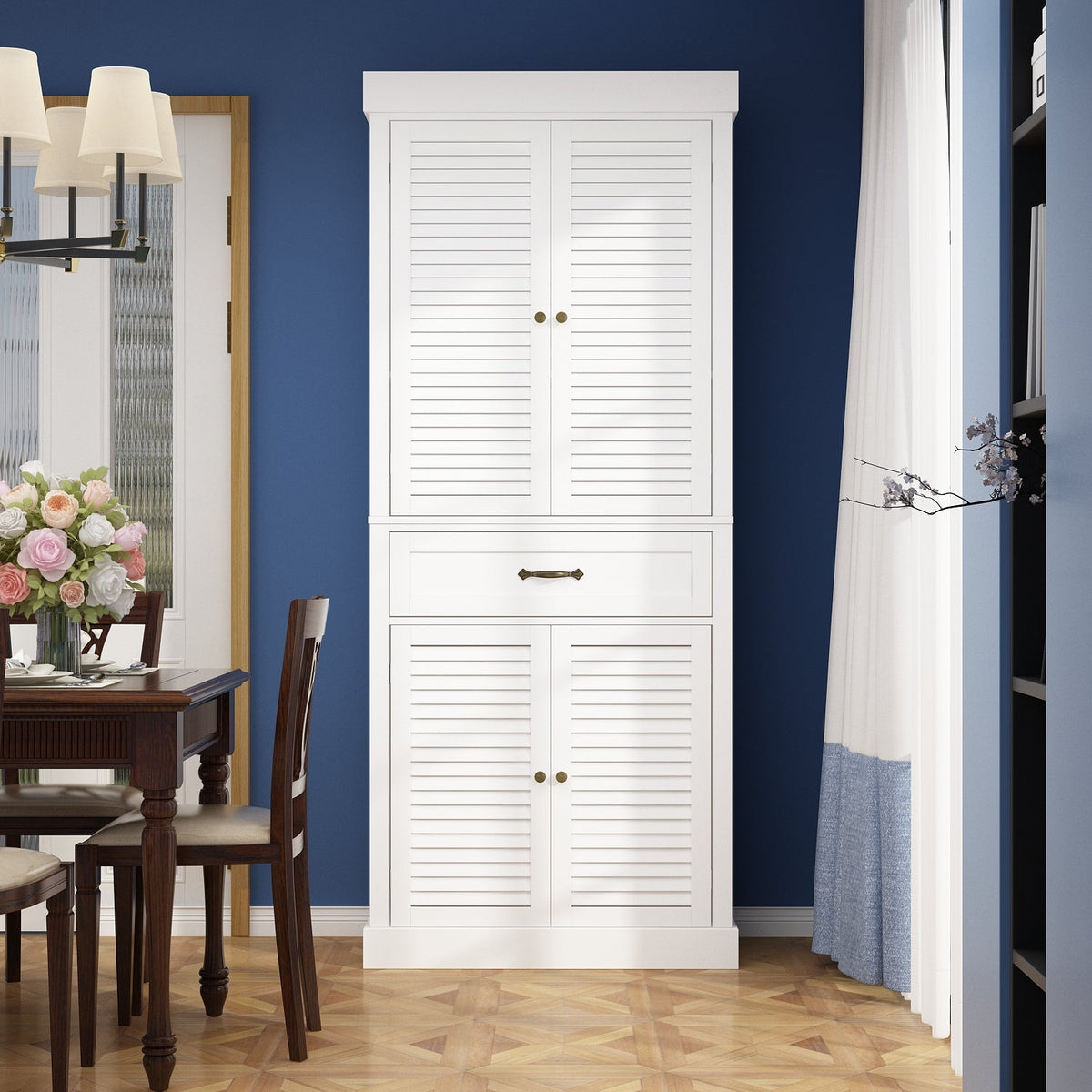
Types of Storage Cabinets: What Each Is For and Where It Goes
The main types of storage cabinets are tall linen and utility cabinets, pantries, accent cabinets, display cabinets, filing cabinets, garage cabinets, wardrobe-style cabinets and modular systems. H...
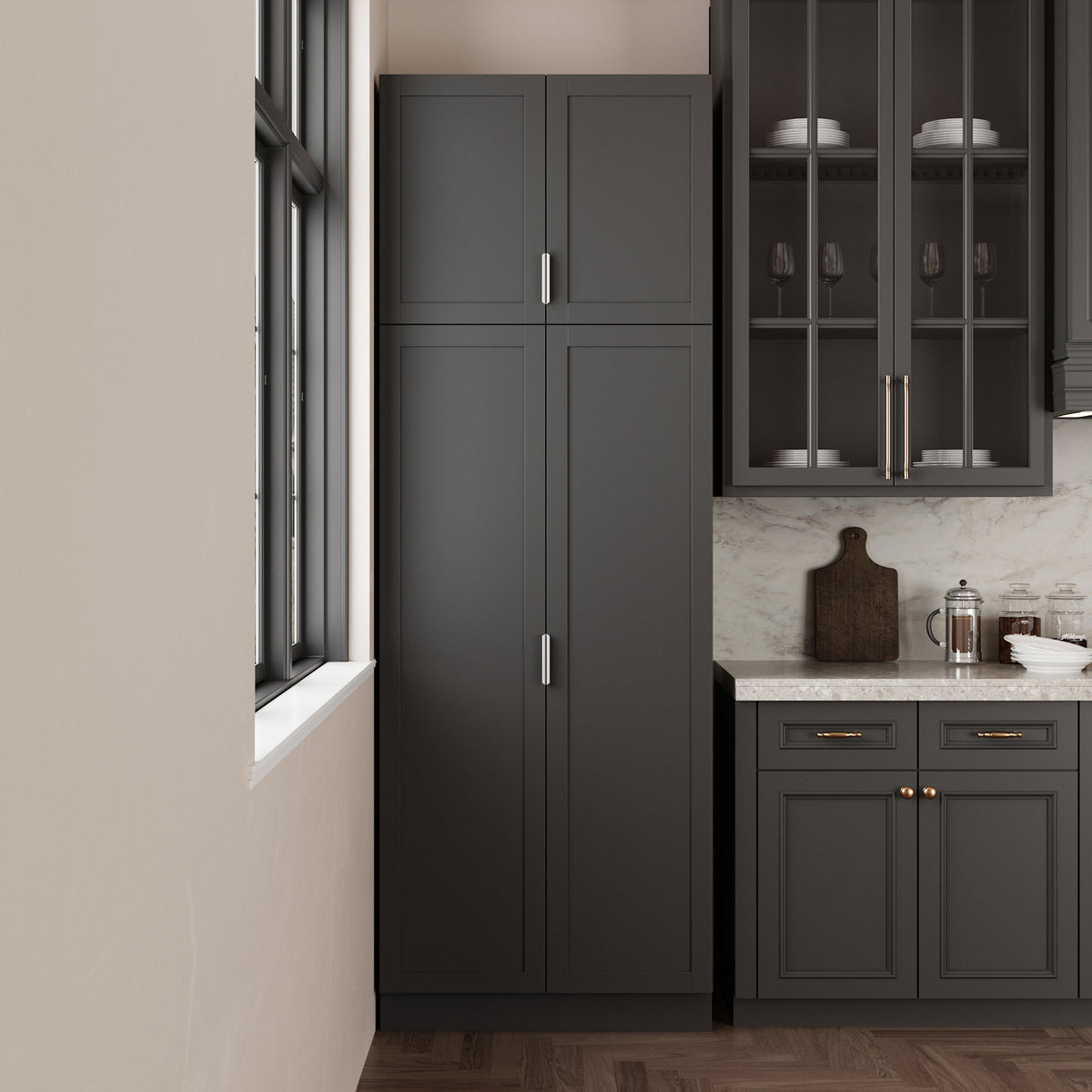
Storage Cabinet Dimensions: Standard Heights, Widths and Depths
Most freestanding storage cabinets are 12 to 24 inches deep and 24 to 48 inches wide, either about 30 to 40 or 66 to 80 inches tall. This guide covers standard sizes by type, depth, clearances and ...
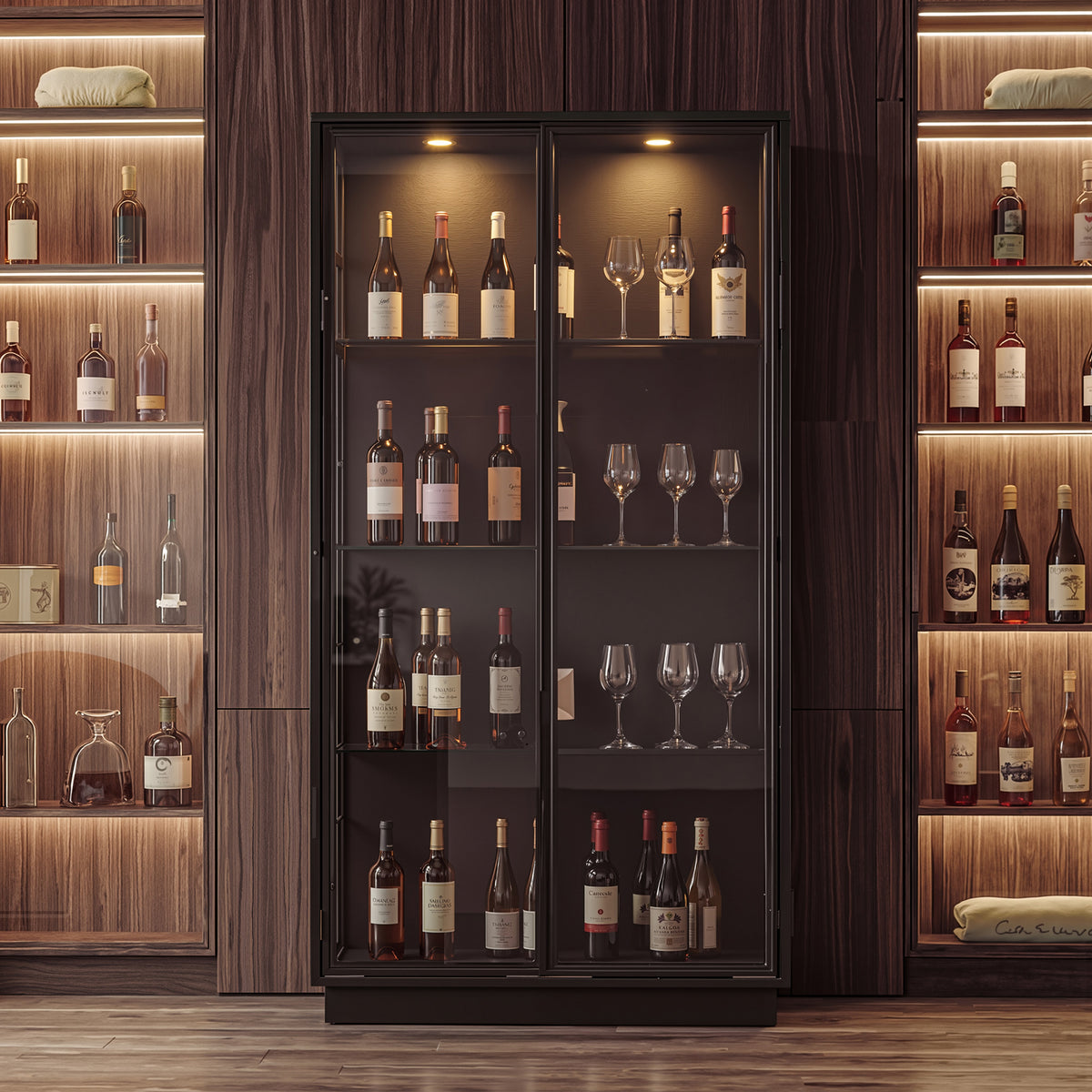
Types of Cabinet Doors: Hinged, Glass, Sliding, Flip-Up and Open Compared
Cabinet doors differ by how they open, what the front is made of and how they mount. Compare hinged, sliding, flip-up and open designs, plus glass, slab and Shaker fronts, for storage, display and ...
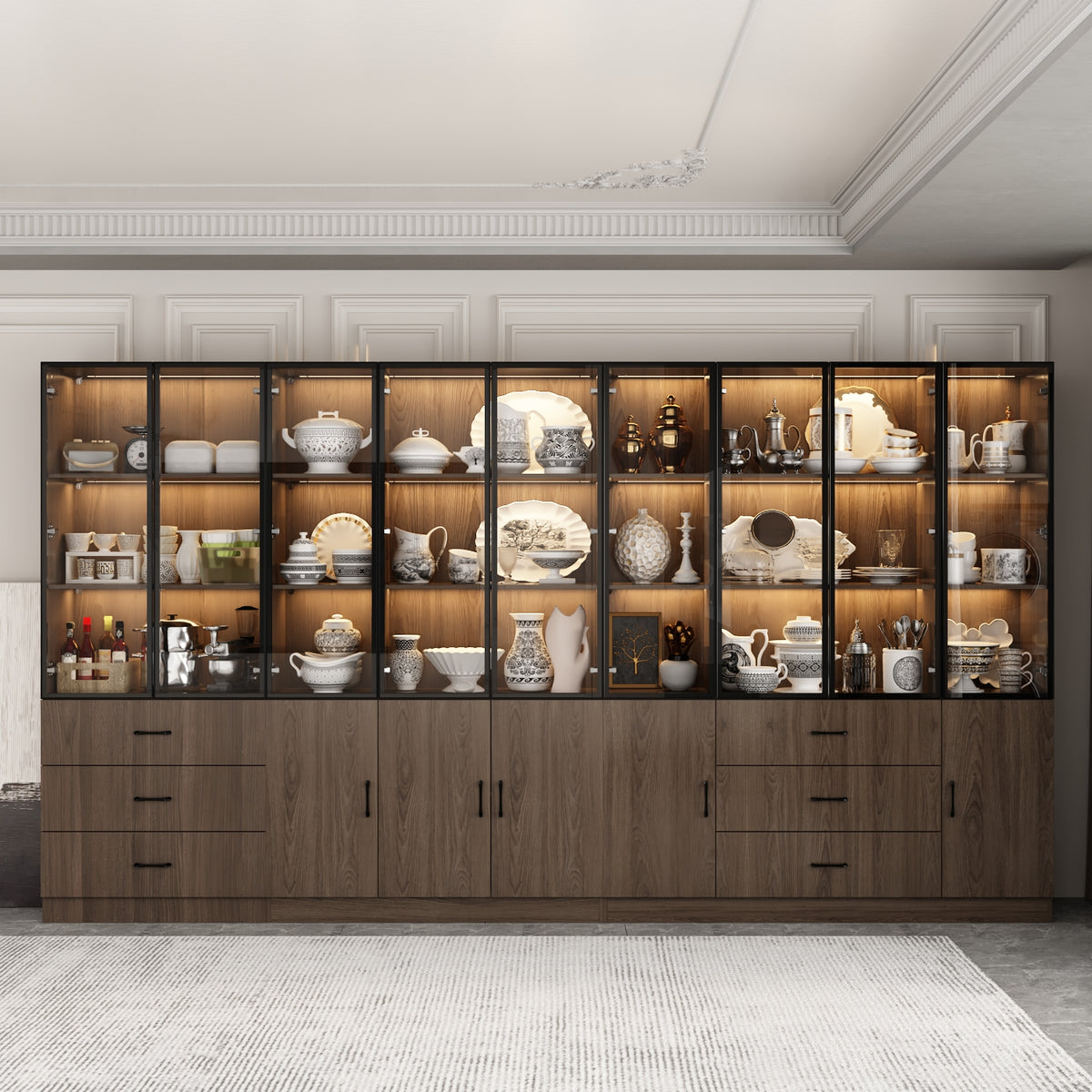
How to Connect Cabinets Together: Leveling, Clamping, Screws and Anchoring
Level the cabinets, clamp the side panels flush, drill pilot holes and join them with screws or connector bolts sized to the panels, then anchor every unit to the wall. Step-by-step, with gap fixes.
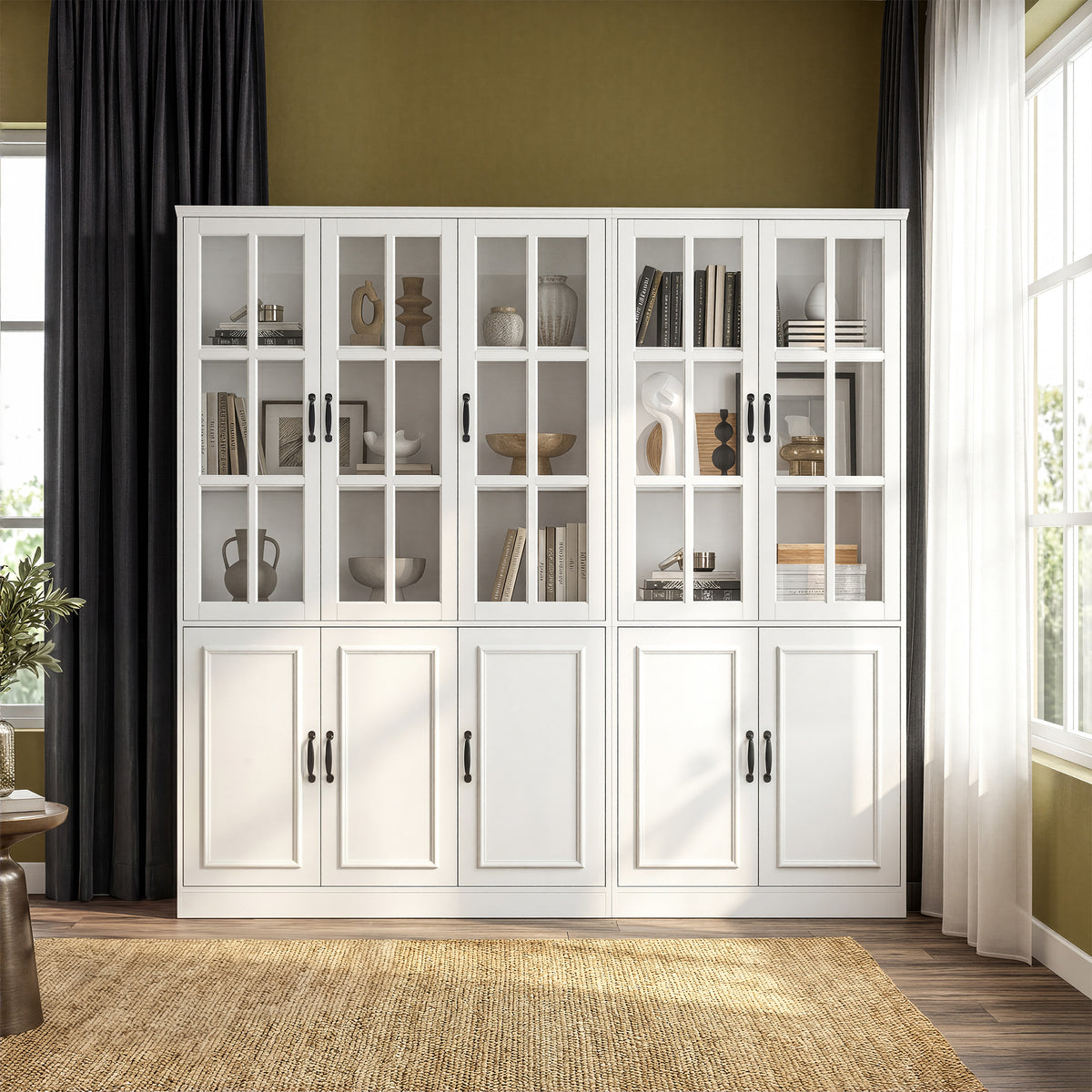
How to Plan a Modular Storage Wall: Measuring, Widths and a Worked Example
Measure the wall and its obstacles, pick one cabinet series, then add up widths until you land just under the wall width. This guide walks through each step with a worked 12-foot example.
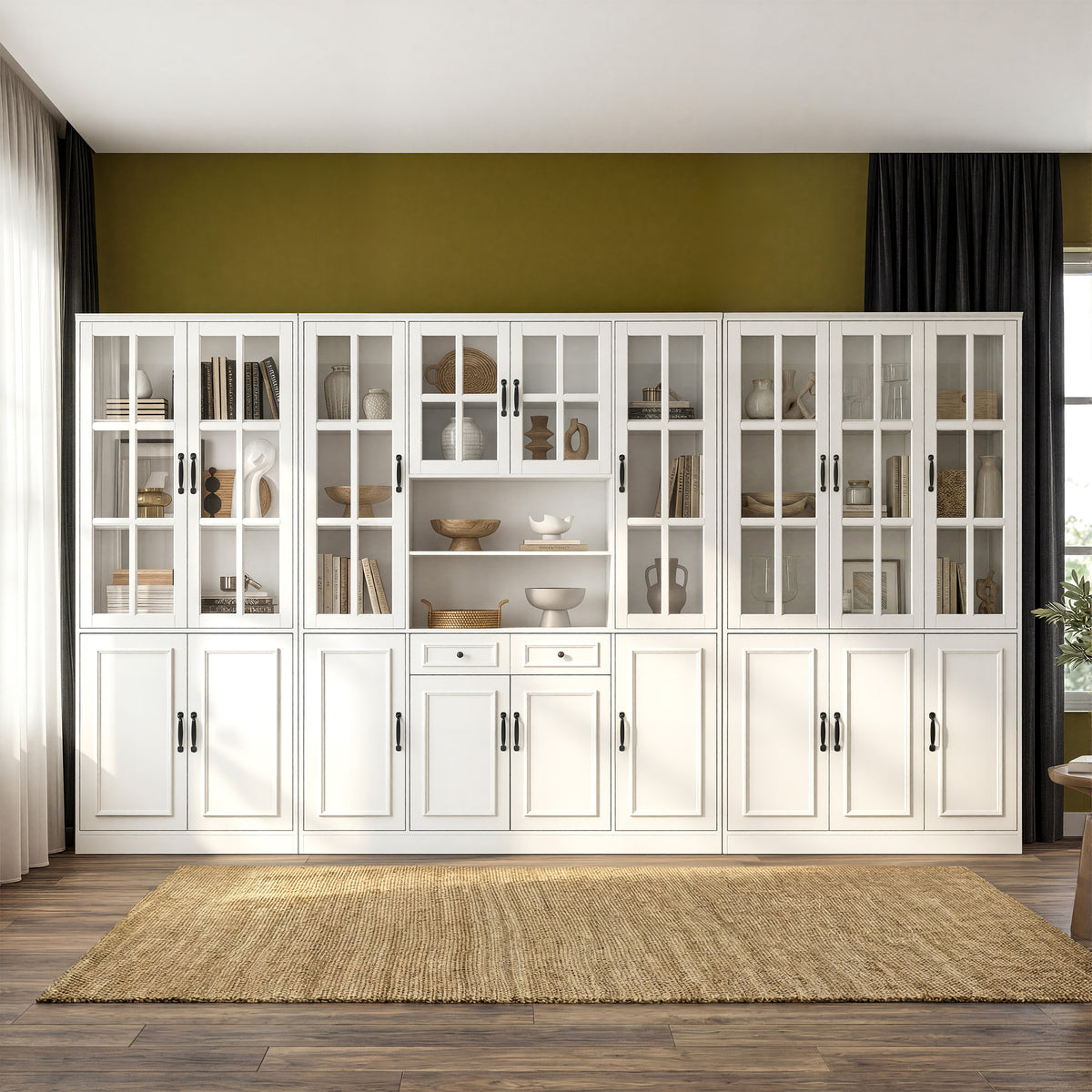
Modular Cabinets vs Built-In Cabinets: Cost, Flexibility and Look Compared
Modular cabinets are ready-made units you combine and anchor; built-ins are custom cabinetry fixed to one wall. This guide compares cost, lead time, installation, moving house, home value and the l...