
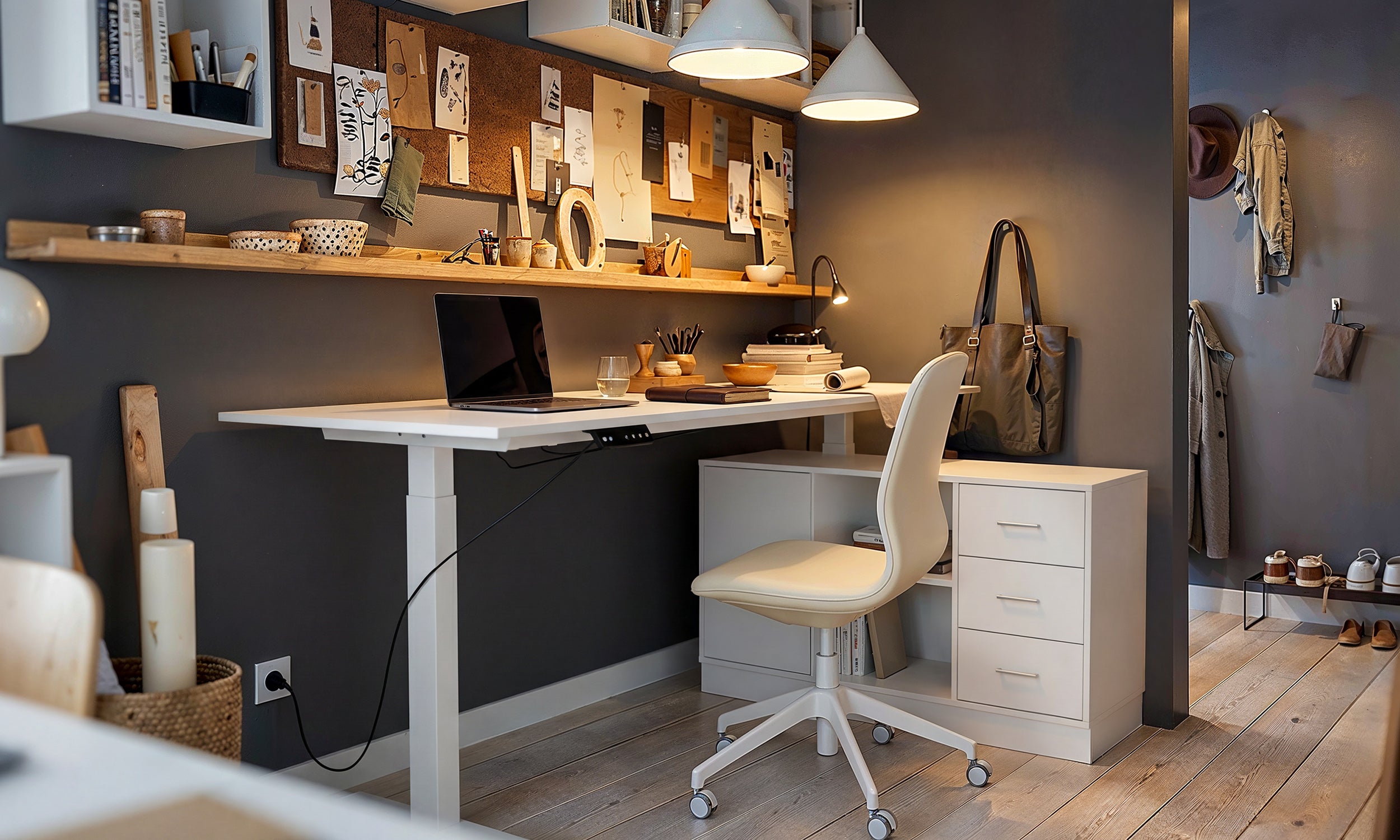
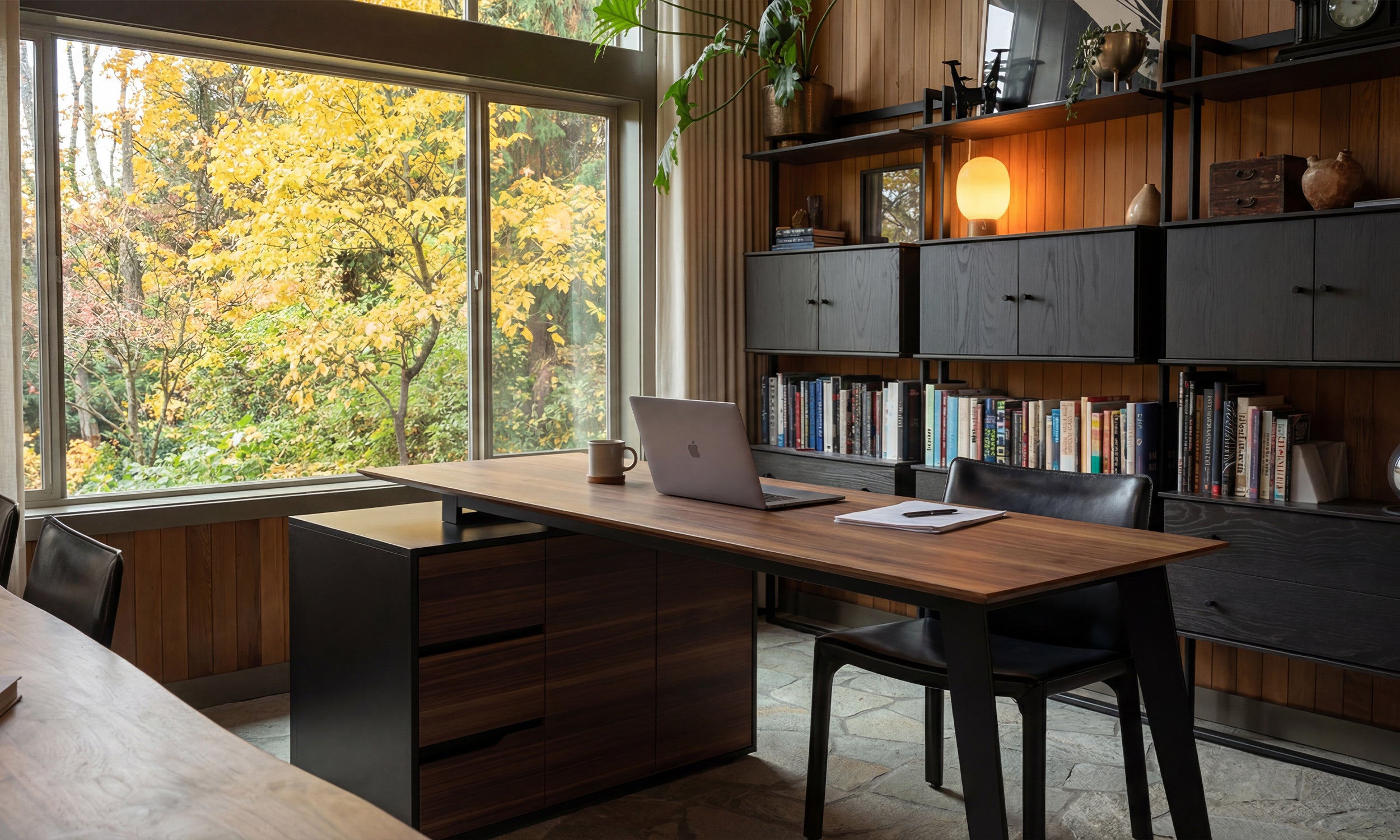

To organize a storage cabinet, empty it completely, keep only what you use, and group like items into zones: heavy and bulk items on the bottom shelves, everyday items between waist and eye level, and light, rarely used things on the top shelf. Then adjust the shelf spacing to fit what you store, add clear bins, shelf risers and door racks to use every inch, and keep each shelf within its weight rating. Labels and a quick monthly reset keep it that way.
Knowing how to organize a storage cabinet well matters most when storage space is limited: a well-planned cabinet holds more, and you can grab what you need without emptying a shelf. These steps work for any cabinet with doors, from a kitchen pantry or bathroom linen tower to a laundry, office or garage cabinet. They are written for anyone who has just bought a new cabinet or is tired of digging through an old one. Most examples use real shelf sizes and weight ratings from the FUFU&GAGA storage cabinet collection.
How to Organize a Storage Cabinet in 6 Steps
Step 1: Empty, declutter and measure
Take everything out. It is the only way to see what you actually own and how much cabinet space you need. As you go:
- Toss expired food, dried-up products and broken items.
- Donate duplicates and things you have not used in a year.
- Sort what stays into piles by category: food, cleaning supplies, paper goods, linens, tools, hobby supplies.
Then measure the inside of the cabinet: shelf width, shelf depth and the height between shelves. Interior shelves are smaller than the overall cabinet. For example, the 15.7" deep Sofna storage bookcase has 14" deep shelves, and a 15.7" deep tall white storage cabinet in our range has 13" deep shelves. Bins and organizers should be bought to the interior size, not the outside size.
Step 2: Plan zones by height
The single most useful rule is to store items by how often you use them and how heavy they are. Keep frequently used items at eye level and heavy items low, where they are safer to lift and keep the cabinet's center of gravity down. The U.S. Consumer Product Safety Commission also recommends storing heavier items on lower shelves as part of preventing furniture tip-overs.
| Zone | What to store |
|---|---|
| Top shelf (above eye level) | Light, rarely used items: holiday decor, spare linens, serving platters you use a few times a year |
| Eye level | Daily items: snacks, toiletries, chargers, kitchen staples, office supplies |
| Waist level | Frequently used, medium-weight items: cereal, canned goods, towels |
| Bottom shelves | Heavy and bulky items: small appliances, bulk packs, liquids, paint, tool boxes |
| Drawers | Small items that get lost on shelves: batteries, utensils, tape, cables |
| Inside of doors | Flat, light items: pot lids, spices, cleaning cloths, lists |
If several people share the cabinet, give each a shelf or bin so things find their way back.
Step 3: Set the shelf spacing
Adjustable shelves are the most underused feature on most cabinets. Factory spacing is rarely right for your items, and wasted air above short items is lost storage space.
- Stand your tallest item on the bottom shelf and set the next shelf about 1"–2" above it, enough room to lift it out.
- Work upward, grouping items of similar height on the same shelf.
- Put the tightest spacing where you store short items like cans or jars, and add a shelf if the cabinet came with spares.
- Check that the doors still close and that shelf pins are fully seated on all four corners.
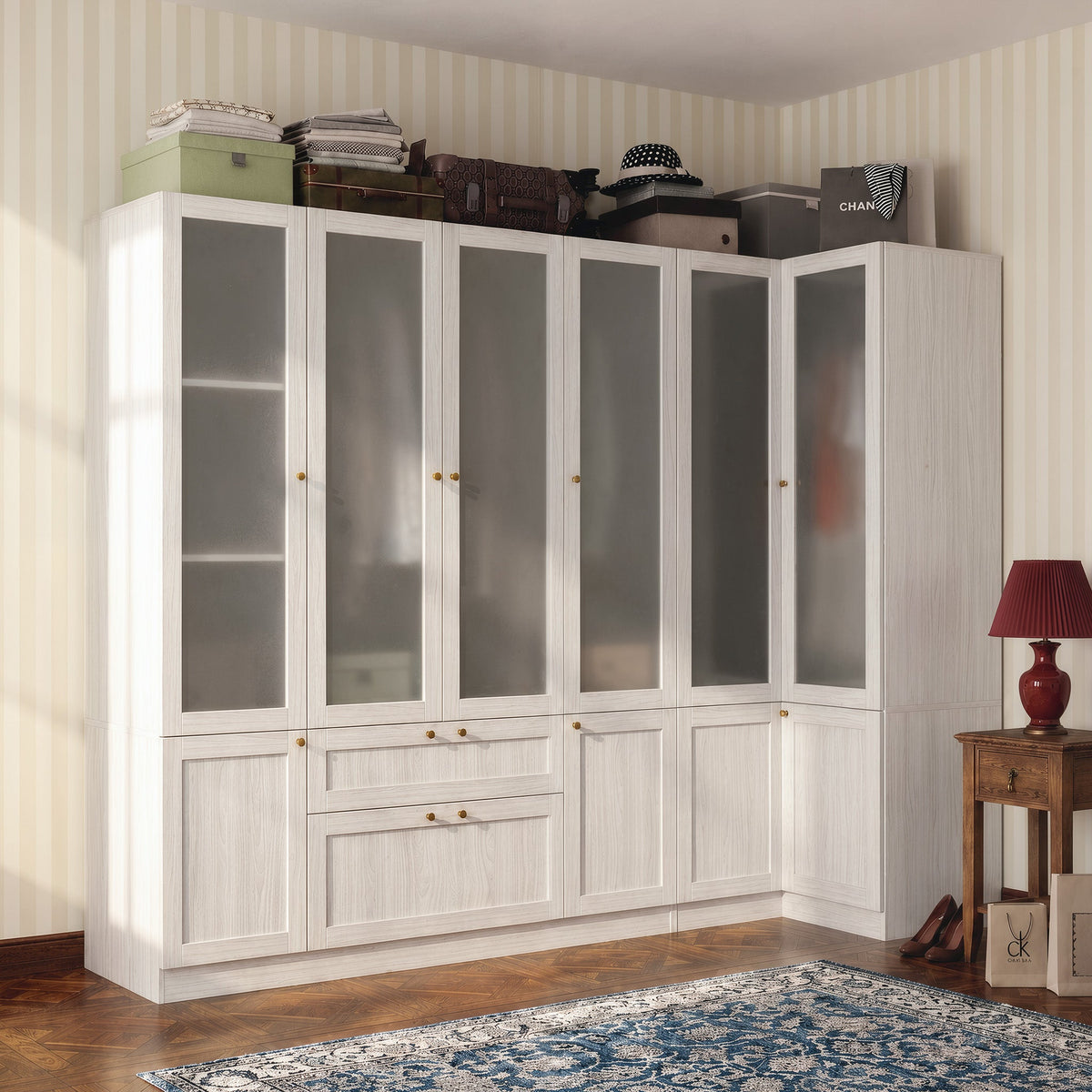
The Sofna 78.7" white storage cabinet with 10 doors and 15 adjustable shelves is a good example of how flexible this can be: every compartment can be re-spaced, so one bay can hold tall bottles while the next holds stacked boxes.

Step 4: Store items in clear bins, shelf risers and a lazy Susan
Organizers turn a deep, open shelf into small, easy-to-reach sections and create more space without buying another cabinet.
- Clear bins: group small items and let you see what is inside. On deep shelves, bins act as pull-out drawers so nothing gets buried at the back.
- Shelf risers and shelf inserts: create a second level for mugs, cans or jars, roughly doubling usable space on a tall shelf.
- Lazy Susan: a turntable for corner shelves, condiments, vitamins or cleaning sprays.
- Vertical dividers for cutting boards: store cutting boards, baking sheets, a tray or two and serving platters on edge, like files, so you can pull one without lifting the rest.
- Nesting items: stack mixing bowls, pots, storage containers and baskets inside each other to save space; store lids upright in a separate bin.
- Labels: mark bins and shelf edges so everyone puts things back in the same place.
Measure before you buy: allow about half an inch of clearance on each side of a bin and check that it fits the shelf depth with the doors closed.
Step 5: Use cabinet doors for pot lids and small items
The inside of cabinet doors is free storage. Door racks, slim baskets and hooks hold pot lids, spice jars, foil and wrap, cleaning cloths and small bottles. Keep door loads light, because heavy items strain hinges and make doors sag.
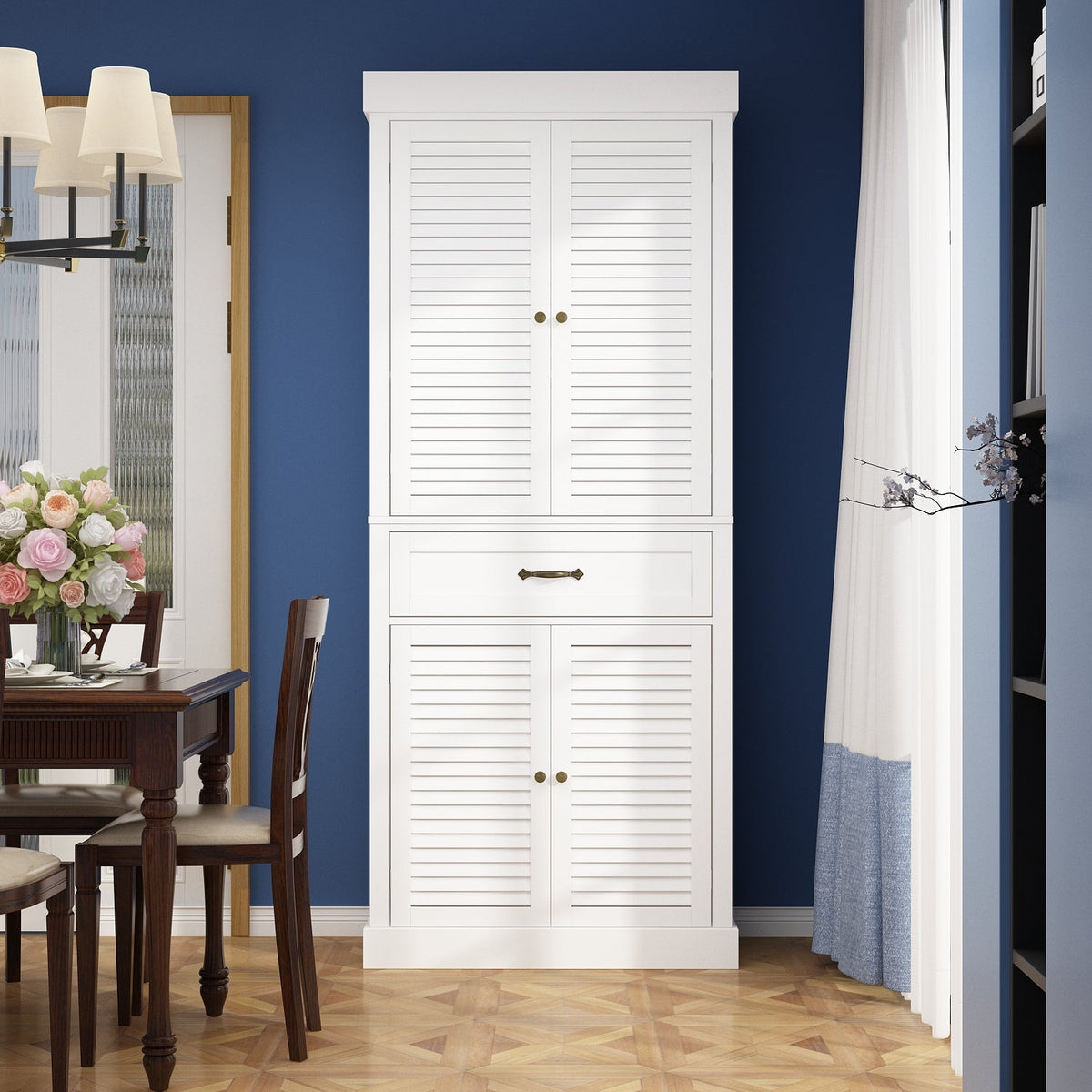
Some cabinets build this in. The 31.5" natural pantry cabinet with door shelves and 2 drawers has 10 shelves in total, including shelves on the doors, and the 31.5" white kitchen pantry with rotating shelves and door-mounted racks adds rotating food storage shelves. Before adding aftermarket racks to any cabinet, check that they will clear the fixed shelves when the door closes.
Step 6: Respect shelf weight limits
Every shelf has a limit, and overloading is what causes bowing, broken shelf pins and, on tall cabinets, extra tip-over risk. Check two numbers on the product page:
- Per-shelf capacity: most wood shelves in our range are rated 22–33 lb each, some up to 50 lb. Glass shelves are often rated much lower, around 11 lb.
- Total weight capacity: the limit for the whole cabinet, which can be less than the sum of every shelf at its maximum.
For example, the Sofna 78.7" cabinet is rated 33 lb per shelf and 500 lb in total, while a slim 23.2" six-shelf cabinet in our range is rated 18 lb per shelf and 50 lb overall. If you are not sure how heavy a full bin is, weigh it on a bathroom scale. Spread heavy items across the full width of a shelf rather than piling them in the middle, and keep the heaviest loads on the bottom.
Storage Ideas for Different Types of Cabinets
Kitchen cabinet organization and pantry tips
Organizing kitchen cabinets starts with grouping: breakfast items together, baking and cooking supplies together, and dishes, plates, bowls and serving platters in one cabinet near the dishwasher or counter where you unload them. In a freestanding pantry, give each shelf one category and keep the most-used kitchen staples at eye level. Use the "first in, first out" method by putting new groceries behind older ones, a practice recommended by Clemson Cooperative Extension, which also advises against storing food near ovens, hot water pipes or heating ducts. Decant loose snacks and grains into clear containers, keep pots and pans in a low cabinet, and store food separately from cleaning products, including anything kept in the cabinet under the sink.
Bathroom and linen cabinets
Fold towels the same way and stack them by set, keep everyday toiletries in a bin at eye level, and store backups (toilet paper, refills) low or on the top shelf. The 47.2" white/black bathroom linen cabinet with LED lights combines glass-door shelves rated at 30 lb each with three drawers for small items.
Laundry and utility cabinets
Keep detergent and cleaning supplies together in a caddy you can carry room to room, which also frees up drawer space for small tools. Household cleaners should be kept in their original containers and stored up and out of children's reach, away from food, according to familydoctor.org. Tall compartments suit brooms and mops; hooks on the door hold dustpans and brushes.
Office and craft cabinets
Use magazine files for papers, small labeled bins for supplies and the deepest shelf for a printer or paper reams. For a full office approach, see office storage cabinets: the designer's guide to organization. If your cabinet has glass doors, our tips on how to arrange a display cabinet cover spacing and lighting.
Keep It Organized
- Put things back immediately; a cabinet stays tidy and clutter stays out only if every item has a home.
- Do a five-minute reset once a month and a full clear-out each season.
- Use a one-in, one-out rule for categories that creep, like mugs, towels or cleaning sprays.
- Re-space the shelves when your needs change rather than forcing items to fit.
Need extra storage, or still choosing a cabinet? Our storage cabinet dimensions guide explains how depth and shelf spacing affect what fits, and the full storage cabinet collection lets you filter by shelves, doors and drawers. If you prefer everything hidden, our post on why a tall closed storage cabinet hides clutter is a useful read.
FAQ
How should cabinets be organized?
Group similar items together, store everyday things between waist and eye level, put heavy items on the bottom and light, rarely used items on top. Use bins on deep shelves and label them so everyone returns items to the same spot.
How do you organize a deep storage cabinet?
Treat deep shelves like drawers: use clear bins or baskets that slide out, so items at the back are as easy to reach as the front. Put taller items at the back and shorter ones in front, or use risers to lift the back row into view.
How much weight can a cabinet shelf hold?
It depends on the cabinet. Many wood shelves on freestanding storage cabinets are rated around 20 to 35 lb, some up to 50 lb, and glass shelves often less. Always check both the per-shelf rating and the total cabinet capacity listed by the manufacturer.
What's the best way to organize a storage unit?
The same principles apply: sort and declutter first, put heavy boxes on the bottom, keep the things you will need most often near the front, label every box on more than one side, and leave a clear path so you can reach the back.

Laisser un commentaire
Ce site est protégé par hCaptcha, et la Politique de confidentialité et les Conditions de service de hCaptcha s’appliquent.