


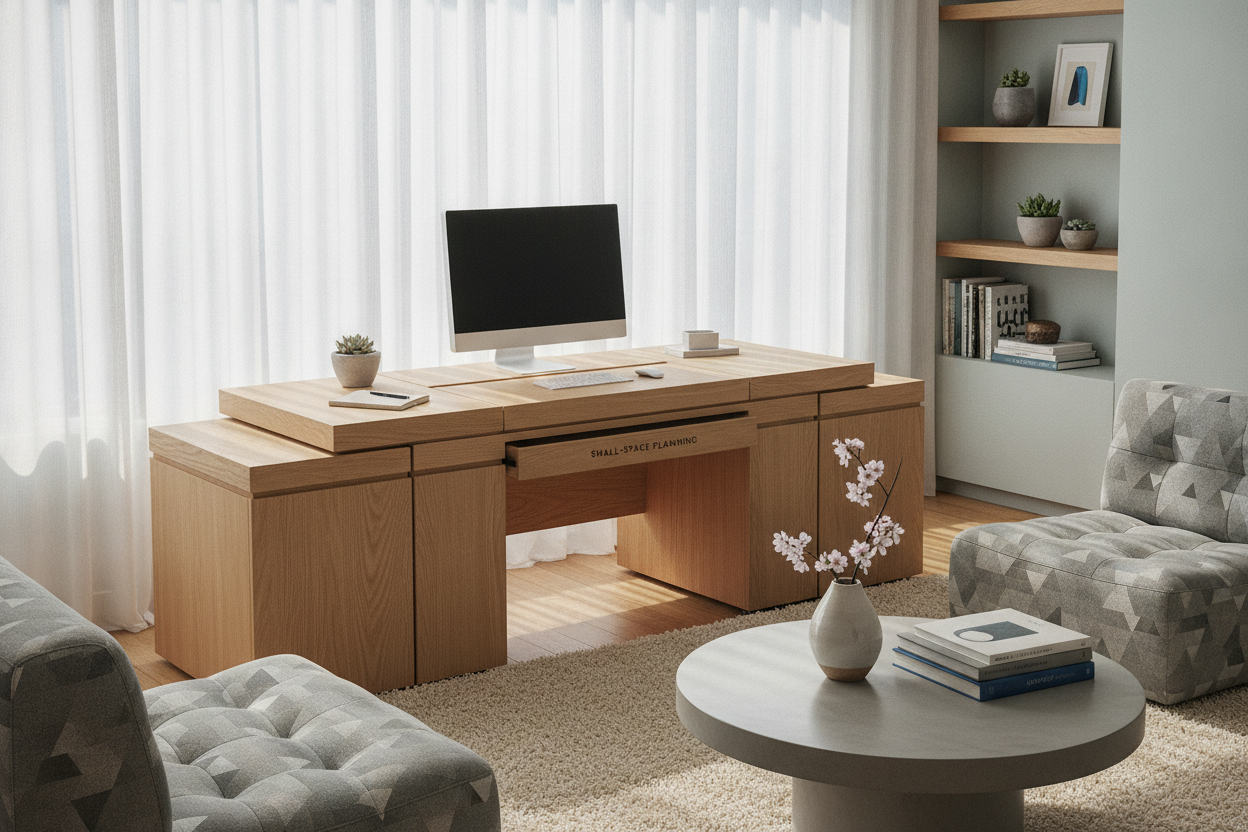
Understanding the 30-Inch Desk Profile: Width vs. Depth Clarification
When searching for a 30 inch wide desk ikea shoppers often encounter a common point of confusion: the distinction between horizontal surface width and front-to-back desktop depth. A desk measuring thirty inches across is an ultra-compact workstation designed for tight architectural nooks, bedroom study corners, and studio apartments. In contrast, those looking for a 30 inch deep desk ikea configuration are generally seeking deep visual focal length to accommodate large desktop monitors and expansive writing materials.
Understanding this distinction prevents costly layout miscalculations. A true thirty-inch wide tabletop serves minimal footprints where floor space is at a strict premium. If your daily routine involves a single laptop or compact tablet setup, a narrow lateral span provides sufficient utility without intruding on general living space. For those exploring adjacent modular dimensions, reviewing a desk ikea guide can help clarify how subtle shifts in width alter spatial efficiency.
Spatial Fit: Evaluating Room Clearance, Alcoves, and Knee Well Ergonomics
Installing a compact desk into an alcove or between structural walls requires strict attention to perimeter clearances. Even when a furniture piece is listed at thirty inches wide, baseboards, door frames, and electrical outlet plates can reduce usable wall opening space. Measuring the horizontal span at the floor, mid-wall, and desk height ensures the frame will slide into place without binding against painted surfaces.
Equally critical is the internal knee well clearance under the surface. On a thirty-inch wide frame, the usable leg space between supporting side legs or vertical panels is naturally compressed. To maintain ergonomic comfort throughout the day, consider the following spatial factors:
- Leg span: Ensure the interior space between desk legs accommodates comfortable seated movement without forcing an unnaturally restricted posture.
- Chair base clearance: Verify that five-star caster bases on office chairs can tuck under the tabletop edge when the workstation is not in use.
- Walkway depth: Preserve adequate clearance behind the seated position to prevent the chair back from obstructing main room pathways.
For more insights on planning ultra-compact profiles, exploring our wide desk guide offers additional perspective on small-room navigation.
Surface Zoning and Hardware Management on a 30-Inch Desktop
Working effectively on a thirty-inch desktop requires deliberate surface zoning. Because horizontal space is limited, dividing the tabletop into clear operational areas prevents clutter from overwhelming primary input tasks. A balanced layout typically separates the surface into a central input zone for a keyboard or laptop and peripheral margins for primary task essentials.
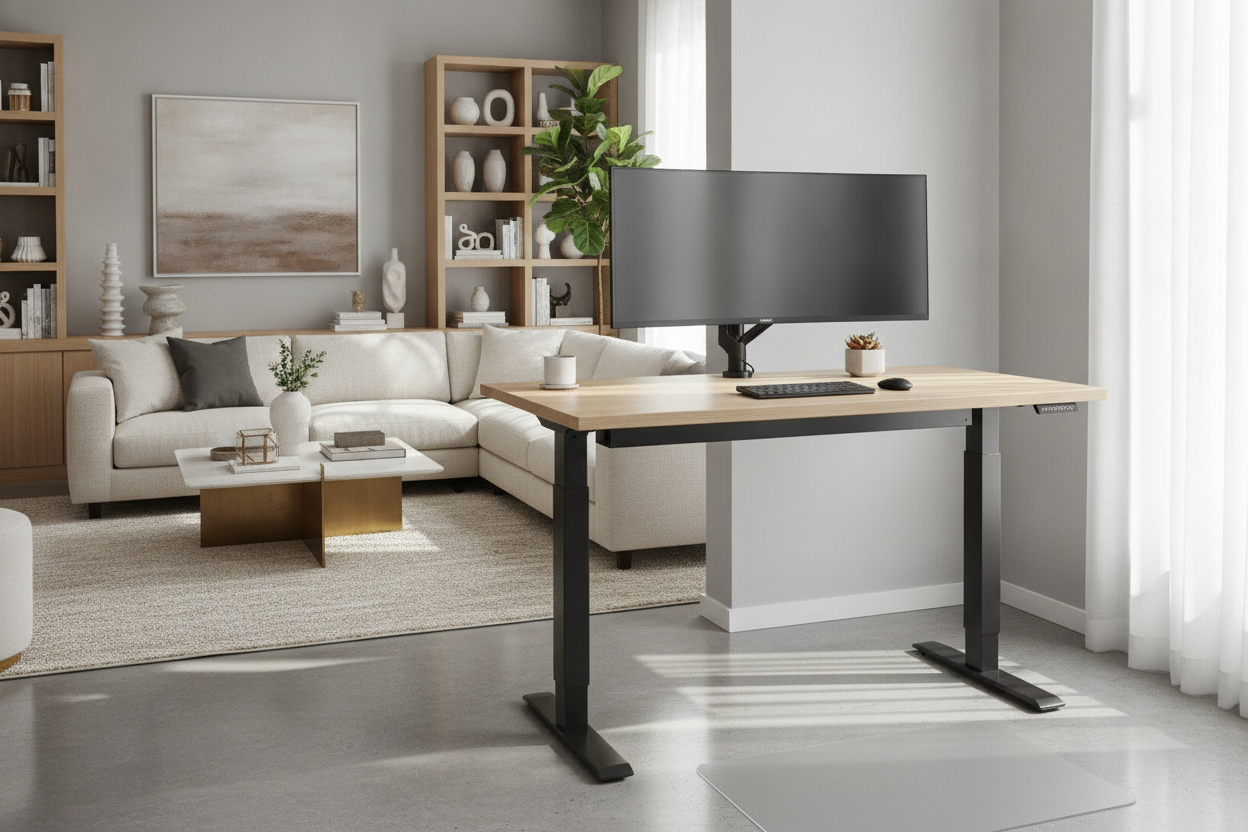
Hardware mounting solutions play a pivotal role in reclaiming surface area. Standard monitor stands often consume significant depth, reducing available space for typing and document handling. Integrating a clamp-style monitor arm elevates the display above the desktop, clearing the lower zone for low-profile accessories. Similarly, installing an under-desk cable management tray keeps power bricks and wire bundles off the floor while maintaining a streamlined visual profile.
Storage Architecture: Offloading Weight with Vertical and Companion Units
One of the primary structural trade-offs of a thirty-inch desk is the absence of integrated under-desk drawers. Adding fixed drawer pedestals directly beneath a thirty-inch frame severely restricts knee space, compromising seating comfort. Instead, an effective storage architecture relies on companion storage units positioned adjacent to the desk or mounted vertically on nearby walls.
Vertical storage systems allow you to utilize wall height without consuming precious square footage. Floating shelving, pegboards, and overhead cubbies keep notebooks, headphones, and reference books within arm's reach. When mobile storage is necessary, a slim rolling cart tucked beside the workstation can house office supplies during work hours and roll out of the way when the day is done. For layouts with slightly more lateral room, our ikea desk guide illustrates how adjusting width expands integrated storage options.
When to Scale Up: Exploring Expansive Workstation Alternatives
While a thirty-inch desk excels in secondary nooks, specific workflows eventually outgrow a minimalist footprint. If your daily demands expand to include dual monitors, external audio interfaces, or extensive physical paperwork, a compact footprint can introduce operational friction. In such scenarios, transitioning from a compact desk to an expansive wide desk ikea alternative or dedicated executive setup improves organization.
When a dedicated room or open wall section allows, multi-tier workstations provide built-in display shelving and enclosed cabinetry that eliminate the need for secondary storage units. Examining a multi-functional wide desk product highlights how larger furniture formats combine extensive surface span with integrated display storage. By matching your workstation dimensions to both room architecture and daily workflow demands, you can create a productive, balanced home office environment.

Laisser un commentaire
Ce site est protégé par hCaptcha, et la Politique de confidentialité et les Conditions de service de hCaptcha s’appliquent.