


Smart Desk Solutions for Small Spaces: Spatial Frameworks, Storage Pairings, and Room Fit
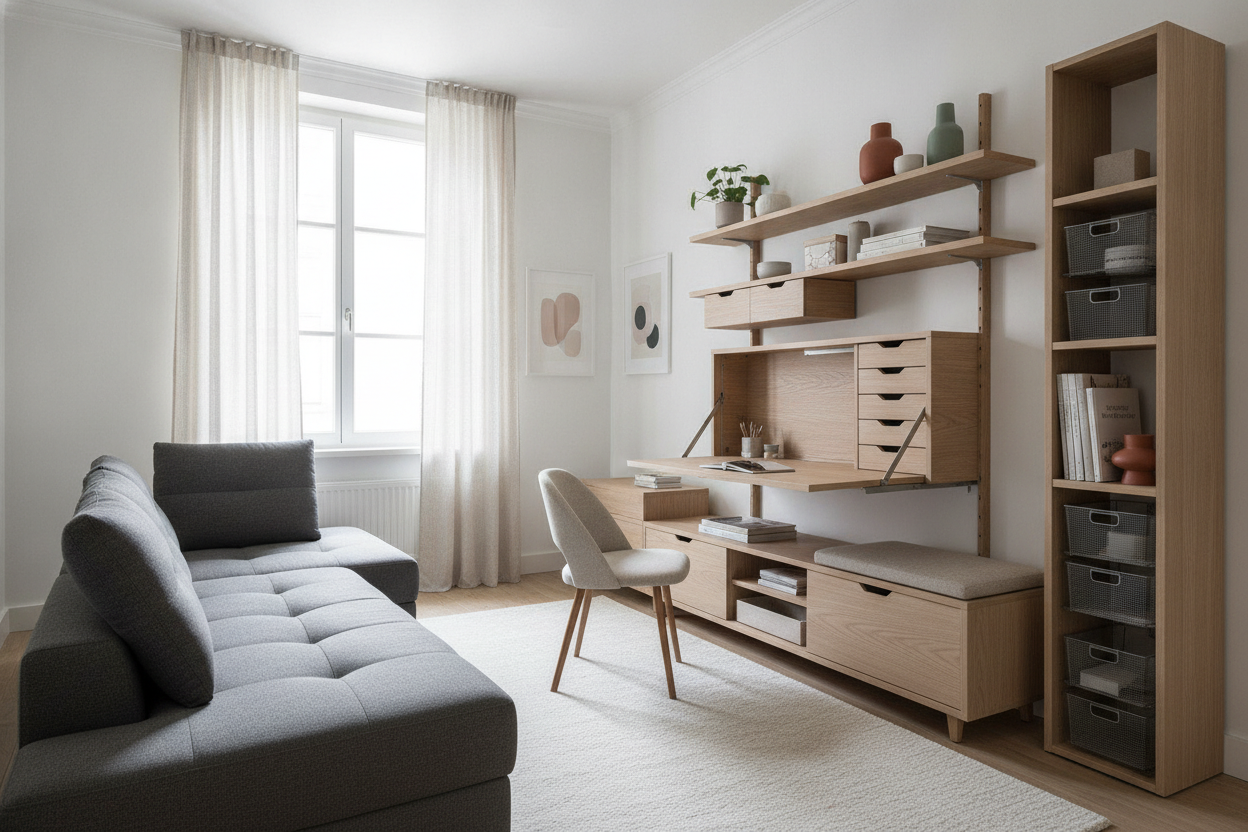
Creating a productive work area in a compact home requires thoughtful planning. Rather than viewing a workstation as an isolated piece of furniture, evaluating comprehensive desk solutions allows you to balance room architecture, traffic patterns, and personal workflow. Whether carving out space in a multi-purpose guest room, living area, or bedroom alcove, establishing a dedicated workspace depends on understanding spatial balance and structural proportions.
Evaluating Desk Solutions by Room Layout and Footprint
Before selecting furniture, assessing the physical geometry of your room helps prevent overcrowding. A successful setup supports daily tasks while leaving natural walkways open and accessible. For deeper architectural layout planning, reviewing a comprehensive desk solutions guide provides valuable baseline principles for mapping room circulation.
Linear Wall Runs vs. Compact Alcove Placement
Linear wall arrangements place the workstation flush against a main wall span. This configuration creates a clean sightline and works well in long, narrow rooms where maintaining a wide walkway is essential. It also allows you to position task lighting or wall-mounted accessories directly above the desktop without interrupting neighboring furniture.
Alcove placement, by contrast, transforms recessed architectural nooks, structural setbacks, or converted closet zones into self-contained work zones. Placing a desk within an alcove contains visual clutter to a designated niche, preserving the visual openness of the main room while defining distinct boundaries between work and leisure areas.
Corner Workstations and Perimeter Flow
Corner placements utilize intersecting walls that might otherwise remain unoccupied. A corner desk expands the usable work surface along two axes without protruding excessively into the center of the room. This orientation maintains clear traffic lanes across bedrooms and living spaces while giving you generous surface area for equipment, writing supplies, and daily reference materials.
Surface Sizing and Ergonomic Clearance Categories
Choosing appropriate desk dimensions involves balancing the physical gear required for your routine with the overall scale of your living environment.
Balancing Desktop Depth with Visual Room Weight
A deeper desktop accommodates large monitor bases and paperwork staging, but it can overwhelm smaller rooms by protruding into primary travel paths. Narrower desktops maintain a lighter visual profile and keep room pathways open. Exploring a space solutions guide demonstrates how shallow furniture pieces maximize usable floor area while maintaining dedicated utility across varied living zones.
Knee Well Clearance and Seating Alignment
A functional workstation requires adequate clearance beneath the work surface. The knee well must accommodate comfortable leg movement and allow your office chair to slide completely under the desk when not in use. Ensuring clear vertical and horizontal space beneath the desktop prevents awkward seating postures, protects chair armrests from bumping the desk edge, and keeps multi-purpose rooms tidy.
Storage Architecture and Organization Pairing
Maintaining an uncluttered work surface in a small room requires deliberate organization. Separating active work tools from archival storage keeps daily surfaces organized and functional.
Integrated Drawers vs. Companion Storage Units
Desks with built-in drawers offer immediate access to daily essentials like writing tools, notebooks, and small electronics. However, integrated pedestals can restrict under-desk legroom in narrower frames. Pairing a streamlined, open-frame table with a dedicated companion unit, such as an adjacent storage solutions product, provides abundant shelving for binders and equipment while keeping your primary desk footprint open and light.
Overhead Shelving and Vertical Wall Utilization
When floor area is constrained, utilizing vertical wall space helps preserve surface area. Overhead shelving units, wall-mounted ledges, and vertical hutches lift secondary items off the desktop. Staging reference books, decorative accents, and task lamps on wall-hung shelving keeps the primary desktop clear for active projects.
Material Selection, Joinery, and Assembly Readiness
A workstation must withstand daily use while complementing your interior decor. Evaluating material composition and frame engineering ensures long-term stability and simple maintenance.
Frame Rigidity, Surface Finishes, and Daily Wear
Workstation surfaces must endure regular contact with peripherals, writing instruments, and cleaning routines. Melamine surfaces, durable laminates, and treated wood veneers resist moisture, surface scratches, and wear over time. Sturdy metal leg structures or reinforced engineered wood side panels provide the rigidity needed to prevent swaying during typing or active daily use.
Floor Leveling and Cable Management Integration
Uneven floors are common in residential settings, especially across older hardwood or tiled areas. Desks equipped with adjustable leveling feet ensure a steady, wobble-free surface on variable flooring. In addition, incorporating wire raceways, grommets, or under-desk cable trays prevents power cords from tangling, preserving clean sightlines and protecting your electronics.
Selecting the Right Desk Solution for Your Workflow
Choosing the ideal workstation requires matching furniture characteristics to your personal work style and spatial requirements:
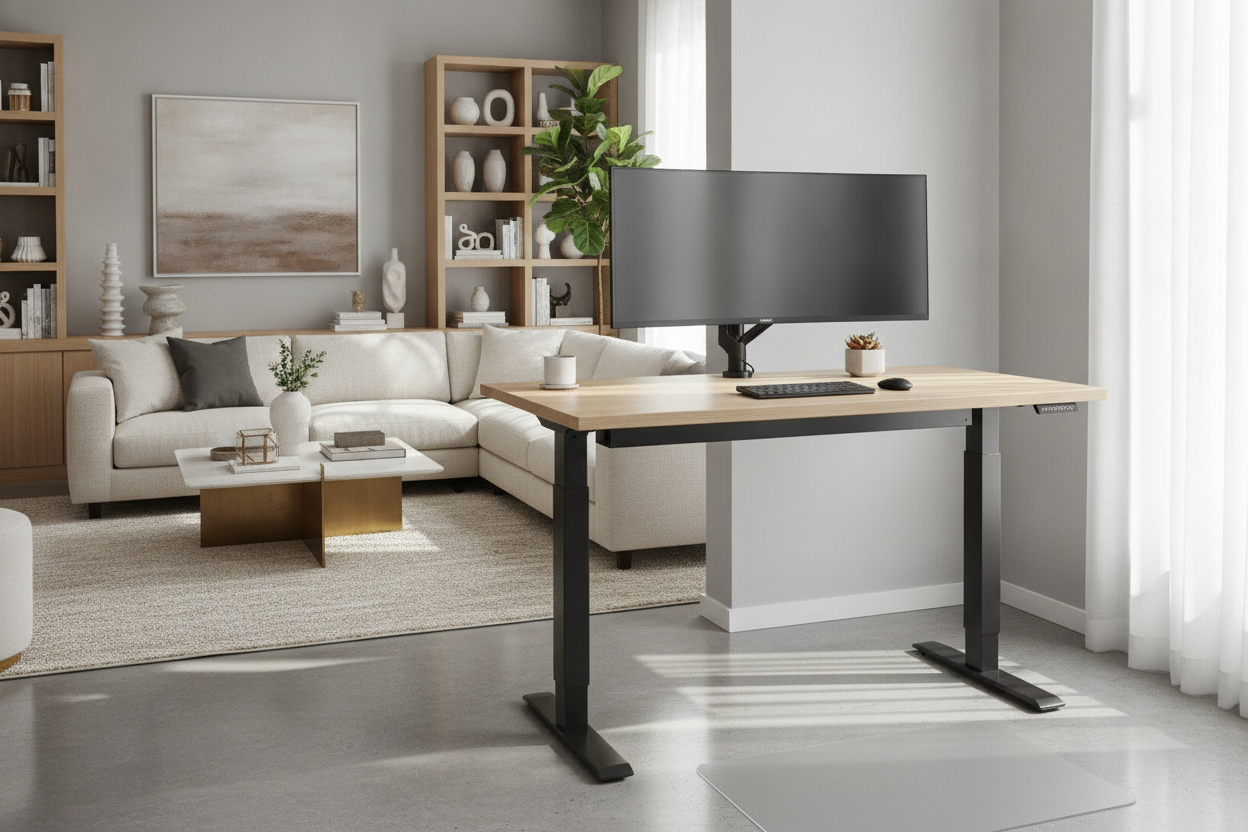
- Digital-Focused Tasks: Choose a streamlined desk paired with monitor arms and integrated cable channels to maintain an uncluttered surface.
- Document-Heavy Tasks: Select a wider desktop paired with a companion vertical storage cabinet to keep active files within arm's reach.
- Multi-Functional Living Areas: Opt for a shallow-depth desk or an alcove-friendly frame that blends seamlessly with existing room cabinetry.
By assessing room circulation, clearance requirements, and storage pairings, you can establish an organized, comfortable, and durable workspace tailored to your home environment.

Laisser un commentaire
Ce site est protégé par hCaptcha, et la Politique de confidentialité et les Conditions de service de hCaptcha s’appliquent.