
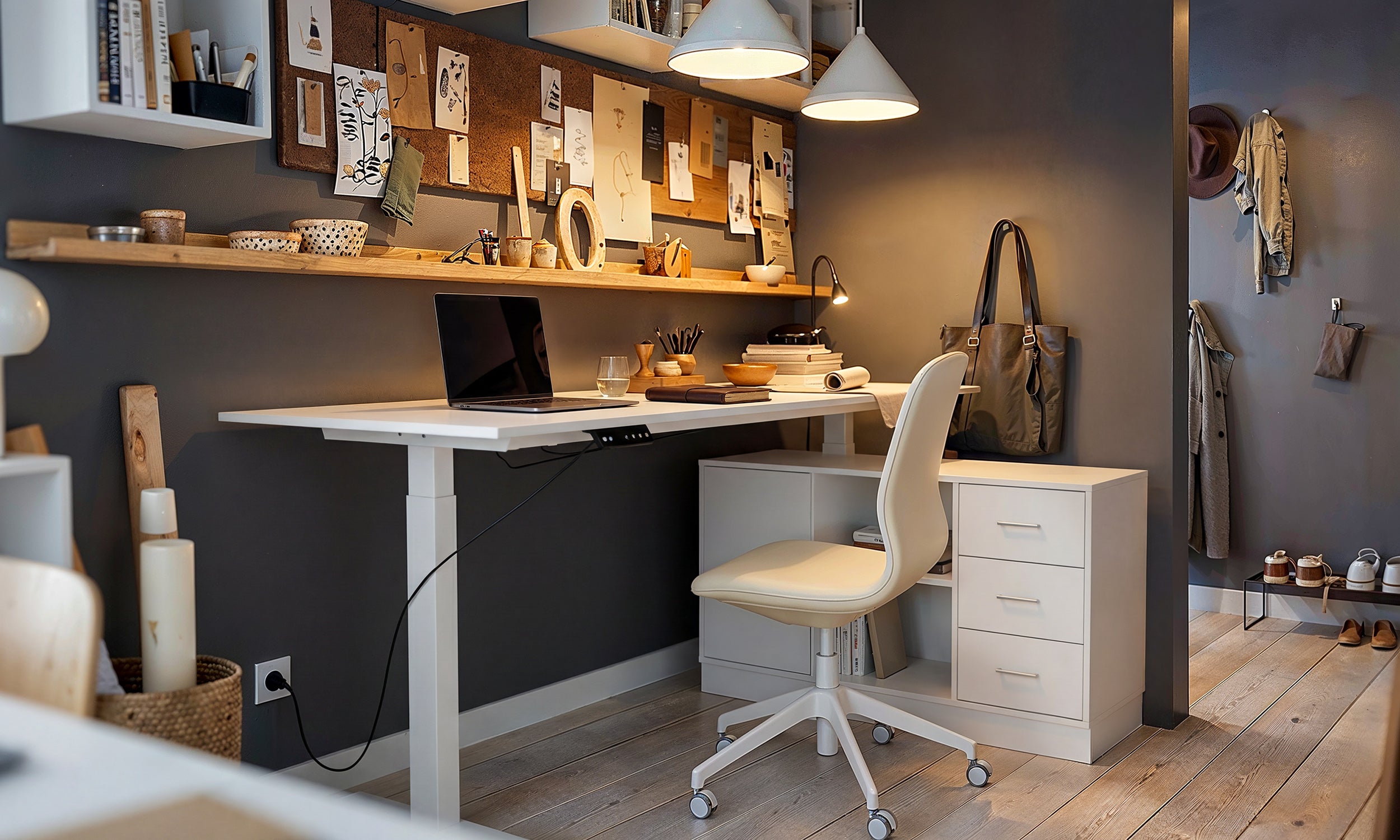
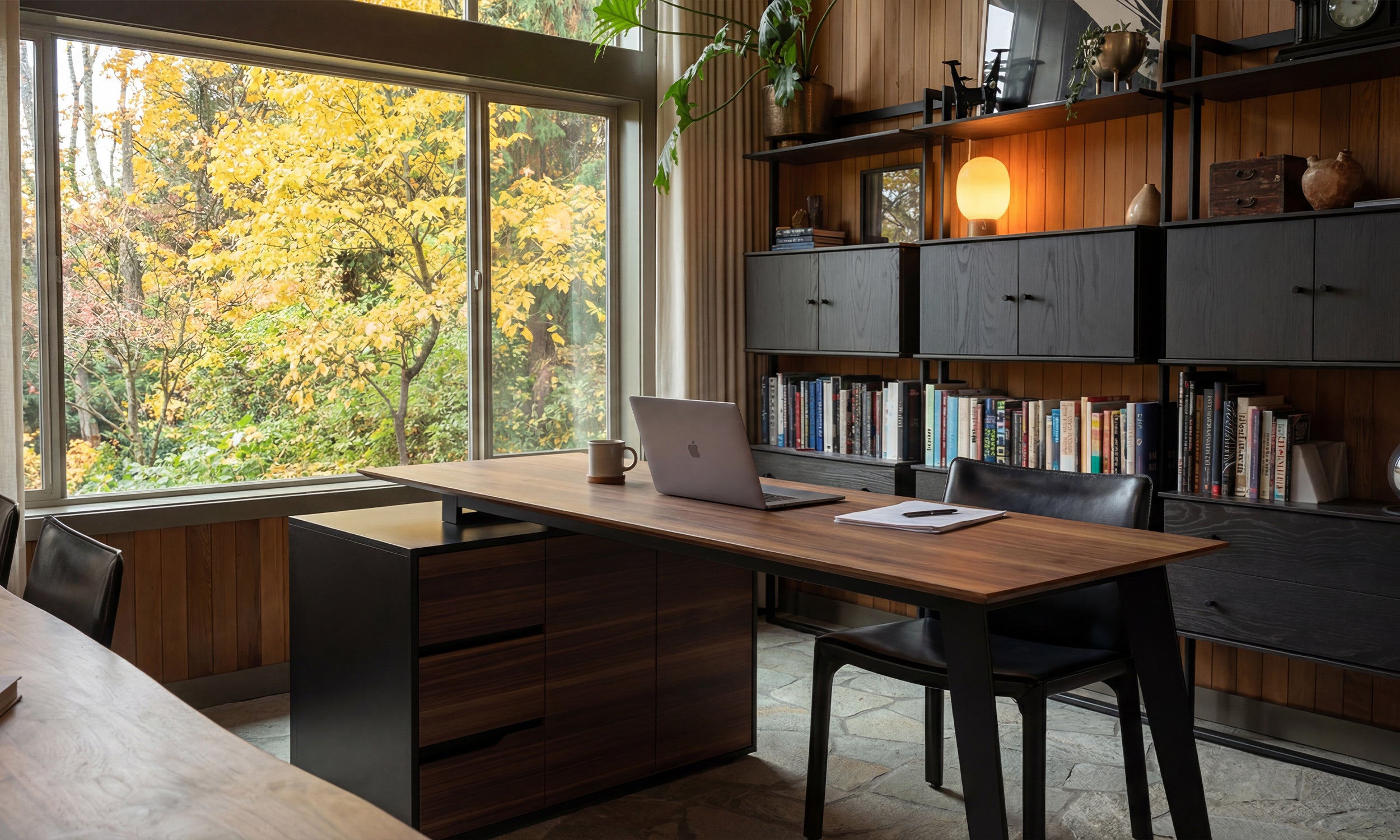

Many office workers spend hours absorbed in daily tasks without realizing how little they move. When you stay frozen in one alignment, your body enters a state known as prolonged static posture. While sitting down to work feels restful at first, remaining fixed in the same configuration creates unnecessary muscle tension. Addressing prolonged static posture begins with understanding why our bodies stiffen when we hold one position and how everyday workspace choices either freeze us in place or encourage healthy movement.
What Is Prolonged Static Posture at Work?
Prolonged static posture refers to remaining in an unchanged physical position for extended work periods without meaningful muscle movement. The human body is naturally adapted for dynamic shifting rather than staying motionless. When prolonged static posture takes over, small supporting muscles remain under continuous light contraction to hold your frame upright against gravity. Over time, prolonged static posture impedes natural blood flow, causing minor aches to build quietly as you finish projects.
A healthy working posture relies on subtle changes in angle, shifting weight between your feet or hips, and regularly altering your spinal curve. When your desk setup prevents these small adjustments, prolonged static posture sets in. Recognizing prolonged static posture is the first step toward building an adaptable daily workstation routine that feels comfortable from morning to evening.
Everyday Static Posture Examples in Home Offices
To identify where your routine locks up, it helps to review familiar static posture examples found in home offices. Many people associate physical discomfort only with bad slouching, but static posture examples can occur even when you believe you are sitting completely straight. When you maintain any rigid stance without shifting, you reinforce static posture.
- The Keyboard Hunch: Leaning the upper chest forward with shoulders rolled in while typing for hours without pausing.
- The Tilted Screen Gaze: Craning the neck downward toward a low laptop screen, keeping the neck and shoulders locked in an awkward tilt.
- The Perched Edge: Sitting on the front edge of an office chair without leaning back, keeping back muscles contracted in a constant hold.
- Locked-Knee Standing: Standing rigidly at a standing desk with knees locked straight and weight pressed into one hip.
These static posture examples demonstrate that remaining motionless is the core problem. Whether you work in a traditional seat or at an elevated workstation, prolonged static posture happens whenever your joints remain frozen in place.
Why Is Staying in a Static Sitting Position Uncomfortable Over Time?
Staying in a static sitting position creates physical discomfort because continuous pressure concentrates on specific joints and soft tissues without the relief that natural movement provides. When you settle into a static sitting position, the muscles along your lower back must hold your torso steady. Over several hours, static sitting restricts local blood flow, leading to muscle fatigue that leaves you feeling drained even if you have done no heavy lifting.
In a prolonged static posture, your hip flexors remain shortened and your spine carries steady vertical compression. If you consult our sitting posture guide, you will see that alternating angles is just as important as initial alignment. A static sitting position also invites upper body tightness. As your arms stay planted on the desk surface, your neck and shoulders work continuously to hold your head steady over the keyboard. Without active sitting habits and periodic breaks, prolonged static posture gradually turns manageable work sessions into sources of daily fatigue.
Desk and Furniture Adjustments That Encourage Movement
The right office furniture can help prevent prolonged static posture by making small body adjustments feel effortless throughout the day. An ergonomic chair equipped with responsive lumbar support allows your spine to recline naturally rather than remaining trapped in a single rigid vertical line. When adjusting your chair, ensure the seat depth supports your thighs while leaving a small space behind your knees, inviting easy shifts in your working posture.
Your desk setup plays an equally vital role in curbing prolonged static posture. Maintaining generous desk clearance under your work surface ensures your legs have room to stretch and reposition. If your feet dangle or fail to rest firmly, a foot rest provides a stable platform that takes strain off the lower back while offering different foot angles during static sitting periods. Furthermore, placing your monitor at eye level with proper monitor height prevents downward neck strain that often accompanies prolonged static posture. For those exploring height-adjustable tables, our posture guide outlines how alternating desk height reduces static standing and sitting fatigue.
Organizing Storage to Prevent Fixed Body Angles
Your workstation layout determines how often your torso rotates, bends, and shifts during the workday. In many home setups, clutter around the floor forces workers into prolonged static posture simply because there is no space to reposition their feet or swivel their chairs. Thoughtful placement of storage cabinets and filing drawers eliminates awkward, frozen reaches that strain back muscles.
Keep everyday items within comfortable arm reach directly in front of you to avoid leaning into prolonged static posture while writing or typing. Secondary items, such as archive folders and printer paper, belong in dedicated storage cabinets or under-desk storage units positioned slightly away from the primary desk zone. This intentional separation breaks prolonged static posture by requiring you to stand, twist gently, or roll your chair to retrieve supplies. When under-desk storage is organized neatly to the side rather than crowding your knees, you retain the desk clearance needed to vary your static sitting position throughout the day.
How Often Should You Switch Positions During the Workday?
You should switch positions every thirty to forty-five minutes to stop prolonged static posture before muscle fatigue sets in. Expecting yourself to hold a single perfect working posture all day is unrealistic and counterproductive. Instead, practical posture habits focus on frequent transitions between sitting, standing desk work, and brief movement breaks.
When you stand, avoid slipping into static standing by shifting weight smoothly between both feet or resting one foot on a low foot rest. In our prolonged posture guide, we highlight how dynamic intervals keep energy levels high. Try adopting a simple daily rhythm to defeat prolonged static posture:
- Sit with Support: Spend thirty to forty-five minutes seated in an ergonomic chair with your lower back supported by proper lumbar support.
- Shift and Stand: Raise your standing desk for twenty to thirty minutes, avoiding locked knees or prolonged static posture at the counter.
- Take Movement Breaks: Step away for two minutes every hour to stroll down the hall, stretch your arms, and refresh your neck and shoulders.
By pairing flexible office furniture with intentional movement breaks, you can dismantle prolonged static posture and enjoy a comfortable, productive workspace every day.


Laisser un commentaire
Ce site est protégé par hCaptcha, et la Politique de confidentialité et les Conditions de service de hCaptcha s’appliquent.