


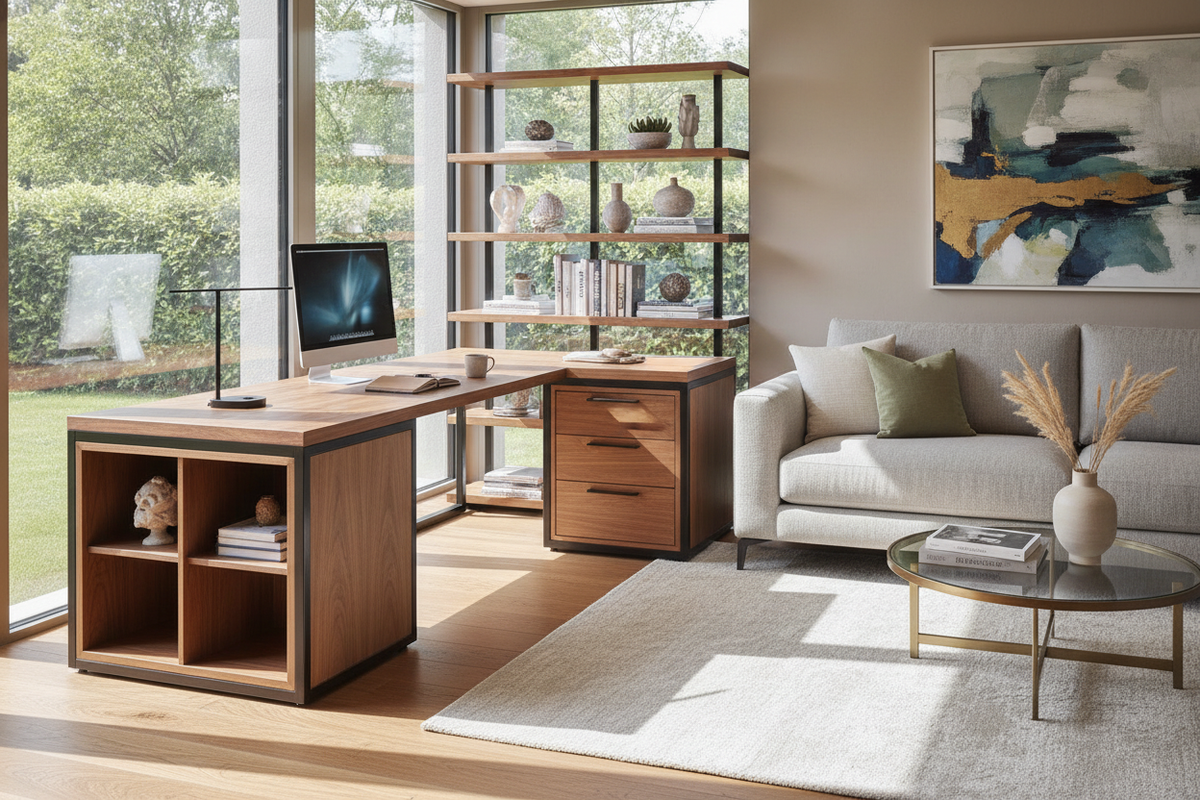
Creating an effective workspace requires balancing usable surface area, long-term durability, and visual harmony with your surrounding decor. An l shaped wood and metal desk delivers an optimal solution by uniting the natural warmth of wooden surfaces with the structural rigidity of steel or iron framing. Whether setting up a dedicated remote office, a multi-monitor gaming station, or a hybrid creative studio, this furniture format optimizes corner footprints while keeping essential equipment within arm's reach. Exploring curated options across an extensive computer desk collection helps clarify how modern frame engineering and tabletop finishes support diverse daily routines.
Material Dynamics: Balancing Warm Wood Surfaces and Rigid Metal Framing
The enduring popularity of an l shaped desk metal and wood build lies in the contrasting physical properties of its two core materials. Wood surfaces provide tactile comfort, organic grain patterns, and an inviting aesthetic that softens high-tech electronics. Depending on your preferences and budget, desktops often feature either solid hardwood timber or engineered wood panels protected by scratch-resistant, textured wood-grain veneers.
Meanwhile, the metal understructure provides vital structural integrity without the heavy, boxed-in visual weight common to traditional all-wood cabinetry. Powder-coated tubular steel or cast iron frames resist racking, warping, and wobble under shifting loads. For those who appreciate natural wood construction alongside streamlined forms, comparing hybrid configurations with a dedicated wood desk computer product provides clear insight into how various materials influence overall room ambience and maintenance requirements.
Structural Geometry and Footprint Planning
Corner desks must integrate smoothly into room pathways without pinching doorways or blocking natural light. Examining the overall geometric layout ensures that the selected unit fits your room dimensions while providing sufficient task space across both wings. Exploring practical options like an adaptable shaped computer desk product illustrates how dual-wing proportions can be balanced with functional utility.
Symmetric vs. Asymmetric Wing Configurations
L-shaped layouts generally fall into two architectural formats: equal-sided symmetric setups and asymmetric returns. Symmetric desks offer identical lengths on both sides of the central corner, making them ideal for placement in dedicated corners where dual tasks—such as simultaneous monitor use and manual drafting—require equal desktop expanse. Asymmetric models feature a primary main desk paired with a shorter perpendicular return wing. This arrangement works exceptionally well along open walls or floating in open-concept spaces, establishing a defined working perimeter without obstructing traffic lanes.
Under-Desk Clearance and Leg Support Architecture
A primary mechanical advantage of metal framing in corner furniture is the ability to maintain stability while minimizing bulky corner posts. Well-designed metal frame systems use diagonal corner braces or recessed intermediate support legs. This creates unobstructed knee clearance, allowing you to swivel an office chair freely from one wing to the other without bumping knees against interior pillars.
Storage and Vertical Architecture: From Shelving to Overhead Hutches
Managing desktop clutter is essential for sustained productivity. While minimalist corner frames emphasize open airiness, many configurations incorporate integrated storage elements to make use of both vertical height and lower floor zones. Understanding how material pairings function across storage furniture—as outlined in this wood metal guide—can help you choose the right blend of open and enclosed compartments.
Overhead Hutch and Tiered Shelf Solutions
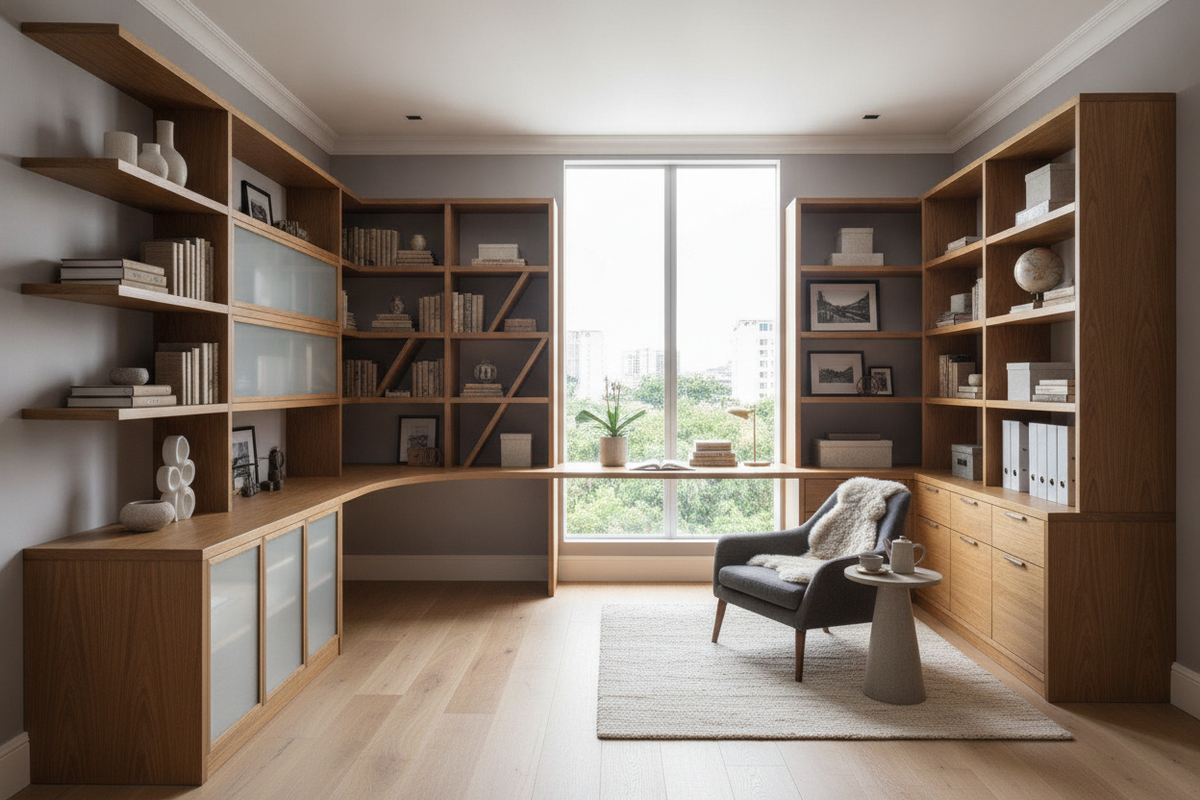
When floor area is limited, a metal l-shaped desk with hutch takes advantage of vertical room height. Metal hutch frameworks secure directly to the rear desktop perimeter or frame uprights, providing elevated shelves for reference books, secondary audio gear, and decorative accents. Because the support structures utilize slim metal profiles, these overhead units deliver substantial vertical organization without creating a dark, enclosed feeling on the main working surface.
Lower Pedestals and CPU Platforms
Lower storage components in hybrid desks often include open steel wire shelves, elevated desktop monitor risers, or dedicated bottom platforms designed to keep computer towers off the floor. Some designs combine wood-grain drawer pedestals with open metal shelving, giving users a mix of concealed storage for sensitive documents and easily accessible open bays for peripherals.
Multi-Zone Workflow Planning for Tech and Productivity
A dedicated metal l-shaped computer desk naturally promotes efficient workflow separation. Dividing your desk into clear operational zones prevents hardware, accessories, and paperwork from encroaching on each other:
- Primary Computing Zone: Place ultrawide screens, dual monitors, or laptop docking stations along the main desktop wing where viewing angles and keyboard alignment are centered.
- Analog and Reference Zone: Utilize the secondary return wing for handwritten notes, physical paperwork, drawing tablets, or reading materials.
- Peripherals and Power Management: Use the interior 90-degree corner apex for desk lamps, power distribution hubs, or speaker systems, utilizing the metal framework below to conceal and guide cable runs with magnetic ties or clips.
Assembly, Leveling, and Floor Protection Strategies
Proper assembly is critical to ensuring your desk remains rigid and level over years of use. Because an L-shaped configuration relies on precise alignment between two perpendicular surfaces, following methodical installation practices will prevent uneven joints:
- Loosely Assemble Before Tightening: Fasten all frame bolts partially to allow slight movement while aligning the corner wood seam, tightening them securely only after the desktops are perfectly flush.
- Utilize Adjustable Leveling Glides: Most metal leg systems include threaded leveling feet. Adjust each foot individually to compensate for floor imperfections and eliminate frame rocking.
- Floor Surface Protection: When assembling on hardwood, laminate, or tile, ensure the protective rubber or plastic glide caps are intact, or add felt pads beneath the contact points to avoid surface scuffs during minor adjustments.
Styling and Interior Integration
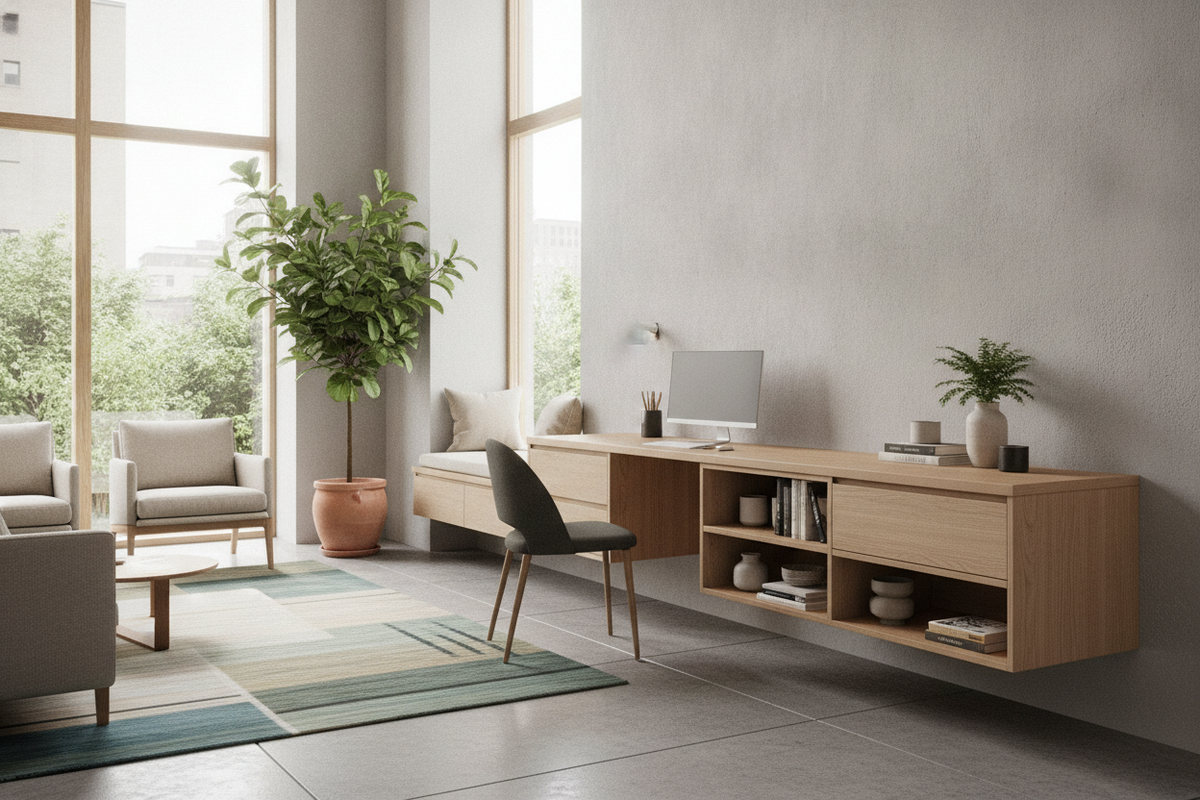
Integrating an l-shaped wood and metal desk into your home decor is straightforward thanks to its versatile mixed-material palette. In urban or industrial-themed rooms, desks with dark matte black steel legs and weathered oak or walnut finishes pair naturally with exposed brick, neutral wall tones, and metal task lamps. For modern Scandinavian or minimalist interiors, pairing natural light ash or pine surfaces with white powder-coated frames creates an open, luminous work environment.
If you are exploring creative ways to integrate office spaces into shared living rooms, reviewing solutions in a computer desk guide offers additional spatial perspectives. Selecting complementary storage units and matching seating ensures your corner workstation functions as a cohesive, attractive anchor within the broader room layout.

Laisser un commentaire
Ce site est protégé par hCaptcha, et la Politique de confidentialité et les Conditions de service de hCaptcha s’appliquent.