

Creating an effective workspace requires a balanced seating foundation that adapts to physical movements throughout the day. Selecting better back office chairs involves more than choosing a visually appealing design; it requires examining mechanical adjustments, supportive curves, and spatial compatibility with existing furniture. When configured thoughtfully, ergonomic task seating supports natural upright alignment and fluid transitions between focused work and reflective tasks.
The Anatomy of Back Support: Key Mechanisms in Ergonomic Seating
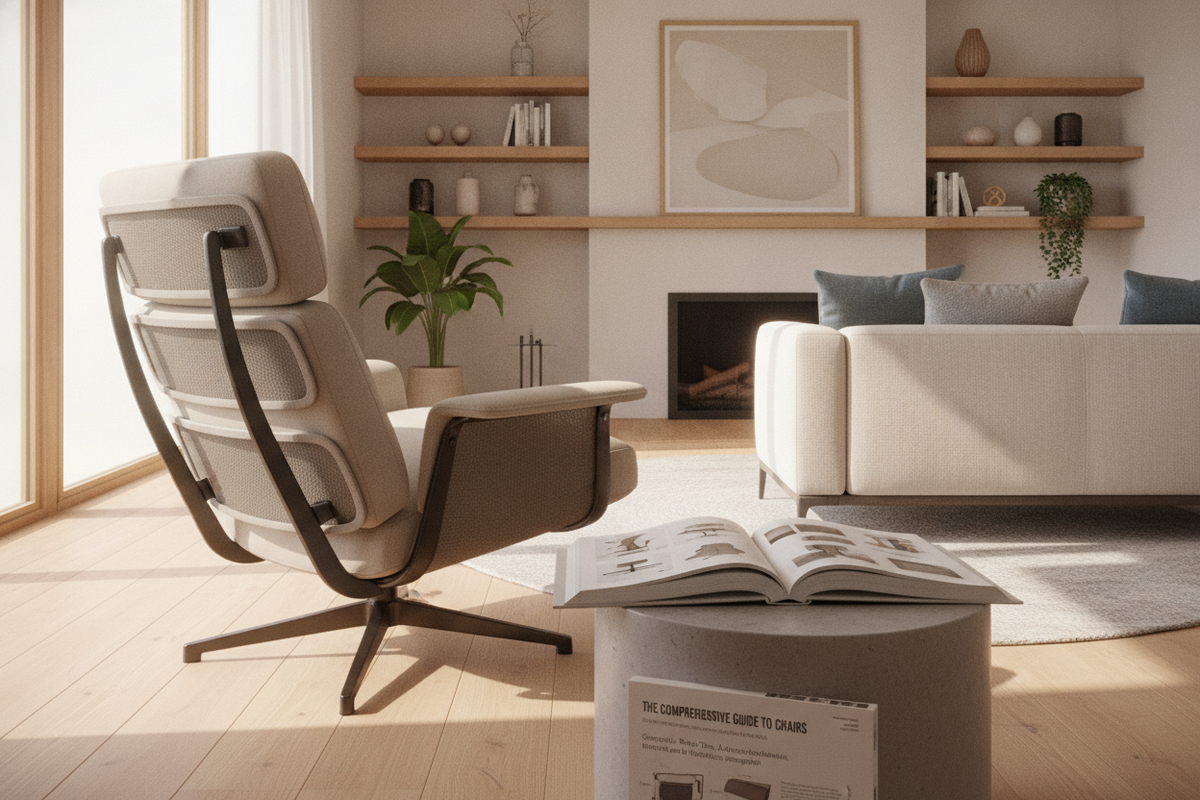
The primary role of back-supporting task seating is maintaining the natural curvature of the spine while seated. A well-engineered ergonomic chair back incorporates structural contours that follow the natural S-shape of the lumbar region. This prevents unintentional slouching and encourages an upright, balanced posture during extended working sessions.
Ergonomic backrests generally fall into two categories:
- Passive Contoured Backrests: Fixed, curved frames shaped to support standard seated postures without manual repositioning.
- Active Multi-Point Systems: Adjustable lumbar panels that allow users to raise, lower, or adjust depth tension to align precisely with their lower spine.
Dynamic recline mechanisms also play a significant role in posture management. Synchronous tilt systems allow the backrest and seat pan to tilt in harmony, opening the hip angle and reducing pressure along the lower back when leaning back. For a comprehensive overview of mechanism types and chair frame designs, consult our detailed office chair selection guide.
Seat Pan Dimensions and Spatial Fit: Matching Chairs to Body Geometry
Back support is directly influenced by how the lower body interacts with the seat pan. An ergonomic chair for back comfort must provide proper seat depth, width, and front-edge contouring to ensure balanced weight distribution across the seat cushion.
Key dimensional elements to consider include:
- Seat Depth and Slider Controls: A seat pan that is too deep can place pressure behind the knees, pulling the user away from the backrest. Adjustable seat sliders help maintain a comfortable gap between the edge of the seat and the back of the knees, ensuring full contact with the lumbar support.
- Waterfall Front Edges: A downward-sloping front edge encourages healthy thigh circulation and prevents pressure build-up under the legs.
- Seat Height Ranges: Pneumatic height cylinders allow the feet to rest flat on the floor, stabilizing the pelvis and reducing rotational strain on the spine.
When searching for dependable chairs for bad backs office setups require seating options that accommodate individual proportions rather than relying on one-size-fits-all dimensions.
Material Durability and Breathability: Mesh, Molded Foam, and Upholstery
The choice of materials directly impacts long-term comfort, structural responsiveness, and ambient temperature regulation. Different backrest and seat cushion materials offer distinct tactile and mechanical qualities:
- Tensioned Elastomeric Mesh: High-tensile mesh provides responsive, weight-distributing support that contours to the body while maximizing airflow. Breathable mesh is particularly advantageous in warmer climates or compact home offices where airflow is limited.
- High-Density Molded Foam: Molded foam provides firm, resilient support that retains its shape over years of daily use. It provides dependable cushioning that prevents bottoming out on the underlying seat pan frame.
- Layered Upholstery and Fabrics: Fabric-covered cushions offer a classic aesthetic and structured padding, balancing firm structural support with a soft surface touch.
Selecting the right material balance ensures that an ergonomic chair back remains supportive and comfortable through varied seasons and work routines.
Workstation Integration: Pairing Back Support Seating with Desks and Storage
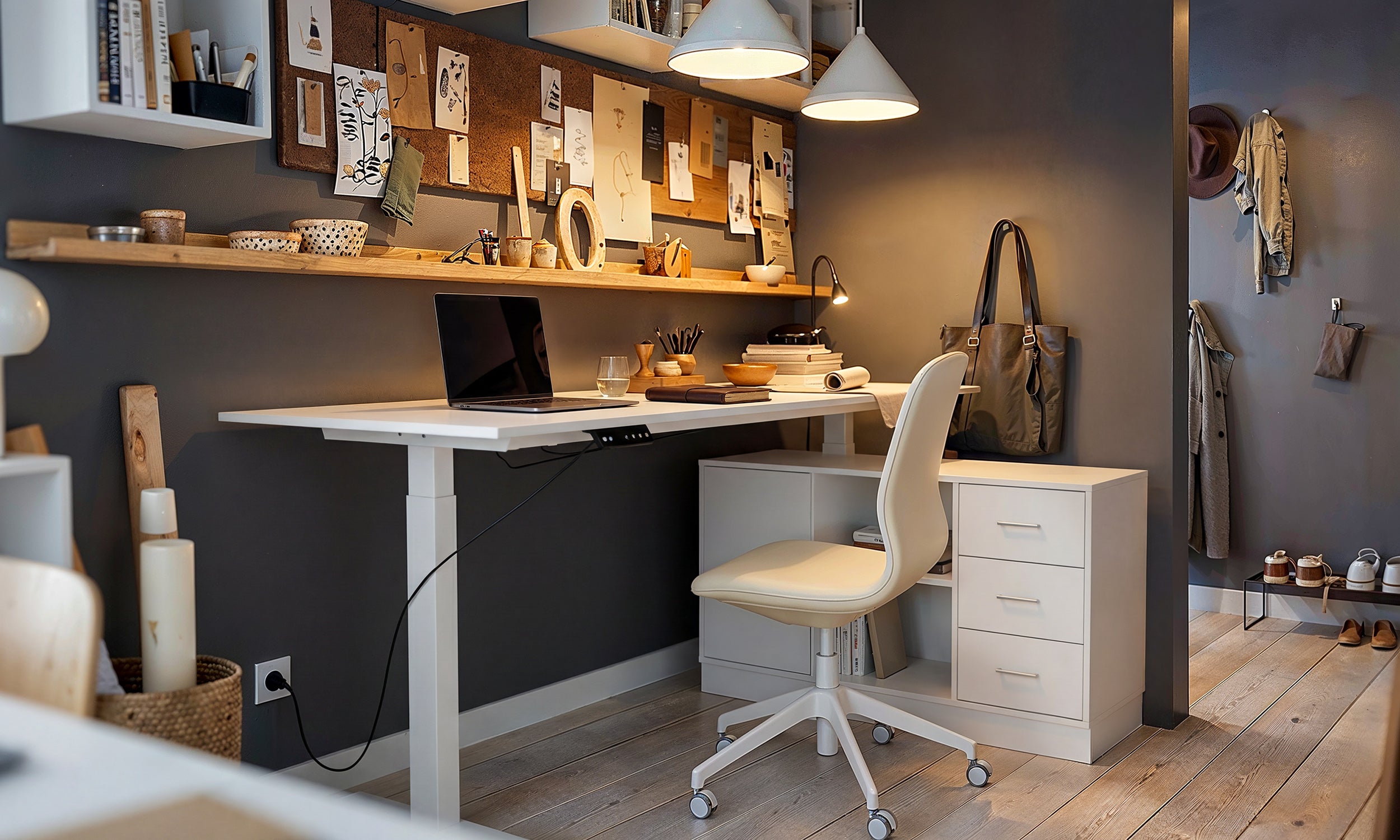
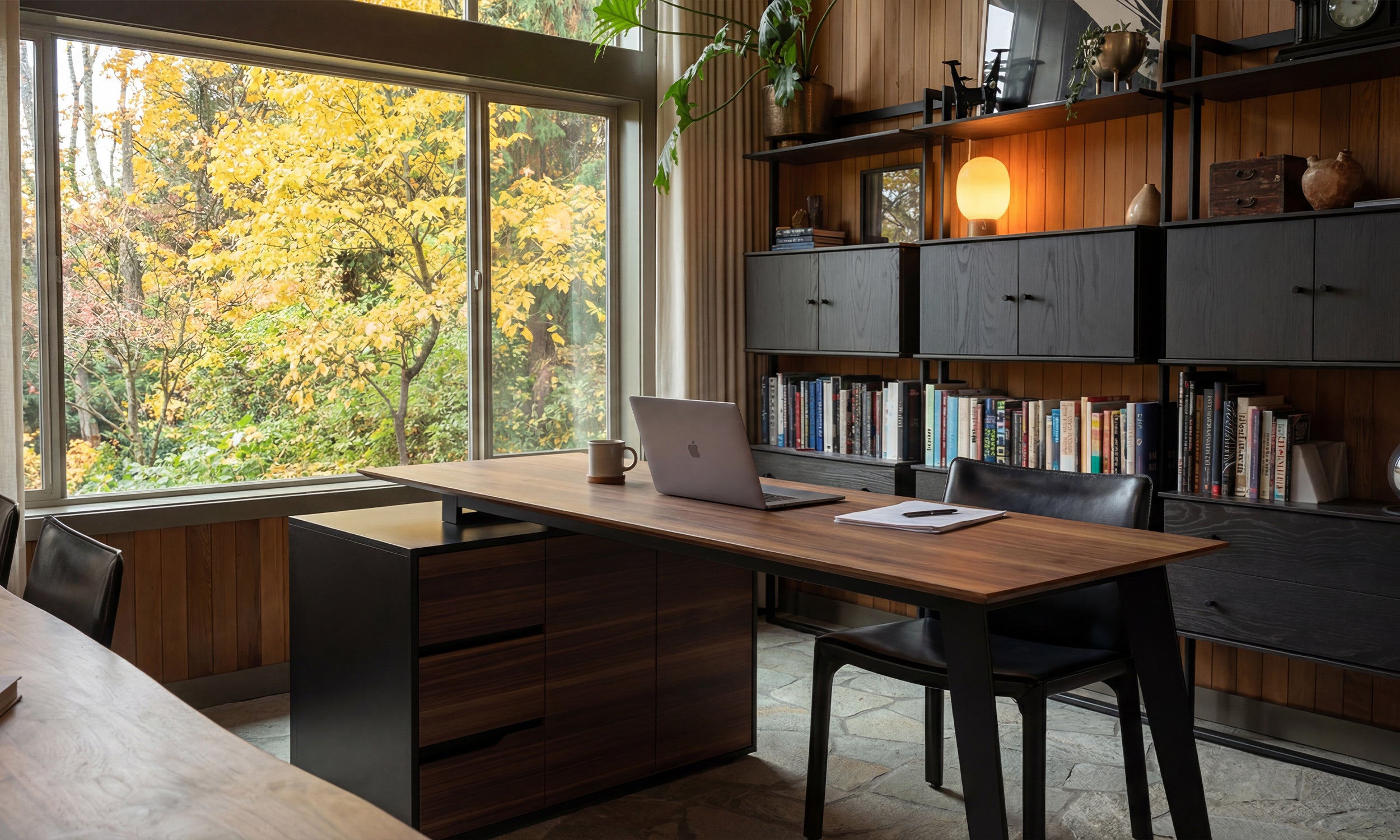
A high-performance chair functions best when integrated seamlessly into a broader workstation layout. Finding effective office chairs for back relief involves coordinating the chair's adjustable armrests and base clearance with the height and layout of your work surface.
Consider these spatial clearances and layout factors:
- Armrest Clearance: Adjustable armrests should slide comfortably beneath the desk surface or keyboard tray, allowing the user to sit close enough to work without leaning forward.
- Under-Desk Legroom: Ensure that desk legs, cable trays, and mobile storage pedestals leave sufficient clearance for smooth chair swiveling and recline.
- Dynamic Posture Transitions: Pairing supportive seating with a height-adjustable sit-stand desk enables smooth alternations between sitting and standing, encouraging healthy movement and reducing static fatigue throughout the day.
Assembly Protocols, Maintenance, and Ambient Workspace Harmony
To preserve the structural integrity and smooth operation of your seating, regular maintenance and proper initial setup are essential. When unboxing and assembling your chair, follow systematic steps to ensure stability and longevity:
- Hardware Alignment: Fasten all structural bolts evenly in a cross pattern before fully tightening to ensure the mechanism sits level.
- Caster Selection: Match casters to your floor surface—soft rubberized wheels protect hard floors, while firmer dual-wheel casters roll smoothly on low-pile carpets.
- Periodic Tightening: Check and retighten armrest and mechanism hardware every few months to eliminate mechanical play and maintain proper alignment.
Finally, position your seating thoughtfully within your room layout. Coordinating your workspace with a balanced home office lighting plan helps reduce unconscious leaning toward screen glare, reinforcing the physical support provided by your chair.


Laisser un commentaire
Ce site est protégé par hCaptcha, et la Politique de confidentialité et les Conditions de service de hCaptcha s’appliquent.