


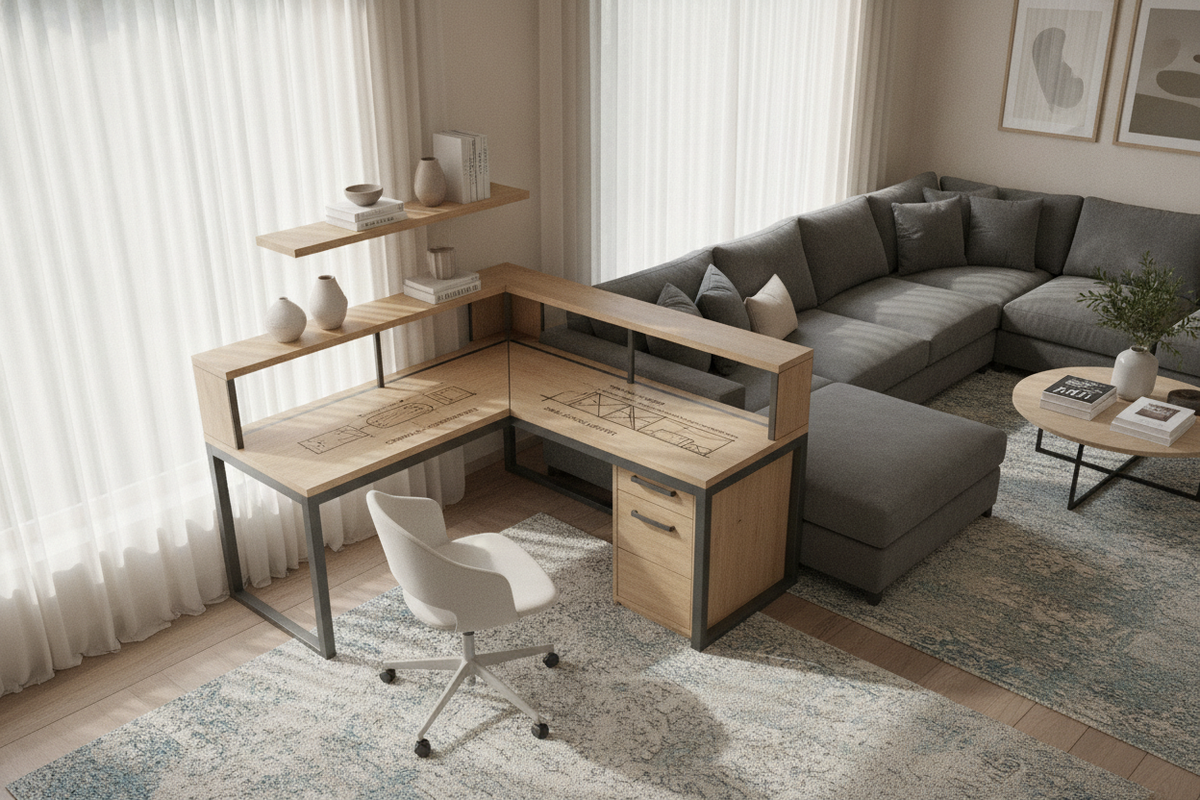
Finding dedicated room for a workstation in a compact apartment, studio, or multi-use bedroom often feels like a constant trade-off between surface space and floor circulation. Traditional rectangular desks project out into walkways, consume substantial wall spans, and frequently leave awkward, unusable gaps along perimeter edges. A thoughtfully engineered small corner desk resolves this tension by turning an overlooked 90-degree junction into an ergonomic, self-contained productivity hub.
The Strategic Value of the Small Corner Desk in Compact Living
Unlocking Dead Corner Zones for Productive Work
In standard architectural layouts, room corners frequently turn into visual voids or collection zones for clutter. Placing a specialized corner surface across these convergence points activates square footage that would otherwise sit idle. Rather than intruding on main walking paths, a compact corner workstation or a surface selected from a versatile writing computer desk collection anchors the eye toward the room perimeter, preserving an open floor plan while giving remote work tasks a dedicated zone.
Visual Balance and Traffic Flow in Multi-Functional Spaces
Preserving sightlines is essential when designing small home offices or hybrid living areas. Bulky desks positioned along straight walls break up open wall expanses and can make modest rooms feel divided. In contrast, corner desks tuck neatly against adjacent walls, allowing natural light from nearby windows to flow unimpeded. This placement maintains clear walking paths between entryways, seating areas, and storage pieces.
Corner Desk Structural Archetypes: Selecting the Right Shape
Triangular Wedge and Pentagonal Desks: Maximum Corner Utilization
True triangular corner wedges and five-sided pentagonal desks represent the most space-conscious silhouettes. By placing the deepest portion of the tabletop directly in the apex of the corner, these desks position computer monitors at an optimal focal distance without demanding excessive wall length. The angled front edge accommodates an office chair naturally, making them ideal for tiny bedroom corners and compact study nooks.
Compact L-Shaped Desks: Dual Surface Zones on a Petite Footprint
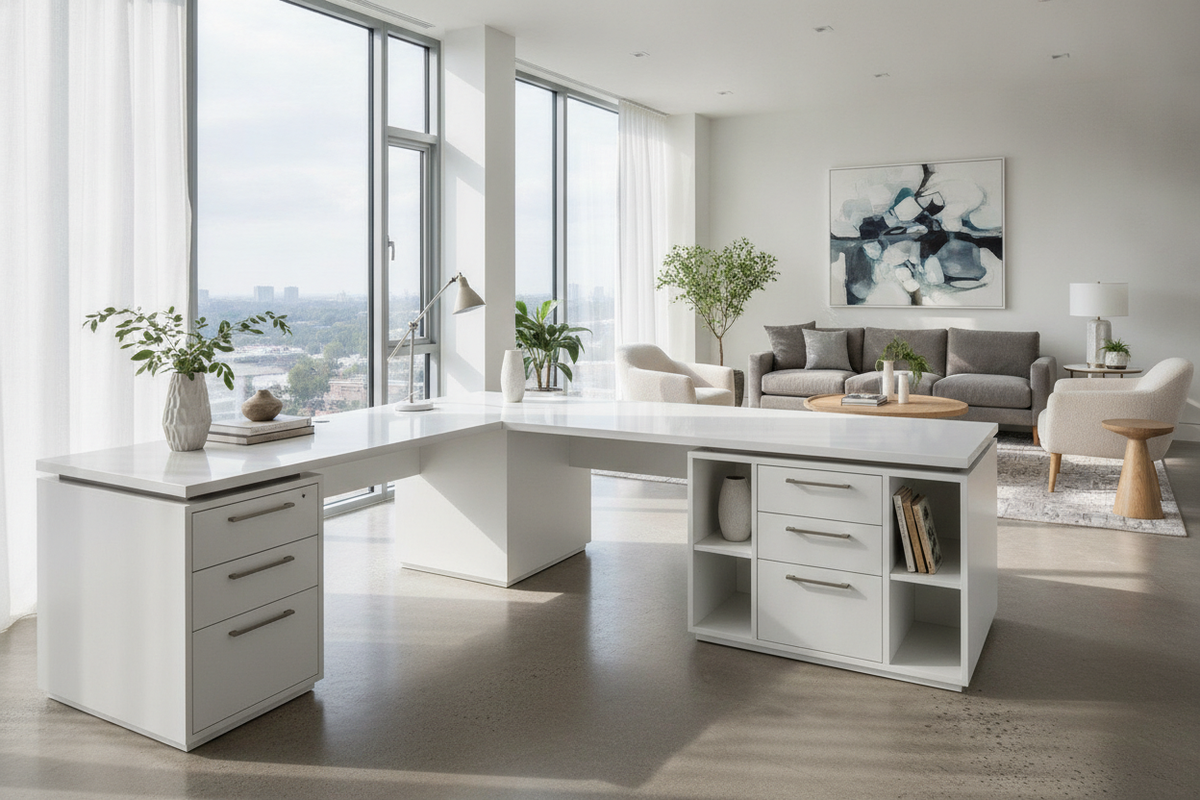
For individuals managing multiple devices or requiring both computer and paper-based work areas, a mini L-shaped desk provides two distinct work wings. One side typically serves as the primary keyboard and screen station, while the secondary return houses printers, stationery, or reference material. When scaled for small spaces, asymmetric returns keep overall footprints manageable while doubling practical surface area.
Slim Diagonal and Wall-Mounted Floating Corner Workstations
When floor area is exceptionally restricted, floating corner desks mounted directly to wall studs offer a minimal footprint. By removing lower support legs entirely, floating workstations open up floor space for low storage baskets or footrests. For more inspiration on fitting functional desks into unconventional alcoves, exploring a practical stylish work desk guide offers useful insights into optimizing challenging architectural angles.
Dimensional Sizing Categories and Clearance Planning
Micro Corner Footprints for Petite Alcoves and Hallway Nooks
Micro corner desks are tailored for laptop users and minimalists who require only a notebook, device, and task lamp. These designs emphasize shallow side depths along each wall, ensuring the structure does not encroach on surrounding passage doors or nearby closet clearances.
Standard Compact Dimensions for Dedicated Bedroom Workstations
Standard compact corner desks expand wall side lengths slightly to accommodate dedicated monitors, desktop risers, and peripheral accessories. This scale works exceptionally well along secondary bedroom walls, fitting comfortably between dressers and window trims without overpowering domestic decor.
Seating Clearance and Chair Pull-Out Radius Management
A critical consideration often missed during planning is chair clearance. Because corner desks place the seated user at an angle, the chair rolls backward diagonally into the room. Maintaining unobstructed clearance behind the desk edge ensures comfortable movement without colliding with bed frames, sofas, or adjacent furniture.
Integrated Storage Architecture for Small Workstations
Under-Desk Shelving, Open Racks, and Compact Drawers
Because corner desk surfaces are naturally streamlined, integrated lower storage is essential for maintaining a tidy, clutter-free desktop. Lower corner shelves beneath the desktop take advantage of the deep corner void to support computer towers, storage bins, or file organizers. Choosing a modern minimalist corner workstation equipped with built-in lower shelves ensures work essentials stay organized without requiring separate filing cabinets.
Vertical Overhead Hutches and Wall-Mounted Tiering
When horizontal footprint is limited, building upward is the most effective organization strategy. Desks with attached corner hutches or overhead tiering utilize wall height for books, desktop speakers, and decorative items. As highlighted in this dedicated desk with shelves and drawers guide, coordinating vertical shelving with desk surfaces creates a cohesive storage system that keeps everyday supplies within arm's reach.
Cable Routing and Power Strip Concealment in Tight Corners
Tight corners naturally collect stray wiring from computers, monitors, and task lamps. Prioritizing corner desks with built-in grommets or desktop cutouts allows cords to pass smoothly down behind the apex. Mounting a surge protector beneath the desk surface or securing cables along frame legs prevents tangles in the footwell.
Multi-Room Placement Strategies and Functional Use Cases
Bedroom Corner Workstations: Harmonizing with Wardrobes and Bed Frames
Integrating a workstation into a bedroom requires careful balance between restful aesthetics and functional ergonomics. Placing a corner desk opposite the bed or aligning it alongside a space-saving storage wardrobe cabinet maintains cohesive cabinet lines across the room. Neutral finishes, such as clean white, warm natural wood, or soft gray, help the desk blend seamlessly into sleep-oriented spaces.
Living Room Corner Alcoves: Blending Utility with Everyday Decor
In shared living spaces, a corner desk should complement existing entertainment consoles and sideboards. Selecting a desk with minimalist metal framing or warm wood grain surfaces allows the work zone to function as an attractive accent table when the workday ends, rather than looking like an out-of-place corporate fixture.
Dedicated Laptop Desks and Writing Nooks for Home Offices
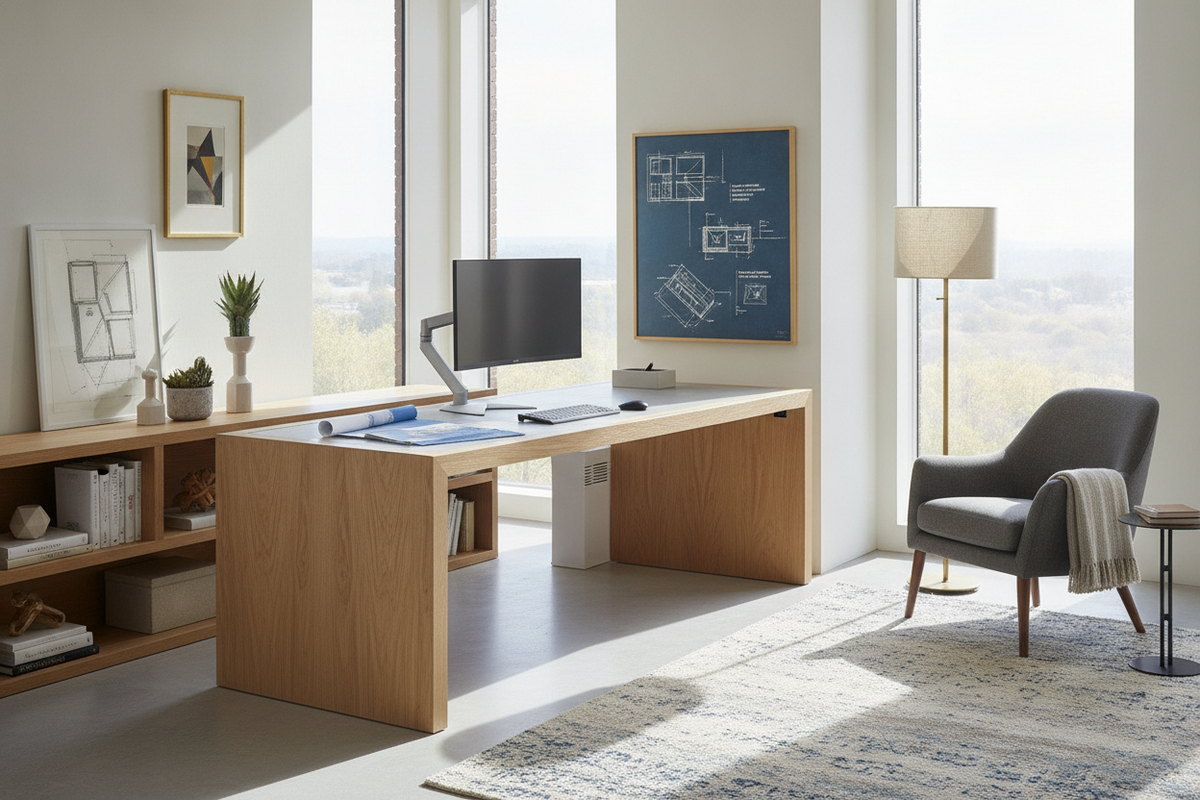
For dedicated home offices, corner desks provide a focused, distraction-free vantage point. Facing inward toward the corner minimizes peripheral distractions from doorways and windows, creating an immersive setting suited for writing, research, and deep focus sessions.
Material Selection, Frame Stability, and Assembly Planning
Engineered Wood, Metal Supports, and Surface Finishes
Selecting durable materials ensures your workstation withstands daily use while maintaining its structural integrity. Sturdy engineered wood panels with scratch-resistant laminates provide smooth writing surfaces that resist moisture and wear. Combined with powder-coated steel leg frames, these desks deliver dependable stability on a lightweight footprint.
Base Stability, Wall Anchoring, and Leveling on Uneven Floors
Older homes and apartment buildings frequently have slightly uneven flooring along perimeter baseboards. Corner desks with adjustable leveling glides allow you to balance the frame easily, preventing desktop wobble. For tall units featuring integrated hutches, securing top panels with anti-tip wall brackets provides added stability and peace of mind.
Assembly Sequencing and Tool Preparation for Confined Corners
Assembling furniture directly inside a narrow corner can be challenging. Construct the main desktop and frame components in an open area of the room before sliding the completed structure into its final position. Ensuring adequate clearance to tighten rear hardware makes the setup process smooth and efficient.
Decision Framework: Selecting the Ideal Small Corner Desk
Matching Workspace Demands with Desk Form Factors
To choose the right configuration, evaluate your daily hardware and working habits:
- Laptop and Notebook Users: A triangular wedge or compact diagonal desk provides an unobtrusive surface with minimal floor impact.
- Dual-Screen and Multitask Workers: A compact L-shaped design offers dedicated monitor space alongside separate document sorting zones.
- Storage-Heavy Workspaces: A corner desk with lower shelving tiers or an integrated upper hutch keeps supplies organized without spreading into the room.
Long-Term Flexibility and Layout Reconfiguration
Consider how your workspace needs may evolve over time. Reversible L-shaped corner desks or modular units that adapt to both left-hand and right-hand corners provide the greatest long-term versatility, allowing you to reconfigure your furniture layout whenever you refresh your room or move into a new home.

Laisser un commentaire
Ce site est protégé par hCaptcha, et la Politique de confidentialité et les Conditions de service de hCaptcha s’appliquent.