

Selecting the best office seats requires looking beyond surface aesthetics to understand the mechanical engineering, ergonomic architecture, and spatial harmony of your work environment. Whether furnishing an executive study or setting up a dedicated hybrid workspace, identifying the best comfortable office chairs involves assessing how structural components interact with daily posture demands and adjacent room storage. A cohesive workspace balances tactile luxury with practical support, as explored in our office comfort ergonomic guide.
Architectural Fundamentals of High-Performance Office Seating
The foundation of any high-tier seating solution lies in its ability to support dynamic posture throughout the working day. Static seating often leads to discomfort, while a well-engineered task chair adapts fluidly to natural shifts in movement, making it among the best ergonomic home office chair options for professionals.
Core Mechanical Anatomy: Tilt, Recline, and Lumbar Tension
Mechanical mechanisms govern how a chair articulates when you lean back or shift forward. Advanced seating frequently uses synchro-tilt mechanisms, where the backrest reclines at a greater ratio than the seat pan. This motion helps maintain feet placement on the floor while opening the torso angle. Integrated recline tension controls allow users to calibrate resistance against their body weight, while depth- and height-adjustable lumbar supports provide targeted bracing along the lower spine, making such designs a strong choice for the best supportive office chair.
Seat Pan Geometry and Edge Profiling
The contour and slope of the seat cushion determine weight distribution across the thighs and pelvis. When evaluating the best desk chair for comfort, prioritize a waterfall front edge—a gentle downward curve at the front lip of the seat. This profile relieves pressure behind the knees and encourages healthy circulation during extended typing sessions. Additionally, a seat pan slider allows users to adjust seat depth, ensuring adequate clearance between the calf and the cushion edge.
Dimensional Sizing Tiers for Office Seats
Not every workspace accommodates a heavy-set executive model, nor does every user require identical proportions. Matching chair scale to both user stature and room dimensions ensures ergonomic alignment and aesthetic balance.
Compact and Task Seating Profiles
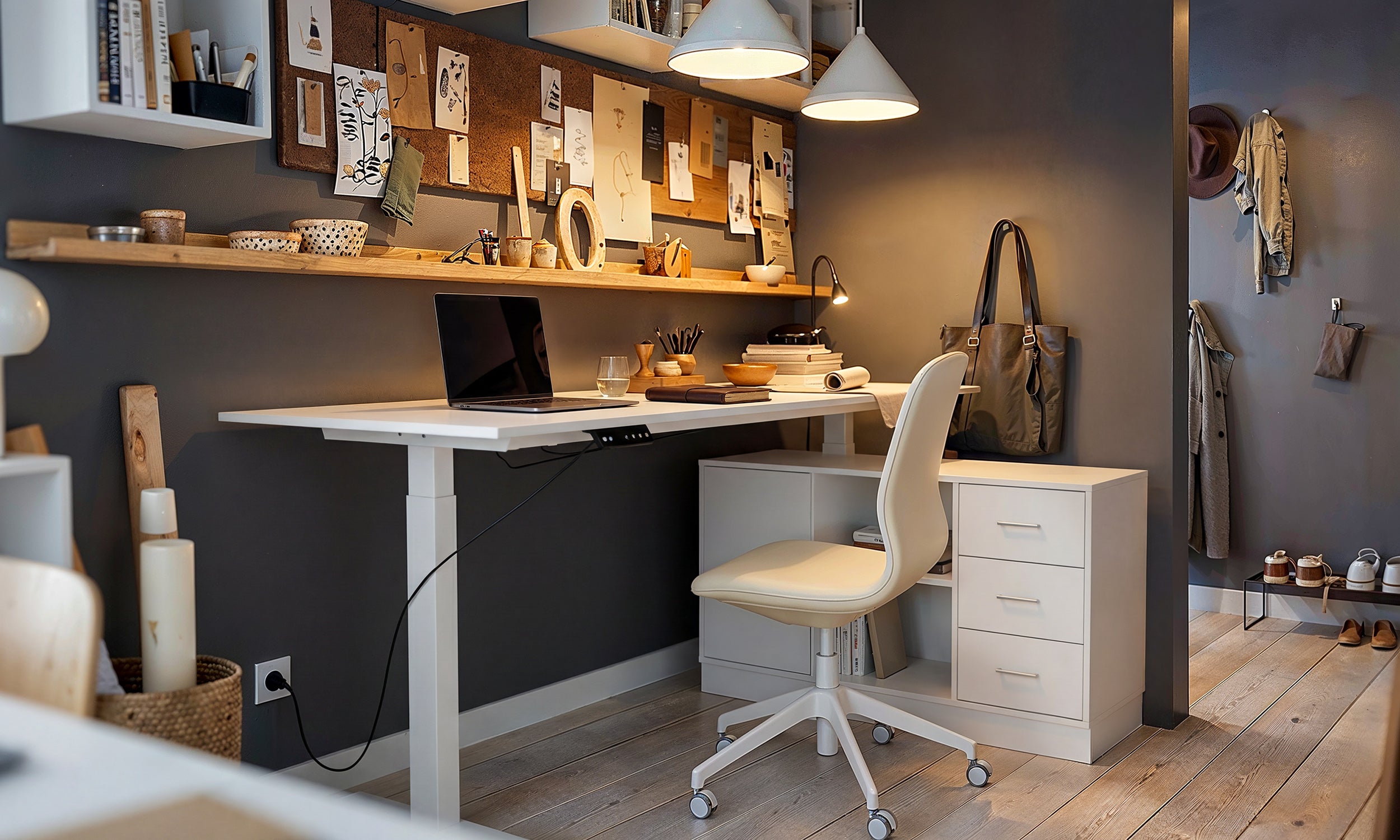
Compact task chairs feature streamlined silhouettes, narrower bases, and low-profile backrests. These models serve exceptionally well in multi-use alcoves, guest study corners, and combination dressing tables. For spaces where a traditional swivel base might overwhelm the room layout, pairing multi-functional furniture like a desk comfortable product provides structured seating without crowding circulation paths.
Mid-Back and High-Back Executive Silhouettes
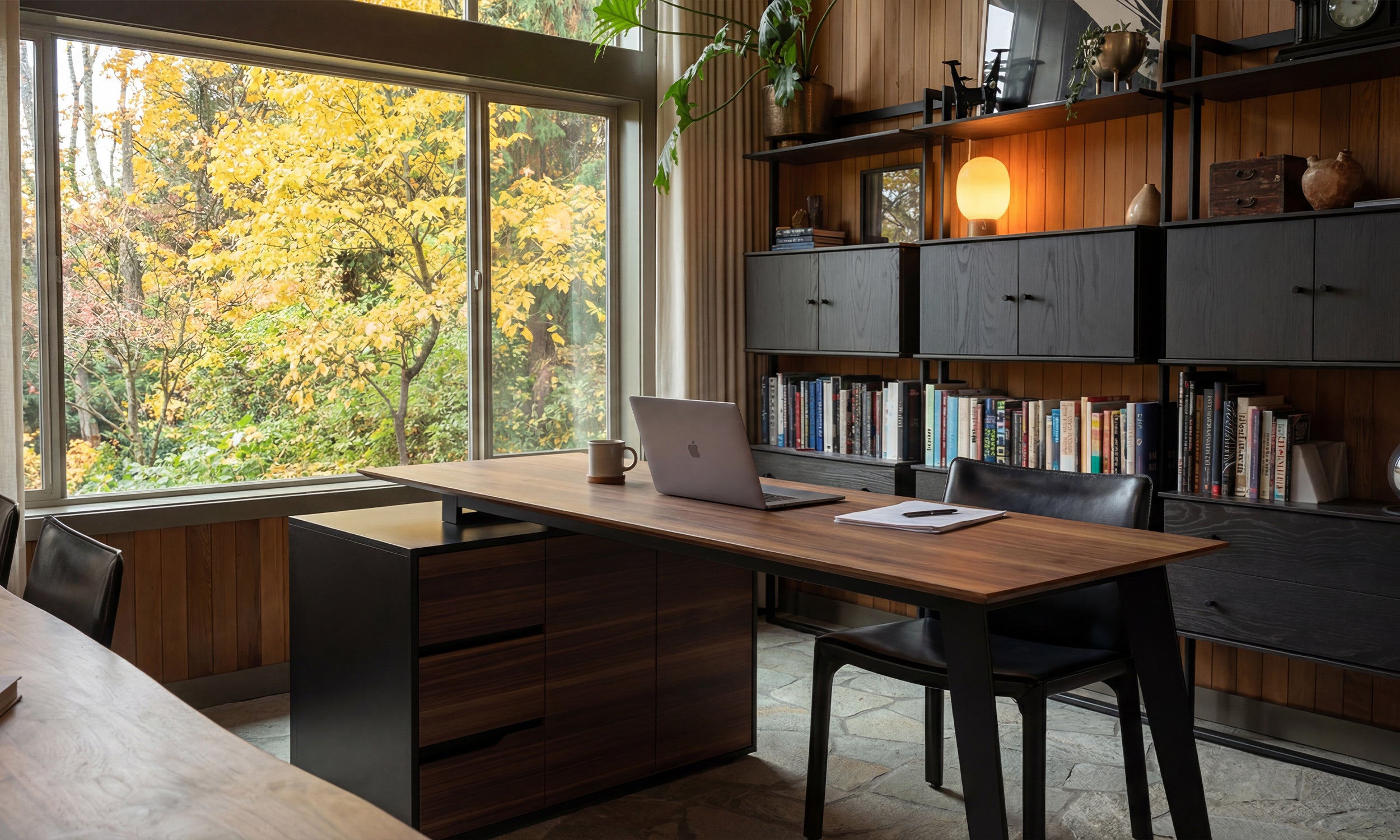
Mid-back seating supports the lumbar and thoracic regions, making it a versatile standard across home offices. In contrast, high-back and executive chairs extend support to the shoulders and neck, frequently incorporating integrated or articulated headrests. These larger silhouettes represent some of the best computer desk chairs for extended concentration sessions, provided the room footprint accommodates their wider five-star base and taller profile.
Material Selection: Breathable Mesh vs. Padded Upholstery
The material composition of the seat pan and backrest directly affects thermal regulation, tactile comfort, and long-term durability. Evaluating material properties helps determine the best quality office chairs for individual climate and maintenance preferences.
Thermal Dissipation and Suspension in Mesh Backrests
Elastomeric suspension mesh offers continuous air circulation, dissipating heat and humidity in warmer environments. High-grade mesh flexes along spinal curves, distributing pressure without rigid contact points. When choosing mesh, inspect the frame edge cushioning to prevent the outer structural rim from exerting pressure against the shoulder blades.
Foam Density, Cushion Longevity, and Upholstered Care
High-density molded foam cushions provide long-term firmness and resist bottoming out over years of use. Upholstery choices like woven commercial textiles, faux leather, and top-grain leather offer varied tactile experiences:
- Woven Fabric: Offers high breathability, warm visual texture, and diverse color coordination with interior schemes.
- Smooth Leather & Synthetic Upholstery: Provides a refined aesthetic, easy wipe-down cleaning, and resilient wear against liquid spills.
- Layered Padding: Combines a dense base core with softer top foam for an immediate feeling of plush comfort.
Workstation Clearances and Storage System Coordination
An office chair does not operate in isolation; it must integrate seamlessly with desks, drawer units, and surrounding cabinetry. Exploring dedicated workstations, such as a versatile computer desk collection, ensures your chair dimensions align with desktop height and leg clearance.
Armrest Clearance and Knee Well Depths
To maintain proper typing ergonomics, armrests should slide comfortably beneath the desk surface when the chair is pulled forward. Height-adjustable, width-adjustable, and multidirectional arm pads allow you to rest forearms naturally parallel to the work plane. When organizing enclosed or hideaway work areas, reviewing layout strategies in a computer desk office guide can prevent armrest interference with cabinet doors and narrow knee wells. For dynamic rooms with multi-height desks, using a desk adjustable product helps bridge diverse seating heights.
Flooring Transitions and Mobile Base Stability
A stable five-star mobile base provides tipping resistance during recline and swivel motions. Caster selection should correspond directly to your flooring type: soft polyurethane casters prevent scuffing on hardwood, laminate, or tile, while hard nylon wheels glide smoothly across low-pile carpets.
Assembly, Maintenance, and Longevity Checklist
Ensuring your seating investment performs reliably over the long term requires correct assembly and routine mechanical checkups:
- Pneumatic Cylinder Check: Confirm the Class-4 gas lift operates smoothly across its vertical range without sticking or unexpected downward drift.
- Fastener Tightening: Inspect and torque armrest, mechanism, and backrest bolts periodically to eliminate wobble or creaking.
- Caster & Base Cleaning: Regularly clear dust, fibers, and hair from wheel axles to maintain effortless multi-directional rolling.
- Upholstery Care: Vacuum fabric weaves and condition leather surfaces according to care recommendations to preserve material elasticity.
By assessing mechanical adjustments, backrest dimensions, textile breathability, and desk integration, you can confidently select the best office seats tailored to your functional needs and home interior aesthetic.



Laisser un commentaire
Ce site est protégé par hCaptcha, et la Politique de confidentialité et les Conditions de service de hCaptcha s’appliquent.