


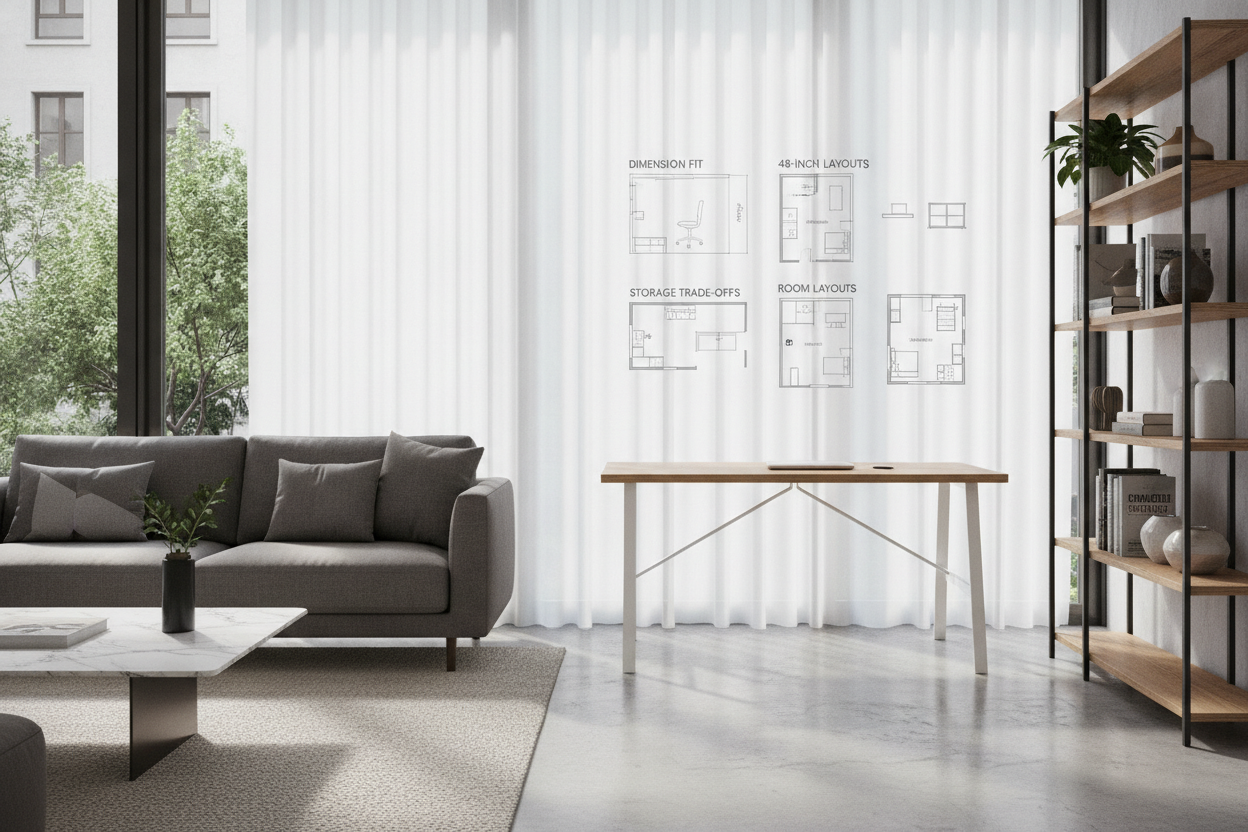
Understanding the 48-Inch Desk Footprint and Spatial Proportions
Choosing the right desk size is one of the most critical decisions when designing a productive workspace. The 48-inch desk width represents a classic mid-size standard that balances ample work surface with a footprint compact enough to fit into diverse residential rooms. Whether used as a dedicated computer station or a general writing surface, this width provides sufficient lateral space for everyday hardware while maintaining comfortable arm reach across the tabletop.
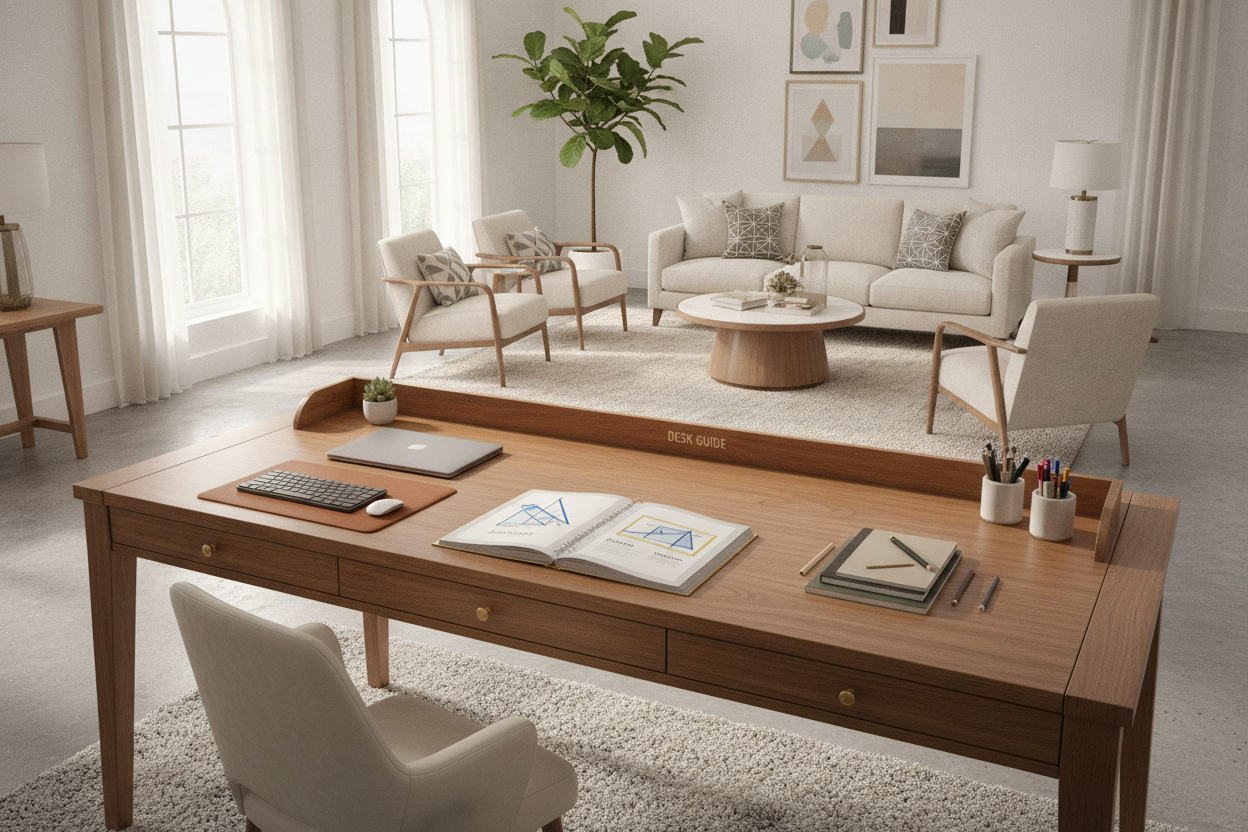
When evaluating this footprint, front-to-back depth plays an equally important role as width. Standard desktop depths generally accommodate display screens at a comfortable viewing distance while leaving room for an external keyboard and mouse pad. In addition to tabletop dimensions, planning for adequate clearance behind the desk chair is essential to ensure smooth movement and natural posture throughout the day. For detailed styling ideas and aesthetic arrangements, exploring an office desk guide can help you integrate this intermediate size seamlessly into your broader decor.
Room Layout Blueprints for a 48-Inch Desk Setup
Because the 48-inch profile is versatile, it adapts well to multiple architectural room configurations without overwhelming existing furniture. Depending on available square footage and lighting sources, several placement blueprints offer distinct functional advantages:
- Dedicated Wall Alignment: Positioning the desk flat against an accent or interior wall provides direct access to wall outlets while anchoring the visual boundary of a home office.
- Window-Adjacent Placement: Orienting the desk perpendicular to natural light sources reduces direct screen glare while offering refreshing sightlines during long focus sessions.
- Bedroom or Living Room Alcove: A four-foot width nests comfortably into structural recesses, turning underutilized architectural nooks into dedicated productivity hubs.
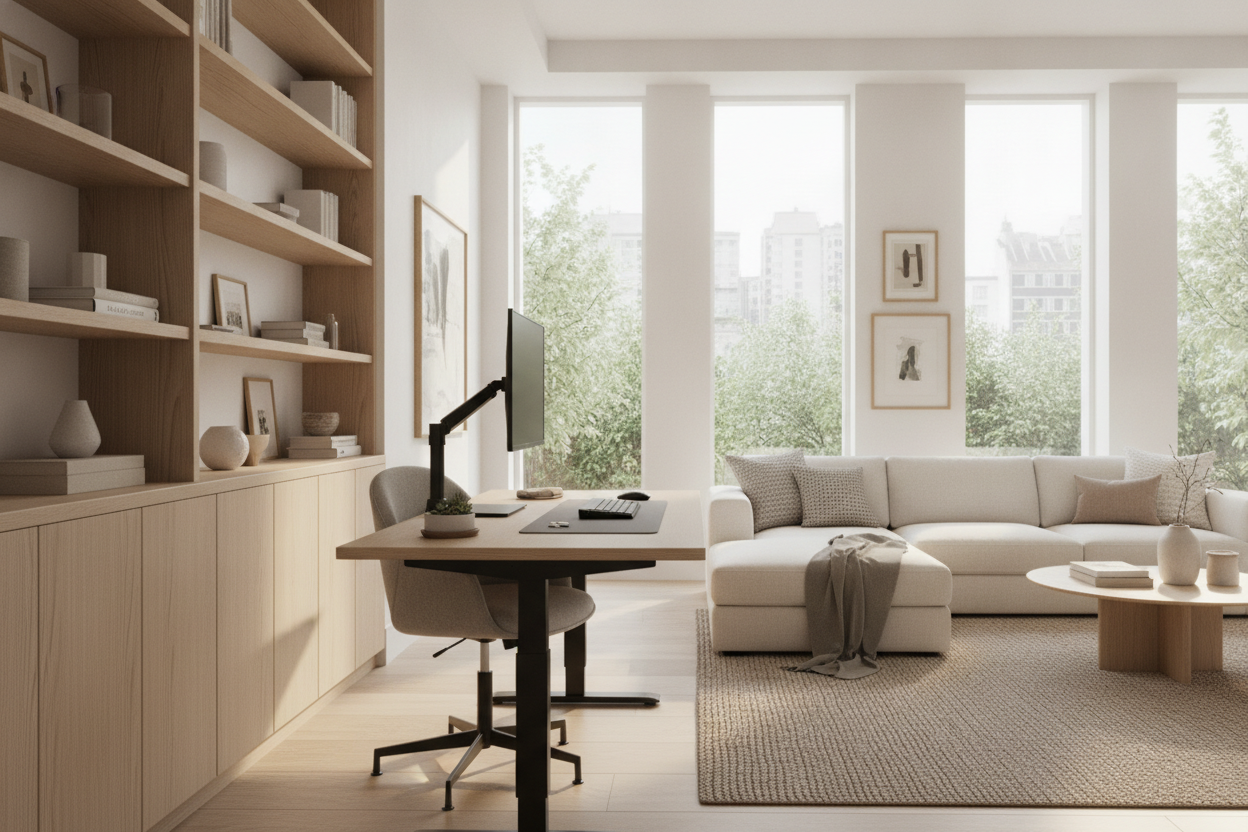
- Floating Room Divider: In open-concept spaces, positioning the desk facing outward into the room helps establish a clear functional separation between relaxation zones and work zones.
If your room geometry features challenging corner angles or requires an expansive return surface, considering an office computer desk product with an angled or L-shaped layout can provide an effective alternative for larger multi-zone arrangements.
Integrated Drawers vs. Open Frames: Evaluating Under-Desk Storage Trade-Offs
A core consideration when selecting a 48-inch desk is whether to prioritize integrated storage drawers or open under-desk legroom. Incorporating a pedestal of drawers directly beneath the desktop keeps office supplies, notebooks, and reference materials out of sight, helping maintain a clean work surface. However, a drawer pedestal occupies lateral knee space, which restricts side-to-side leg movement and may require a narrower office chair.
Conversely, an open-frame table silhouette maximizes knee clearance and offers total freedom of movement. Users who prefer open frames can supplement their organization with slender pencil drawers mounted directly beneath the desktop or standalone mobile filing units that roll aside when not needed. For individuals planning workspaces in unusually tight footprints, consulting a wide desk drawers guide provides helpful perspective on how compact drawer systems balance utility and spatial economy.
Surface Zoning Strategies for Single and Dual-Monitor Workflows
Organizing a 48-inch desktop effectively requires clear surface zoning to prevent visual clutter and maintain daily workflow efficiency. Dividing the horizontal plane into three functional zones allows seamless movement between digital and tactile tasks:
- Primary Focus Zone (Center): Reserve the central span for your primary screen, keyboard, and mouse pad. This keeps input devices directly aligned with your natural line of sight and shoulder width.
- Secondary Tech Zone (Left or Right): Use one side of the desktop for secondary equipment, such as an elevated laptop stand, a vertical tablet dock, or a compact desktop speaker.
- Analog Utility Zone (Opposite Side): Dedicate the remaining surface edge to non-digital essentials, including a task lamp, a notebook, writing instruments, and a coaster.
Using a clamp-on monitor arm or a low-profile desktop shelf can further free up central surface area, creating space underneath the display for cable management channels, hubs, and desktop organizers.
Material Selection, Frame Stability, and Long-Term Durability
The structural longevity and everyday tactile feel of a desk depend on material selection and frame engineering. Tabletops crafted from high-grade engineered wood with durable laminate or melamine finishes offer high resistance to daily wear, scratches, and minor liquid spills, making them straightforward to clean. Real wood veneer finishes introduce warm natural grain textures that complement traditional and transitional interior aesthetics.
Frame construction is equally vital for stability. Desks built with sturdy steel tube frames or reinforced panel aprons prevent wobbling during vigorous typing or writing. Look for models featuring adjustable leveling feet on the base legs; these allow you to compensate for slight unevenness in hardwood floors or area rugs, ensuring a stable and secure working platform.
Integrating Companion Storage for a Cohesive Home Office Aesthetic
While a 48-inch desk provides a balanced everyday work surface, demanding workflows often require additional capacity for filing archives, printer hardware, and decorative elements. Pairing your desk with matching organizational furniture maintains visual unity while keeping the primary workspace open and uncluttered.
Exploring an office storage collection allows you to identify coordinating lateral file cabinets, credenzas, and modular shelving units that match your desk finish. For multifunctional spaces, such as guest bedrooms or studio apartments that double as remote offices, incorporating a high-capacity wide drawers storage product ensures all personal wardrobe items, surplus office supplies, and tech accessories remain neatly organized behind closed doors.

Laisser un commentaire
Ce site est protégé par hCaptcha, et la Politique de confidentialité et les Conditions de service de hCaptcha s’appliquent.