


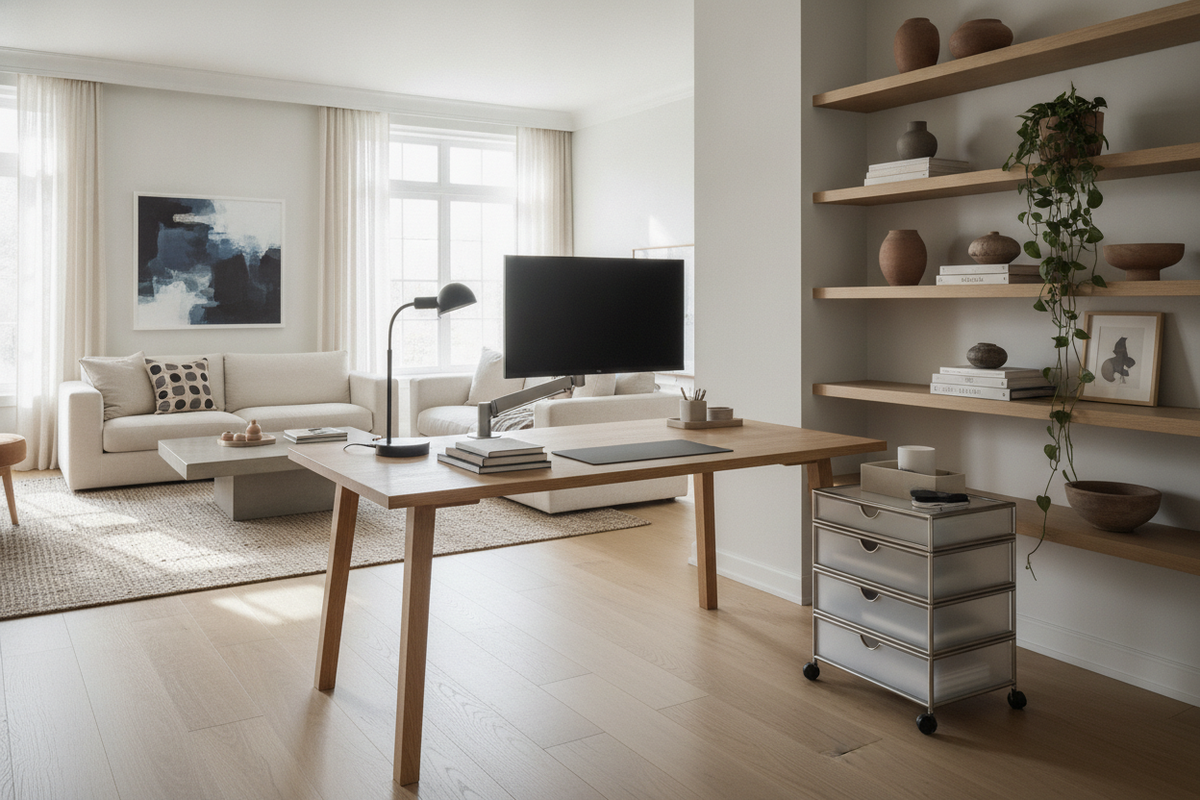
Finding the right desk at Target requires balancing aesthetic appeal, room dimensions, build construction, and everyday functional demands. Big-box retail collections present an extensive array of workstation designs, ranging from minimalist modern tables to multi-drawer study setups. Knowing how to evaluate these options helps you find a durable, comfortable workspace tailored to your everyday tasks, whether you need a dedicated computer station or a flexible study table.
Navigating Retail Desk Archetypes: Aesthetic Styles and Functionality
Mass-market furniture catalogs feature several primary desk styles, each tailored to distinct room layouts, interior decor themes, and daily usage patterns:
- Mid-Century Modern Writing Desks: Characterized by tapered wooden legs, slim profiles, and warm wood-grain veneers, these units excel as light-duty laptop stations in shared living rooms, entryways, or bedrooms.
- Minimalist Industrial Metal-Frame Tables: Featuring open steel legs and flat engineered tops, these designs offer an airy look and generous legroom, making them popular as a functional target computer desk.
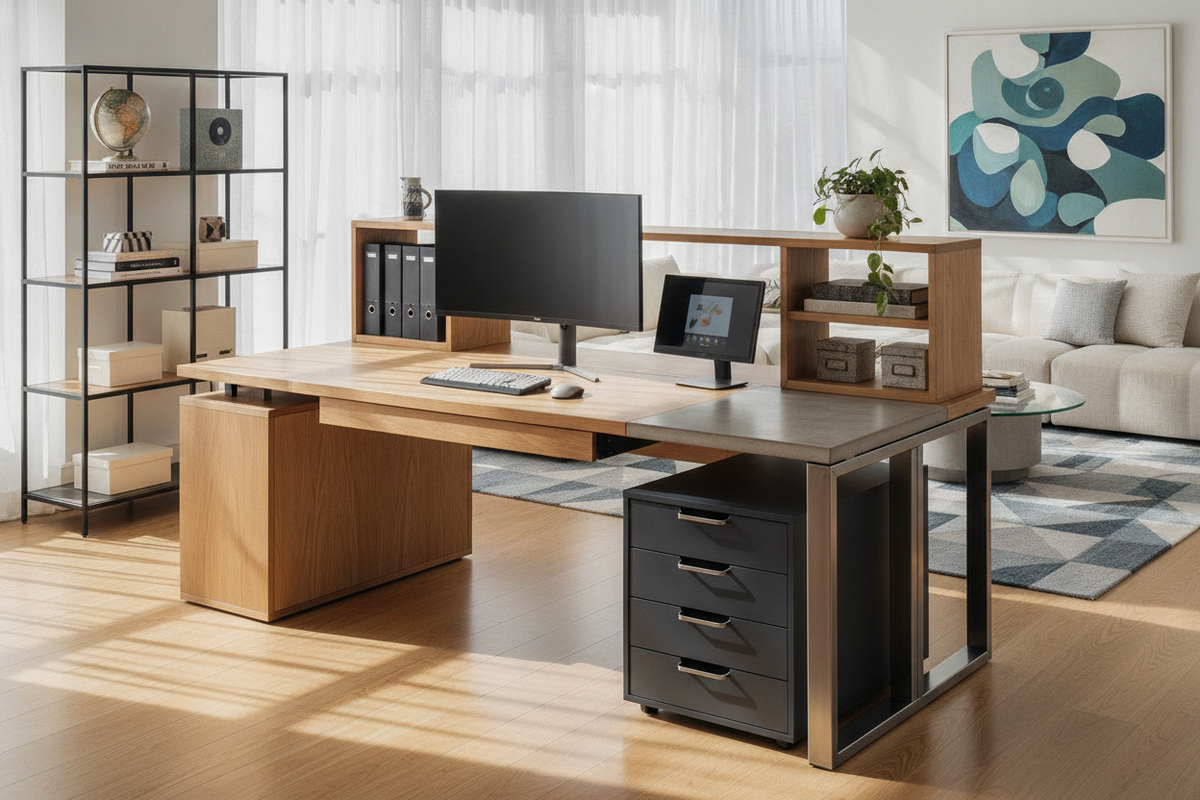
- Ladder and Leaning Shelf Desks: Built with integrated vertical shelving above the desktop surface, these units make efficient use of compact wall space in studio apartments and small bedrooms.
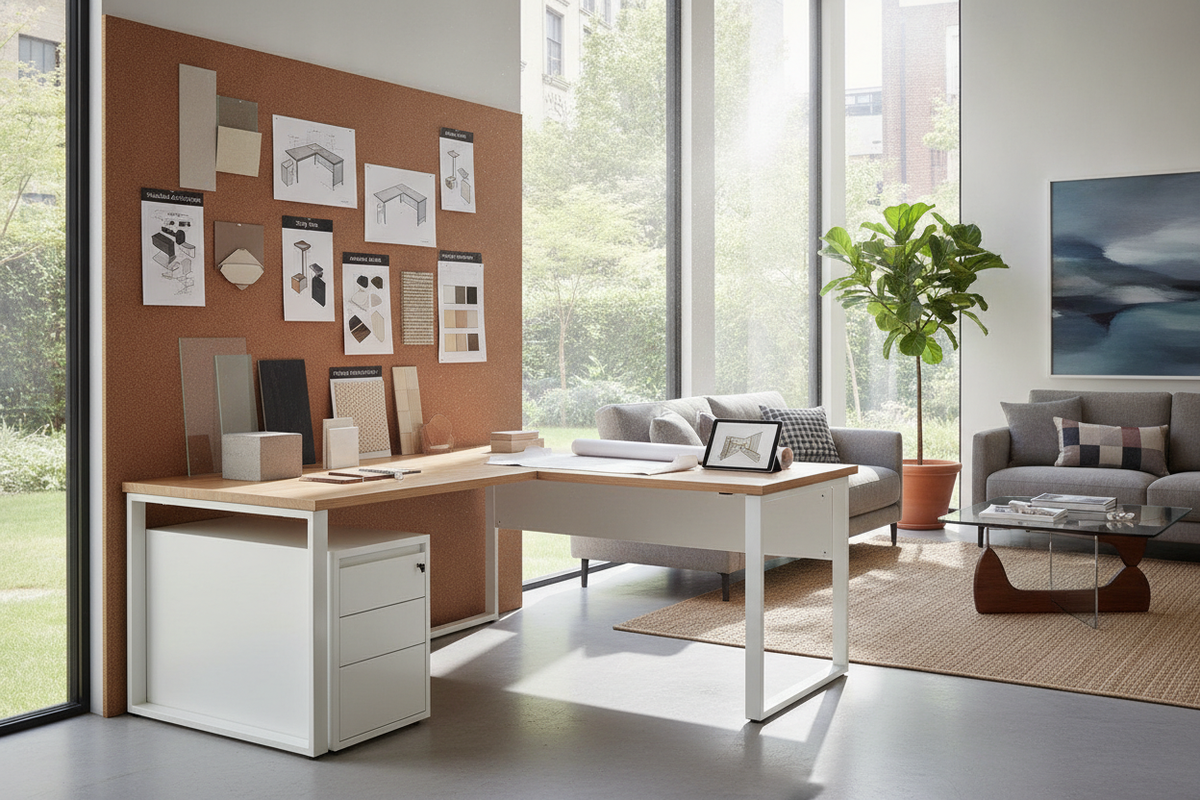
- Corner and L-Shaped Configurations: Designed to fit neatly into room corners, these formats maximize surface area for multi-monitor setups without crowding center floor space.
When curating a cohesive workspace, exploring an office study collection helps you coordinate desks with matching shelving, credenzas, and organizational cabinets for a balanced room aesthetic.
Dimensional Sizing Tiers: Matching Workstation Footprints to Room Scale
Choosing an appropriate target desk starts with assessing the proportions of your room and the gear you need to support on a daily basis:
Compact Studio Desks
Compact models focus on small footprints that fit easily inside studio apartments, guest rooms, or small bedroom alcoves. These streamlined tables comfortably accommodate a single laptop, a notepad, and a small task lamp while leaving primary room walkways completely unobstructed.
Standard Mid-Size Workstations
Standard desks provide balanced surface area for a desktop monitor, full-sized keyboard, mouse pad, and supplementary desktop accessories. This makes them a versatile match for remote professionals and students looking for a reliable target study table or daily work hub that fits standard residential wall spans.
Expansive and Corner Layouts
For dedicated home offices, corner units and wide tables provide separate zones for computer tasks, physical paperwork, and peripheral equipment like printers. Choosing an office computer desk product with integrated side shelving offers dedicated storage for desktop towers, reference books, and charging hubs without encroaching on primary elbow room.
Material Builds, Finishes, and Structural Stability
Mass-market desks rely on a range of modern materials engineered for accessible shipping, straightforward assembly, and routine resilience:
- Laminate and Melamine Finishes: Highly resistant to surface scratches, minor spills, and cup rings, protective laminate coatings safeguard the underlying engineered core board from daily wear and tear.
- Medium-Density Fiberboard (MDF) and Particleboard: These engineered wood cores keep furniture lightweight and budget-friendly, though they require careful alignment during hardware installation.
- Powder-Coated Steel Frames: Desks utilizing tubular steel understructures and cross-back bracing provide dependable lateral stability, significantly reducing wobble during rapid typing or gaming.
- Solid Wood Accents: Select furniture collections incorporate solid wood legs or edge banding, adding organic texture and long-term grounding to the base structure.
Storage Architecture: Drawers, Open Cubbies, and Vertical Hutch Additions
Integrated storage plays a major role in keeping smaller desktops clear and functional throughout long workdays:
Built-in shallow pencil drawers keep writing utensils, charging cables, and sticky notes tucked neatly out of sight. When choosing a desk with low-hanging drawers, verify that the bottom edge leaves comfortable vertical clearance for your thighs and chair armrests. For deeper organization strategies, reviewing a desk drawers office guide provides practical methods for sorting internal compartments and preventing drawer clutter.
For tasks requiring heavy digital hardware, choosing a computer desk drawers product equipped with elevated monitor shelves or integrated outlets keeps essential devices accessible while preserving open working space across the primary desktop surface.
In-Store Evaluation vs. Online Catalog Shopping: Inspection and Assembly Considerations
Whether you choose a target desk in store or order online for direct delivery, each shopping channel offers distinct advantages during workstation selection:
- In-Store Showroom Checks: Visiting a retail location allows you to physically test edge comfort, check finish tone under real lighting, and verify knee clearance and desk height firsthand.
- Online Catalog Variety: Web listings offer a much broader selection of specialized dimensions, colors, finishes, and storage configurations than limited retail floor displays can accommodate.
- Flat-Pack Assembly Best Practices: Use hand screwdrivers rather than high-speed power drills when tightening cam locks and wooden dowels to avoid stripping pre-drilled holes in engineered panels. Lay parts over soft rugs or cardboard packaging during assembly to prevent cosmetic surface scratching.
Multi-Functional Room Integration: Bedrooms, Living Areas, and Dual-Purpose Corners
In homes without a dedicated study, a bedroom desk target setup must blend smoothly with surrounding bedroom or living room furnishings:
Opt for neutral color schemes, such as soft whites, matte black, or natural oak tones, to help the workstation visually integrate with existing dressers and nightstands. Concealing power strips and bundling monitor cables against frame legs helps keep multi-use spaces feeling calm and organized.
If maintaining clear visual separation between work hours and relaxation is a priority, incorporating concepts from a computer desk office guide can help you integrate compact, closeable workstations that blend seamlessly into your broader residential interior design.

Laisser un commentaire
Ce site est protégé par hCaptcha, et la Politique de confidentialité et les Conditions de service de hCaptcha s’appliquent.