


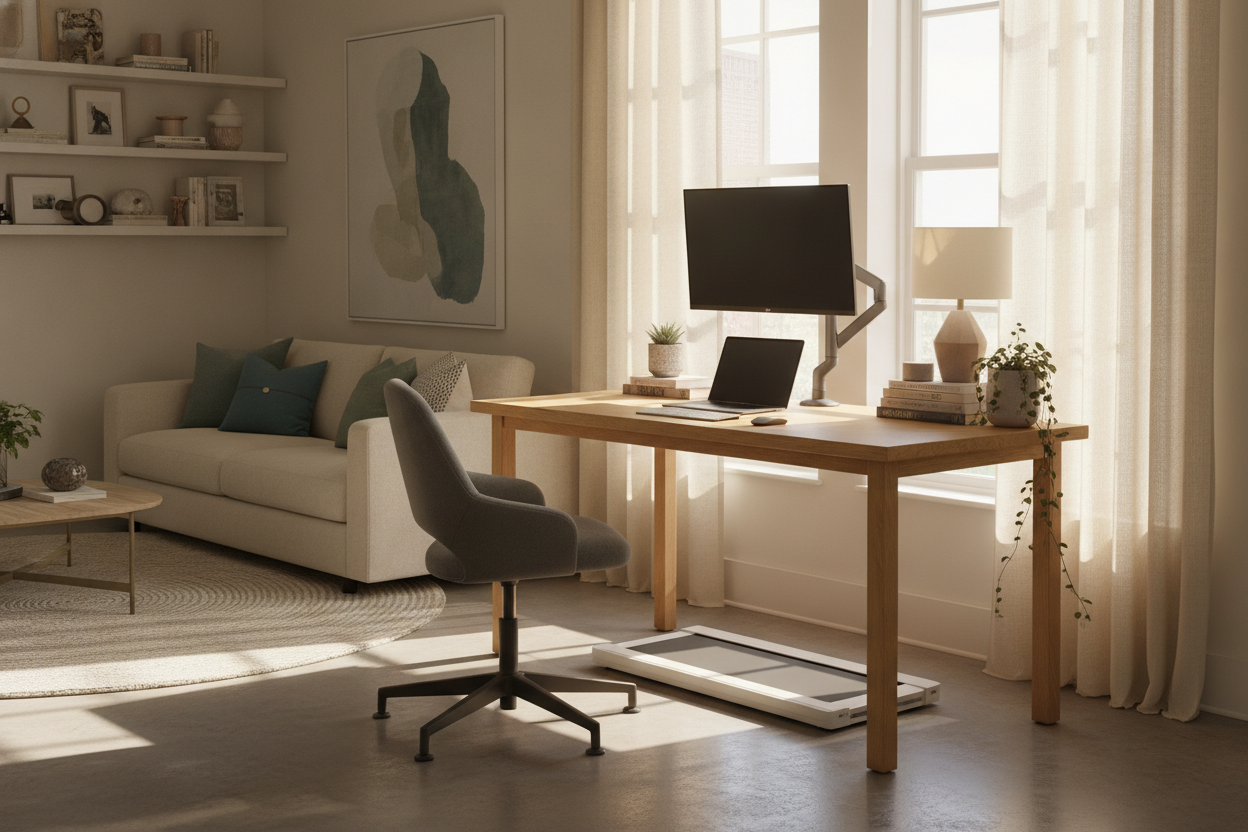
When furnishing small interiors or establishing a dedicated work zone, searching for a 27 inch desk often leads to two distinct furniture profiles. In many cases, shoppers are looking for an ultra-compact workstation defined by a narrow horizontal footprint to fit into an architectural recess. In other instances, the search focuses on a customized vertical elevation designed for a lower seating posture or a specialized keyboard height. Understanding whether your room requires a space-saving width or a lowered working surface is the foundation of a comfortable, practical setup.
Deconstructing the 27-Inch Measurement: Width vs. Height
Before purchasing furniture, it is essential to determine whether you need a 27-inch wide desk or a 27 inch height desk. These two configurations solve different spatial and physical challenges within home offices, bedrooms, and multi-purpose living areas.
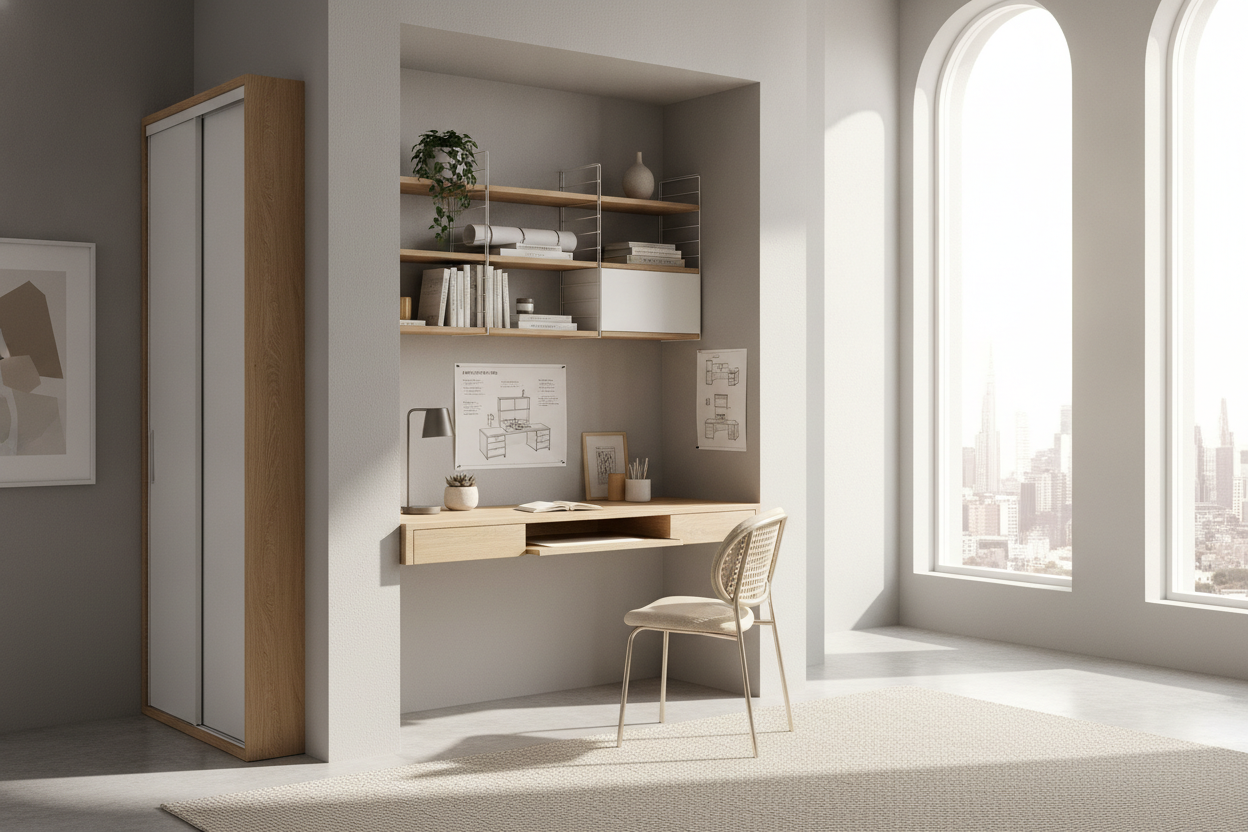
- Compact Width Profiles: Desks built with a narrow tabletop span are designed to tuck into tight alcoves, between existing wardrobes, or along short perimeter walls. This narrow profile offers a dedicated surface for a single laptop, an open notebook, or a focused writing area without encroaching on primary pedestrian walkways.
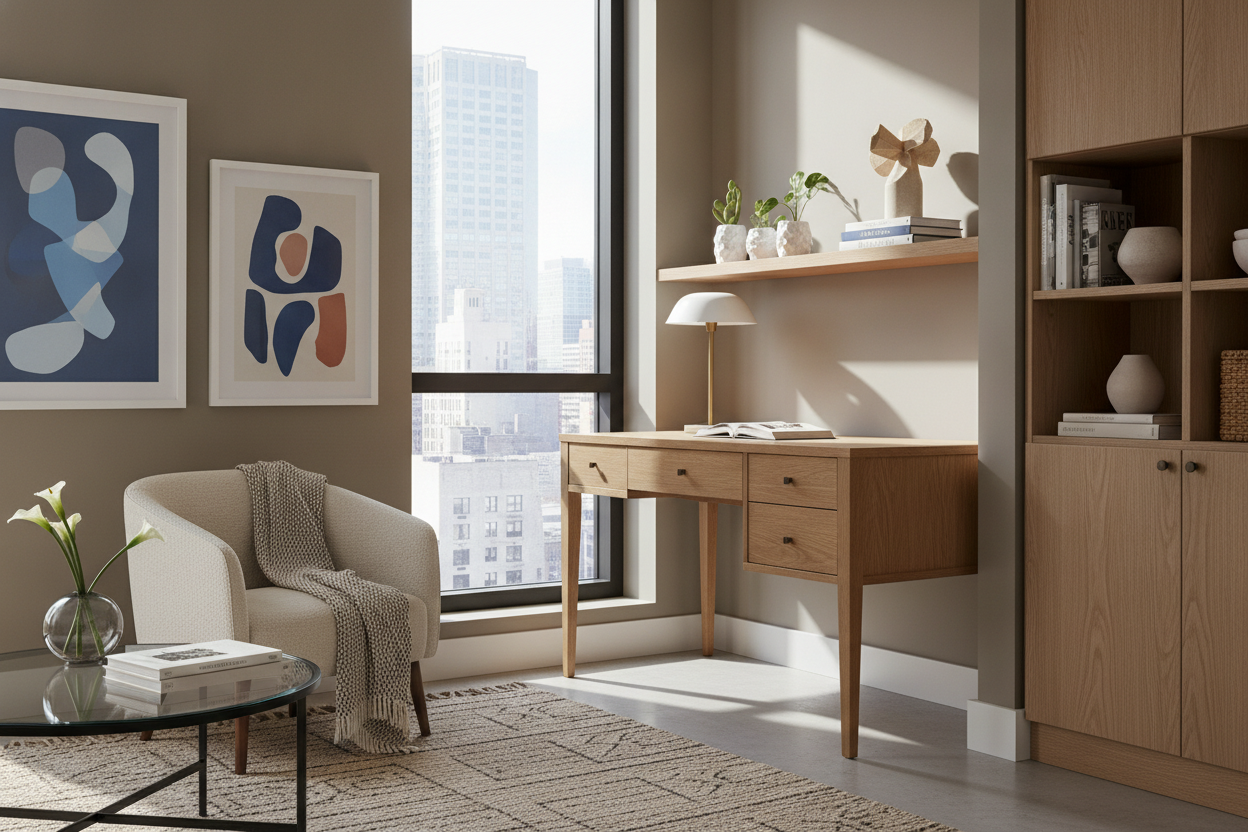
- Ergonomic Lower Height Profiles: Standard executive desks can feel overly elevated for certain users, sometimes causing shoulder strain when typing. A 27 inch tall desk or lowered writing table provides a comfortable alternative, allowing hands and forearms to rest in a neutral position without elevating the elbows.
To ensure a proper fit, measure your intended space carefully before choosing a model. Take into account baseboard trim thickness, nearby wall vents, and the swing radiuses of adjacent doors or closet panels. Accounting for these boundary details ensures that your workspace remains fully accessible and visually balanced.
Planning Around a 27-Inch High Desk: Ergonomics and Seating Fit
Designing a comfortable workstation around a 27 inch high desk requires careful attention to chair selection and lower-body clearance. Because the desk surface sits closer to the floor than standard utility desks, ensuring sufficient room beneath the tabletop is critical for daily comfort.
Key considerations for lower-profile desk planning include:
- Legroom and Knee Clearance: Check that the desk frame provides open lower clearance free of intrusive support aprons, low crossbars, or bulky bottom drawers. Users need adequate vertical space to sit comfortably with their feet resting flat on the floor while sliding their knees smoothly beneath the work surface.
- Chair Adjustability: Pair a lower desk with an adjustable task chair or a compact vanity stool. Being able to lower the seat height ensures that your elbows maintain an easy angle relative to the tabletop without hunching your shoulders or crowding your legs.
- Multi-Tasking Utility: Lower-elevation surfaces work well as dual-purpose beauty vanities and study tables. Flexible designs, such as a desk height product, highlight how tailored height profiles can comfortably support seated grooming, study sessions, and casual computer work in one cohesive piece.
Maximizing a 27-Inch Wide Desk in Small Rooms
When working with a narrow tabletop footprint, strategic organization keeps the surface functional and clutter-free. In compact apartments, guest rooms, or dorms, a slim desk can serve as a highly productive hub when paired with surrounding vertical storage elements.
To get the most utility out of a compact desktop footprint:
- Utilize Vertical Wall Space: When horizontal surface area is limited, mount floating shelves or vertical organizers directly above the desk. This keeps daily supplies, books, and task accessories off the primary work surface while maintaining fast access.
- Integrate Complementary Cabinetry: If your desk does not include built-in drawers, look to nearby auxiliary storage. Reviewing a comprehensive wide desk guide illustrates how compact drawer layouts function, while adding a slender wide guide nearby keeps documents neatly tucked away without crowding your immediate seating footprint.
- Organize Cables and Desktop Tools: Keep your usable desktop clear by mounting power strips to the underside of the desk frame and utilizing adhesive cord clips. A clamp-on reading light or an elevated laptop riser preserves tabletop area for paperwork and writing utensils.
Frame Materials, Stability, and Assembly Considerations
Because compact desks have a smaller base footprint, structural integrity and frame balance are essential to prevent wobble during active typing, writing, or resting forearms on the desktop.
When evaluating structural construction and assembling your furniture, consider the following points:
- Frame Material Selection: Steel leg frames paired with engineered wood tops deliver a strong balance of structural rigidity, modern aesthetics, and lightweight portability. Solid wood and composite panel desks offer a heavier, grounded feel with classic warmth.
- Adjustable Leveling Glides: Choose desks equipped with threaded leveling foot pads. These small components compensate for subtle unevenness in hardwood, tile, or carpet seams, ensuring the tabletop stays completely level and stable.
- Assembly Alignment Technique: When putting your desk together, keep all corner bolts and frame fasteners loosely threaded before tightening them gradually in an alternating pattern. This practice prevents warping and ensures that the joints remain square and rigid.
- Wall Anchoring for Tall Additions: If your compact desk features an attached top hutch or rests on a tall frame in a high-traffic area, installing a discrete wall tether provides added structural security.
Selecting the Right 27-Inch Desk Configuration for Your Space
Selecting the right 27 inch desk comes down to balancing your daily activities, user height, and room proportions. While large executive workstations such as a wide desk product are suited for expansive offices with extensive hardware, compact 27-inch designs provide targeted functionality in space-conscious homes.
- For Tight Nooks and Alcoves: Choose a narrow width desk with clean, straight contours that nestles flush against walls and room corners.
- For Typing Comfort and Low Seating: Opt for a lower height desk profile that supports natural arm positioning and relaxed shoulder posture.
- For Multi-Functional Rooms: Select a hybrid desk that effortlessly transitions between a daytime laptop workstation and an evening vanity hub.
By establishing whether your priorities lie in saving horizontal floor space or achieving an ergonomic lower tabletop height, you can select a 27-inch desk that keeps your room open, stylish, and comfortable.

Laisser un commentaire
Ce site est protégé par hCaptcha, et la Politique de confidentialité et les Conditions de service de hCaptcha s’appliquent.