
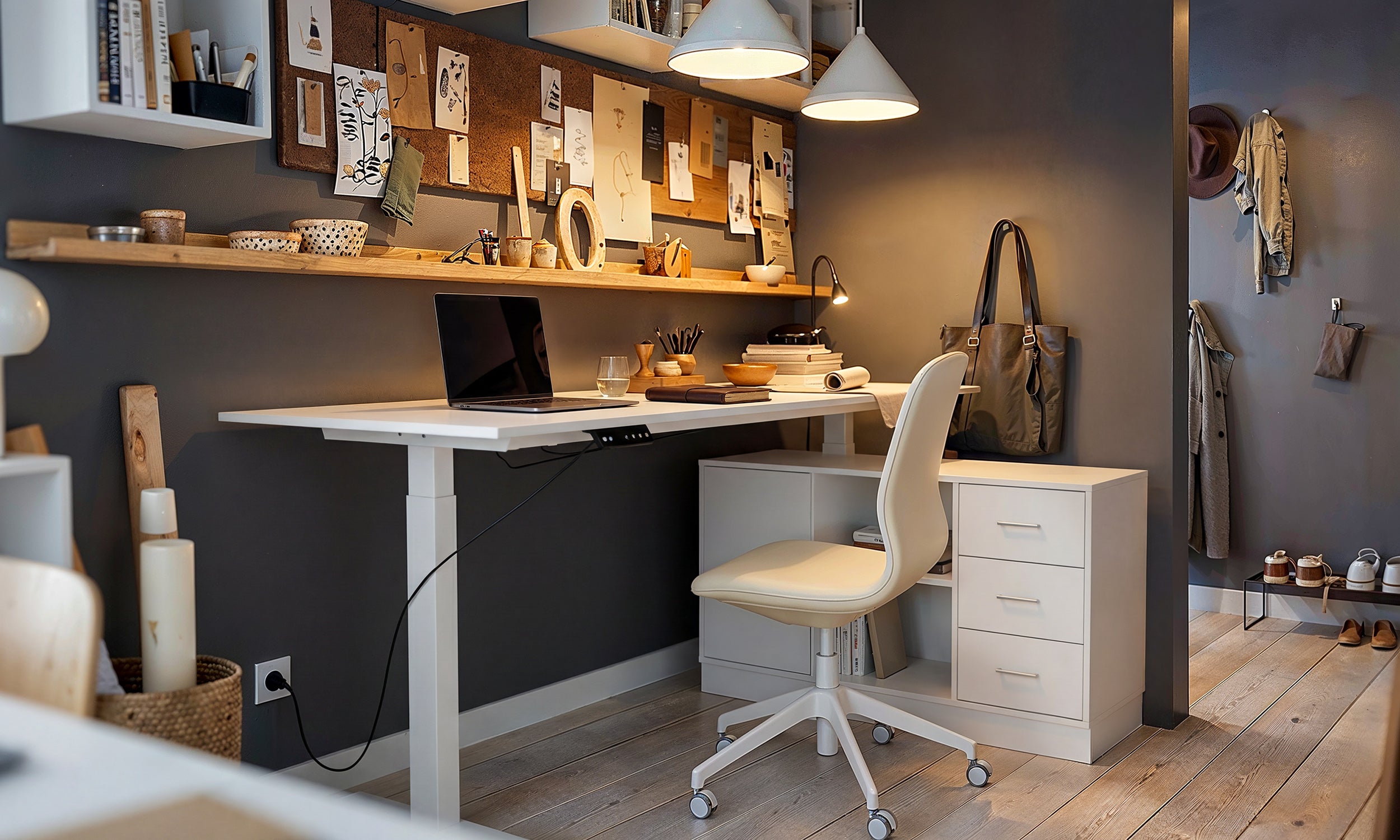


Designing an inspiring workspace requires balancing classic interior style with day-to-day utility. A well-crafted room and board desk chair brings timeless lines and dependable craftsmanship to modern work environments. Whether you spend your days drafting creative proposals or managing client communications, having the right seating makes a substantial difference in focus and comfort. Selecting a room and board desk chair means choosing a piece that blends smoothly into living areas without looking like an industrial fixture.
Many homeowners prefer furniture that feels intentional and tailored. An attractive room and board office chair bridges the gap between warm residential aesthetics and task-ready utility. In this comprehensive buying guide, we explore core silhouette options, essential sizing measurements, upholstery choices, and practical ways to integrate your seating alongside surrounding storage furniture.
Evaluating Room and Board Desk Chair Styles
Finding the right profile begins with understanding how different shapes complement your daily tasks. A room and board desk chair often incorporates mid century design influences, featuring clean wooden contours, tailored stitching, and uncluttered profiles. For a broader overview of how high-back models support the spine throughout varied tasks, review our high back office chair guide.
What features make a room and board desk chair suitable for long workdays?
A room and board desk chair supports long workdays through contoured back shaping, balanced seat cushioning, responsive swivel mechanisms, and smooth height adjustments. Rather than relying on oversized knobs or protruding plastic levers, these designs emphasize subtle ergonomic support concealed beneath sleek upholstery. Key architectural traits include:
- Mid-back profiles: These models provide balanced back support while maintaining an airy visual presence across open layouts.
- Upholstered executive shapes: Padded contours and supportive headrests deliver additional rest for extended writing sessions.
- Streamlined swivel chairs: A compact swivel chair with a sculpted shell fits neatly into multi-purpose guest rooms and secondary nooks.
- Artisanal timber accents: Chairs featuring an exposed wood frame complement traditional bookshelves and natural veneer desks.
When selecting your preferred desk chair, consider the visual balance of the entire room. A minimalist office chair preserves sightlines, whereas a plush leather model establishes a stately focal point in a dedicated study.
Key Dimensions and Clearance for Your Workstation
Proper fit is critical to avoiding awkward posture and physical fatigue. Even the most stunning room and board desk chair will feel uncomfortable if its dimensions clash with your desk height. For deeper insights into matching seat proportions to your spatial layout, consult our home desk chair selection resource.
How much clearance is needed between armrests and an office desk?
You should maintain at least two to three inches of vertical desk clearance between your chair armrests and the underside of the desk surface to ensure seamless movement. Verifying armrest height allows you to glide close to your keyboard without bumping front aprons or shallow pencil drawers.
Take time to measure these fundamental seating dimensions before purchasing:
- Seat height: An adjustable pneumatic lift allows you to alter the height so your feet rest flat on the floor with knees angled comfortably.
- Seat depth: Proper seat depth leaves a slight gap between the front cushion edge and the back of your knees, promoting unimpeded blood circulation.
- Lumbar support: Built-in lumbar support aligns with the natural inward curve of your lower spine to encourage steady, upright posture.
- Workstation clearance: Ensure ample workstation clearance between the rear chair edge and back walls so you can recline smoothly without hitting shelving.
- Turning radius: A full circular turning radius requires adequate floor room so the base rotates without striking adjacent filing pedestals.
Investing in a room and board desk chair with reliable height controls ensures flexible alignment for multiple users sharing the same family workstation.
Upholstery and Materials: Leather, Fabric, and Frame Finishes
Upholstery defines both the tactile feel and the visual tone of your office seating. When you choose a premium room and board office chair, the exterior material dictates daily maintenance and seasonal comfort.
How do you choose between leather and fabric for a room and board office chair?
Choose leather upholstery for easy cleanup and long-term patina, or select a woven fabric desk chair for cooler breathability and softer everyday texture. Both textiles offer distinct practical and decorative advantages depending on your daily working habits.
Consider these material distinctions when planning your space:
- Leather upholstery: Genuine full-grain or top-grain hides resist stray spills and develop an attractive vintage character as the years progress. A leather-clad room and board desk chair pairs gracefully with rich walnut or dark steel furniture.
- Fabric desk chair options: Textured wool blends, linen weaves, and performance textiles offer exceptional breathability during warm afternoons. A tailored fabric desk chair introduces soft color palettes into neutral spaces.
- Molded wood and metal accents: Chairs constructed with a solid wood frame or brushed aluminum sub-structure provide structural rigidity while echoing traditional craftsmanship.
In our experience, choosing a textured heathered weave can also help disguise minor surface dust between routine seasonal cleanings.
Base Options: Rolling Casters vs. Fixed Glide Bases
Mobility requirements vary based on room layout and flooring types. A standard room and board desk chair typically features either an active rolling base or an elegant stationary foot arrangement.
Are rolling casters or fixed glides better for wood floors?
Soft urethane caster wheels provide superior dynamic movement, whereas a stable glide base protects delicate hardwood floors by eliminating rolling friction entirely. If you move frequently between filing stations, smooth caster wheels make repositioning effortless. However, choosing hard plastic wheels on bare timber risks cosmetic scratches over time.
Consider how base styles alter daily productivity:
- Five star base configurations: A dependable five star base distributes body weight evenly, ensuring tipping resistance when reaching for side shelves.
- Glide base designs: A fixed glide base keeps your seat firmly centered on a plush accent rug, making it great for dedicated typing or reading setups.
- Hardwood floors protection: When using rolling seating over vulnerable hardwood floors, pairing soft-tread casters with a flat protective floor mat preserves protective polyurethane coatings.
Opting for a quiet, reliable swivel chair base ensures you can turn freely to converse with colleagues or access side credenzas without scraping floor surfaces.
Pairing Your Chair with Desks and Storage Cabinets
An executive workspace thrives when seating, desks, and storage work together as a unified system. Pairing your room and board desk chair with well-proportioned case goods produces an orderly, clutter-free environment that inspires productive focus.
If you need an expansive, space-efficient work station, pairing your chair with a corner computer desk creates generous tabletop room while establishing a neat central pivot point. In L-shaped configurations, a 360-degree swivel chair lets you swing smoothly between computer monitors and physical paperwork.
For rooms that prioritize tidy file organization, integrating an office desk with storage cabinet provides designated shelving for printers, binders, and peripheral hardware. This combination keeps your primary work surface clear of clutter, giving your room and board office chair ample room to roll freely without catching on trailing cords or stacks of paper.
Consider how matching your office desk and secondary storage cabinet elements creates visual harmony:
- Maintain consistent metal finishes between your chair base and cabinet handles.
- Ensure the knee-well opening of your office desk accommodates your chair's full width.
- Place your lateral storage cabinet outside the primary rolling arc to preserve clear walking paths.
- Keep the main work surface clear by routing power cables through grommets away from rolling casters.
By organizing surrounding storage thoughtfully, you maximize usable square footage and maintain a calm, functional home office setup.
Daily Maintenance and Setup Tips for Lasting Comfort
Preserving the beauty and mechanical integrity of your room and board desk chair requires only minimal regular attention. Establishing a steady care routine ensures your investment remains comfortable and visually appealing for years.
Adjusting and Fine-Tuning Your Chair
Begin by tailoring the chair to your desk dimensions. Depress the lever on the pneumatic lift to align your elbows at roughly right angles to the keyboard. Verify that the integrated lumbar support settles naturally against your lower back. If your chair features adjustable tension knobs beneath the main seat pan, turn them clockwise or counterclockwise until tilting back feels balanced rather than loose.
Textile and Frame Care
To preserve upholstery, wipe leather upholstery down periodically using a clean, barely damp microfiber cloth, followed by an occasional application of specialized leather conditioner. For woven textiles, vacuum seams every few weeks using an upholstery brush attachment to dislodge loose dust and fibers. If your chair features an exposed wood frame, polish it with natural wood waxes to prevent drying from direct sunlight exposure.
Hardware Checkups
Inspect the underside of your five star base every six months. Remove stray carpet threads and hair caught inside the caster wheels to guarantee silent, frictionless gliding. Gently tighten mounting bolts underneath the seat cushion if daily use causes slight play. Taking these straightforward maintenance steps preserves the ergonomic stability, comfort, and timeless beauty of your modern work setup.


Laisser un commentaire
Ce site est protégé par hCaptcha, et la Politique de confidentialité et les Conditions de service de hCaptcha s’appliquent.