


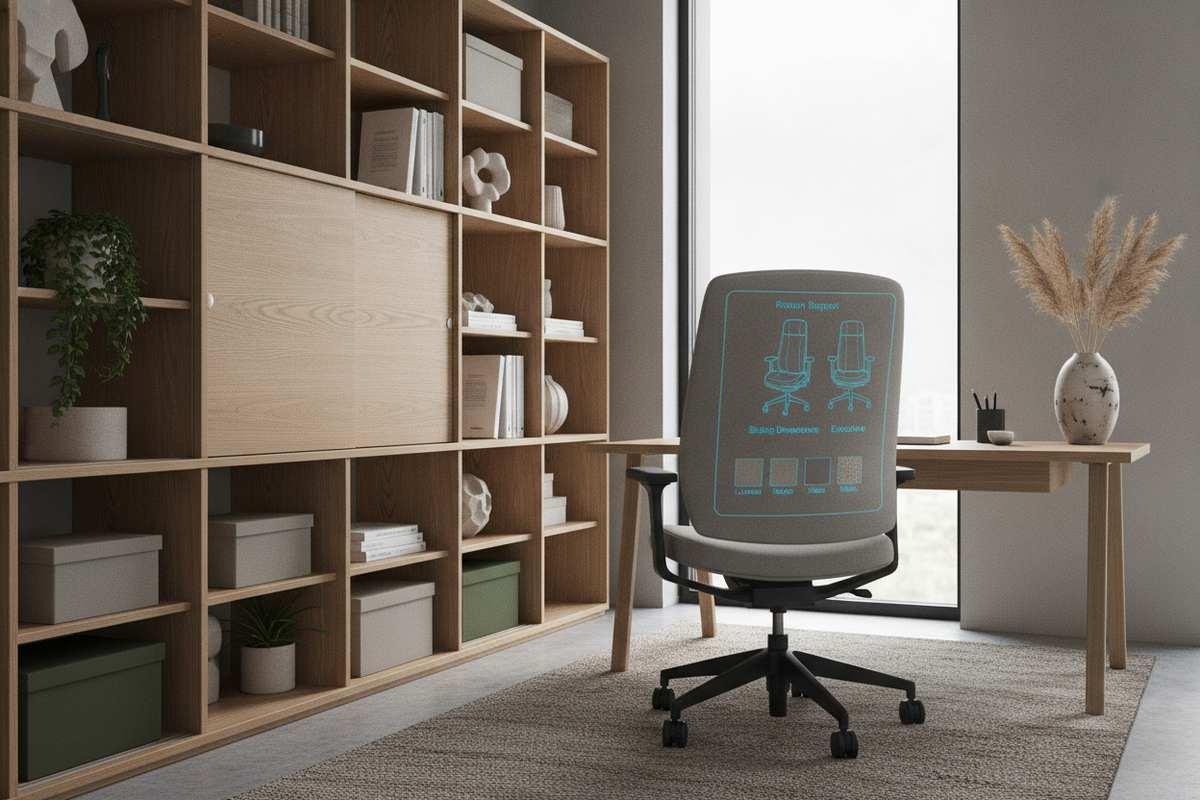
Introduction: Understanding High Back Seating Dynamics in the Modern Workspace
Selecting the right desk chair high back format is a foundational decision when planning an efficient, comfortable workstation. High back seating is characterized by an extended backrest structure designed to span from the lumbar curve past the shoulder blades, often terminating in a designated headrest zone. In dedicated home offices, corporate suites, and creative studios, these chairs provide continuous upper body contact throughout long work sessions.
Achieving a cohesive workspace requires balancing personal support needs with room layout, desk dimensions, and surrounding storage furniture. Key evaluation criteria include the backrest elevation profile, upholstery thermal qualities, mechanical articulation, and the physical footprint required for smooth swivel and rolling movement.
High Back Chair Archetypes: Executive, Modern Task, and Ergonomic Formats
High back seating spans several distinct design archetypes tailored to different working habits and visual preferences:
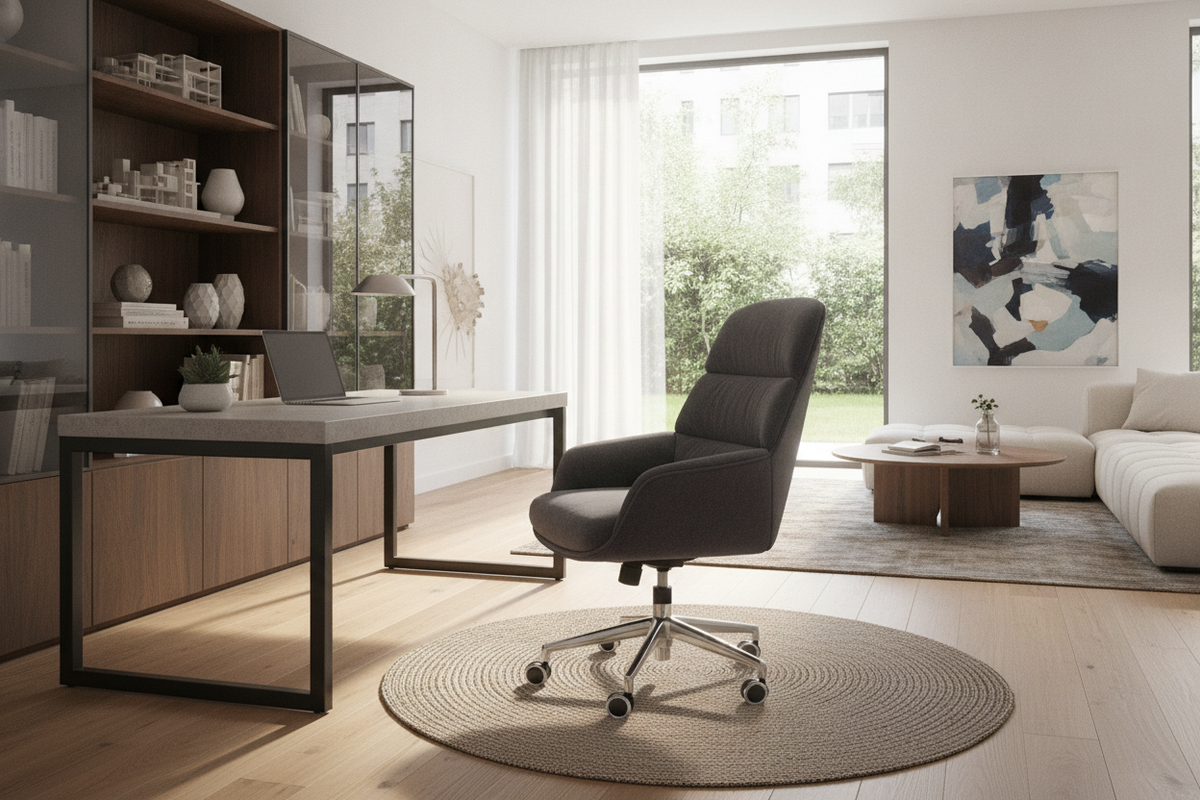
- Executive High Back Office Chair: Emphasizes plush multi-layer padding, substantial side bolsters, integrated headrests, and a formal aesthetic that anchors management suites and traditional home offices.
- Modern High Back Desk Chair: Balances streamlined geometric lines with structural support, frequently utilizing tailored woven textiles, minimal hardware profiles, and neutral colorways.
- Ergo High Back Office Chair: Focuses on targeted physical alignment, offering dynamic lumbar mechanisms, adjustable tilt tensions, breathable back panels, and articulated armrests.
- High Back Task Chair: Engineered for active workstations requiring frequent transitions between upright typing, writing, and collaboration, offering a compact footprint with full back contact.
Dimensional Sizing Categories and Spatial Workspace Clearances
Spatial planning ensures that a tall back desk chair interacts harmoniously with adjacent furniture without causing mechanical collisions or restricting traffic flow. Comparing your chair dimensions against your computer desk collection prevents common clearance oversights.
Standard high back models typically terminate near the upper shoulder blades, whereas extended tall back configurations extend upward to support the upper cervical spine and head. When planning desk clearance, confirm that the chair armrests can slide cleanly beneath the desk apron or drawer banks when adjusted to your working height. Additionally, allow sufficient radial clearance around the base to accommodate a full 360-degree swivel and standard caster roll paths without bumping into credenzas, low bookcases, or baseboard trims.
Material Composition: Leather, Performance Mesh, and Frame Durability
The upholstery and core framing dictate both the visual presence and daily maintenance requirements of a high back chair:
- High Back Leather Office Chairs: Bonded, polyurethane, or top-grain leather provides a smooth, wipeable surface that resists liquid spills while lending a commanding, executive presence to professional rooms.
- Performance Mesh: Open-weave synthetic mesh promotes continuous airflow around the back, helping manage thermal comfort during warm climates or intensive task sessions.
- Woven Fabric Upholstery: Tightly woven textiles offer a tailored residential feel, soft tactile contact, and diverse color choices that soften corporate-styled home offices.
- Bases and Casters: Reinforced nylon or polished metal five-star bases deliver dependable balance. Selecting the proper caster type ensures smooth rolling across hard flooring or low-pile rugs while minimizing surface scuffing.
Ergonomic Mechanisms and Adjustment Frameworks
Mechanical adjustability allows users to adapt a high back ergonomic desk chair to their specific seated posture throughout changing tasks:
- Tilt-Tension and Recline Lock: Recline tension controls how easily the backrest yields to seated body weight, while multi-position locks stabilize the back at specific upright or reclined angles.
- Pneumatic Height Adjustment: Smooth height travel allows users to position the seat pan so their feet rest flat on the floor with knees aligned comfortably relative to hips.
- Lumbar Adaptation: Integrated depth and height adjustments for lumbar pads help preserve the natural inward curve of the lower back.
- Headrest Articulation: Independent headrest modules with height and angle tilt accommodate different torso lengths, reducing upper neck tension during reclined reading or video calls.
Workstation Layout Integration and Storage Furniture Pairings
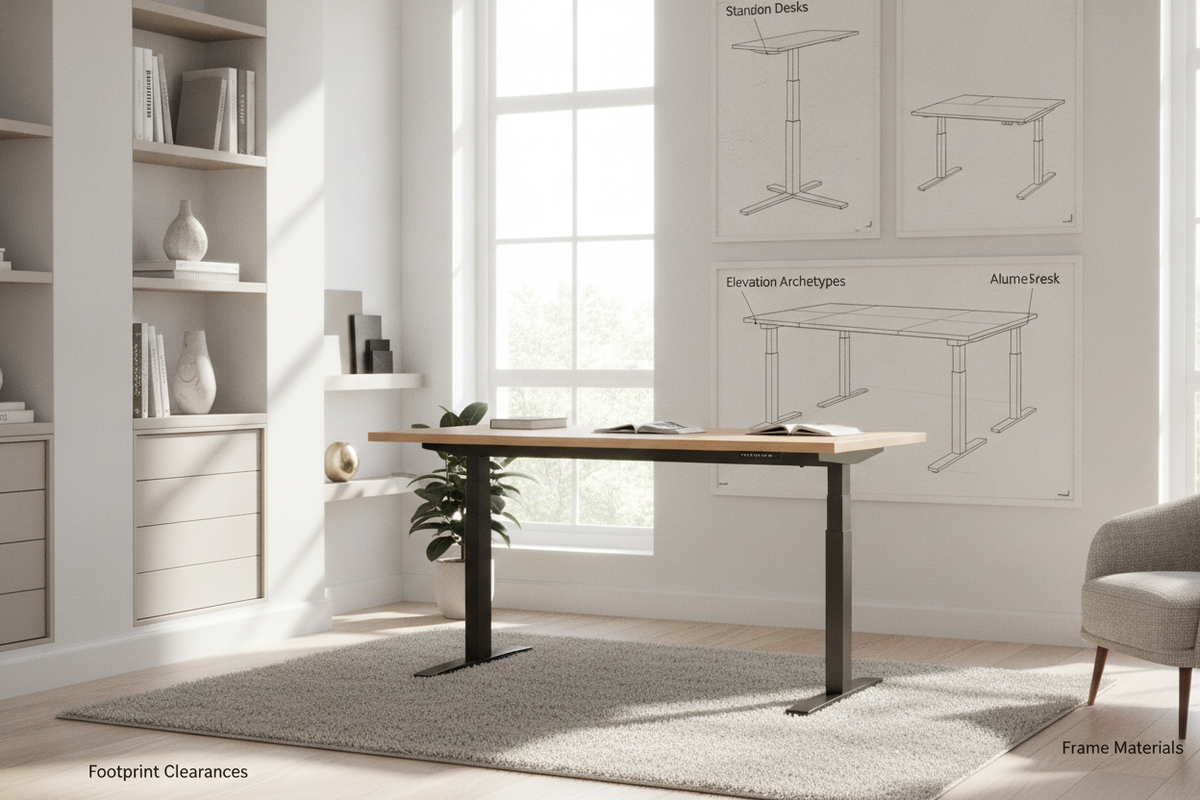
Integrating a commanding seating silhouette into your room layout requires thoughtful alignment with surrounding desk configurations and cabinetry. When styling a black high back desk chair with minimalist surfaces, reference our modern office desk guide for strategies on coordinating dark frame tones with clean architectural lines.
For rooms incorporating dedicated corner storage and deep surface returns, pairing your chair with a modern office computer product provides generous desktop area and integrated cabinetry while leaving ample knee well space for unrestricted chair swivel.
If your workstation resides in a multifunctional living room or shared guest area, space-saving layouts from our computer desk office guide demonstrate how to position high back chairs neatly within alcoves or beside concealed storage units when not in active use.
In formal commercial offices and spacious home suites, commanding seating pairs naturally with an expansive modern desk executive product, establishing an authoritative focal point with balanced proportions and organized cable pathways.
Assembly, Maintenance, and Long-Term Usability Practices
Proper assembly and routine upkeep protect the mechanical integrity and aesthetic appeal of your office chair with high back:
- Assembly Alignment: When assembling a knock-down chair, loosely thread all chassis bolts before tightening each fully. This prevents frame torque and ensures square alignment between the seat pan and backrest.
- Gas Lift Seating: Place the seat mechanism squarely on the central pneumatic cylinder and apply firm downward body pressure to engage the taper fit before regular use.
- Periodic Fastener Inspection: Periodically check armrest bolts and tilt-plate screws to confirm they remain secure, preventing frame play and mechanical squeaks.
- Surface Care: Vacuum fabric and mesh panels regularly using an upholstery brush attachment to remove dust. Wipe leather and synthetic surfaces with a lightly dampened cloth, followed by dry microfiber buffing.
- Caster Maintenance: Inspect wheel hubs occasionally to clear accumulated fibers and debris, ensuring smooth mobility and preserving floor surfaces.
Summary Decision Checklist for Choosing the Ideal High Back Desk Chair
When selecting your next office chair with tall back, review these core considerations:
- Ensure the backrest height matches your upper back and head support preferences.
- Confirm armrest clearance under your desk tabletop to allow comfortable seated positioning.
- Select breathable mesh for active typing or cushioned leather for executive comfort.
- Verify that your room layout provides adequate clearance for swivel radius and roll paths.
- Coordinate chair frame colors and finishes with nearby desks, credenzas, and storage cabinets.

Laisser un commentaire
Ce site est protégé par hCaptcha, et la Politique de confidentialité et les Conditions de service de hCaptcha s’appliquent.