


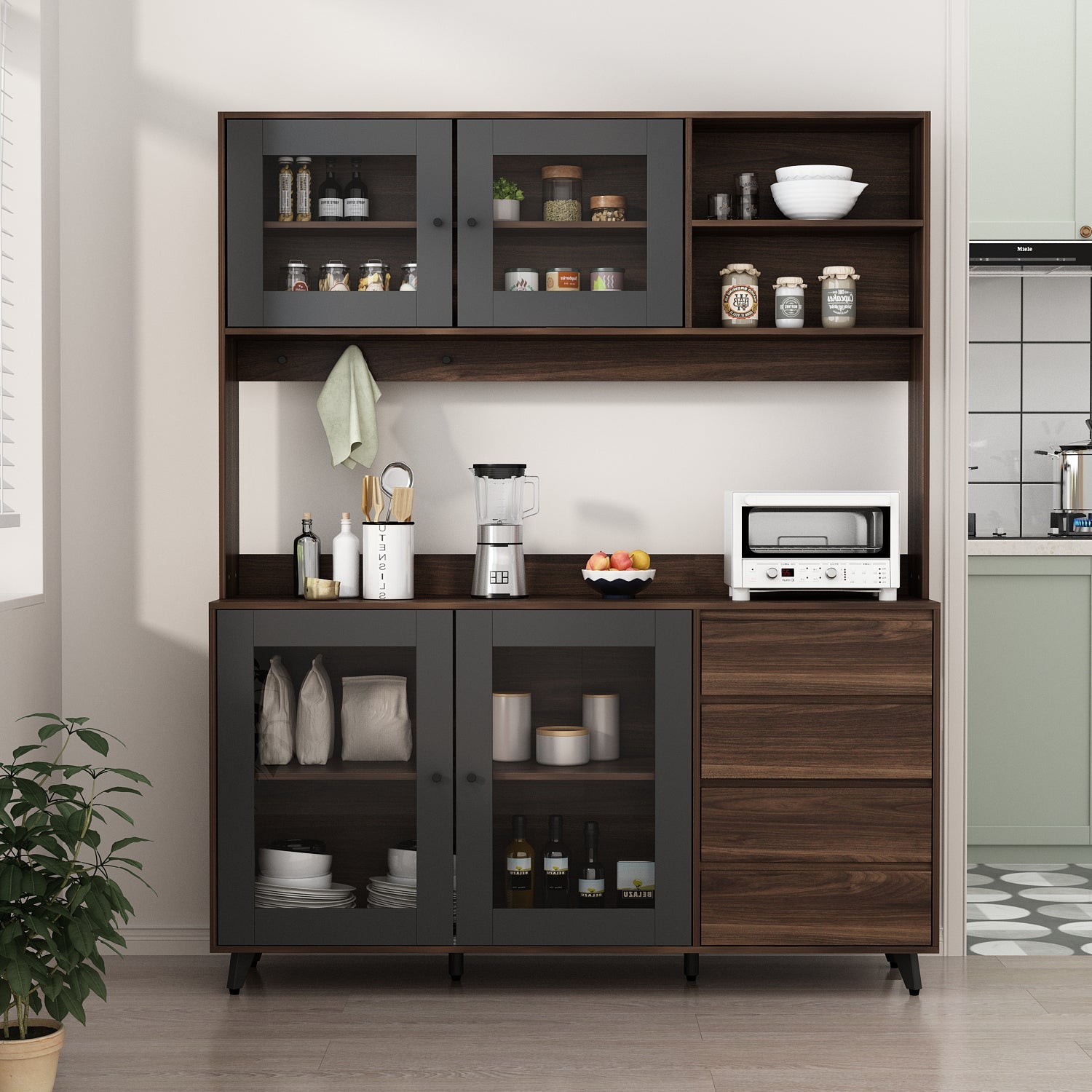
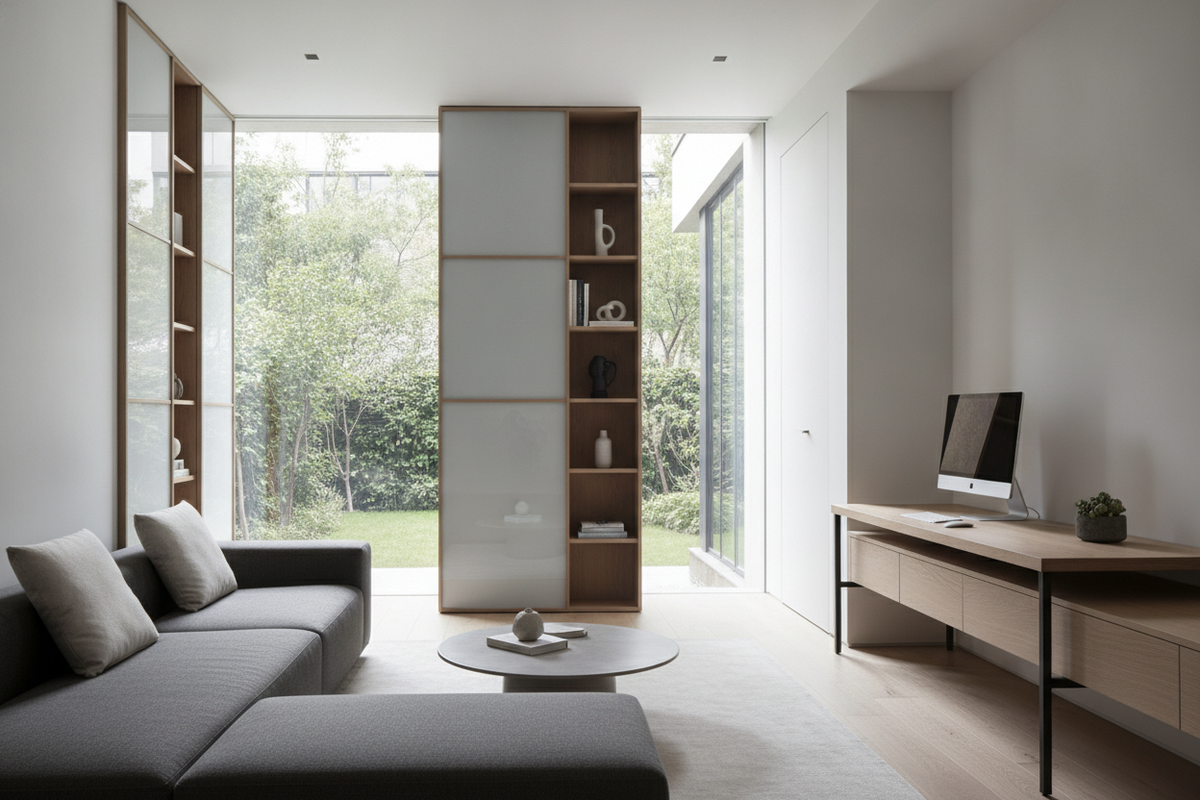
Balancing functional work surfaces with open floor area is an enduring interior challenge. In modern residential layouts, standard office furniture often projects too far into main walkways, obstructing traffic patterns in shared rooms, bedrooms, and entryway alcoves. Choosing a thoughtfully proportioned narrow desk allows you to establish a dedicated workstation without compromising room circulation or visual lightness.
The Architectural Appeal of the Shallow-Depth Workstation
A shallow profile redefines how furniture interacts with residential space. Traditional desks frequently demand substantial floor area, often leaving tight perimeter clearances that make secondary bedrooms and open-concept living zones feel congested. In contrast, a slim desk hugs perimeter walls, maintaining an open center of gravity across the room.
By prioritizing horizontal length over front-to-back depth, a skinny desk creates a clear linear boundary. This makes it an ideal fit for transitional spaces, such as deep hallways, window breezeways, and open loft areas. When styled with clean silhouettes and restrained hardware, a slender desk reads less like utilitarian office equipment and more like an architectural console that supports daily productivity.
Dimensional Decision Framework: Shallow Depth Categories
Selecting the right workstation requires matching depth limitations to your specific daily tasks. Shallow desks fall into three primary spatial formats, each serving distinct functional priorities.
Compact Slim Writing Desks for Alcoves and Corners
Compact writing tables excel in tight architectural niches, awkward wall cutouts, or quiet bedroom corners. These designs emphasize a delicate footprint, accommodating a laptop, a notebook, and task lighting. Because they minimize depth, they prevent visual crowding in guest rooms or studio apartments where multi-functional furniture is essential.
Extended Long and Narrow Desks for Multi-Zone Surface Span
When daily workflow requires reference materials alongside hardware, a long narrow desk offers the horizontal room needed without intruding outward. Spreading tasks horizontally allows you to divide the tabletop into distinct zones: computing on one side, analog drafting or paperwork on the other. Incorporating long skinny desks or an expansive long thin desk allows multiple family members to share a surface concurrently.
For rooms featuring longer open wall spans or wide alcoves, an extended narrow long desk preserves comfortable passage behind task chairs. If your room footprint instead requires wrapping into a distinct corner angle, exploring a wider setup like a modern office computer product provides a helpful benchmark for comparing linear shallow profiles against dedicated L-shaped work areas.
Tall Narrow Desks with Integrated Vertical Risers
When square footage along the floor is at a premium, building upward is a practical solution. A tall narrow desk pairs a shallow desktop with integrated shelving risers or an attached vertical ladder framework. By capturing vertical wall space, these designs keep reference books, ambient lighting, and organizing trays within easy arm's reach while preserving precious floor clearance below.
Room Fit and Placement Strategies for Tight Profiles
Where you place a shallow desk dictates the flow of traffic throughout the home. Thoughtful placement turns underutilized areas into calm, productive study zones.
- Behind the Living Room Sofa: Placing a narrow table desk directly behind a floating couch creates a seamless separation between lounge and focus zones without interrupting sightlines.
- Under Deep Window Casings: Setting a narrow computer table beneath low window ledges invites daylight into your workday without blocking heating registers or window trim.
- Hallways and Wider Landings: Upper stair landings and broad corridors can readily host a slim writing desk, providing a quiet satellite spot for checking correspondence.
- Dedicated Small Office Walls: In secondary bedrooms, positioning a narrow office desk along a perimeter wall leaves ample space for door swings and wardrobe access.
For more detailed spatial strategies on configuring petite square footage, reviewing an office small work guide offers actionable approaches for dividing rooms without erecting permanent partitions.
Storage Architecture: Maximizing Utility in a Slim Footprint
One common concern with shallow workstations is the perceived loss of organization. Because deep drawer boxes are not feasible on shallow tops, smart storage requires clever lateral and vertical thinking.
A well-designed narrow desk with storage typically incorporates shallow pencil drawers spanning the front apron. These drawers conceal styluses, chargers, and notebooks without encroaching on under-desk knee room. Other configurations, such as a skinny desk with storage or a narrow long desk with drawers positioned to one side, preserve open leg clearance while providing structured compartments for daily tools.
To maintain clear work surfaces, adopting modular organizational solutions outlined in a desk storage office guide helps prevent smaller accessories from cluttering the desktop. If your work requires extensive physical archiving or heavy hardware storage, pairing your slim desk with storage with a freestanding companion piece like a wood modern drawers product keeps secondary supplies nearby while keeping the primary workspace streamlined.
Material Selection, Structural Stability, and Wall Anchoring
Because shallow tables have a high ratio of height to depth, material selection and structural planning are essential for ongoing stability. Slender silhouettes require rigid engineering to prevent swaying during active typing or writing sessions.
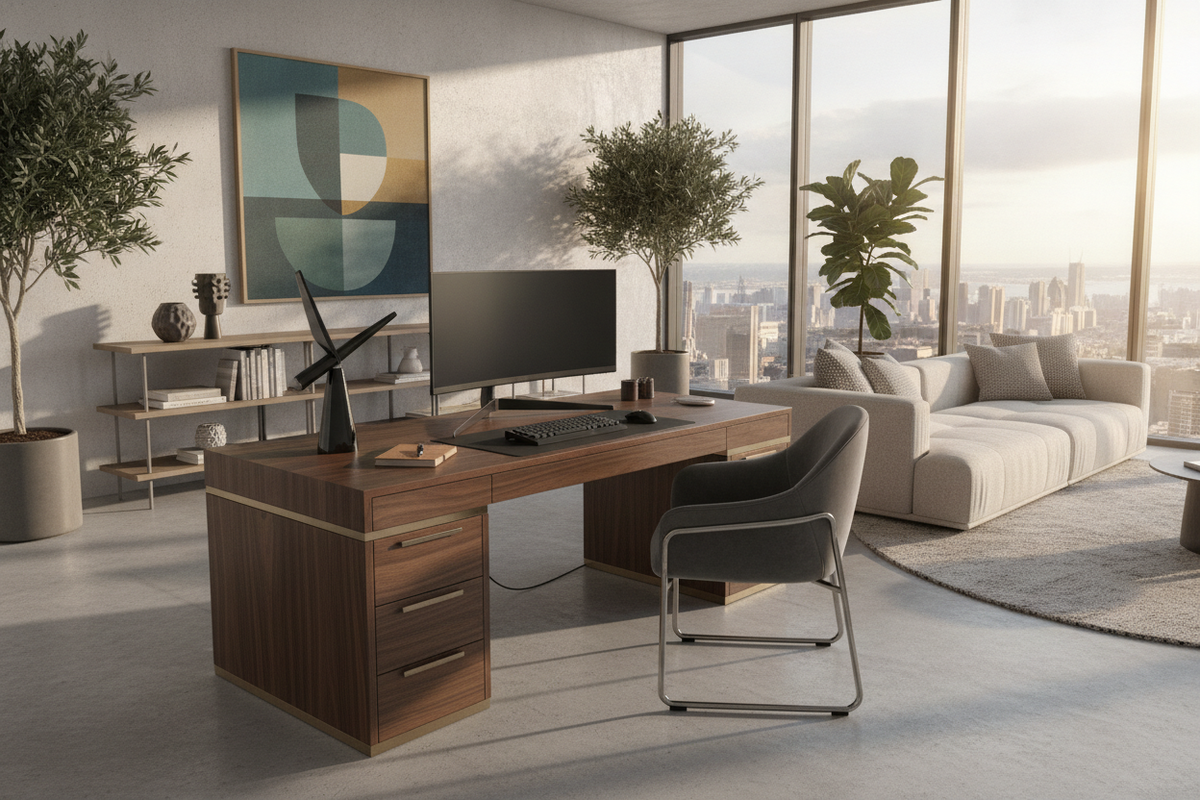
Tables crafted with durable steel trestles or reinforced structural aprons provide stability across broad horizontal spans. A long narrow wood desk brings organic warmth and tactile comfort, whereas a minimalist slim modern desk with powder-coated legs offers understated, crisp lines suited for contemporary interior architecture. When choosing a thin office desk or a light-profile narrow work table, ensure the understructure features reinforced corner brackets or structural crossbars.
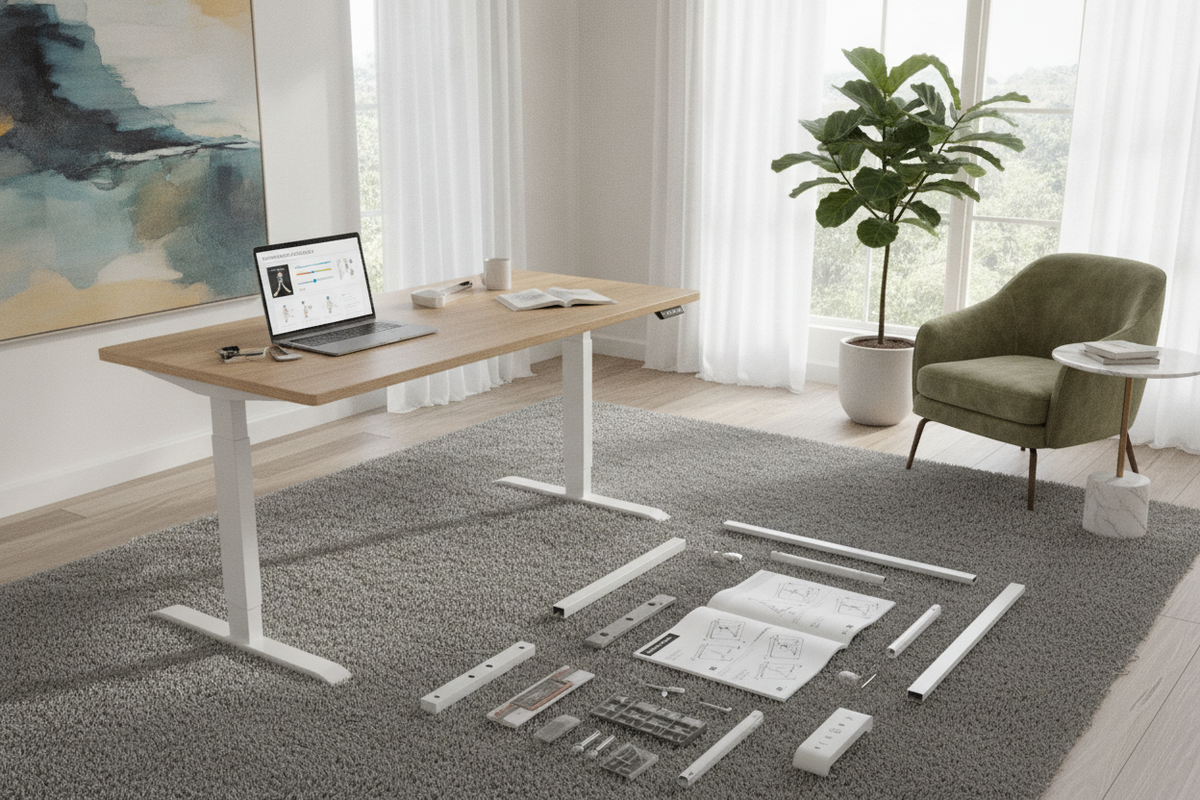
Wall anchoring is also an important planning consideration. Attaching discreet anti-tip brackets to wall studs firmly secures shallow desks, eliminating minor wobbles on deep-pile carpets and ensuring the furniture remains secure against active daily movement.
Ergonomics and Display Setup on Shallow Desktops
Setting up monitors, keyboards, and task lighting on a slimline computer desk requires an intentional approach to preserve surface usability. Standard monitor stands often consume significant depth, pushing the display too close to your working position.
To optimize a thin computer desk, consider using a clamp-on monitor arm or mounting screens directly to the wall. This suspends the display at a comfortable eye level while returning the desktop beneath it for keyboard placement and note-taking. Low-profile keyboards and compact wireless mice further reduce desktop footprint, turning a narrow work desk into an ergonomic, highly functional personal workstation.

Laisser un commentaire
Ce site est protégé par hCaptcha, et la Politique de confidentialité et les Conditions de service de hCaptcha s’appliquent.