

The Rise of the L Shape Adjustable Desk in Modern Workspaces
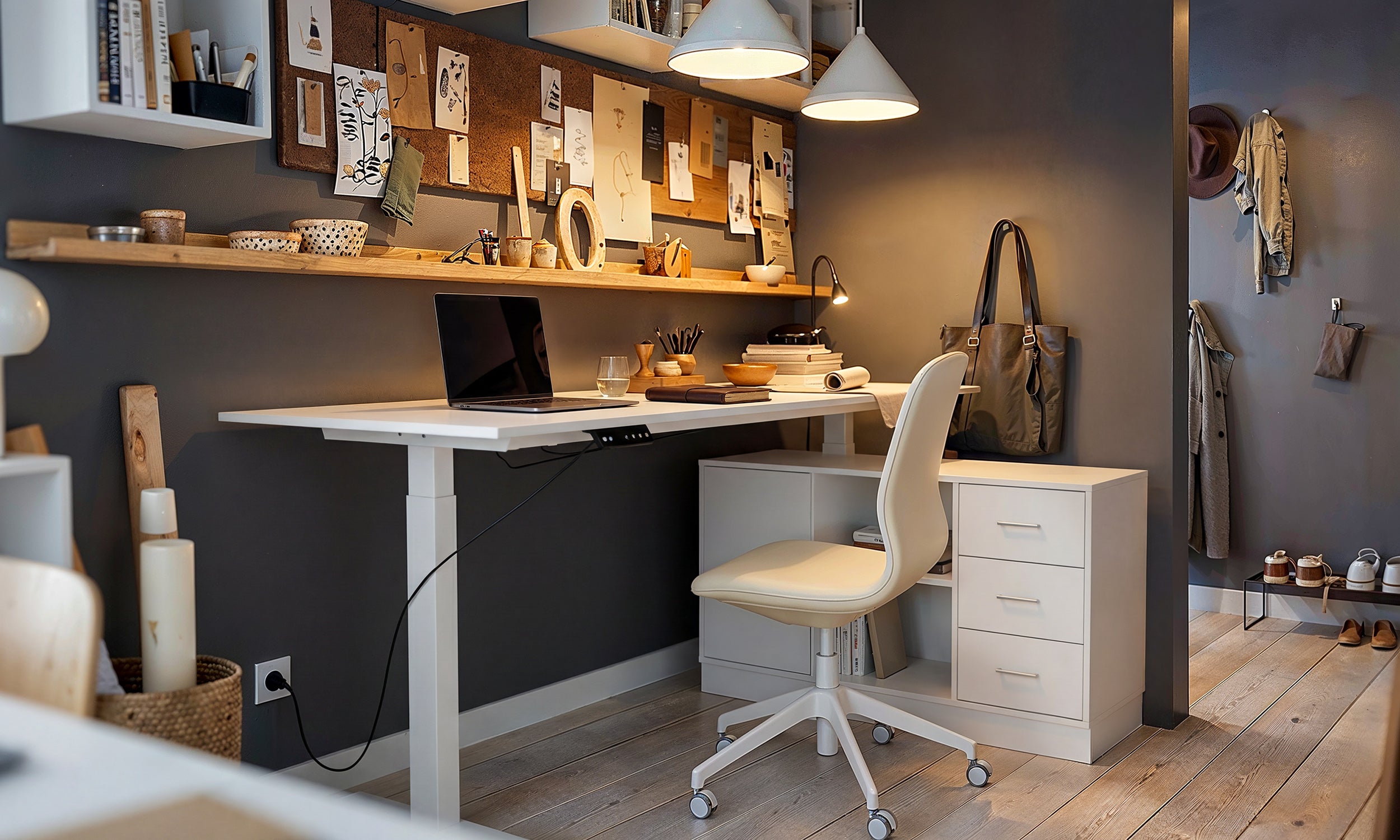
Standard rectangular workstations often force users to make compromises between monitor placement, analog notebooks, and peripheral gear. An l shape adjustable desk addresses this friction by introducing an expansive wraparound surface that supports distinct functional zones. Rather than cramming tasks into a single plane, users can establish a dedicated primary focus zone on the main run while reserving the return wing for review materials, drafting pads, or secondary monitors.
Bringing sit-stand technology into this corner footprint enhances dynamic posture throughout the working day. Transitioning between sitting and standing is particularly beneficial when managing multi-step workflows. A flexible l shape desk with standing option allows you to remain upright during brief review sessions or team calls, then lower the desk for focused typing. For those exploring wider sit-stand alternatives, reviewing a curated standing desks collection offers valuable context on how varied surfaces adapt to active work habits.
Footprint and Room Fit: Planning Your Corner Layout
Corner desks naturally maximize room space, yet placing an adjustable height l-desk requires careful consideration of moving clearances. Unlike static furniture that rests flush against drywall, an adjustable unit travels vertically. It must remain free of low-hanging wall shelves, window ledges, picture frames, and baseboard radiators throughout its movement path.
When planning your room layout, consider whether the desk will nestle into an enclosed corner or float outward into the open room as an architectural room divider. Floating setups provide open sightlines toward doors or windows, but they require finished back panels and deliberate wire routing. Consulting a comprehensive standing desk resource can clarify ergonomic positioning relative to natural light sources, glare reduction, and natural traffic patterns.
- Return Orientation: Determine whether a left-hand or right-hand return suits your dominant hand and room entry flow. Reversible frames offer long-term flexibility if you reconfigure the room later.
- Perimeter Clearances: Maintain modest spacing between the tabletop edges and adjacent walls to prevent mechanical friction during vertical travel.
- Power Outlet Access: Position the desk close to primary wall outlets to avoid stretching power cords taut when the desk reaches standing height.
Mechanical Architecture: Lifting Systems and Frame Stability
The structural demands on an electric standing desk l-shape differ substantially from traditional single-top models. Because the surface spans two intersecting axes, the underlying frame must support an asymmetrical distribution of tabletop weight and desktop equipment without twisting.
Most designs utilize multi-leg lifting columns coordinated by synchronized motor controllers. These synchronized mechanisms elevate the main run and return surface in unison, ensuring the tabletop remains level. A stable frame architecture minimizes monitor wobble when typing while standing. Dynamic cable management is equally vital; flexible cable spines or articulated trays prevent cords from binding around metal joints during continuous height adjustments on height adjustable l shaped desks.
Integrating Storage, Cabinetry, and Peripheral Systems
One challenge of corner workstations is combining continuous sit-to-stand travel with sufficient organization. If storage elements are fixed beneath a moving desk, users must verify that the descending frame clears drawer handles and cabinet tops. Many configurations pair the main lifting top with a stationary return credenza or coordinated under-desk pedestal.
For workspaces requiring ample document organization alongside active sit-stand movement, models such as the shaped electric height product illustrate how integrated drawers and shelving can sit alongside a mechanized workspace. Distributing heavier hardware across the non-moving or reinforced zones preserves smooth motor performance while keeping reference paperwork within easy reach.
Material Selection, Surface Finishes, and Aesthetic Balance
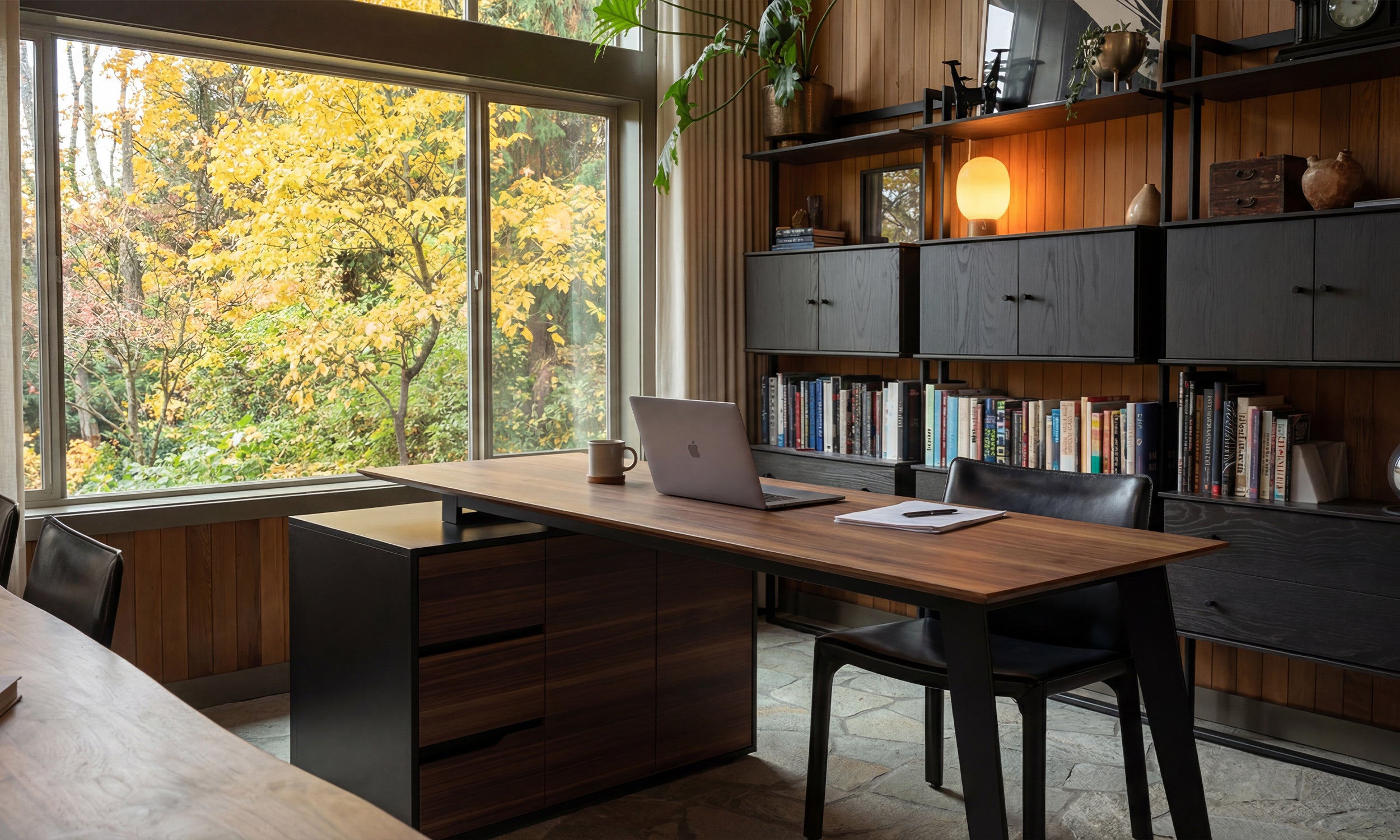
A broad corner desk serves as a prominent visual anchor in any room. The materials selected for the desktop and support frame determine whether the piece blends into a home interior or presents an overtly technical, utilitarian aesthetic. Durable laminates, textured wood grains, and powder-coated steel provide varying balances of tactile warmth and resistance to surface wear.
To avoid visual clutter across the expanded surface, consider how desktop colors interact with existing bookcases and flooring. Incorporating concealed channels, desktop grommets, and understated desktop mats helps unify the expansive silhouette. Practical tips from an interior-focused standing desk guide demonstrate that functional ergonomic furniture can seamlessly harmonize with warm residential decor.
Buyer Decision Framework: Choosing the Right Adjustable L-Desk
Selecting an ideal l shaped adjustable desk requires balancing room dimensions against daily functional needs. Begin by mapping floor space with painter's tape to visualize both seated and standing footprints. For smaller spaces where a full corner return might impede traffic flow, compact alternatives like the electric height adjustable product offer alternative storage layouts, such as vertical pegboards and under-mount trays, within a linear profile.
If a corner footprint best suits your multi-monitor or dual-zone setup, prioritize stable frame construction, intuitive keypad controls with memory settings, and integrated cable routing. A carefully chosen corner adjustable workstation brings order, physical movement, and ergonomic comfort to modern home offices.


Laisser un commentaire
Ce site est protégé par hCaptcha, et la Politique de confidentialité et les Conditions de service de hCaptcha s’appliquent.