


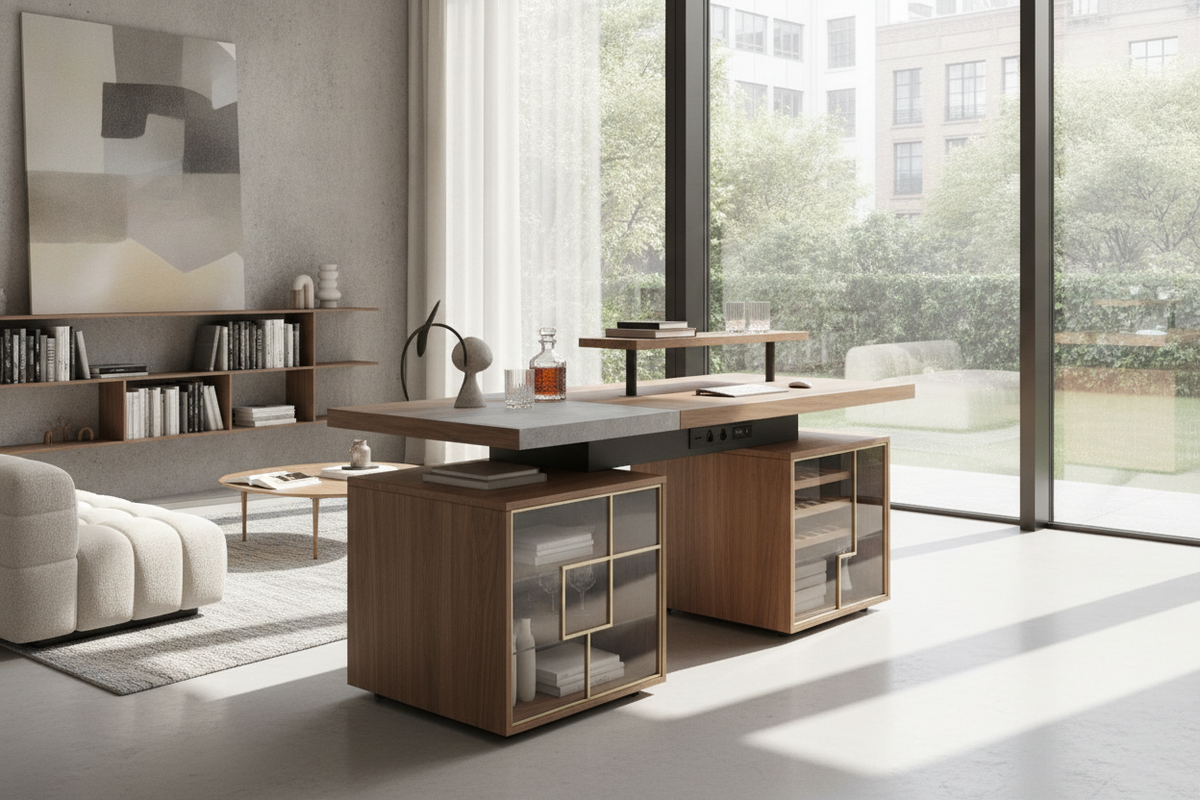
Understanding the Table Bar Desk: The Intersection of Dining and Elevated Work
Modern living environments increasingly call for flexible furniture that adapts seamlessly to shifting daily routines. The table bar desk has emerged as a practical architectural solution, bridging the gap between an elevated standing workspace, a casual dining counter, and an evening hospitality station. Unlike standard task desks designed strictly for seated office duty, a bar-height surface encourages active posture changes, allowing users to alternate effortlessly between standing, leaning, and perched seating.
This hybrid form factor is especially valuable in compact apartments, open-concept floor plans, and multipurpose guest rooms where dedicated zones for dining and computer work may compete for limited square footage. By elevating the functional plane, a table bar desk keeps the surrounding floor area visually light while providing a natural anchor for multiple activities throughout the day.
Dimensional Proportions and Spatial Sizing Frameworks
Selecting the right table bar desk requires balancing vertical clearance, surface depth, and perimeter circulation. Because elevated furniture sits higher than standard office tables, proportional alignment with seating and surrounding architecture is essential for both comfort and aesthetic harmony.
Surface Depth and Task Reach Zones
The operational depth of a bar desk dictates how comfortably it accommodates technical equipment alongside everyday hospitality items. A slender profile is often preferred for tight corridors and secondary perimeters, offering sufficient space for a laptop, tablet, and notepad without projecting too far into active walkways.
For primary work setups that require secondary monitors, desktop organizers, or shared dining place settings, a deeper surface provides greater utility. A wider desktop allows users to maintain a comfortable focal distance from digital screens during work hours, leaving enough forward clearance to serve dinner plates or beverage glassware later in the evening.
Lower Frame Clearances and Perch Stool Coordination
Under-table ergonomics are critical to ensuring comfortable long-term use. An elevated desk frame must provide ample vertical drop between the underside of the tabletop and the seating surface of coordinating barstools or drafting chairs. Adequate legroom allows occupants to tuck their knees beneath the counter without pressing against lower structural aprons.
Integrated footrests or horizontal lower stretchers play a dual role. Structurally, they tie the vertical leg posts together to minimize lateral deflection; ergonomically, they offer an elevated platform to rest feet when perching on high stools, relieving pressure on the lower limbs during extended working or dining sessions.
Room Fit and Architectural Placement Strategies
Positioning an elevated desk requires an understanding of room traffic patterns, sightlines, and natural light sources. Because of its height, a bar table draws visual focus, making deliberate placement central to the overall balance of an interior.
Open-Concept Room Zoning and Sofa-Back Configurations
In open living areas, a table bar desk serves as an effective space divider. Placing a long, narrow bar desk directly behind a floating sectional sofa establishes a distinct boundary between the lounging lounge and dining or kitchen zones. This setup creates an informal secondary seating tier where individuals can work on a laptop, enjoy a meal, or converse with people seated in the primary living area without disrupting traffic paths.
Similarly, positioning the table along the boundary between an open kitchen and an adjoining dining space functions as an auxiliary prep island during meal preparation, transforming into an interactive buffet or cocktail counter during social gatherings.
Perimeter Wall and Window Placement
Aligning a bar desk along an exterior wall beneath a window creates an engaging workstation that benefits from natural daylight and outward views. The elevated surface aligns well with window sills, offering an open feel that helps smaller rooms appear expansive. When mounted or placed flush against an interior accent wall, the desk can be paired with vertical shelving, wall-mounted task lamps, or acoustic pinboards to form a self-contained productivity niche.
Integrated Storage and Multi-Function Organization
Maintaining a clutter-free surface is essential when a single piece of furniture transitions from a daytime office to an evening dining and entertainment hub. Integrated organization systems prevent work supplies and domestic items from overlapping awkwardly.
Dual-Purpose Compartments for Work and Entertaining
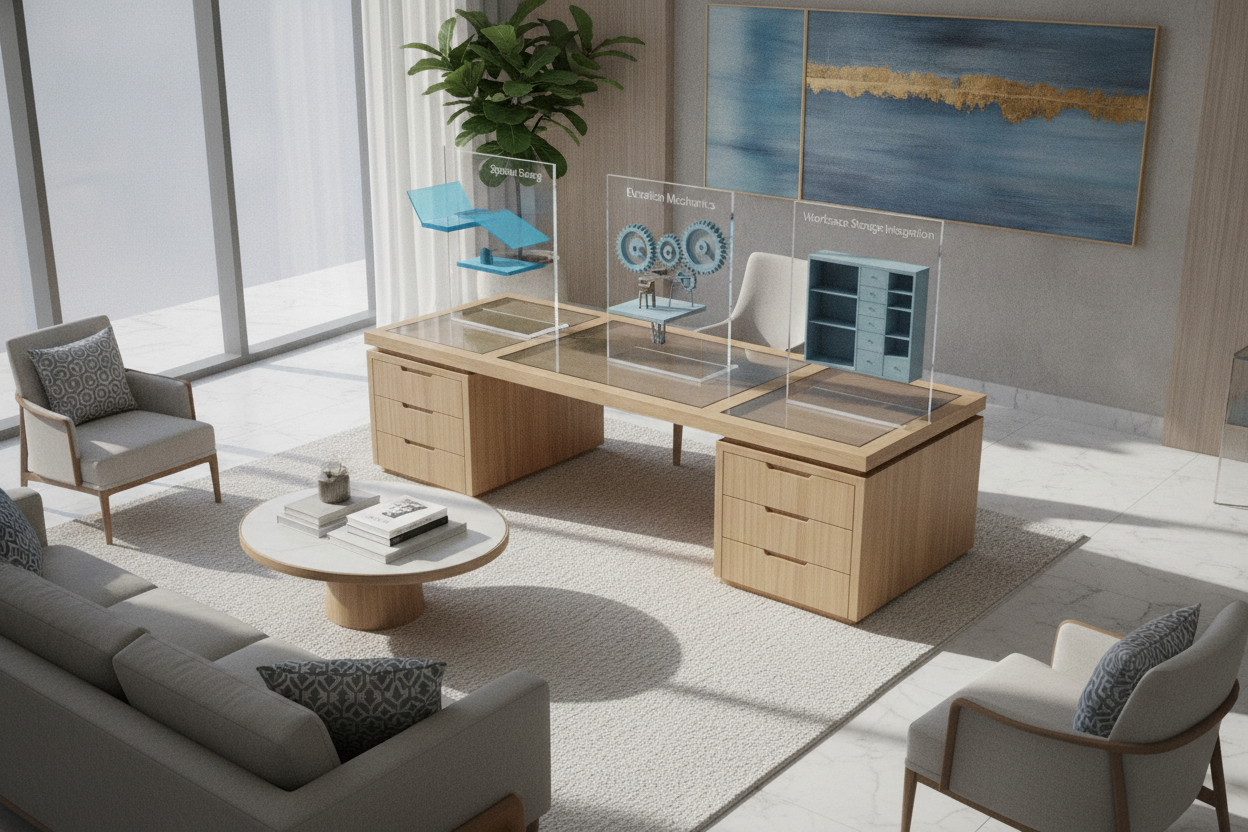
Many elevated desks incorporate clever compartmentalization, such as open side shelving, hanging stemware racks, lower book ledges, or concealed pull-out drawers. Side-mounted shelving units provide dedicated cubbies for office binders, laptop sleeves, and charging docks during work hours, which can quickly swap roles to house cocktail mixers, recipe books, or decorative tableware in the evening.
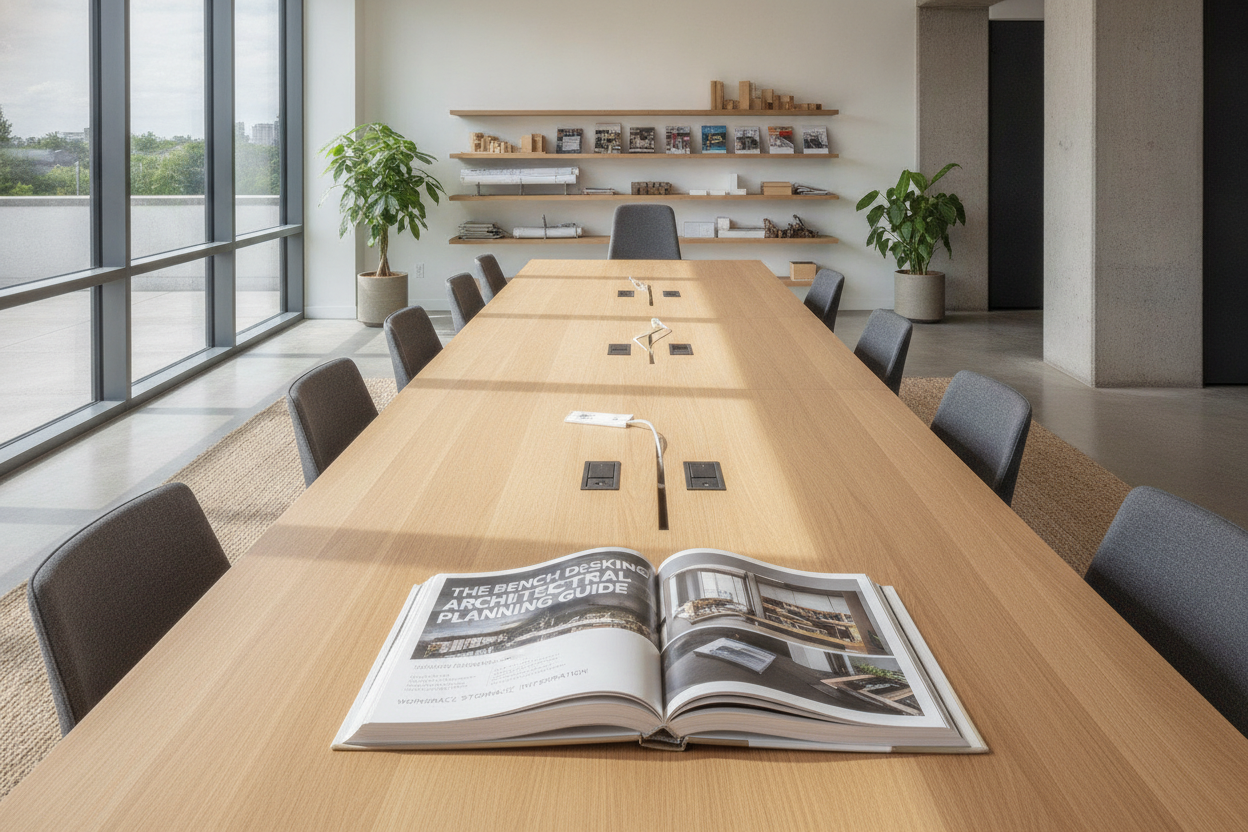
To explore complementary multi-use configurations and transitional storage layouts, reviewing a dedicated desk bar guide can offer valuable context on pairing compact cabinetry with elevated work surfaces. Utilizing lidded storage caddies and integrated cable passthroughs helps conceal power cords and electronic accessories, ensuring the transition from work mode to leisure remains rapid and visually clean.
Material Selection and Structural Stability Dynamics
Because bar-height desks feature longer vertical support legs, structural integrity and material durability are paramount. Choosing robust components ensures the desk remains firm and stable during vigorous typing, active perching, or shared dining.
Frame Rigidity and Sway Prevention
Taller tables are naturally more susceptible to lateral movement if the frame lacks adequate bracing. Desks engineered with heavy-gauge metal frames, welded corner gussets, or rear X-brace tension rods offer superior resistance to side-to-side wobble. Sturdy engineered wood or solid composite frames with reinforced dowel-and-cam connections also provide dependable stiffness.
Adjustable leveling feet beneath each leg post are crucial for compensating for uneven flooring surfaces, such as aged hardwood, textured tile, or plush area rugs. Fine-tuning these levelers establishes firm contact points with the floor, preventing minor wobbles that could distract during task-focused work.
Surface Durability and Finish Considerations
Given the dual demands of office productivity and hospitality, the tabletop finish must endure varied everyday stresses. Melamine and high-pressure laminate surfaces provide exceptional resistance to surface scratches from laptop chassis, pen marks, and condensation rings from chilled glasses.
Sealed wood veneers and treated composite boards offer rich organic textures while maintaining moisture resistance against accidental spills. Choosing matte or textured grain finishes also helps mask minor fingerprints and dust, keeping the furniture looking crisp across varying lighting conditions.
Assembly Precision, Maintenance, and Workflow Longevity
Proper assembly and routine care safeguard the structural rigidity and aesthetic appeal of a table bar desk over years of regular use. Following methodical assembly techniques ensures all connecting hardware achieves optimal mechanical hold.
- Even Fastener Tightening: When assembling tall metal or wooden frames, thread all bolts and screws loosely into their designated points before tightening them sequentially in a diagonal pattern. This prevents frame racking and ensures all joints align square.
- Periodic Hardware Checks: Due to regular movement, footrest engagement, and stool shifting, check and retighten structural fasteners every few months to maintain long-term rigidity.
- Surface Preservation: Wipe the desktop with a soft, damp microfiber cloth and neutral cleaner to remove dust and food remnants. Avoid abrasive scouring pads or harsh solvents that could compromise protective surface coatings.
- Floor Protection: Ensure protective felt or polymer glide pads remain intact beneath leveling feet to prevent scuffs on delicate flooring when repositioning the table.
By thoughtfully assessing room dimensions, structural stability, and day-to-night functional transitions, an elevated table bar desk delivers a versatile, space-conscious centerpiece that supports modern productivity and social living with equal ease.

Laisser un commentaire
Ce site est protégé par hCaptcha, et la Politique de confidentialité et les Conditions de service de hCaptcha s’appliquent.