
Anatomy of an Ergonomic Posture Chair
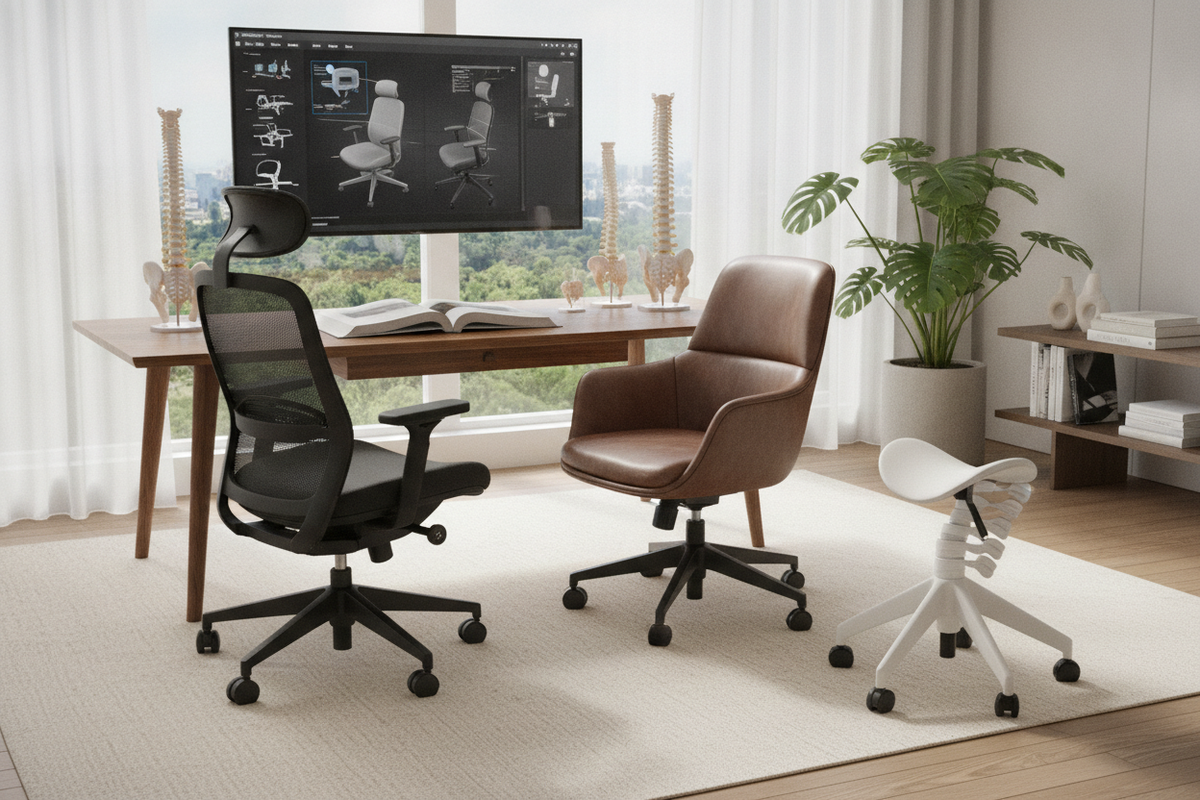
Selecting the best office chairs for posture requires understanding how individual structural components collaborate to support natural spinal curvature. Rather than relying on a rigid, static frame, a dedicated posture chair uses synchronized mechanisms that adapt to natural shifts in seated position throughout the day. When backrest tension, seat angle, and base stability function harmoniously, the user experiences continuous structural support that minimizes physical fatigue across extended work hours.
A well-engineered posture chair emphasizes an open pelvic angle and upright torso alignment. This alignment is facilitated by adjustable lumbar regions that mirror the inward curve of the lower back, paired with a stable pneumatic cylinder that keeps the feet grounded. By distributing body weight evenly across the seat cushion and backrest, good posture chairs reduce focal pressure points and encourage balanced upright seating habits.
Core Mechanical Support Systems
At the center of any high-performing posture seating is the mechanical control unit beneath the seat pan. Premium task chairs often feature synchro-tilt mechanisms, where the backrest reclines at a greater ratio than the seat pan tilts upward. This synchronized motion keeps feet planted and maintains lower back contact as you lean back. Users interested in complementary design insights can explore our comprehensive office chair guide to balance ergonomic function with residential room aesthetics.
Key mechanical components to evaluate when choosing the best posture office chair include:
- Independent Lumbar Tension Controls: Vertical height sliders and depth dials that customize regional firmness along the lower spine.
- Multi-Position Tilt Limiters: Recline stops that allow users to alternate between focused upright tasks and supported reclined reading.
- Seat Pan Depth Sliders: Horizontal track adjustments that tailor the seat depth to upper leg length.
- Multi-Directional Armrests: Height, width, depth, and pivot adjustments that cradle forearms and relieve shoulder tension.
These adjustable components distinguish standard decorative seating from truly good chairs for posture, giving each individual the ability to calibrate support to their exact seated posture.
Dimensional Sizing Tiers: Fitting the Chair to Your Frame
Even the best work chair for posture will fail to provide adequate alignment if the frame dimensions do not align with your physical stature. Ergonomic seating designs generally fall into three broad dimensional tiers: compact, standard, and expanded executive frames. Matching your chair to your specific height, leg length, and torso height ensures that dynamic mechanisms engage correctly.
Compact frames suit shorter individuals by offering narrower seat widths and reduced minimum seat heights, ensuring the feet rest flat on the floor without requiring an auxiliary footrest. Standard frames fit the broad majority of office workers, providing balanced seat pan depths and universal backrest spans. Expanded executive frames offer wider clearances, higher cylinder lift ranges, and taller back profiles to accommodate broader shoulders and longer limbs. Choosing among the best chairs for posture requires careful assessment of these proportional tiers before committing to a specific design.
Seat Pan Geometry and Edge Contours
Seat pan geometry plays a critical role in supporting healthy posture over long sitting sessions. The leading edge of the seat cushion should feature a gentle waterfall slope that curves downward away from the thighs. This waterfall contour prevents the front rim from pressing against the back of the knees, supporting unhindered leg placement and freedom of movement.
In addition to edge shape, cushion density must be considered. High-density molded foam retains its supportive contours over years of daily use without bottoming out under body weight. Alternatively, suspension mesh seat pans offer distributed weight dispersion and eliminate pressure points entirely. Whichever surface you select, ensuring proper clearance behind the knees remains an essential factor for proper lower-body posture.
Material Selection: Mesh, Leather, and Fabric Longevity
Material composition directly impacts how well a chair maintains its supportive qualities over extended daily use. Selecting the best office chairs for posture involves evaluating breathability, structural firmness, tactile comfort, and cohesive interior styling. To see how materials coordinate with professional home aesthetics, review our office work guide for practical decor recommendations.
- Technical Elastomeric Mesh: Highly breathable and responsive, suspension mesh provides continuous contouring support and excellent airflow, making it ideal for warm climates and high-intensity work environments.
- Performance Upholstery: High-density fabrics over molded foam cores deliver deep cushioning and a welcoming, tailored look that blends seamlessly with residential furniture finishes.
- Top-Grain Leather and Bonded Finishes: Supple executive leather finishes add timeless visual elegance and durable surface wear, provided the underlying foam padding offers sufficient ergonomic density.
A durable posture chair balances tactile enjoyment with resilient tensile strength, ensuring that the backrest tension does not slacken or sag after prolonged seating cycles.
Workstation and Storage Integration for Posture Alignment
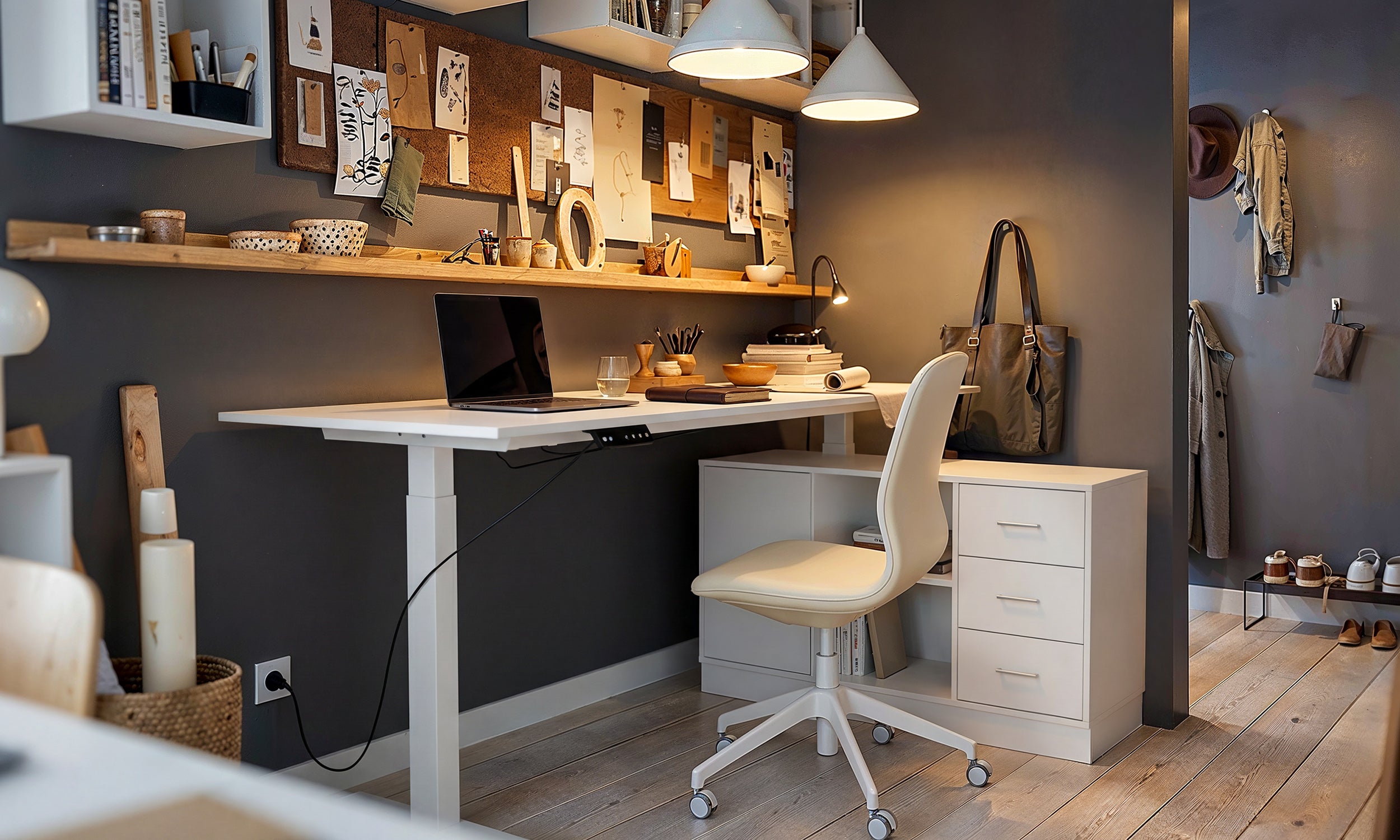
An ergonomic chair cannot perform effectively in isolation; it must integrate seamlessly into your overall workstation ecosystem. Desks, monitor arms, and storage units establish the spatial boundaries that either support or compromise your daily seated alignment. Coordinating these elements with your seating ensures you can maintain ideal posture without awkward reaching or twisting. For additional layout inspiration, consult our work good guide on practical home office arrangements.
To maintain optimal posture throughout the workday, configure your surrounding furniture layout with these practical principles:
- Clear Swivel Radius: Ensure adequate clearance behind and beside the chair base to rotate freely without colliding with adjacent filing cabinets, credenzas, or wall panels.
- Knee-Well Clearance: Maintain sufficient vertical and horizontal room beneath the desktop so the chair arms can glide under the surface when pulled forward.
- Primary Reach Zones: Position storage drawers, organizers, and everyday stationery within arm reach to eliminate repetitive forward leaning and spinal torsion.
- Monitor Alignment: Set computer screen height so the upper third of the display aligns with natural eye level, keeping the neck in neutral alignment.
When storage cabinets, desk surfaces, and seating geometry are planned together, maintaining upright posture becomes an effortless habit rather than an active chore.
Assembly, Maintenance, and Mechanical Calibration Checklist
Once you unpack your new posture chair, systematic assembly and initial adjustment ensure long-term stability and structural support. High-quality seating components rely on tight mechanical tolerances that perform best when assembled in a structured sequence.
- Base and Caster Assembly: Firmly insert casters into the five-star base legs, ensuring a secure snap-fit on every caster stem.
- Gas Cylinder Placement: Set the central pneumatic cylinder vertically into the base collar without applying grease or lubricants to the friction joints.
- Seat Mechanism Attachment: Fasten the tilt mechanism plate to the underside of the seat pan using the provided bolts, alternating bolt tightening in an X-pattern for balanced tension.
- Backrest and Arm Connection: Secure the backrest uprights and armrest brackets to the seat structure, ensuring all connecting hardware is driven straight and fully torqued.
- Post-Assembly Calibration: Sit in the chair and calibrate seat height so thighs rest parallel to the floor, adjust lumbar height to fit the lower back arch, and adjust armrests to support relaxed shoulders.
Periodically inspecting structural fasteners and wiping down mechanism rails will keep your posture chair functioning smoothly for years, maintaining reliable ergonomic support across every working session.



Laisser un commentaire
Ce site est protégé par hCaptcha, et la Politique de confidentialité et les Conditions de service de hCaptcha s’appliquent.