


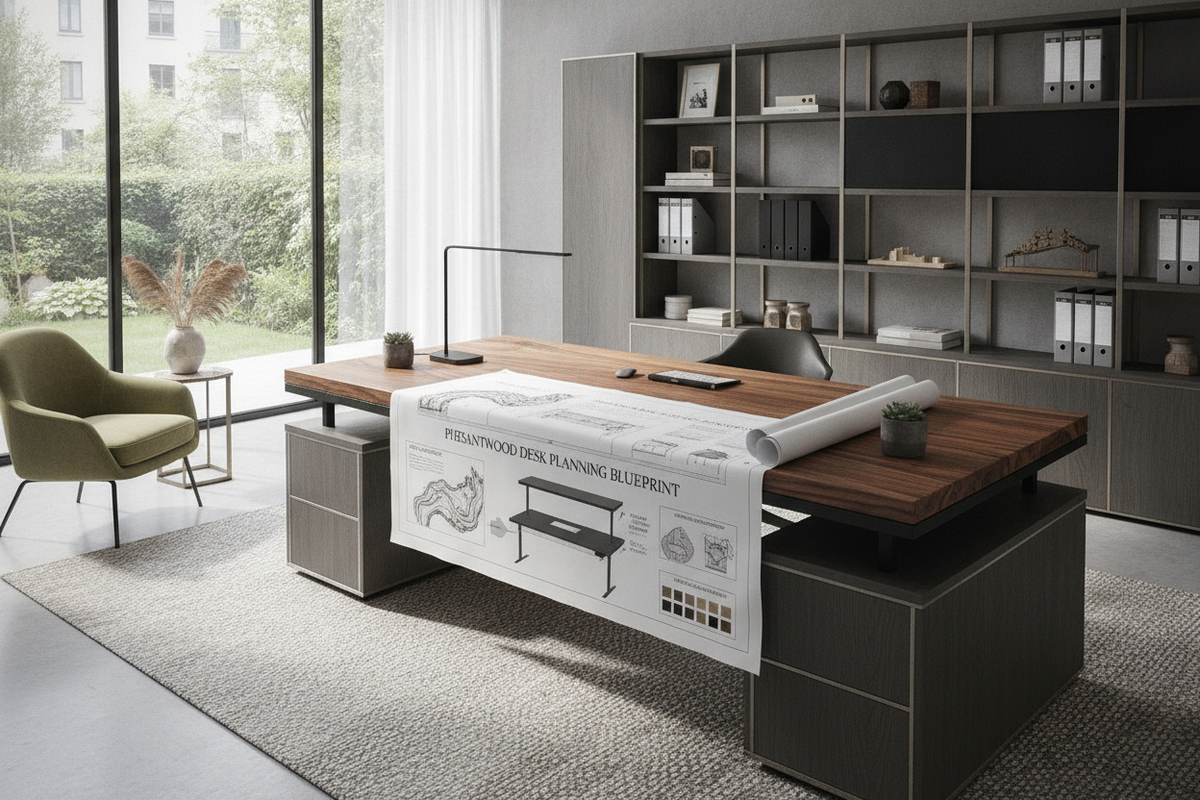
1. Material Profile: Understanding the Distinct Grain of Pheasantwood
Choosing a statement worksurface requires an understanding of both visual presence and timber stability. A pheasantwood desk commands attention through its unmistakable grain structure, characterized by dark, interlocking striations layered across a lighter amber and golden-brown background. Named for its resemblance to the feathered patterns of exotic game birds, this timber creates an organic, graphic focal point that shifts naturally with directional lighting.
Because the figuring in pheasantwood exhibits strong contrast, the desktop inherently carries substantial visual weight. In executive offices and open-plan studios, this expressive pattern anchors the central work zone, reducing the need for elaborate desktop ornamentation. When planning a layout around natural timber, exploring complementary furniture proportions is essential; for wider context, see our guide on material selection and spatial footprints.
Finishing treatments play a decisive role in how this wood grain behaves under ambient and focused illumination:
- Matte conversion varnishes: Preserve the raw, tactile texture of the wood while sealing open pores against daily moisture.
- Satin polyurethane coats: Enhance the depth of dark feathering without generating harsh specular glare across monitor screens.
- Natural hard-wax oils: Penetrate deep into the grain to emphasize warm undertones while facilitating spot repairs over time.
2. Material Comparison: Pheasantwood vs Walnut Worksurfaces
When selecting a premium hardwood desktop, the comparison between pheasantwood vs walnut frequently centers on aesthetic intensity, tonal balance, and lighting responsiveness. Both species represent high-tier choices for refined office environments, yet they establish distinctly different spatial moods.
Aesthetic Contrast and Movement
Walnut is celebrated for its flowing, linear grain and subtle cathedrals, presenting a cohesive, chocolate-brown surface that feels subdued and architectural. Pheasantwood, by contrast, delivers sharp chromatic shifts within narrow bands. The alternating dark brown, nearly black lines against warm honey hues create a dynamic rhythm across the desktop, making each slab distinct and bold.
Color Temperature and Room Coordination
American black walnut leans toward muted, neutral-to-cool brown tones that blend seamlessly into mid-century, minimalist, or traditional executive spaces. Pheasantwood introduces a broader palette of warm amber highlights and deep charcoal undertones. This makes it particularly effective in high-contrast contemporary settings, industrial loft environments, and modern interior schemes incorporating raw steel, smoked glass, and stone elements.
Lighting Interaction
Under broad natural daylight, walnut absorbs and softens ambient illumination, creating a calm, uniform working plane. Pheasantwood reveals iridescent qualities in its lighter growth rings, reflecting varied light levels depending on viewing angle and task lamp placement. Positioning diffuse task lighting above a pheasantwood worksurface helps highlight its intricate depth without causing distracting surface reflection.
3. Structural Framework: Pairing Hardwood Slabs with Dynamic Sit-Stand Bases
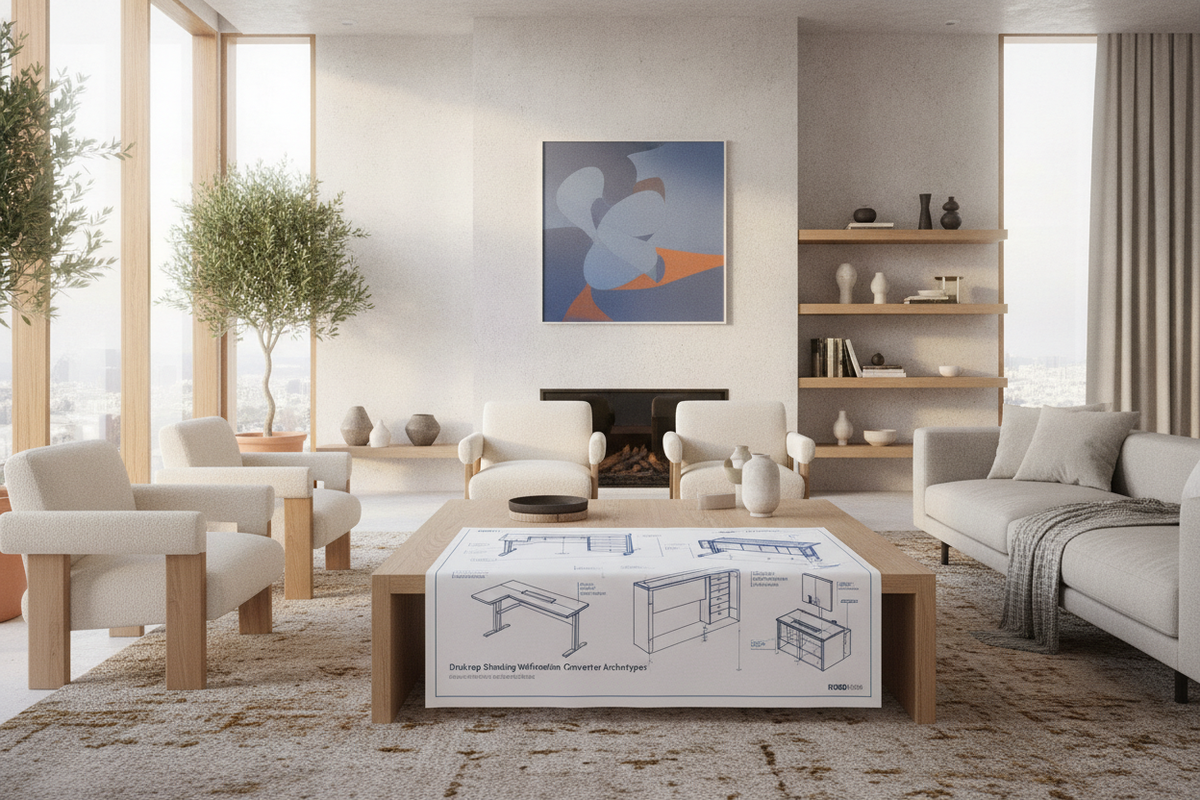
Integrating a dense, solid timber top with an adjustable height workstation requires careful mechanical planning. Solid hardwood slabs exhibit greater mass and lateral inertia than synthetic composite boards, demanding an equally capable support system. When planning an active workstation, review our analysis of elevation archetypes and dynamic clearance zones.
Motorized Frame Stability and Mass Distribution
To ensure smooth vertical transitions, the underlying lifting mechanism should feature a dual-motor configuration supported by substantial steel column legs. The added weight of an exotic hardwood top lowers the overall center of gravity, which enhances rigidity at seated heights. However, at standing heights, robust cross-support telescoping beams are necessary to prevent front-to-back sway.
Under-Desk Fastening and Movement Allowance
Because natural wood expands and contracts across its grain in response to seasonal humidity shifts, rigid direct screwing can introduce internal stresses. Consider the following hardware approaches during frame integration:
- Threaded brass or steel inserts: Embedded into the underside of the top to allow secure, repeatable frame assembly without stripping wood fibers.
- Slotted mounting brackets: Accommodate natural lateral expansion and contraction across the desktop depth.
- Cantilever balancing: Maintaining moderate overhangs beyond the lifting columns to prevent uneven torque on motorized tracks.
4. Storage and Cabinetry Coordination for High-Contrast Desks
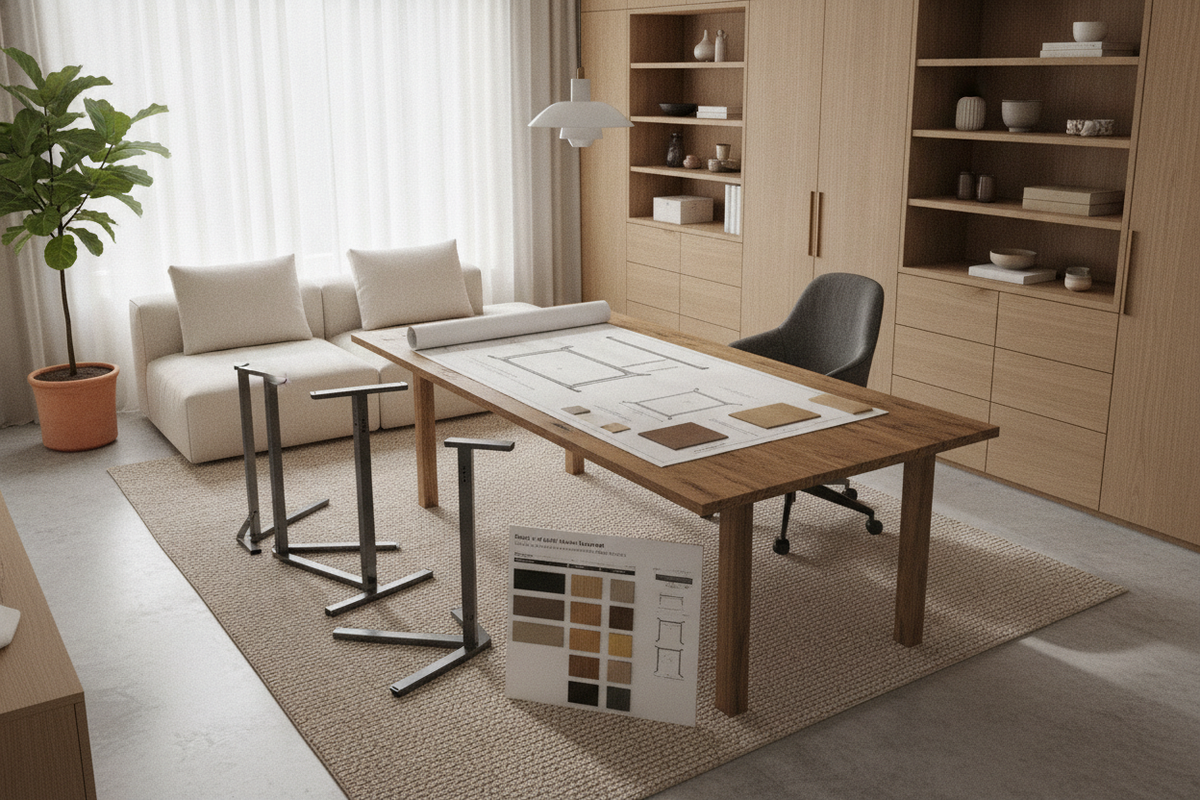
Because a pheasantwood desk possesses intricate natural patterning, surrounding storage elements should create architectural balance rather than competing for visual focus. Harmonizing your workstation with secondary storage is explored in our review of workstation archetypes and storage modules.
Cabinetry Finishes and Tonal Pairing
To highlight the warmth and grain of pheasantwood, pair the desk with monolithic storage cabinetry. Solid matte black credenzas echo the deep striations in the wood, creating a tailored, grounded executive suite. Alternatively, soft white or warm greige sideboards provide an airy, high-contrast backdrop that allows the desk to stand out as a central sculpted element.
Spatial Layout of Storage Modules
Consider the functional relationship between the primary desktop and auxiliary storage:
- Low-profile credenza returns: Positioned perpendicular to the desk to form an open L-shaped work triangle while preserving clear sightlines.
- Mobile under-desk pedestals: Sized with sufficient vertical clearance so the motorized frame can lower fully without contacting storage tops.
- Concealed cable channels: Routing monitor power lines, charging cables, and hub connectors behind dedicated raceways keeps the organic wood surface uncluttered.
5. Maintenance, Environmental Care, and Longevity Protocols
Preserving the beauty and structural integrity of an exotic hardwood desk involves mindful environmental control and straightforward maintenance routines. Implementing standard care practices safeguards the timber from premature wear and seasonal warping.
Environmental Stability
Like all natural hardwoods, pheasantwood responds to ambient atmosphere. Maintain consistent indoor relative humidity and avoid positioning the desk directly over heating vents, alongside radiators, or in constant direct, unfiltered sunlight. These precautions help prevent micro-checking and preserve the richness of the wood tones over years of service.
Surface Care and Workstation Ergonomics
For routine cleaning, use a lightly dampened microfiber cloth followed immediately by a dry towel to prevent moisture accumulation. Avoid aggressive chemical solvents or abrasive cleaners that can degrade protective topcoats. Adding felt or leather desk pads beneath heavy keyboard trays and laptop stands creates a comfortable interface while protecting the figured timber from localized friction and contact marks.

Laisser un commentaire
Ce site est protégé par hCaptcha, et la Politique de confidentialité et les Conditions de service de hCaptcha s’appliquent.