


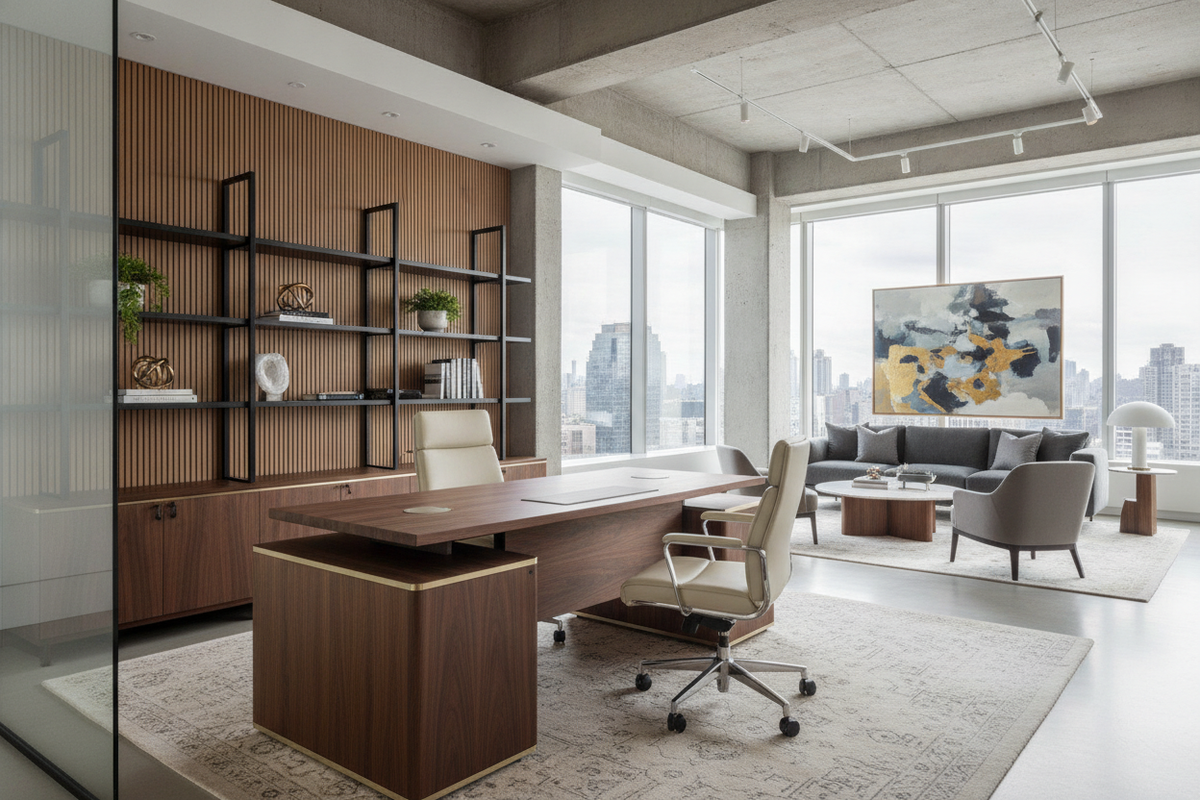
Height-adjustable office furniture has evolved well beyond utilitarian steel legs supporting generic laminate surfaces. Today, an executive workspace demands furniture that treats ergonomic movement as an architectural feature rather than a mechanical afterthought. Investing in a luxury standing desk allows remote executives, creative directors, and discerning homeowners to cultivate an environment where posture-supporting utility harmonizes with heirloom-grade craftsmanship.
Achieving this balance requires stepping away from industrial cubicle standards. By consulting a dedicated standing desk resource during your layout planning, you can identify how thoughtful proportions, organic finishes, and hidden cable management turn dynamic workstations into timeless focal points.
Defining the Luxury Standing Desk: Beyond Utilitarian Sit-Stand Frames
A standard sit-stand unit is primarily mechanical, designed to elevate work gear from seated to standing heights with minimal cost. In contrast, a luxury sit-stand desk prioritizes visual weight, tactile richness, and spatial harmony. The distinction lies in how the piece relates to the surrounding architecture.
Executive-level furniture conceals internal mechanics behind elegant joinery, substantial leg pedestals, and refined metal treatments. When positioned in a private study or an executive suite, a luxury adjustable desk feels intentional at every height. It neither exposes tangled power cords during elevation nor disrupts the visual serenity of finely curated wall panels and bespoke shelving.
Dimensional Footprints and Spatial Proportions in Executive Layouts
Scale dictates how effectively an office functions. An undersized desk can feel insubstantial within a grand room, while an oversized frame risks overwhelming circulation pathways. Discerning planners evaluate both surface spans and room boundary clearances before finalizing dimensions.
Compact Luxury Suites: Balancing Proportions Without Sacrificing Presence
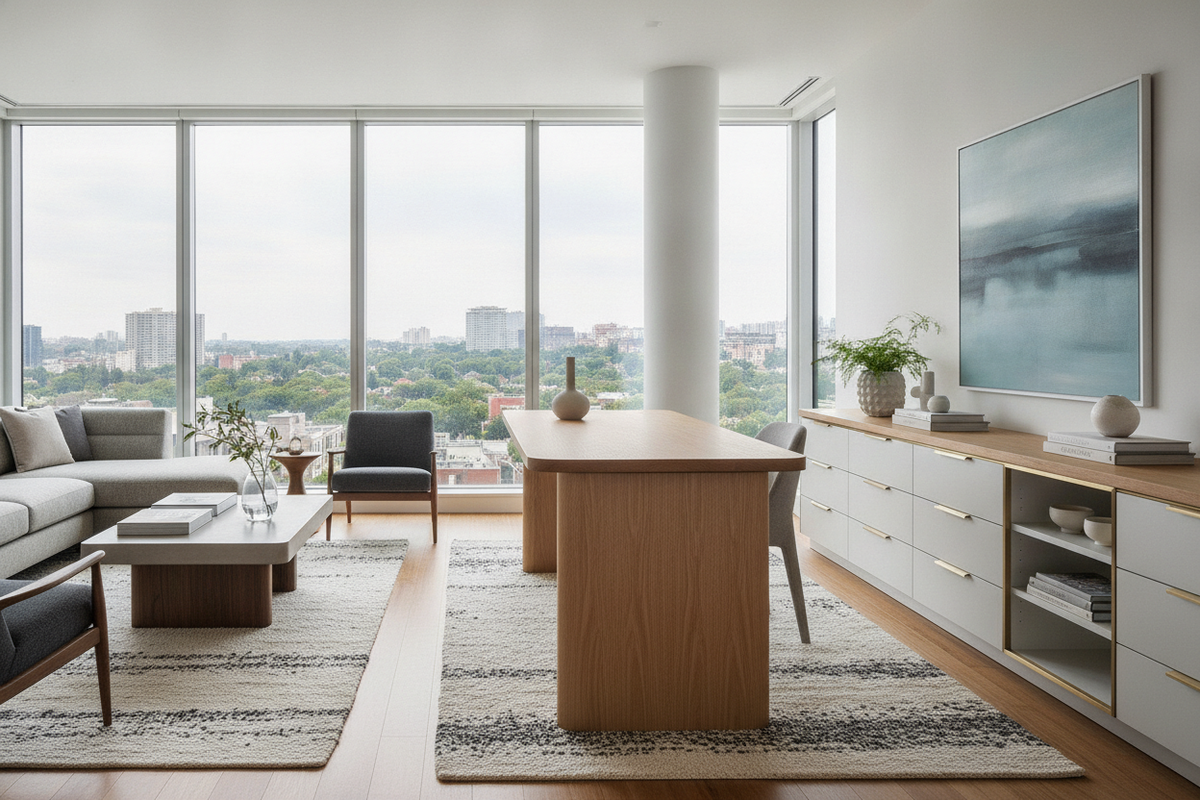
In curated study alcoves, urban high-rise offices, or boutique home libraries, floor area is carefully guarded. A compact luxury standing desk must project refined presence without monopolizing walkways. Maintaining adequate clearance along door swings and credenza perimeters ensures the room feels open and calm.
For these spaces, choosing a tailored desktop footprint allows the desk to anchor the corner of a room gracefully. Subtle chamfered edges, floating storage accents, and unified wood grains give even a moderately sized desk substantial character.
Expansive Executive Workstations: Accommodating Multi-Screen Setups and Primary Reach Zones
Larger suites require expansive footprints to balance generous ceiling heights and broader architectural walls. Here, the work surface must accommodate secondary device mounts, writing folios, and executive task lighting without spilling over into functional clutter.
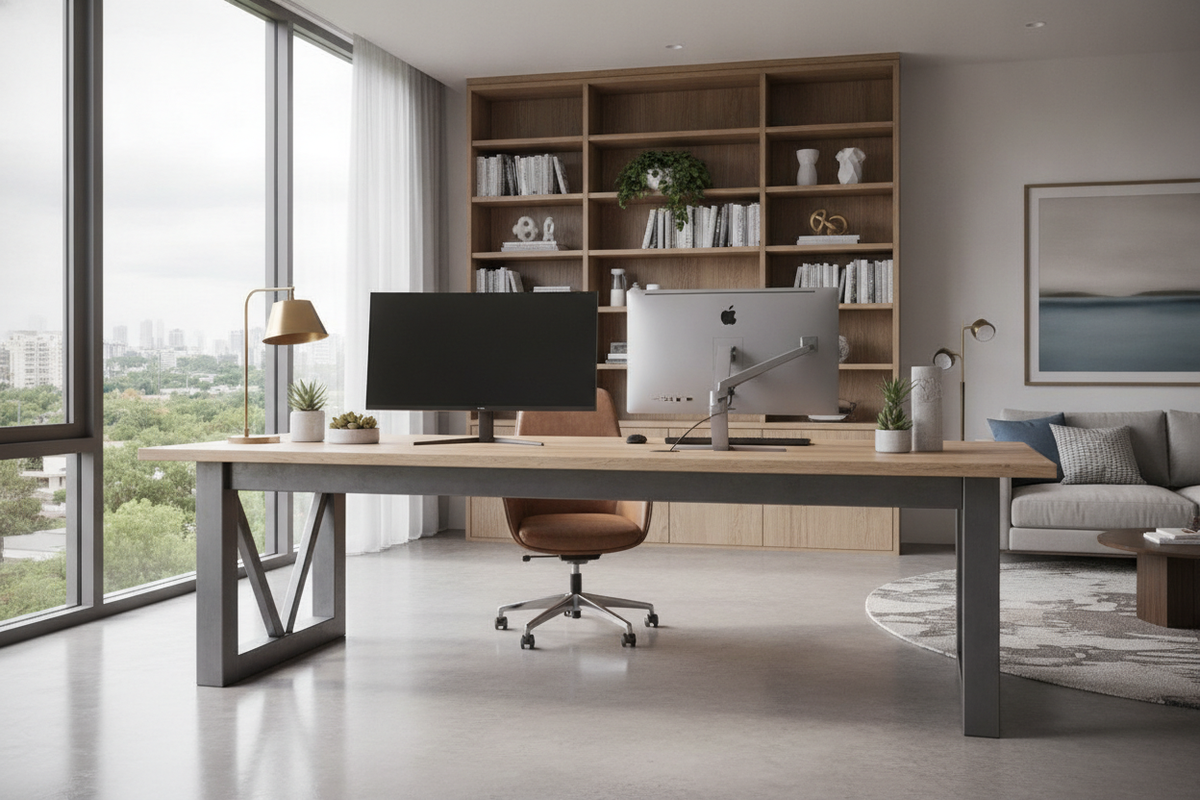
For professionals requiring broad spans with integrated organization, selecting a comprehensive adjustable standing desk product offers both generous reach zones and tailored utility. Deeper desktop spans also preserve a clear foreground for tactile tasks while screens remain situated comfortably in the background.
Material Curation: Solid Hardwoods, Architectural Veneers, and Metal Finishes
Materiality defines the sensory experience of an office. The surface beneath your hands sets the mood for the entire workday, making grain selection and edge detailing fundamental to executive comfort.
Natural walnut, rift-sawn oak, and weathered rustic woods remain standard favorites in upscale home offices. Walnut provides a warm, satiny luster with subtle grain variations that soften modern tech hardware. Oak brings structured, linear grain patterns that withstand everyday wear while pairing naturally with matte black or burnished bronze bases.
When pairing rich timber grains with existing millwork, our desk luxury guide highlights how deep walnut and oak textures anchor executive aesthetics. Rather than settling for sharp PVC edge-banding, fine furniture incorporates hand-finished bevels, rounded bullnose rims, or knife edges that relieve pressure on wrists and forearms.
Storage Architecture: Bridging Dynamic Elevation and Built-In Organization
Historically, the primary compromise of height-adjustable furniture was the elimination of under-desk storage. Early sit-stand frames left users with barren tabletops and exposed power bricks. Modern luxury designs resolve this friction by incorporating dedicated storage architecture directly into the lifting envelope.
Integrated Drawers and Side Storage Cabinets for Dynamic Workstations
Integrated organization keeps essential stationery, archival notebooks, and personal technology tucked away, preserving pristine visual sightlines across the executive suite. Flush-mounted shallow pencil drawers maintain essential thigh clearance while seated, preventing ergonomic pinch points.
For broader organizational needs, configuration choices such as an L-shaped adjustable standing desk product bridge dynamic height transitions with dedicated return pedestals. By pairing a lifting primary desk with anchored side storage, professionals gain filing drawers and closed cabinets without overloading the lifting mechanism.
Concealed Cable Architecture and Surface Organization
Nothing disrupts a fancy standing desk faster than exposed cords draping down during height adjustments. High-end desks feature structural channels integrated directly into the crossbeams or leg columns, routing power lines from wall outlets straight into hidden distribution trays.
Under-mounted cable troughs, integrated power grommets trimmed in matching wood tones, and magnetic modesty shields keep power cords completely hidden from view. The goal is simple: whether seated or fully elevated, only the architectural lines of the furniture should be visible to clients and colleagues.
Structural Rigidity and Lifting Dynamics: Engineering Stability at Full Height
A desk that wobbles during video conferences or keyboard use fails the luxury test, regardless of how beautiful its tabletop may be. Stability at peak standing height is a defining engineering distinction between mass-market utility frames and high-end executive furniture.
Executive desks rely on sturdy telescoping columns engineered with tighter internal tolerances. Dual-motor or multi-motor systems ensure each leg segment elevates synchronously, preventing micro-tilts that strain mechanical joints over time. Solid steel leg crossbars, thick base plates, and heavy-gauge mounting flanges anchor the desk firmly against lateral shifts and unwanted floor vibration.
Room Styling and Suite Coordination: Creating a Cohesive Luxury Interior
A luxury sit/stand desk should never exist in aesthetic isolation. To achieve a polished, gallery-level interior, coordinate the desk's wood tones, metal hardware, and structural silhouette with the room's secondary furnishings.
- Executive Seating: Pair your desk with an ergonomic leather armchair or tailored upholstered task chair that complements the frame finish.
- Surrounding Millwork: Balance open floating bookshelves, credenzas, or display cabinets with the timber tones of your desktop.
- Textile Anchors: Ground the workspace with a low-pile wool rug, ensuring smooth movement for casters and anti-fatigue standing pads alike.
- Ambient Lighting: Complement natural daylight with architectural task lamps featuring brass, gunmetal, or hand-turned ceramic details.
Curating ambient lighting, tailored desk pads, and intentional tabletop sculpture—as detailed in our desk luxury guide—unifies the entire private study. When material tactility, dynamic engineering, and integrated storage come together, your height-adjustable desk becomes an enduring cornerstone of daily productivity and executive refinement.

Laisser un commentaire
Ce site est protégé par hCaptcha, et la Politique de confidentialité et les Conditions de service de hCaptcha s’appliquent.