
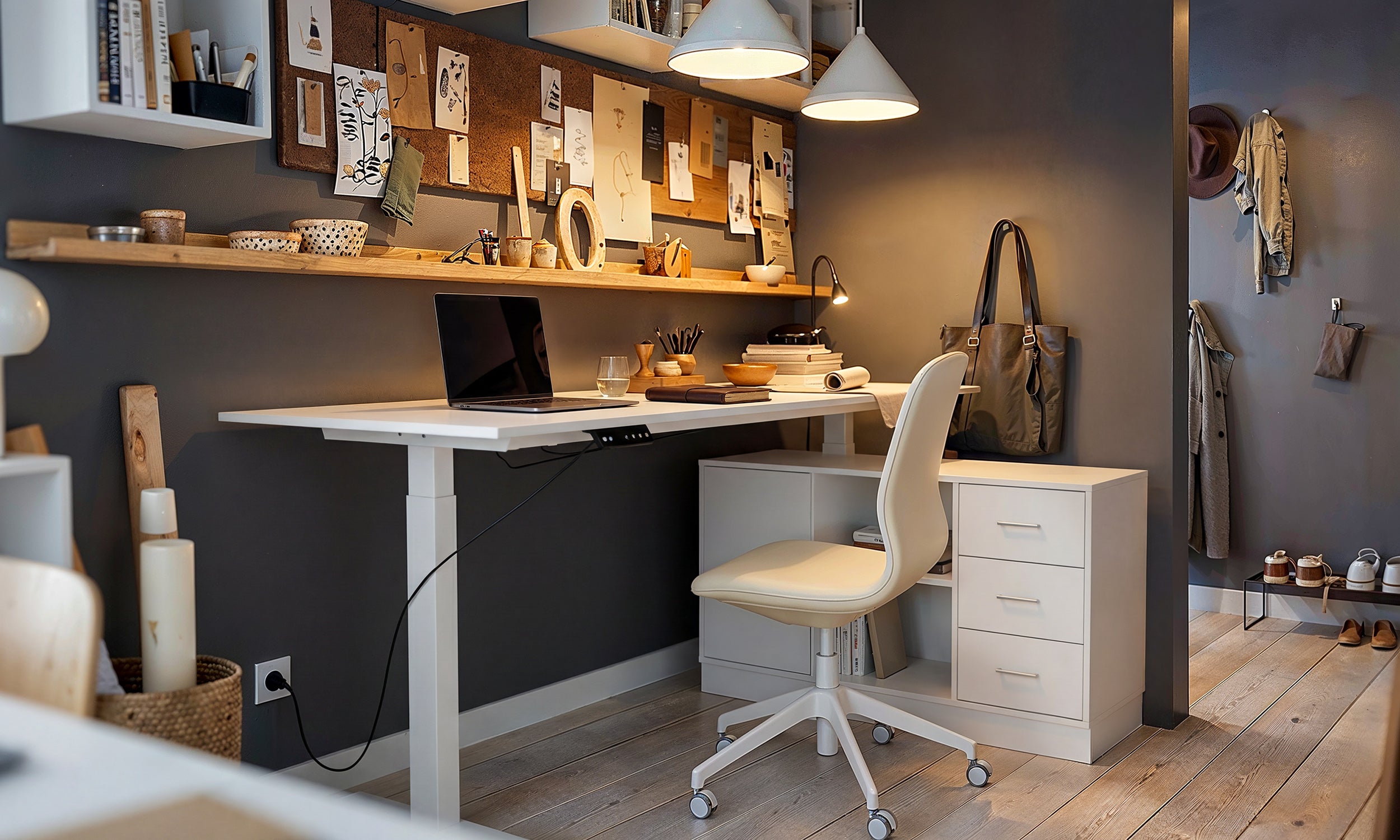
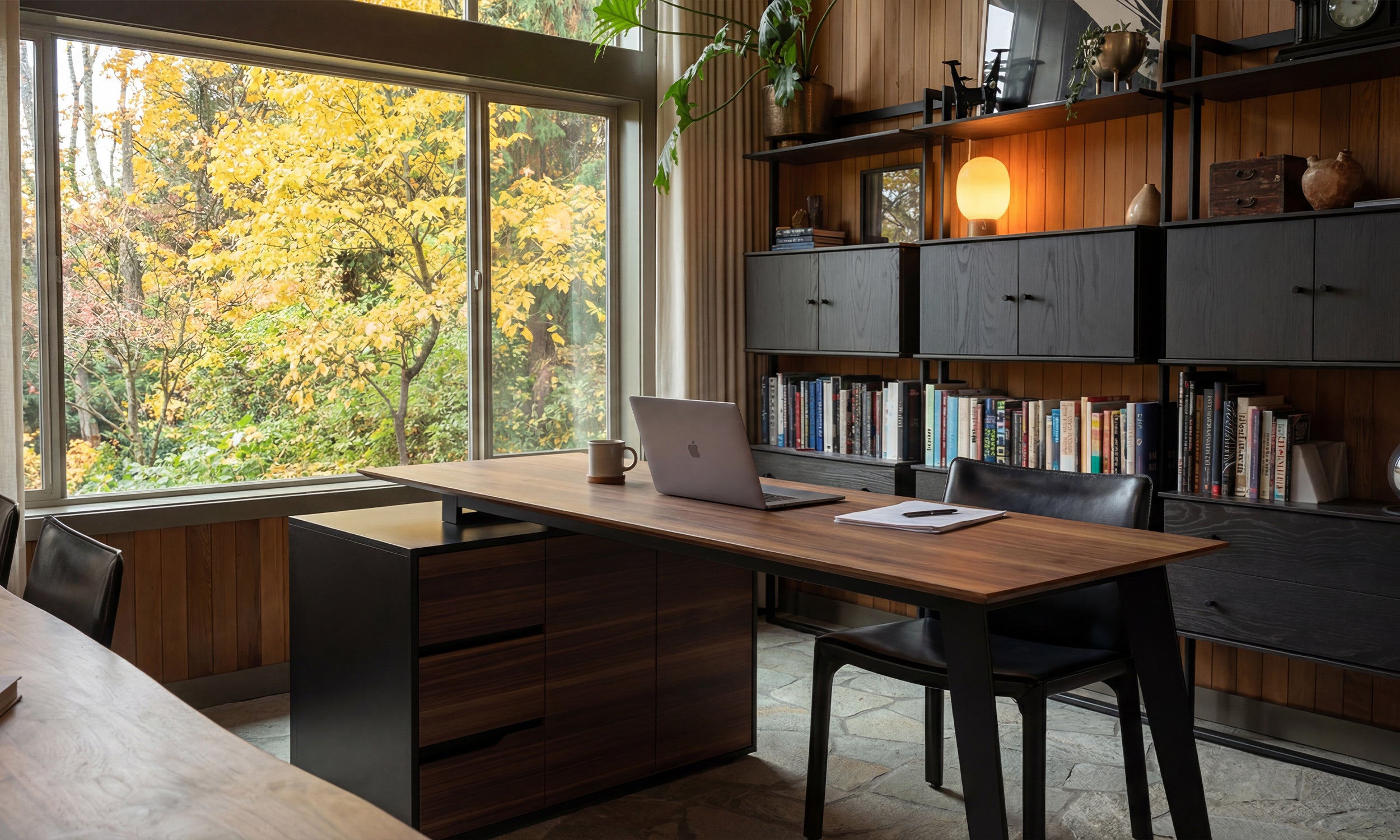

When setting up a comfortable home office workstation, the foundation beneath your work surface plays an essential role. The legs on desk configurations do much more than hold a slab of wood at chair height. They dictate structural rigidity, preserve balanced weight distribution, and prevent unwanted movement during intense typing or drafting. Whether you are assembling custom table desk legs, replacing worn office desk legs, or selecting durable legs for desk top projects, understanding your options helps you build a reliable and comfortable workspace.
Why Choosing the Right Legs on Desk Matters
Selecting sturdy desk legs ensures that your entire writing surface remains stable throughout the workday. Quality computer desk legs resist lateral wobble, a common annoyance that occurs when heavy screens sit on monitor arms or when you shift your weight against the front edge. When support structures are mismatched or poorly fastened, desks can sway and loosen over time, placing stress on fasteners and desktop joints.
Beyond physical stability, the profile and placement of your desk support legs directly affect daily comfort. Ample knee clearance lets you stretch, cross your legs, and roll an office chair smoothly without catching armrests on low brackets. The right support layout also leaves tidy corridors for cable routing, power bricks, and compact computer towers.
Popular Desk Leg Profiles and Structural Shapes
Under-desk supports come in diverse configurations, each offering distinct advantages for legroom, stability, and room aesthetics. Exploring common silhouettes makes it easier to match the right base to your work routine.
Post Legs and Individual Column Bases
Individual column legs represent a classic, adaptable choice. These round or square desktop legs attach beneath each corner with a dedicated mounting plate. Because each post mounts independently, they provide generous knee clearance from nearly any angle. While individual posts are convenient and cost-effective, expansive desktops supported only by four slender posts can develop slight lateral sway unless paired with an under-desk apron or stiff top material.
U-Shaped and Sled Metal Frames
What type of legs on desk offer the most stability? Continuous U-shaped metal frames and closed rectangular loops offer exceptional resistance to lateral wobble because the bottom floor bar locks the two vertical uprights into a rigid structure. These office desk metal legs distribute weight along broad floor runners rather than four pinpoint feet, protecting floors while handling heavy equipment loads.
For rooms that call for clean industrial lines alongside proven rigidity, factory-engineered models like a desk with U-shaped metal legs unite durable powder-coated steel with a solid writing surface. Continuous frames are ideal for expansive home office setups, dual-monitor workstations, and gaming desk legs supporting heavy desktop towers.
T-Leg and C-Leg Bases for Under-Desk Room
Commercial office legs frequently rely on T-leg and C-leg designs. A T-leg positions its vertical column directly over the center of an elongated foot, balancing downward weight evenly between the front and rear. A C-leg places the upright post toward the rear boundary of the desk footprint, opening unobstructed side entry for your knees and chair. These profiles are widespread in commercial spaces where people frequently rotate, stand, or reposition themselves during collaborative tasks.
Key Materials for Sturdy Desk Support
The core material of your table legs for desk setups determines their longevity, maintenance needs, and carrying capacity.
- Powder-Coated Steel: Most modern computer table legs and office furniture table legs feature tubular powder-coated steel. Steel offers high tensile strength, resists flexing under substantial desktop loads, and holds up against scuffs from rolling chairs and vacuum cleaners.
- Solid Timber: Hardwood desk legs bring warmth, organic texture, and traditional craftsmanship into an office. While solid timber posts handle significant vertical weight, they require sturdy corner brackets to prevent joint looseness as wood naturally responds to seasonal humidity changes.
- Cast Iron and Specialty Alloys: Heavy decorative trestle base designs provide substantial self-weight, anchoring the desk firmly on hard floors and lending an industrial character to the room.
Height Considerations and Leveling Desk Feet
How do leveling feet prevent desk wobble on uneven floors? Threaded leveling glides sit underneath each base and adjust up or down to compensate for subtle floor slants, uneven floorboards, or tile grout lines. These adjustable desk feet eliminate annoying rocking without needing folded cardboard or wood shims.
Standard seated writing surfaces generally rest around comfortable mid-range heights for typical task chairs, but slight variations can affect elbow and shoulder comfort. If you want the flexibility to work while standing without replacing your entire base, pair fixed computer desk legs with an adjustable tabletop riser. Our standing desk converter guide examines how desktop lift units function effectively atop fixed office furniture.
Balancing Desk Legs with Storage Needs
Can I add storage drawers under a desk with open metal legs? Yes, you can combine open desk support legs with mobile drawer pedestals, or replace one side of the base with an integrated storage cabinet. Designing desk legs with storage helps you organize notebooks, cables, and charging gear without cluttering your writing surface.
In larger rooms, functional configurations such as a minimalist corner desk with storage demonstrate how vertical supports and shelving can blend into a stable, expansive workstation. If you prefer open post legs, supplementing your desk area with pieces from an adjustable shelf storage collection keeps reference materials organized while preserving open knee clearance.
Mounting Methods and Tabletop Attachment
The attachment method between your base and the tabletop dictates how solid the desk feels over months and years of daily use.
- Surface Mounting Plates: Many legs for desk top installations include a flat top mounting plate pre-drilled for wood screws. When fastening, select screw lengths that seat deeply into the core without puncturing the finished top surface.
- Threaded Inserts: If you anticipate moving or disassembling your desk periodically, install threaded inserts into the underside of the panel. Machine bolts screw into these metal sleeves securely, preventing the stripped screw holes that often happen with repeated wood screw removal.
- Full Perimeter Aprons and Trestles: Connecting your uprights to an under-desk frame or trestle base distributes lateral forces across the entire underside of the surface, making it especially beneficial for wide spans or thinner desktop materials.
For more advice on pairing modular surfaces with stable hardware, our modular desk planning guide covers helpful strategies for organizing fasteners, leg brackets, and under-desk cable management.
Selecting the Right Configuration for Your Room
Determining the ideal base arrangement depends on your available space, equipment weight, and organizational habits:
- Compact Alcoves: Straight round or square legs for computer desk tops make the most of limited footprints, leaving clearance underneath for wastebaskets or compact computer towers.
- Multi-Screen Workstations: Workspaces with heavy display setups benefit from broad U-frames, sled bases, or reinforced gaming desk legs that effectively counteract typing vibration and lateral sway.
- Open Layouts: Desks placed in the center of a room often look best with symmetrical T-legs or understated trestle bases that appear balanced from all viewing angles.
- Budget-Friendly Upgrades: Simple screw-on post legs offer an economical route for student study spots or secondary hobby tables while maintaining reliable day-to-day stability.
By taking into account leg silhouette, attachment hardware, and practical leveling glides, you can build a stable workstation that supports productive, focused work for years to come.


Laisser un commentaire
Ce site est protégé par hCaptcha, et la Politique de confidentialité et les Conditions de service de hCaptcha s’appliquent.