


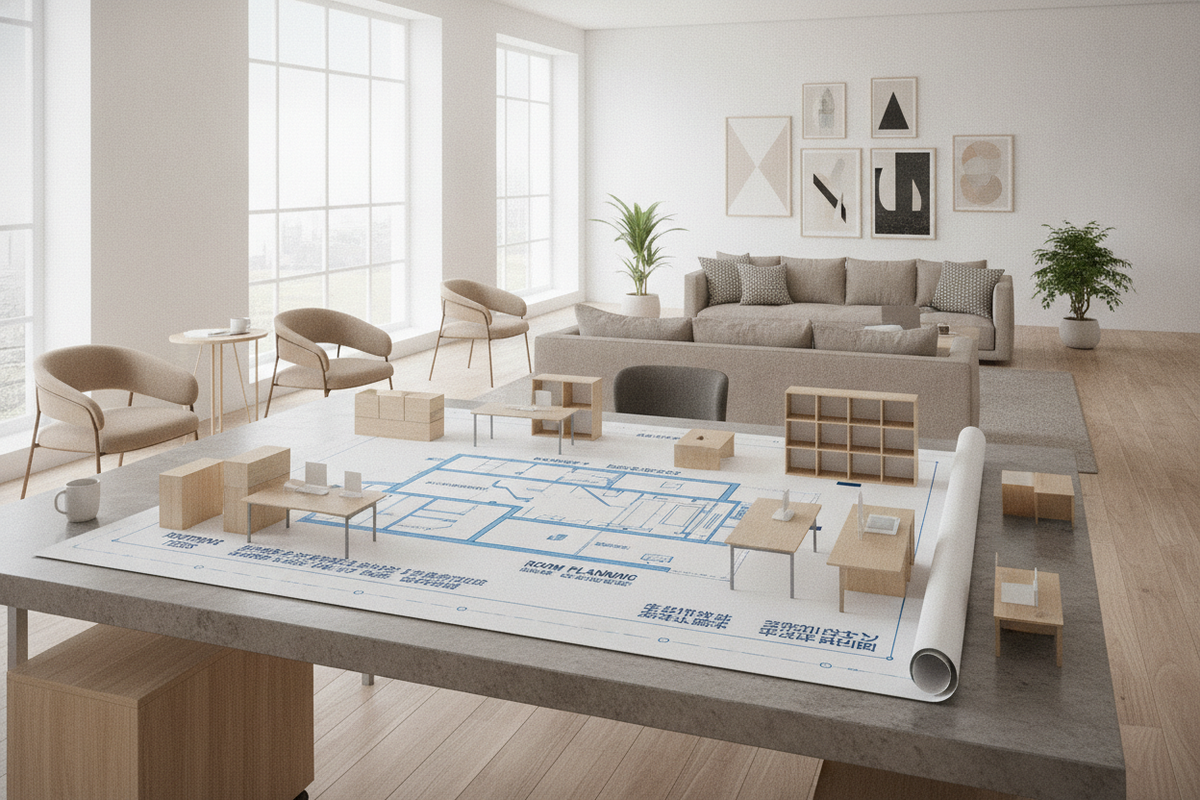
Designing a productive workspace does not require investing in costly executive suites. For remote professionals, students, and home organizers, selecting practical inexpensive office desks is about understanding structural value rather than simply chasing the lowest price tag. A well-designed workspace balances tabletop real estate, user posture, legroom clearance, and storage without overwhelming the room envelope.
When planned thoughtfully, low cost desks can serve as durable workstations that anchor daily projects, study sessions, and administrative tasks. By evaluating frame archetypes, spatial footprints, material detailing, and vertical storage integration, you can easily identify a low price desk that delivers long-term utility and visual polish.
Structural Archetypes of Inexpensive Office Desks
Budget-friendly workstations generally fall into three structural categories, each catering to specific task flows and room layouts:
- Minimalist Steel-Frame Writing Desks: These tables prioritize open leg space and straightforward assembly. Built with slim metal legs and an engineered wood top, they suit laptop users who require minimal physical paperwork on display.
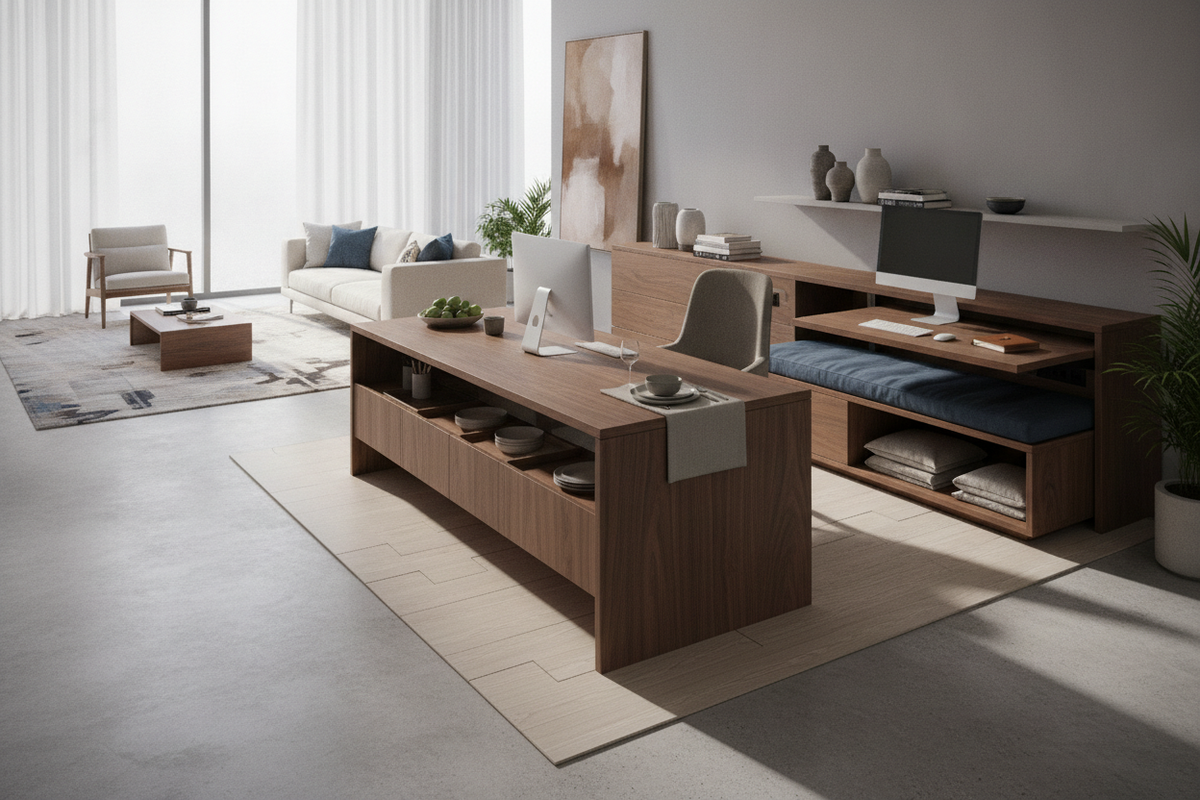
- Integrated Pedestal Workstations: These models incorporate drawers, side shelving, or cabinet units directly into the desk framework. An integrated desk and storage cabinet workstation consolidates office supplies, filing bins, and hardware into a single furniture footprint, eliminating the need to purchase supplemental storage units.
- Space-Optimized Corner Desks: Designed in L-shaped or angled profiles, corner tables maximize perimeter room zones. They divide equipment naturally, allowing one side to host monitor mounts while leaving the return wing open for writing or project materials.
Choosing among these archetypes depends primarily on your gear requirements. If your daily routine involves multiple peripherals, desktop printers, and reference binders, an integrated archetype provides built-in organization that streamlined writing tables cannot match.
Spatial Footprint & Dimension Tiers: Sizing Low Cost Desks to Room Envelopes
Proper workspace planning requires aligning desktop dimensions with both user needs and room circulation paths. Assessing desks by dimension tiers helps prevent cramped movement corridors:
- Compact Nook Footprints: Suited for bedroom corners, hallway alcoves, and shared studio apartments. These desks offer sufficient depth for a laptop and notebook while leaving floor space clear for doorway swings and chair movement.
- Standard Task Dimensions: Ideal for dedicated study rooms or guest-office combinations. Standard dimensions accommodate an external monitor, keyboard tray or desk pad, and task lighting without crowding the primary work zone.
- Expansive Corner and Return Surfaces: In rooms with open corner walls, a corner desk with large storage maximizes functional tabletop area without encroaching on central room traffic.
When measuring your room, always account for chair pushback clearance. A workstation should allow comfortable seating depth and easy entry and exit without bumping into adjacent bookcases or door frames.
Material Integrity & Stability Audits for a Low Price Desk
Affordable desks achieve accessibility through efficient material manufacturing, typically utilizing laminate finishes, engineered wood panels, and tubular steel frames. To ensure your selection provides dependable daily service, conduct a few simple quality checks before and during assembly:
Frame Geometry and Crossbar Reinforcement
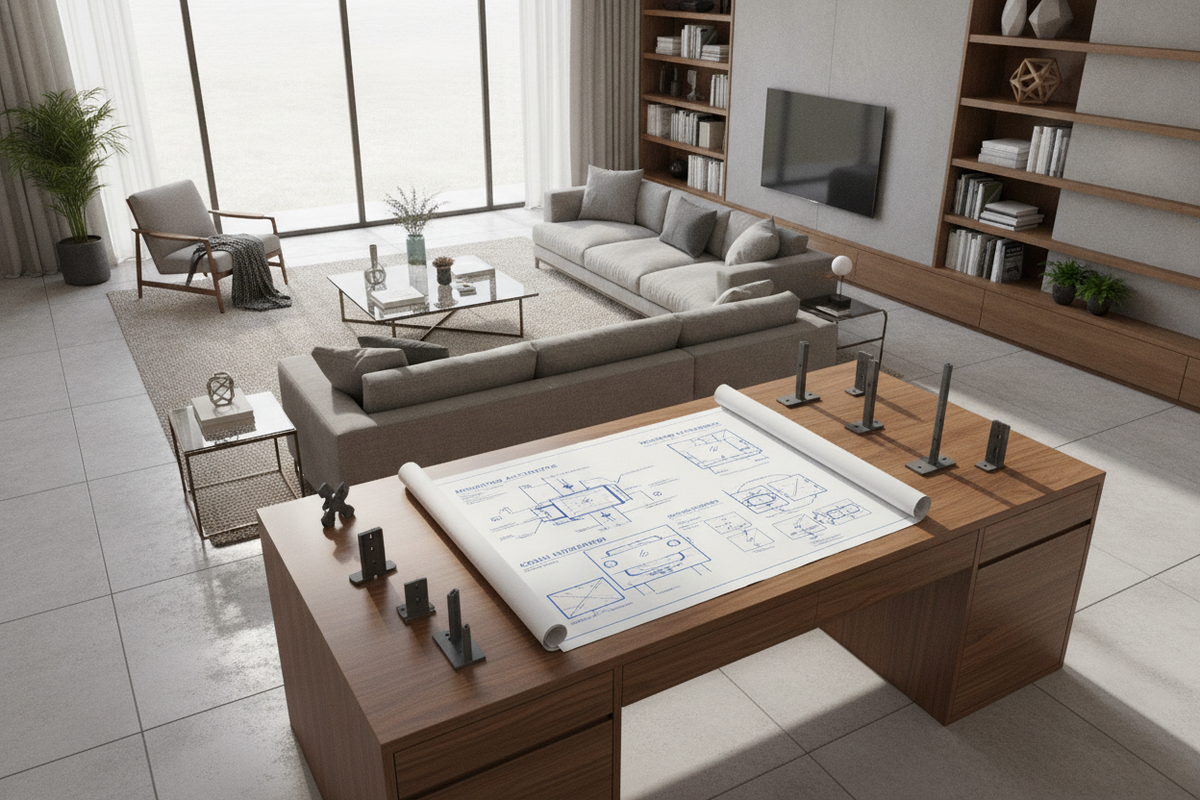
Open-frame tables can experience lateral wobble if they lack structural bracing. Look for models featuring rear diagonal tension rods, structural modesty panels, or welded corner gussets. These elements distribute lateral forces and keep the desk steady during typing or shifting equipment.
Surface Finish and Edge Banding
Protective laminate and melamine coatings resist moisture, minor spills, and heat from personal computers. Inspect edge banding along the front rim where forearms rest; smooth, sealed seams prevent peeling over extended use. In our design planning, we often look for clean edge details to help budget-friendly furniture blend seamlessly with higher-end decor, an approach shared in our guide to budget-conscious small office styling.
Adjustable Leveling Hardware
Uneven floors are a common cause of desk instability. Choosing a workstation equipped with threaded, adjustable leveling glides allows you to compensate for uneven floorboards or carpet transitions, ensuring a rock-solid work plane.
Storage Integration & Vertical Coordination for Budget Workstations
A tidy desktop promotes focus, but compact desks can quickly become cluttered if storage is an afterthought. Coordinating built-in desk compartments with vertical wall space keeps essential tools within arm's reach:
- Under-Desk Pedestals: Open cubbies and drawer stacks built beneath the desk surface hold daily stationery, notebooks, and charging cords, preventing tabletop clutter.
- Upper Shelving Racks: Hutches or floating wall shelves expand your storage capacity upward. Implementing above-desk storage planning strategies enables you to display reference materials, plants, and task lights without sacrificing valuable monitor clearance.
- Cable Routing Trays: Attaching simple wire baskets or adhesive clips beneath the tabletop hides power strips and power cords, protecting them from foot snags while preserving a clean aesthetic.
Organizing items by frequency of use ensures that secondary tools remain neatly stored away, keeping your primary work surface open for active tasks.
Room Layout Strategy, Multi-Unit Coordination, and Assembly Protocols
Positioning your desk within the room shapes both daily productivity and overall interior flow. While dedicated residential desks focus on personal comfort and spatial efficiency, contrasting them with commercial or multi-station formats—such as a multi-zone executive counter desk used in client-facing environments—illustrates how layout priorities shift between private focus zones and public reception areas.
For residential home offices, consider the following placement rules:
- Natural Light Positioning: Place the desk perpendicular to windows when possible. This orientation minimizes screen glare while providing ambient daylight throughout working hours.
- Power Outlet Accessibility: Position the workstation within easy reach of wall receptacles to avoid trailing extension cords across walking paths.
- Assembly Care: When assembling flat-pack furniture, lay components out on a soft rug or cardboard to protect finishes. Hand-tighten all fasteners loosely before squaring the frame, then systematically tighten every bolt to secure joint alignment.
By pairing structural awareness with strategic room placement, selecting inexpensive office desks becomes a straightforward process that produces a dependable, attractive, and highly functional workspace on any budget.

Laisser un commentaire
Ce site est protégé par hCaptcha, et la Politique de confidentialité et les Conditions de service de hCaptcha s’appliquent.