


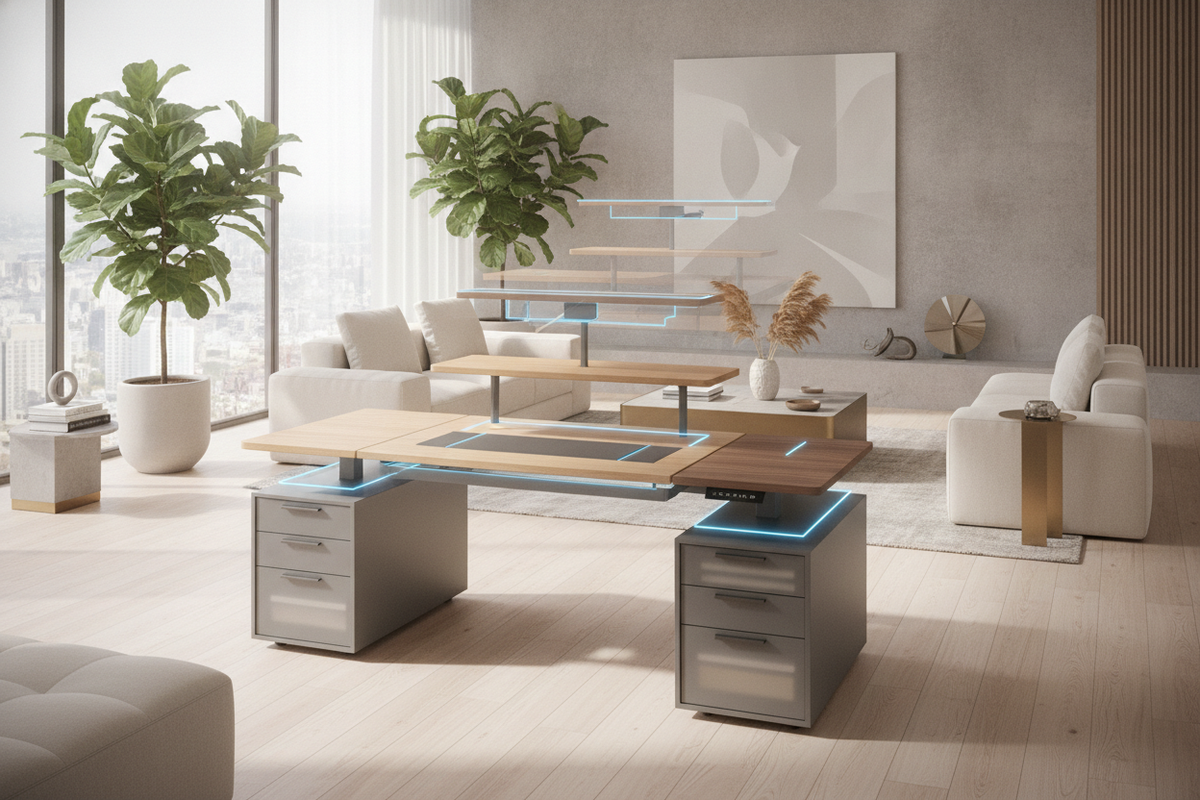
Workstation Architecture: The Multi-Functional FEZIBO Standing Desk Ecosystem
Modern home offices require versatile work surfaces capable of transitioning between seated and standing postures throughout the day. The fezibo standing desk ecosystem addresses this need by combining motorized vertical adjustment with multi-tiered surface configurations. Unlike minimalist single-slab tables, these workstations incorporate intentional utility zones designed for dual-monitor arms, desktop peripherals, and immediate physical storage. Choosing a dynamic workstation like an adjustable height standing product allows hybrid professionals to tailor their vertical working plane to precise task requirements.
A well-planned fezibo electric standing desk configuration functions as the structural anchor of a productive workspace. By integrating motorized dual or single-motor lift columns with articulated under-frame support, a fezibo sit stand desk provides smooth elevation changes without sacrificing surface stability. Evaluating your physical workspace layout before selecting a specific model ensures seamless integration with nearby cabinetry, lighting, and power outlets.
Dimensional Footprints and Desktop Geometry Selection
Selecting the proper top dimensions involves balancing available room square footage with actual computing needs. Desktop geometries range from compact profiles suitable for apartment alcoves to broad surfaces designed for multi-display workflows. When planning your workstation layout, consult our standing desk good guide to visualize how different proportions balance within residential interiors.
When configuring a fezibo height adjustable desk, consider how functional zones divide across the top:
- Primary focal zone: Centered space dedicated to single or dual monitor stands, laptop docks, and centered keyboard placement.
- Secondary active zone: Immediate lateral areas reserved for desktop note-taking, reference documents, and input devices.
- Tiered upper decks: Formats like the fezibo double deck standing desk elevate visual displays to natural eye height, reclaiming main deck surface area for active task handling.
Integrated Storage Architectures: Drawers, Riser Shelves, and Keyboard Trays
One structural challenge common to adjustable height furniture is maintaining adequate storage without hindering leg space. The fezibo standing desk with drawers series addresses this through shallow-profile drawer modules and integrated shelving. These compartments house writing instruments, charging hubs, and notebooks directly beneath the working surface while preserving proper knee and thigh clearance in seated positions.
For ergonomic typing alignments, pairing specialized platforms is essential. Reviewing a desk keyboard tray guide provides context on how negative-tilt trays reduce wrist strain. Choosing a fezibo standing desk with keyboard tray creates a dedicated lower tier for input peripherals, keeping the primary desktop uncluttered for displays, desk pads, and document review.
Kinetic Lift Clearances and Dynamic Travel Zone Planning
Because an electric height-adjustable desk travels vertically, spatial planning must account for a three-dimensional movement envelope. Failing to plan for kinetic clearance can result in collisions with wall décor, window sills, or surrounding furniture.
Key clearance considerations include:
- Wall and perimeter clearance: Maintain a slight offset between the rear edge of the desktop and adjacent walls to prevent baseboard friction and allow monitor bracket clearance during elevation.
- Under-desk vertical path: Ensure under-desk trash bins, cpu mounts, and mobile pedestals do not obstruct the downward descent of the frame.
- Cable slack management: Power strips, display cables, and charging lines must have sufficient slack at maximum standing height to prevent port strain or disconnects during motorized transit.
Assembly Strategy, Frame Rigidity, and Cable Discipline
Assembling a fezibo standing desk requires methodical alignment of the telescoping frame, crossbeam supports, and motorized drive shafts. Securing the desktop panels evenly across the steel chassis prevents micro-wobbles during height transitions. Leveling feet should be calibrated against the floor surface to establish a rigid, stable foundation before mounting heavy display arms.
Cable discipline is equally critical to long-term reliability. Route power distribution cables through under-mount trays and attach adhesive clips along crossbars. Grouping cords with flexible spiral sleeves creates a clean, unified drop loop that travels smoothly alongside the lifting column without snagging adjacent drawer hardware.
Perimeter Storage Integration and Coordinated Room Layouts
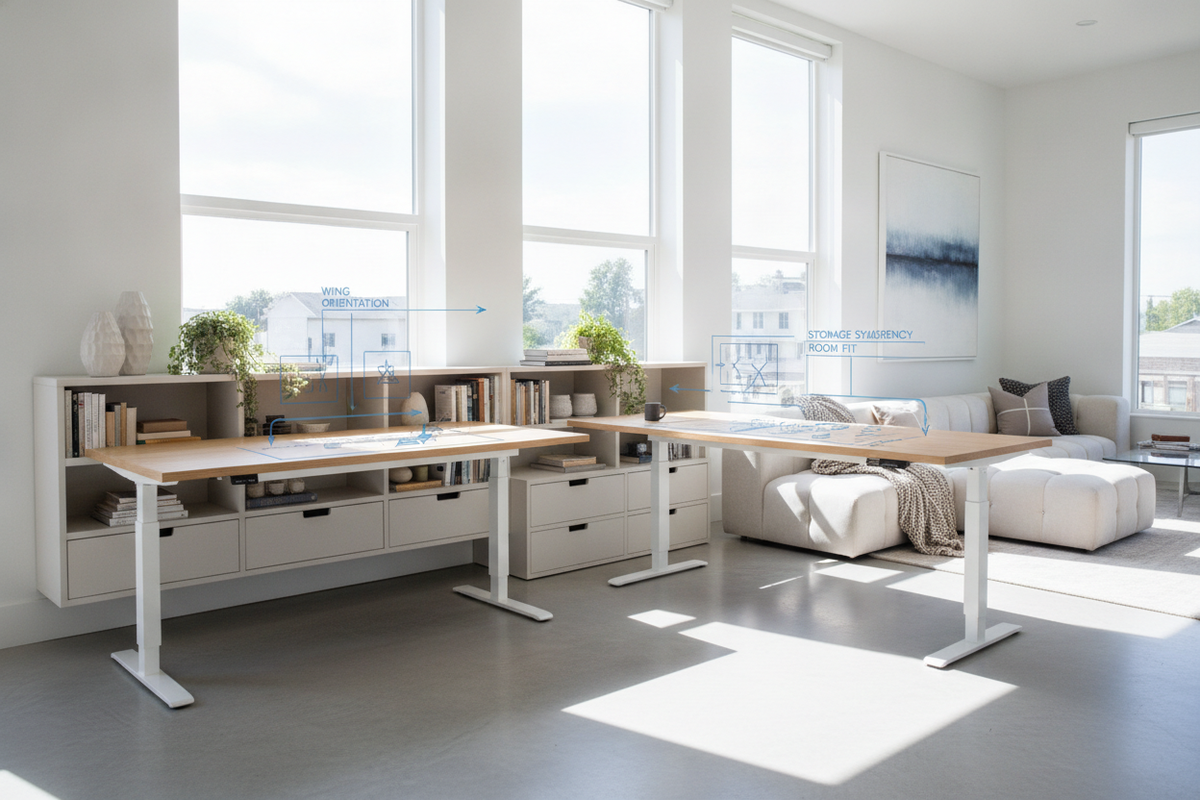
While integrated drawers manage immediate stationery, a complete home office relies on balanced perimeter storage. Pairing your primary desk with complementary cabinetry creates a cohesive workflow where secondary archives, printers, and reference materials remain accessible without crowding the main work surface. Integrating solutions from an adjustable collection provides versatile shelving that adapts to shifting storage requirements over time.
Position tall bookcases, filing cabinets, and utility sideboards along perimeter walls perpendicular to the desk. This arrangement maintains clear sightlines and allows open paths for both seated repositioning and standing mobility, delivering an organized, highly functional home office environment.

Laisser un commentaire
Ce site est protégé par hCaptcha, et la Politique de confidentialité et les Conditions de service de hCaptcha s’appliquent.