


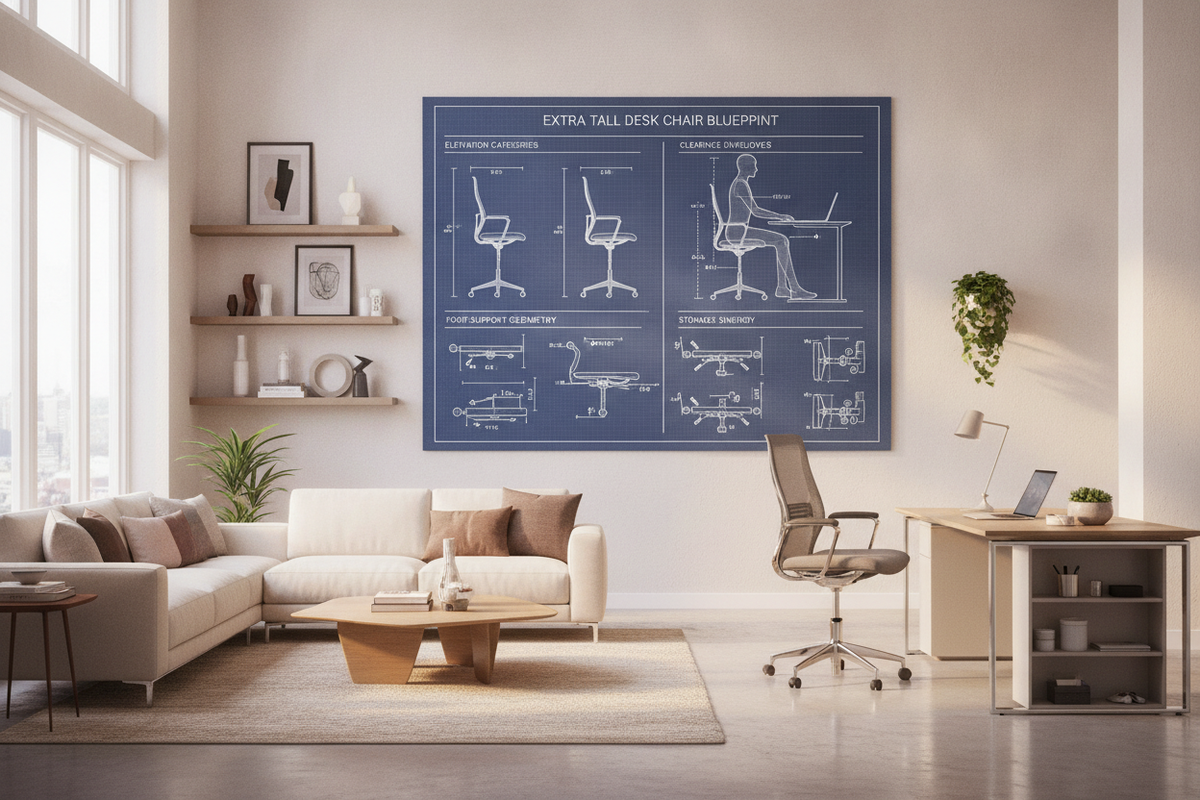
Understanding the Extra Tall Desk Chair: Spatial Dynamics and Elevation Mechanics
Working from an elevated position fundamentally shifts how seating interacts with the surrounding room. An extra tall desk chair serves as the functional bridge between standard seated desks, architectural drafting stations, and active standing workstations. When a seat rises above standard heights, the user's center of gravity elevates accordingly. Understanding this mechanical shift is the first step in creating a stable, comfortable, and productive work environment.
Drafting Height vs. Sit-Stand Counter Height Configurations
Elevated seating is generally split into distinct functional profiles. An extended height office chair designed for architectural drafting typically features an expansive vertical travel range to accommodate steep, angled drafting boards and fixed high counters. In contrast, counter-height setups for sit-stand desks prioritize quick transitions between partial perching and full upright seating. Choosing between these formats depends on whether your daily routine centers on continuous high-elevation tasks or intermittent transitions between sitting and standing.
Cylinder Stroke Lengths and Base Diameter Foundations
The core mechanism of an extra height office chair is its pneumatic lift cylinder. Extended stroke cylinders allow the seat pan to travel significantly higher than conventional task chairs. Because this elevation shifts mass upward, stability depends directly on the base foundation. High-elevation chairs utilize wider five-star bases to maintain a broad footprint, preventing tipping during ingress, egress, or dynamic reclining movements.
Foot Support Geometry and Lower Body Ergonomics
When operating a chair with an elevated seat pan, the floor is often out of reach for a user's feet. Without structured lower-limb support, pressure accumulates along the underside of the thighs, leading to discomfort. Proper foot support geometry restores lower-body equilibrium and maintains balanced posture.
Integrated Foot Rings vs. Freestanding Foot Rests
Most models in the extra high office chair category incorporate a circular, column-mounted foot ring. These integrated rings swivel with the chair, ensuring constant foot placement regardless of rotation. To maximize ergonomic comfort, look for foot rings with height-adjustable locking collars that allow positioning matched to your lower-leg length. In stationary high-desk setups, some users pair their seating with freestanding, angled floor footrests to vary ankle positioning throughout the day.
Seat Pan Waterfall Edges and Thigh Pressure Relief
At elevated heights, the angle between the torso and upper legs frequently opens beyond ninety degrees. A tall adjustable office chair equipped with a waterfall front edge—a gentle downward curve along the front cushion—helps distribute contact force evenly. This contour minimizes contact pressure behind the knees, promoting steady circulation during sustained drafting or analytical sessions.
Workstation Clearances: Pairing Tall Chairs with Desks and Vanities
Proper spatial coordination prevents structural interference between your chair, knees, and desk underside. Planning clearances ensures that moving into and out of your workstation remains smooth and unhindered.
Under-Desk Knee Clearance and Crossbar Management
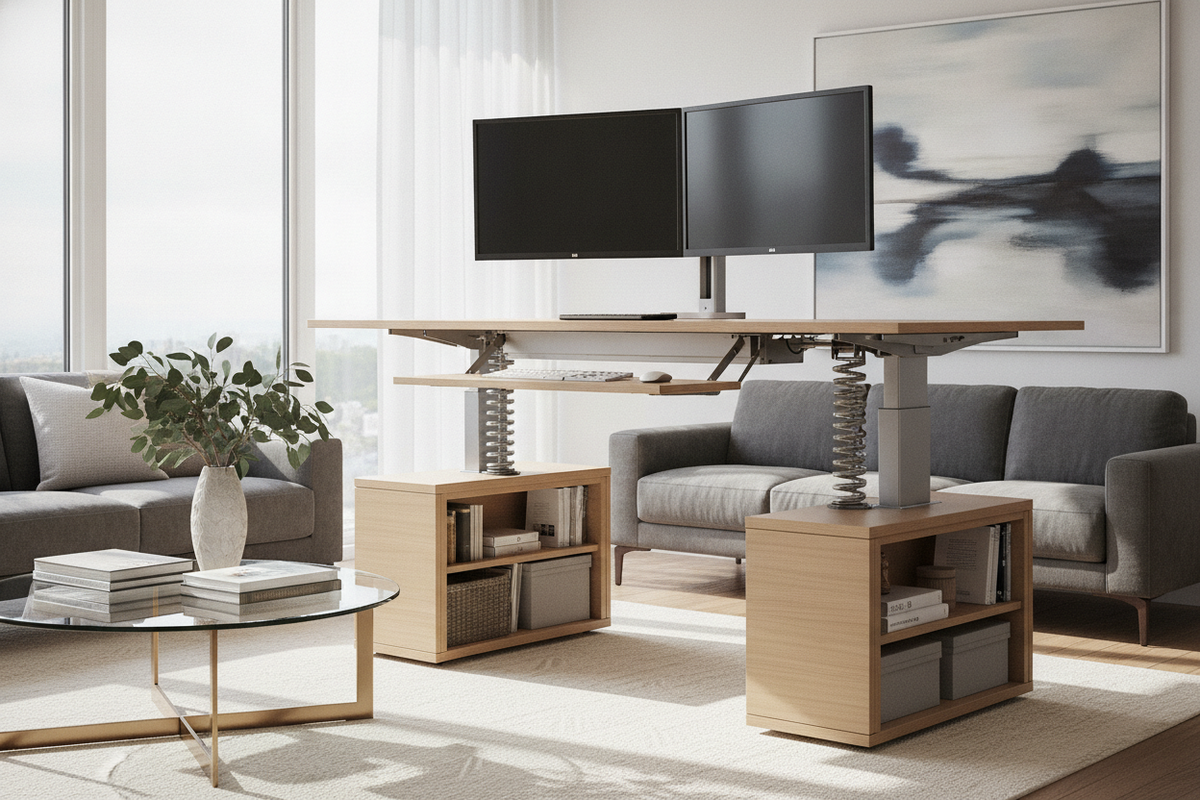
Before introducing an office chair high seat to your layout, map the vertical clearance beneath the work surface. When coordinating with a motorized surface such as a height adjustable desk product, ensure the lower frame and support beams leave sufficient space for both your knees and the chair's foot ring. Similarly, multipurpose creative spaces featuring specialized units like a desk adjustable height product require careful measurement of under-drawer depth to prevent armrest collisions.
Adjustable Armrests and Cockpit Ingress-Egress
Armrests on an extra tall office chair should adapt to the height of your primary surface. Multi-directional or flip-up armrests allow the chair to slide fully beneath the desk when not in use, preserving valuable floor space. Furthermore, adjustable armrests let you rest your forearms parallel to the desktop without forcing shoulder elevation.
Material Craft, Backrest Support, and Assembly Integrity
A tall chair requires durable structural materials and thoughtful component assembly to perform reliably under daily rotational and vertical forces.
Breathable Mesh vs. Reinforced High-Density Cushioning
Selecting upholstery involves balancing thermal comfort and structural resilience. High-tension mesh backrests offer continuous airflow, making them an excellent choice for temperature-sensitive spaces. High-density molded foam cushions, often wrapped in commercial-grade fabric or bonded leather, provide firm, resilient foundation support that holds its shape under continuous use.
Assembly Verification: Cylinder Seating and Foot Ring Fasteners
During initial setup, secure mechanical alignment is essential. Ensure the heavy-duty gas cylinder is seated firmly into both the star base and the seat mechanism housing. Tighten the foot ring adjustment knob or clamp securely along the lower column to prevent gradual slipping under normal foot pressure. Regularly inspecting these connection points preserves smooth swiveling and consistent height stability.
Perimeter Storage Architecture: Reaching Essentials from High Elevation
Sitting in an elevated chair changes your functional reach zone. Desktop items, storage cabinets, and files that are easily accessible from a standard task chair may require adjustments in placement when seated higher up.
Vertical Reach Zones and Mid-Tier Storage Pedestals
To avoid excessive leaning or twisting from an elevated position, organize active project files and daily tools on the main work surface. Integrating desktop organizers, such as practical options featured in our desk high office guide, keeps essential paperwork within comfortable reach of your natural hand span.
Balancing Mobile Storage with Wide Chair Bases
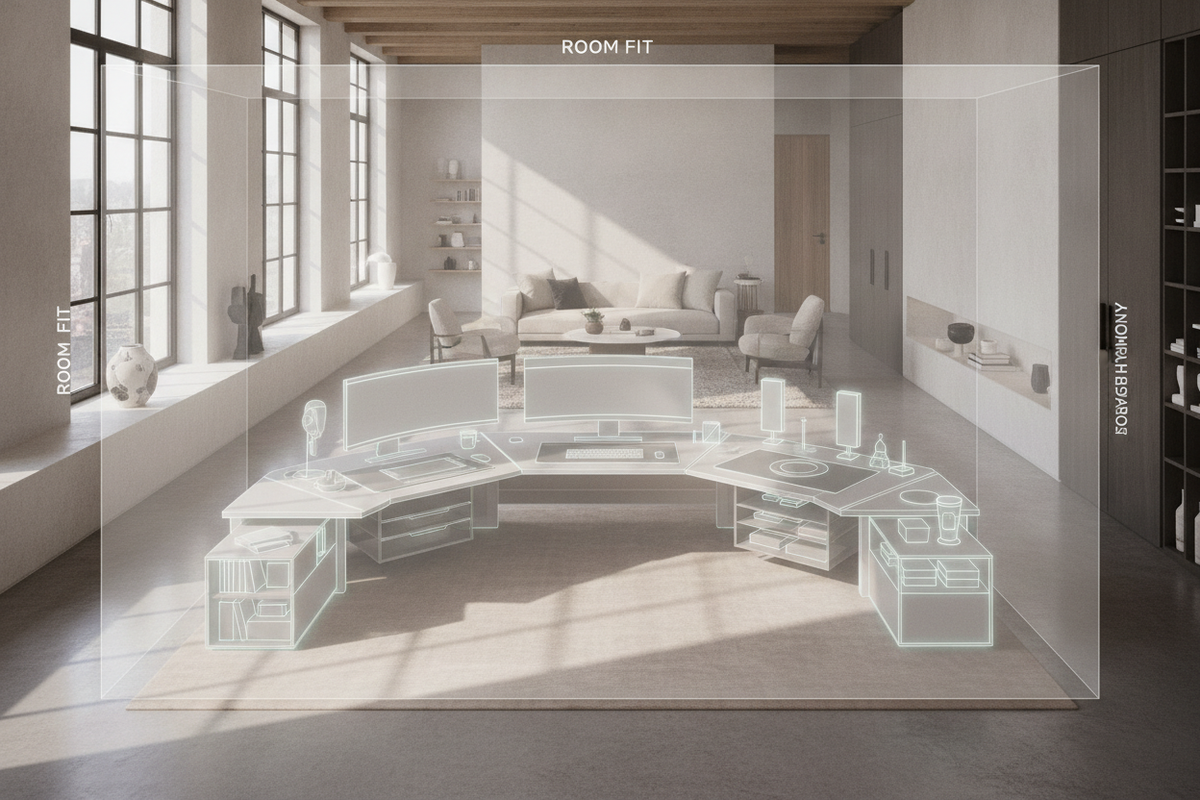
Because tall chairs feature wider star bases, surrounding walkways and under-desk areas need intentional spacing. Incorporating modular units from an adjustable collection provides flexible perimeter shelving that keeps floor corridors clear. Ensure mobile pedestals and low credenzas sit just outside the chair's rotational footprint to maintain clear maneuvering room.
Decision Matrix: Selecting the Best High Office Chairs for Your Space
Evaluating the best high office chairs requires matching mechanical features to your workspace layout. Begin by confirming the vertical elevation range required by your desk height, then verify that the base diameter fits your floor boundary. Pair these dimensions with an adjustable foot ring, supportive lumbar shaping, and adaptable armrests to create an elevated workstation that supports comfort and spatial harmony throughout the working day.

Laisser un commentaire
Ce site est protégé par hCaptcha, et la Politique de confidentialité et les Conditions de service de hCaptcha s’appliquent.