


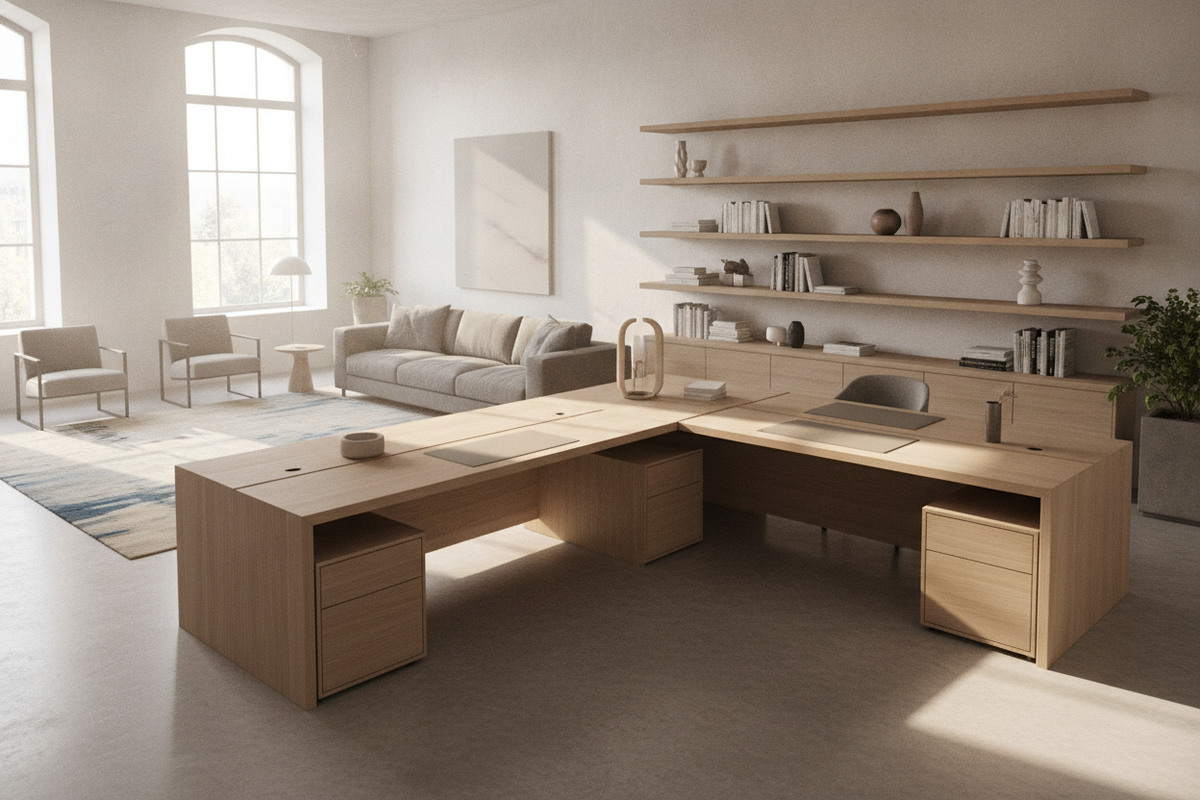
Understanding Extra Deep L-Shaped Desk Geometry
An extra deep L-shaped desk transforms a standard corner work area into an expansive command hub. Traditional corner workstations frequently narrow the working plane to save floor space, which can leave professionals, digital creatives, and gamers feeling hemmed in by their equipment. In contrast, expanding the depth of the desktop creates substantial separation between the user, primary displays, desktop accessories, and writing materials.
The geometry of an L-shaped layout naturally creates two distinct zones: a primary workstation wing and an auxiliary return wing. When both wings—or at least the primary operational side—feature extra depth, the visual and physical ergonomics of the entire room shift. Users gain generous arm support, space for full-sized desk pads, and the freedom to mount heavy display monitor arms without pushing screens uncomfortably close to their eyes.
Surface Depth Categories and Task Zoning Frameworks
Desk depth directly dictates how effectively you can partition daily tasks across your setup. Evaluating your equipment footprint helps clarify whether you need uniform depth across both wings or an asymmetrical layout optimized for specific functions.
- Standard Primary Depth: Suited for compact computer work, single laptops, or slim monitors, though often crowded when paired with desktop speakers, audio interfaces, or analog reference materials.
- Extended Visual Depth: Provides ample room for large ultrawide monitors, multi-display mounts, full mechanical keyboards, and wrist rests while maintaining comfortable focal distances.
- Deep Creative and Drafting Return: A secondary wing with generous surface area accommodates analog drawing pads, secondary laptops, synthesizers, or large-format project binders without intruding into the primary typing zone.
For home offices where clean aesthetics and defined task zones matter, a white L-shaped corner desk configuration offers a balanced combination of expansive corner surface area and streamlined visual appeal, keeping open spaces looking bright and organized.
Room Fit, Corner Placement, and Clearances
Integrating an extra deep L-shaped desk into an interior room requires attentive spatial planning. Because the desktop extends further into the room than conventional narrow tables, mapping out surrounding clearance zones prevents traffic bottlenecks and keeps doors, closets, and drawers accessible.
When assessing your room layout, prioritize three spatial envelopes:
- Chair Turnaround Radius: Ensure sufficient clearance behind the central corner juncture so an ergonomic office chair can swivel, recline, and glide backward smoothly without hitting walls or credenzas.
- Walkway Clearance: Maintain open paths between the edges of the desk wings and neighboring doors, bookshelves, or radiators to preserve intuitive circulation.
- Open-Room Floating Placements: If you place the workstation away from the perimeter walls as a centerpiece island, ensure the return wing naturally guides movement rather than obstructing main walkways.
For additional layout strategies and circulation ideas, explore our detailed guide on mastering your L-shaped desk room layout. If your available footprint proves too tight for an expanded corner unit, a compact writing desk with drawer storage can serve as an agile alternative in secondary rooms or compact nooks.
Material Selection, Frame Stability, and Cable Routing
Deeper desktop surfaces increase the leverage and downward force exerted on table cantilevers and corner joints. For this reason, structural frame engineering and durable materials are vital components of any expansive corner workstation.
Engineered Wood and Durable Laminates
Engineered wood panels finished with high-pressure laminate or scratch-resistant melamine provide exceptional resistance to daily wear, pen indentations, and desktop moisture. These surfaces deliver uniform structural density across wide, continuous spans while resisting surface warping over seasonal humidity shifts.
Frame Reinforcements and Corner Junctions
Because an extra deep L-shaped desk carries substantial weight in monitors, desktop towers, and peripherals, the under-frame requires solid crossbars, reinforced corner plates, or triangular gusset brackets. These structural elements prevent center sagging and eliminate desktop wobble during intensive typing or multi-screen adjustment.
Integrated Cable Management Pathways
A broader desktop surface naturally invites more electronic equipment. Incorporating under-desk cable management trays, grommet pass-throughs, and spine channels behind the deep wings ensures that power supplies, display cords, and peripheral cables remain cleanly routed rather than dangling into your footwell.
Integrating Modular and Under-Desk Storage
One of the greatest advantages of an extra deep corner workstation is the expansive lower volume beneath the surface. Shallow desks often force users to sacrifice legroom whenever they introduce filing cabinets or storage towers. With an extra deep frame, you enjoy abundant knee clearance alongside functional cabinetry.
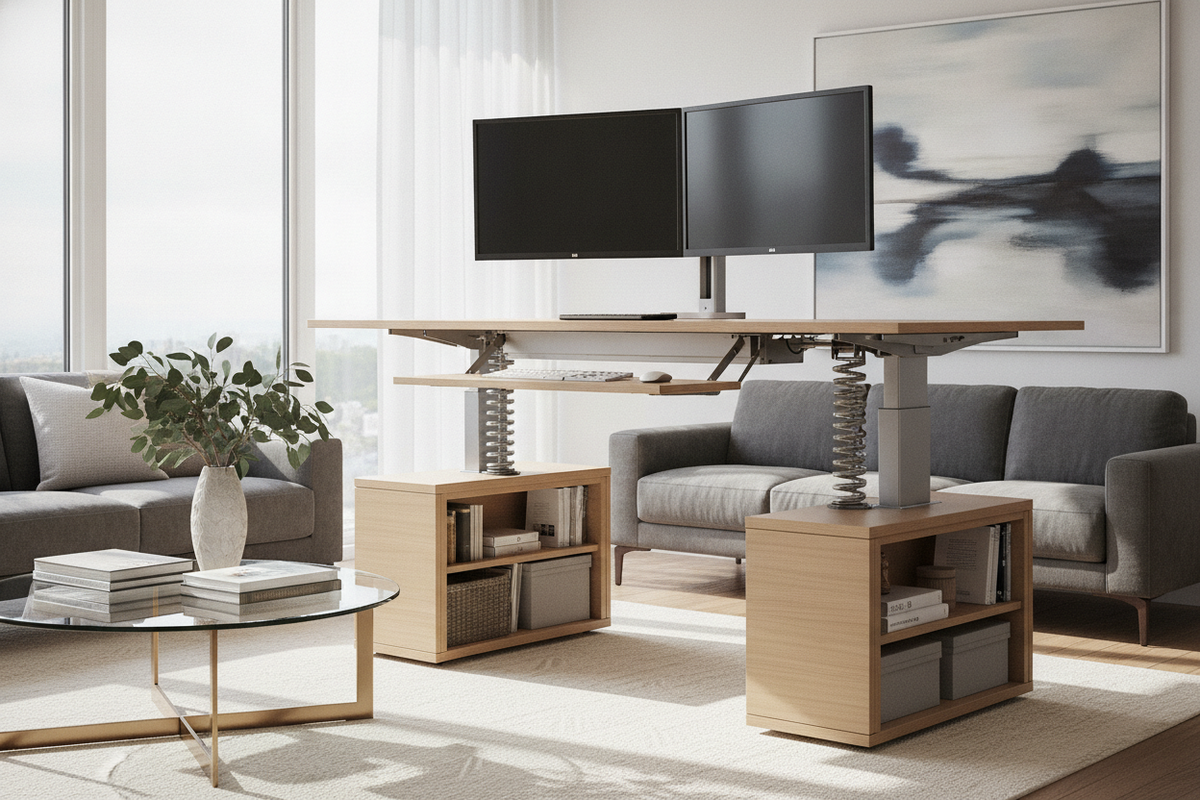
Selecting an L-shaped desk with integrated storage creates built-in organization for paper files, tech accessories, and office supplies, keeping clutter off your main work surface. Alternatively, you can introduce modular mobile pedestals under the secondary return wing, tucking printer equipment and CPU towers securely out of your primary footwell zone.
Assembly Planning, Structural Alignment, and Maintenance
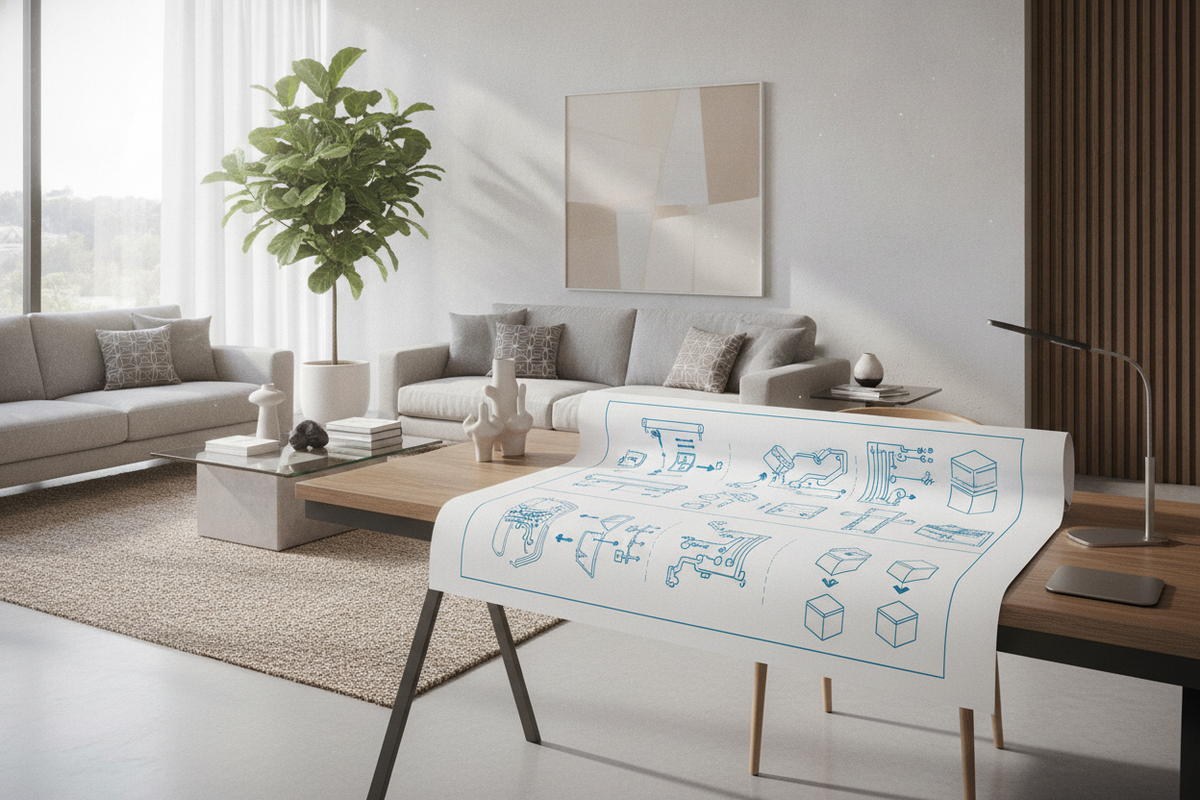
Assembling a large corner desk proceeds smoothest when approached systematically. Because extra deep wings require precise seam alignment at the corner connection, proper preparation ensures a level, stable work surface for years of reliable use.
- Clear an Ample Assembly Staging Area: Assemble the frame in the room where it will reside to avoid navigating massive L-shaped structures through standard doorways.
- Level the Base Prior to Final Fastening: Utilize adjustable leveling feet on uneven floors to ensure all supporting legs carry weight equally before tightening the main desktop connection bolts.
- Align Desktop Seams: Bring the primary and return desktop boards into contact along the joinery seam, securing connecting brackets gradually to maintain a perfectly flush transition.
- Routine Surface Care: Keep laminated and wood composite finishes in peak condition by wiping surfaces with a soft, slightly damp microfiber cloth and avoiding harsh abrasive cleaners.
By prioritizing generous surface depth, robust under-frame support, and thoughtful room clearances, an extra deep L-shaped desk establishes an organized, highly functional, and visually balanced workstation tailored to modern multitasking.

Laisser un commentaire
Ce site est protégé par hCaptcha, et la Politique de confidentialité et les Conditions de service de hCaptcha s’appliquent.