


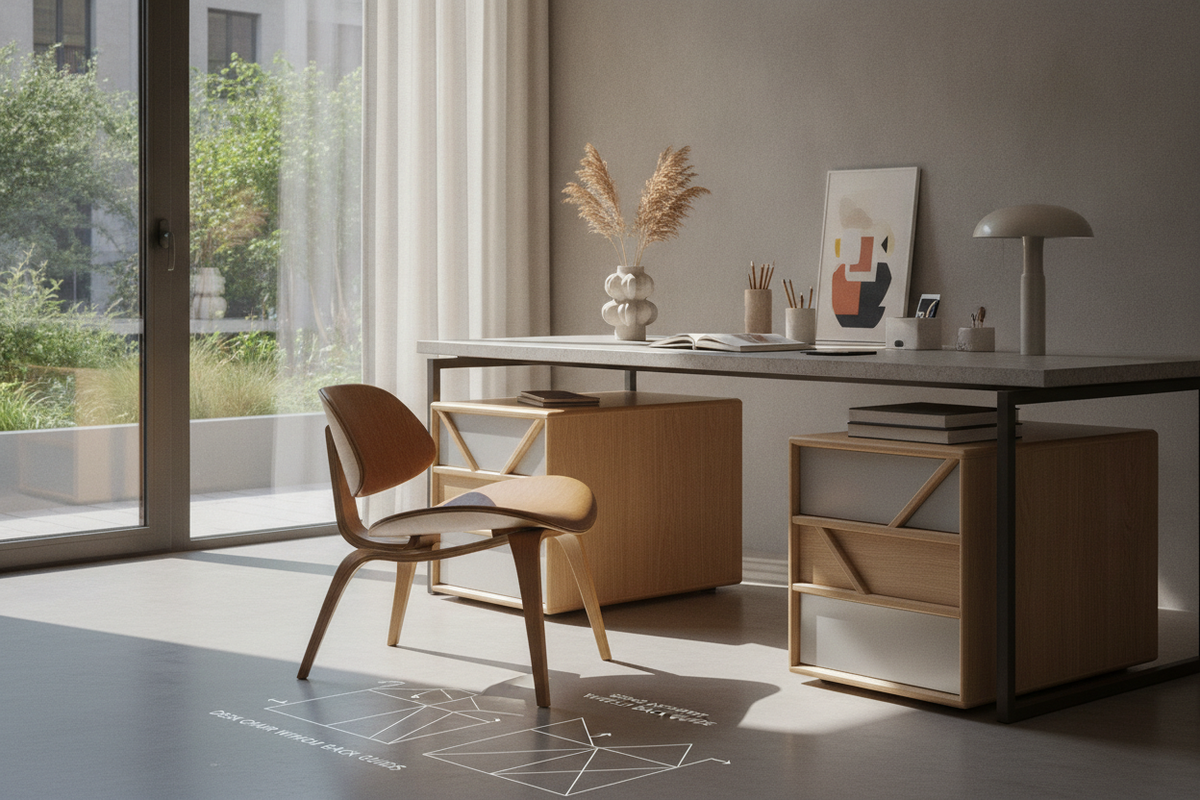
Introduction to Backless Seating: Purpose, Space Optimization, and Postural Dynamics
Choosing a desk chair without back has become an increasingly popular decision for contemporary home offices, creative studios, and multi-functional workspaces. While traditional task seating relies on tall backrests and bulky lumbar frames to support the upper body, an intentional chair with no backrest approaches work ergonomics from a fundamentally different perspective. Rather than inviting users to recline passively against a structured frame, backless models encourage active physical engagement, intuitive spinal alignment, and greater freedom of movement.
Beyond biomechanical engagement, opting for a chair no backrest setup offers distinct architectural and spatial benefits. Standard executive seating often introduces visual bulk, high silhouettes, and wide armrests that dominate a small room. In contrast, backless stools slide completely beneath desks when not in use, instantly eliminating visual clutter and opening up walking paths. Whether you are outfitting a compact writing nook, setting up a shared drafting station, or seeking an active companion for a height-adjustable workstation, understanding the nuances of backless seating enables you to build a flexible, responsive work environment.
Backless Seating Archetypes: Forms, Movements, and Primary Use Cases
The modern landscape of chairs without backrest designs spans several distinct categories, each engineered around specific functional movements, pelvic orientations, and workspace demands.
Ergonomic Saddle Stools and Open-Angle Perches
An ergonomic chair without back built on a saddle foundation features a contoured, triangular seat pan inspired by equestrian equipment. The sloping sides drop the thighs downward relative to the pelvis, creating an open hip angle. This open geometry encourages a natural forward pelvic tilt, which helps prevent the lower spine from collapsing into a rounded slump. Saddle stools are particularly valuable for active tasks where you frequently lean forward to sketch, assemble components, or navigate across wide workbenches.
Active Wobble and Balance Stools for Dynamic Movement
Wobble stools utilize a rounded, convex base or a flexible central joint that permits multi-directional rocking, swiveling, and tilting. A dynamic desk chair no back of this style requires subtle, constant muscular engagement across your core and lower back to remain balanced. By facilitating micro-movements throughout the workday, wobble perches help prevent the stiffness often associated with rigid, static sitting postures.
Kneeling Chairs and Weight-Distributed Posture Frames
A classic kneeling no back chair utilizes a forward-slanted seat paired with supportive lower shin rests. This frame geometry divides your seated load across the buttocks and shins while holding the pelvis in a balanced, upright tilt. Because the knees drop well below the hips, the hip-to-torso angle remains open, encouraging steady spinal balance without relying on a conventional back support structure.
Compact Rolling Stools with Pneumatic Height Adjustment
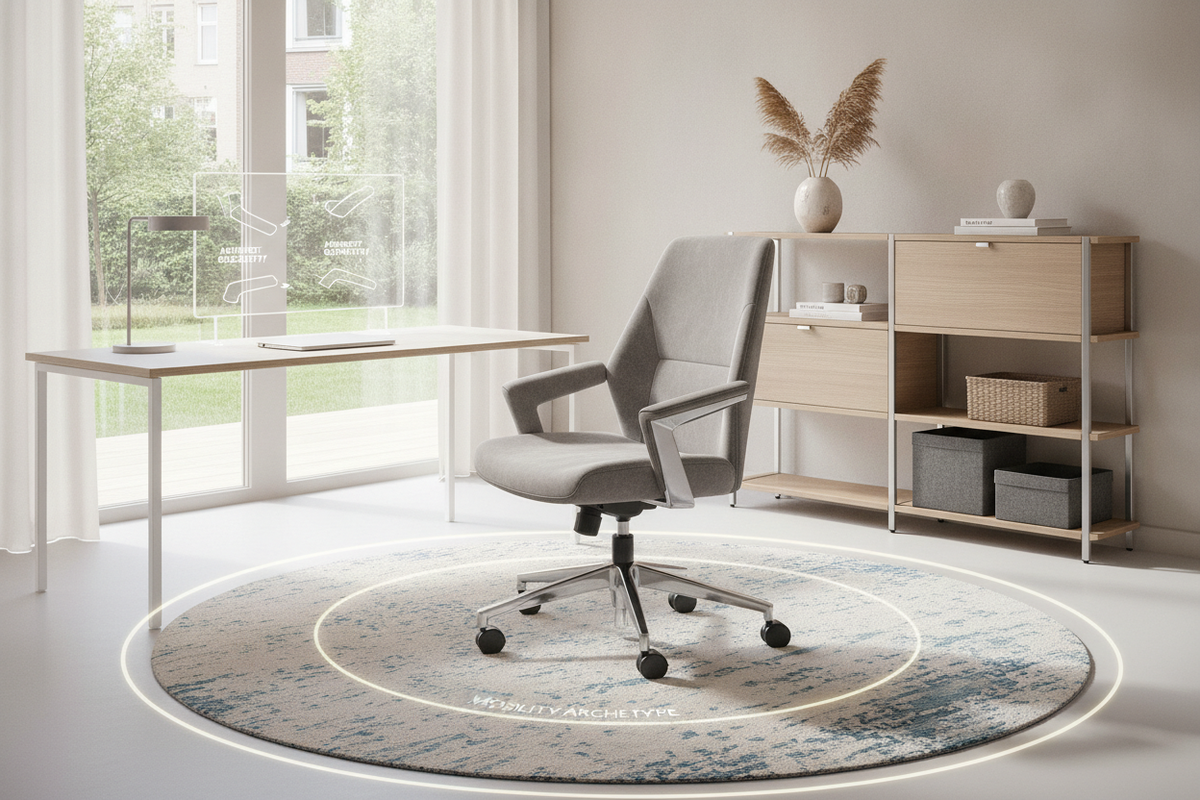
For versatile utility, a circular rolling chair no back design remains an enduring staple. Featuring a central pneumatic lift cylinder, a dense foam seat pad, and a smooth caster base, these compact units offer dependable multi-directional mobility. A standard office chair no back works exceptionally well in task-dense environments such as craft rooms, sewing stations, and tech assembly benches where you need to glide swiftly between varied work zones.
Dimensional Fit, Under-Desk Clearance, and Spatial Footprint
Selecting the right backless seating requires a careful assessment of floor clearance and work surface geometry. Because backless seats have no high structures or armrests to collide with desk aprons, they boast high spatial efficiency, but ensuring proper vertical reach is essential.
- Base Footprint and Clearance: Most five-star caster bases or rounded wobble plates span moderate diameters. Check your desk's interior knee well to ensure the base can glide in smoothly without striking drawer pedestals or frame legs.
- Seat Height Ranges: A standard sit-down desk requires an adjustable seat height that positions the forearms parallel to the desktop while keeping the feet flat on the floor or on a dedicated footrest.
- Pairing with Sit-Stand Surfaces: When integrating an active perch stool with an ergonomic office desk product, look for extended pneumatic cylinders that provide a semi-standing height, allowing you to lean slightly rather than fully sit.
- Complete Under-Desk Storage: When your work session concludes, a backless stool can tuck entirely under the surface, freeing up central floor space in dual-purpose guest rooms or narrow office corridors.
Postural Mechanics: Managing Sitting Without Back Support
Adopting an office chair with no back involves a conscious shift in bodily awareness. When sitting without back support, your stabilizing muscles perform the work traditionally offloaded onto plastic frames and mesh webbing. Managing this transition thoughtfully ensures long-term comfort and functional stamina.
When first introducing a backless unit into your routine, gradual adaptation is key. If you are accustomed to deep-recline seating, sitting continuously on an active stool for a full eight-hour shift can lead to muscle fatigue. A balanced strategy involves alternating between dynamic backless perches, supportive standard task chairs, and standing intervals throughout the week.
Maintain an open chest, relaxed shoulders, and an engaged core. Adjust your seat height so that your hips rest slightly higher than your knees; this gentle downward slope reduces strain on the hip flexors and makes an upright posture feel natural. If you notice your lower back rounding or your shoulders slumping forward, treat it as a clear signal to stand up, stretch, or change seating modes.
Structural Materials, Base Stability, and Upholstery Builds
The structural longevity of any office chair without backrest depends on solid mechanical foundations and durable surface coverings. Evaluating these elements ensures that your stool remains dependable through daily use.
- Frame and Base Construction: High-grade nylon composite bases offer lightweight durability, while reinforced steel and aluminum star bases provide substantial grounding and stability, especially during dynamic tilting motions.
- Cylinder Mechanics: Smooth pneumatic gas-lift cylinders enable seamless height adjustments and responsive vertical travel.
- Caster Selection: Choose dual-wheel soft polyurethane casters for delicate hardwood or tile floors to prevent scratching, and firmer nylon casters for low-pile carpets.
- Cushion Density and Upholstery: High-density molded foam cushions retain their contours over time without bottoming out. Premium finishes like textured woven fabrics offer breathability, while wipe-clean faux leather and vinyl provide sleek surfaces that pair well with curated workspaces, as highlighted in this office desk chair guide.
Workstation Integration: Pairing Backless Chairs with Desks and Modular Storage
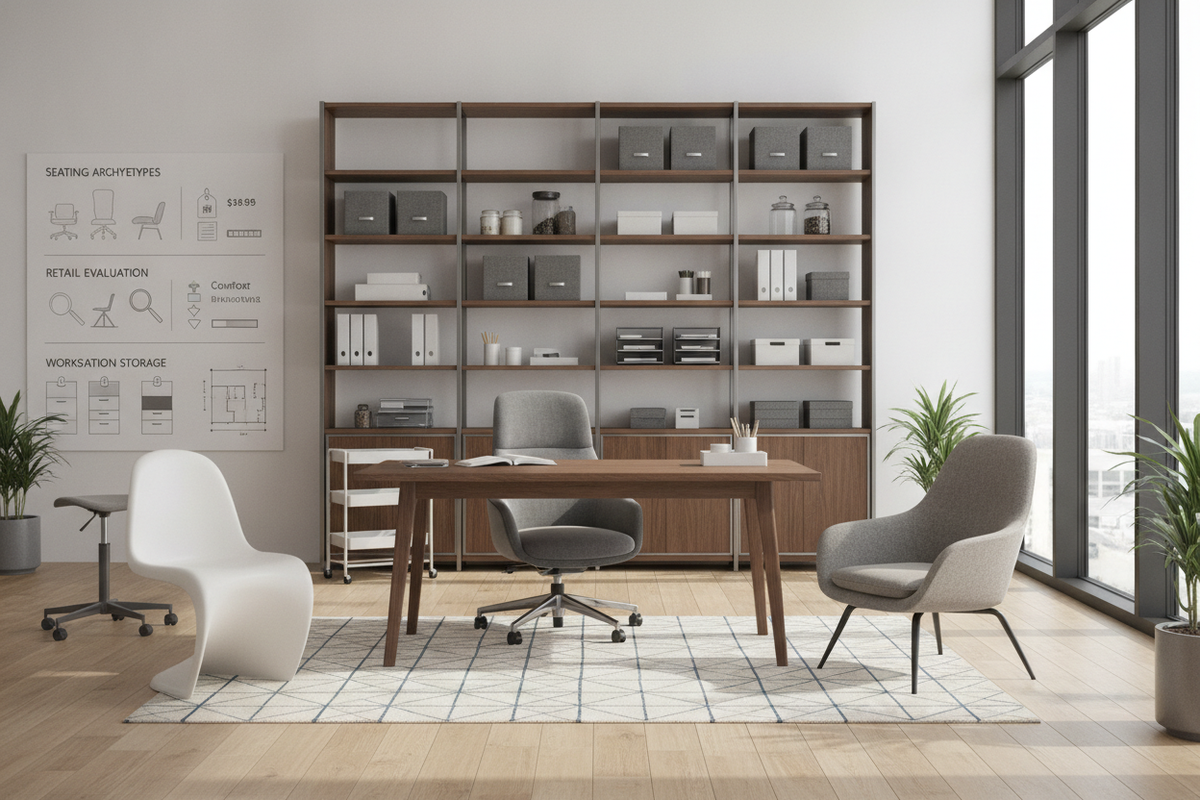
The compact footprint of an ergonomic chair no back model creates unique possibilities for workstation layout and storage arrangement. Traditional high-back executive chairs often require expansive clearance zones behind the desk, limiting how close you can place filing cabinets, bookcases, or credenzas.
Because a backless design eliminates the wide swing radius of high backrests, you can position your desk closer to walls or storage units without risking scuffed paint or restricted passage. Furthermore, when paired with under-desk organization, a backless chair slides in cleanly without blocking access to adjacent low drawers.
If you have experienced storage shortages in minimalist work areas—a challenge discussed in this desk without office guide—a backless stool makes it practical to add mobile pedestal drawer units beneath or right beside your primary desk surface. The absence of protruding armrests ensures your arms and legs can move freely across multiple adjacent storage modules and corner desk extensions.
Assembly, Maintenance, and Daily Ergonomic Care Checklist
Maintaining a backless desk chair requires minimal effort, but routine inspections ensure smooth mechanical action and prolonged material performance. Follow this practical checklist to keep your seating setup in optimal condition:
- Fastener Integrity: Periodically check the bolts connecting the seat pan mechanism to the pneumatic plate to confirm that regular movement and tilting have not loosened fittings.
- Caster Cleanliness: Remove dust, threads, and hair from caster axles every few months to maintain fluid, effortless rolling motion across your floor surface.
- Gas Cylinder Care: Keep the central pneumatic lift shaft clean and free from sticky debris to ensure steady, quiet height travel. For operational troubleshooting, consult your manufacturer's support resource.
- Fabric and Surface Conditioning: Vacuum textured upholstery weekly to clear dust, and wipe smooth faux leather surfaces with a damp, soft cloth to prevent grime accumulation.
- Dynamic Posture Rotation: Regularly verify that your seat height matches the specific task at hand, adjusting upward for active perching and downward for standard writing or keyboarding.

Laisser un commentaire
Ce site est protégé par hCaptcha, et la Politique de confidentialité et les Conditions de service de hCaptcha s’appliquent.