


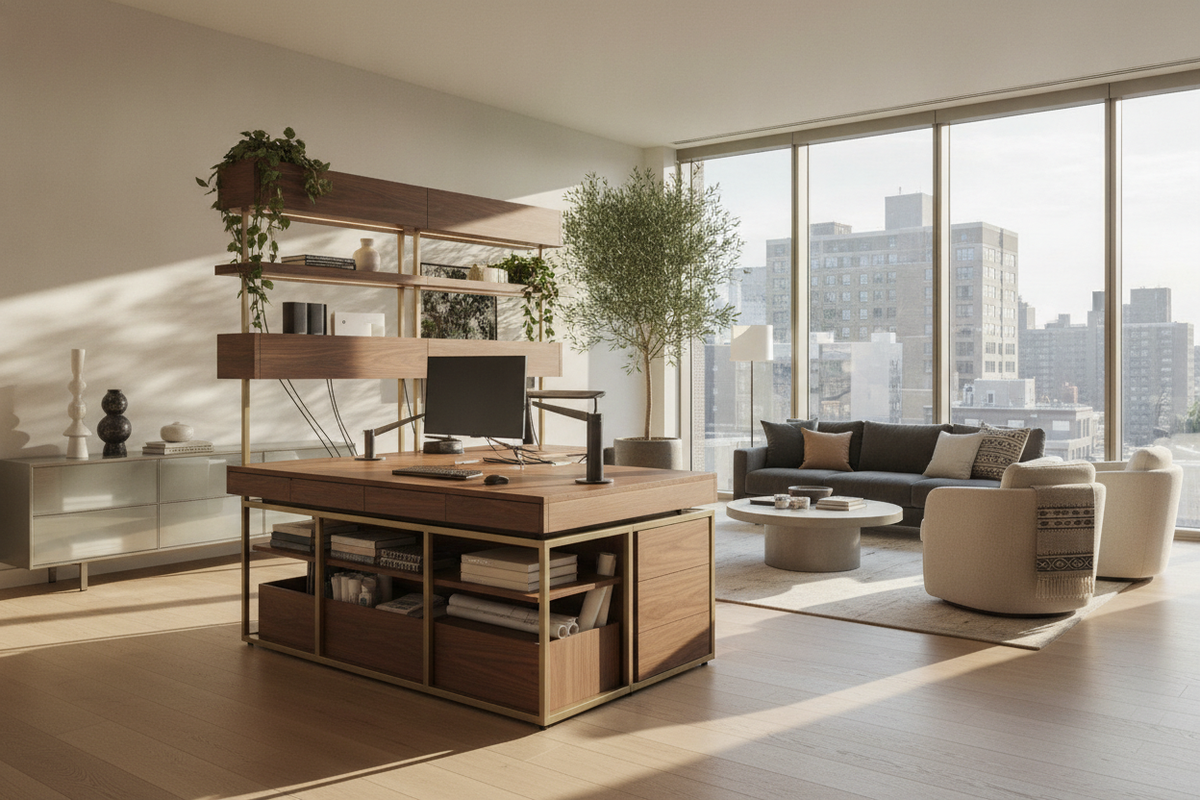
Understanding Desk Depth: Dimensional Categories and Surface Reach Dynamics
When selecting a workstation, surface width often receives the most attention, yet the depth of a desk determines everyday comfort, visual focal distance, and task separation. Standard compact desks often leave screens crowded right against keyboards, forcing an uncomfortable viewing angle and cluttering the immediate work area. In contrast, deep desks expand the usable horizontal plane, creating distinct functional zones that enhance focus and organization.
Workstation depth generally falls into three operational tiers:
- Standard Depth: Provides enough surface area for a laptop or single display alongside a standard keyboard, best suited for light administrative duties or narrow rooms.
- Deep Desk Platforms: Delivers balanced clearance for dual monitors, desktop document stands, and peripheral equipment without crowding forearm rest zones. Browsing a curated writing computer desk collection offers a practical view of how mid-to-deep proportions balance desktop room with floor space.
- Extra Deep Desk Configurations: Designed for multi-panel technical arrays, large format drawing pads, or executive setups where analog review and digital hardware coexist seamlessly.
A well-proportioned desk with depth creates distinct ergonomic zones: an immediate primary reach area for typing and mouse navigation, a secondary tier for reference books or note taking, and an outer perimeter for elevated monitor risers and ambient illumination. This spatial layering keeps daily essentials within an effortless arc of arm movement while preventing peripheral clutter from invading your immediate typing posture.
Deep Desk Archetypes: From Executive Suites to Compact Workstations
Different workflows place unique spatial demands on a workstation. Selecting the right design requires matching surface geometry with your daily tasks, whether managing massive spreadsheet arrays or drafting physical blueprints.
Dedicated Digital Workstations
A deep computer desk serves as the foundation for tech-heavy environments. Ultrawide monitors, monitor arms, and multi-display setups require substantial distance between the display screen and the seated user to maintain comfortable sightlines. An extra deep computer desk or heavy-duty deep computer table ensures that monitor stands sit well behind keyboard trays, leaving abundant open space for audio interfaces, macro pads, and dedicated graphics tablets. For high-density computing needs, exploring an executive desk computer guide can help you align structural wire passages with generous workspace dimensions.
Executive Suites and Traditional Writing Desks
A deep executive desk anchors a room with visual gravity and expansive perimeter room. These larger desks support simultaneous client discussions, contract review, and multi-device placement. Conversely, a dedicated deep writing desk prioritizes an uninterrupted, tactile surface where open binders, archival reference materials, and stationery can remain spread out across work sessions without displacing desktop lighting.
Compact Spaces and Spatial Optimization
Generous depth is not limited to sprawling executive offices. A small deep desk leverages a compact width paired with extended depth, allowing apartment dwellers and small-study planners to support full-sized desktop hardware without consuming excessive linear wall runs.
Storage Architecture: Deep Drawers, Modular Pedestals, and Legroom Preservation
One of the key engineering advantages of desks with substantial depth is the capacity for extended under-desk storage. A deep desk with storage utilizes the full depth profile below the worktop, allowing drawer slides to travel further back and dramatically increasing internal volume.
When planning a deep desk with drawers or selecting an extra deep desk with drawers, consider these architectural storage principles:
- Full-Extension Drawers: Deep drawer boxes require high-quality drawer slides to ensure effortless access to items stored at the back of the compartment.
- Lateral and Letter File Storage: A desk with deep drawers accommodates high-capacity hanging folders and bulky tech peripherals that would jam shallow modular drawers.
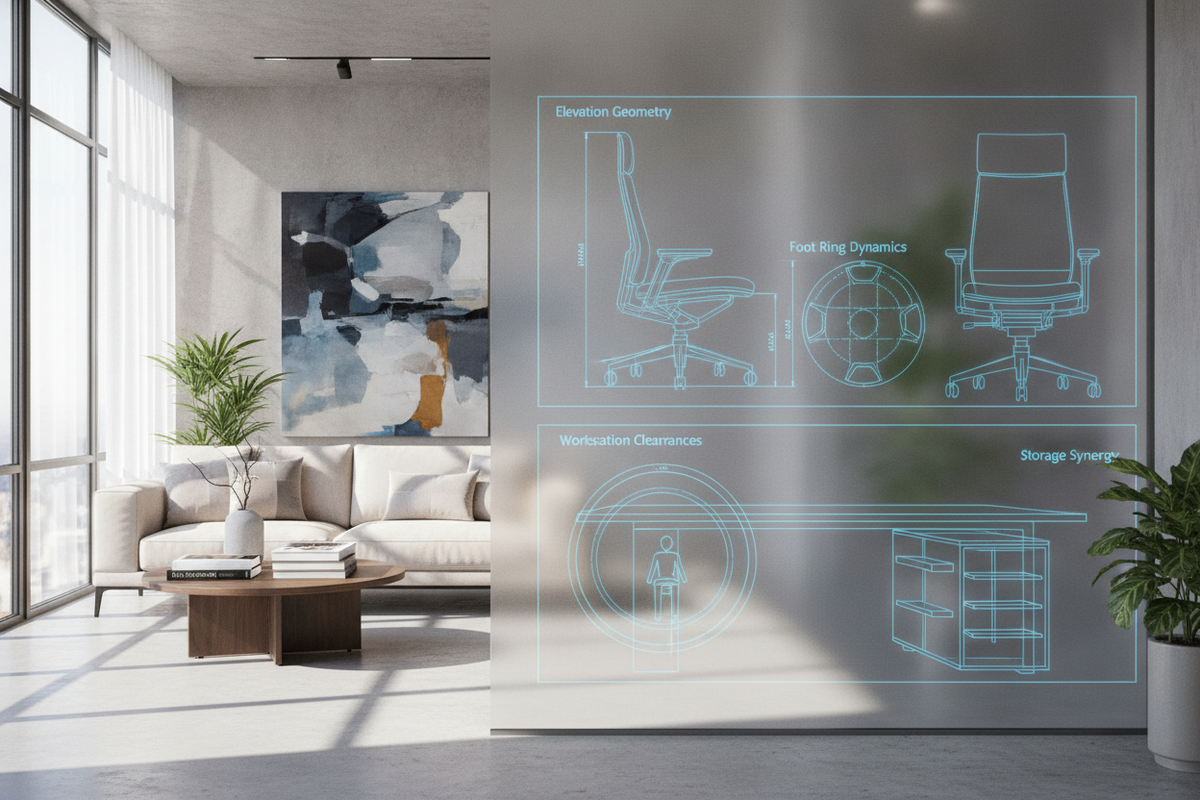
- Knee-Well Clearance: Because deeper desktops extend forward, pedestals can sit further back or along outer flanks without crowding knee wells, maintaining full leg stretch and swivel radius.
- Vertical and Horizontal Balance: While lower pedestals handle heavy files, balancing them with elevated solutions detailed in this desk storage office guide keeps high-frequency desktop tools readily accessible without consuming valuable surface area.
Room Fit and Spatial Layouts: Managing Footprints and Walkway Clearances
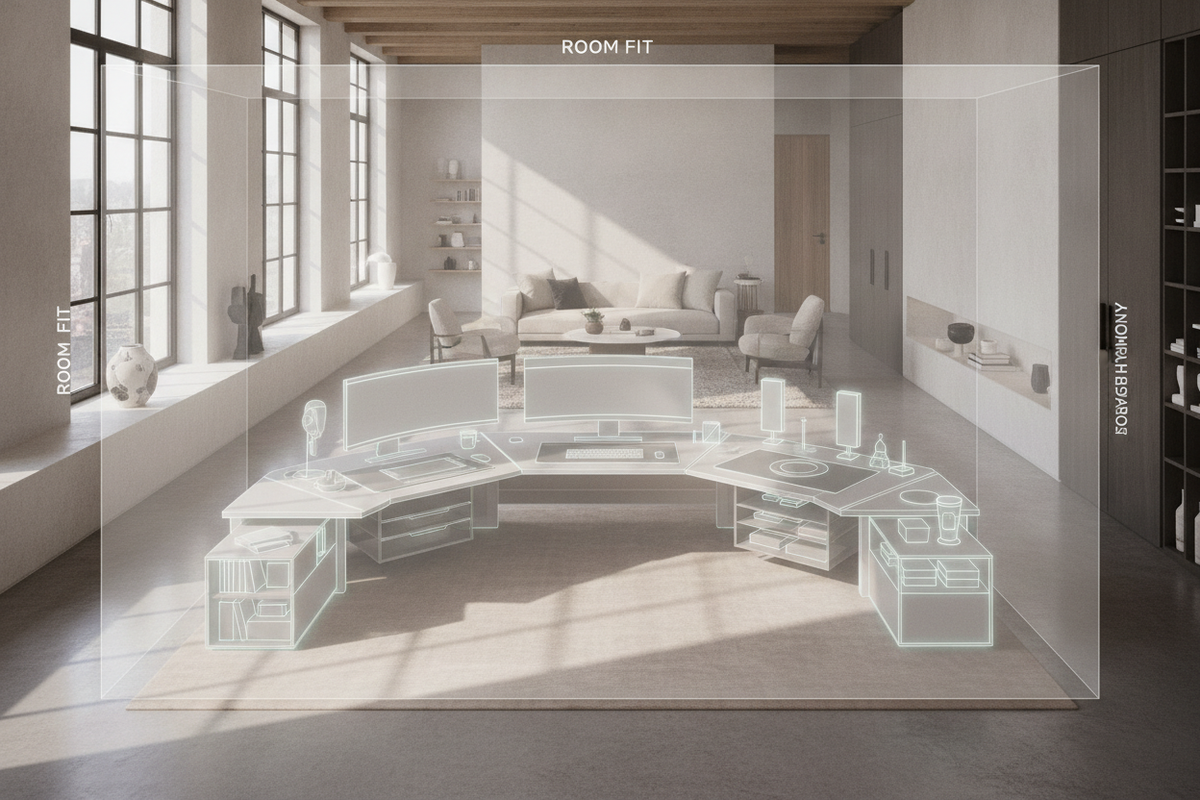
Integrating deep desks for home office layouts requires careful spatial planning to preserve natural foot traffic and chair push-back clearances throughout the room. Because desks deep into the floor plan occupy more interior volume, their placement should harmonize with windows, doorways, and adjacent cabinetry.
Key layout arrangements include:
- Perimeter Wall Alignment: Placing an extra deep office desk against a primary wall provides a stable anchor, allowing monitors to face away from glare while centralizing power cords along baseboard outlets.
- Corner Configurations: Corner geometry excels at capturing depth without projecting deep into central walkways. An office computer desk product designed for corner placement efficiently merges deep functional work surfaces with generous integrated shelving.
- Floating Center-Room Layouts: In dedicated executive studies, positioning a large depth desk in the center facing the door creates an open aesthetic, provided generous perimeter clearance is maintained for guest seating and walkway flow.
- Window Alcoves: Recessing a deep workstation into an architectural alcove maximizes natural daylight while using depth to balance narrow structural dimensions.
Material Selection, Structural Integrity, and Deep Desktop Support
A generous deep desk top experiences distinct physical forces, particularly when supporting multi-monitor mounts, heavy desktop computers, and task lamps along its rear and center zones. Selecting the appropriate construction material ensures long-term structural alignment.
A deep wood desk or high-density engineered composite surface provides exceptional rigidity across wide spans. When evaluating structural framing for deep desktops, look for integrated under-mount stiffener rails, robust side gable panels, or heavy-gauge steel legs. Durable options, such as this modern minimalist office computer desk product, demonstrate how reinforced leg structures and thick worktops maintain level stability even when loaded with extensive technology arrays and filing storage.
Additionally, extended desk tops create practical opportunities for rear cable troughs, grommet cutouts, and under-mount power distribution bars, keeping wiring looms organized and hidden from everyday sightlines.
Decision Framework: Selecting the Ideal Deep Desk for Your Workflow
To choose the ideal deep desk setup, evaluate your daily workflow using this step-by-step checklist:
- Hardware and Screen Assessment: Count your monitors, screen depths, and mounting arms to determine the necessary clearance between your seat and display panels.
- Task Diversity: Identify whether your routine involves mixed activities—such as simultaneous sketching and typing—that benefit from front-to-back surface layering.
- Storage Requirements: Decide between open knee clearance and integrated lower drawer pedestals based on your physical filing and equipment storage needs.
- Room Walkway Verification: Measure your room's main pathways, ensuring comfortable clearance behind your desk chair when fully reclined or rolled back.
- Aesthetic Harmony: Match the desktop finish, wood tones, and architectural frame styling with your broader home office shelving and interior palette.

Laisser un commentaire
Ce site est protégé par hCaptcha, et la Politique de confidentialité et les Conditions de service de hCaptcha s’appliquent.