
Core Principles of a Purposefully Decorated Office
A thoughtfully decorated office bridges the gap between utilitarian performance and calming visual rhythm. In past generations, workplace styling often felt like an afterthought, relying on drab desks and uniform metal shelving. Modern interior planning treats the work environment as an extension of intentional home design, where intentional visual layers nurture focus without generating visual distraction. Achieving this balance requires establishing a clear focal anchor, maintaining disciplined sightlines, and structuring furniture around your natural routines.
When exploring fresh office space decor ideas, the primary goal is not simply filling empty surfaces with knickknacks, but creating intentional zones. A balanced layout prevents the sensory fatigue that frequently accompanies cluttered desks. By establishing a central desk placement, framing surrounding walls with cohesive millwork, and managing loose paper supplies, your setup gains structural clarity. For additional visual staging concepts and foundational layouts, consulting a dedicated decorated guide helps contextualize how spatial harmony operates across varied room arrangements.
Spatial Footprints and Room Fit: Planning Your Decor Perimeter
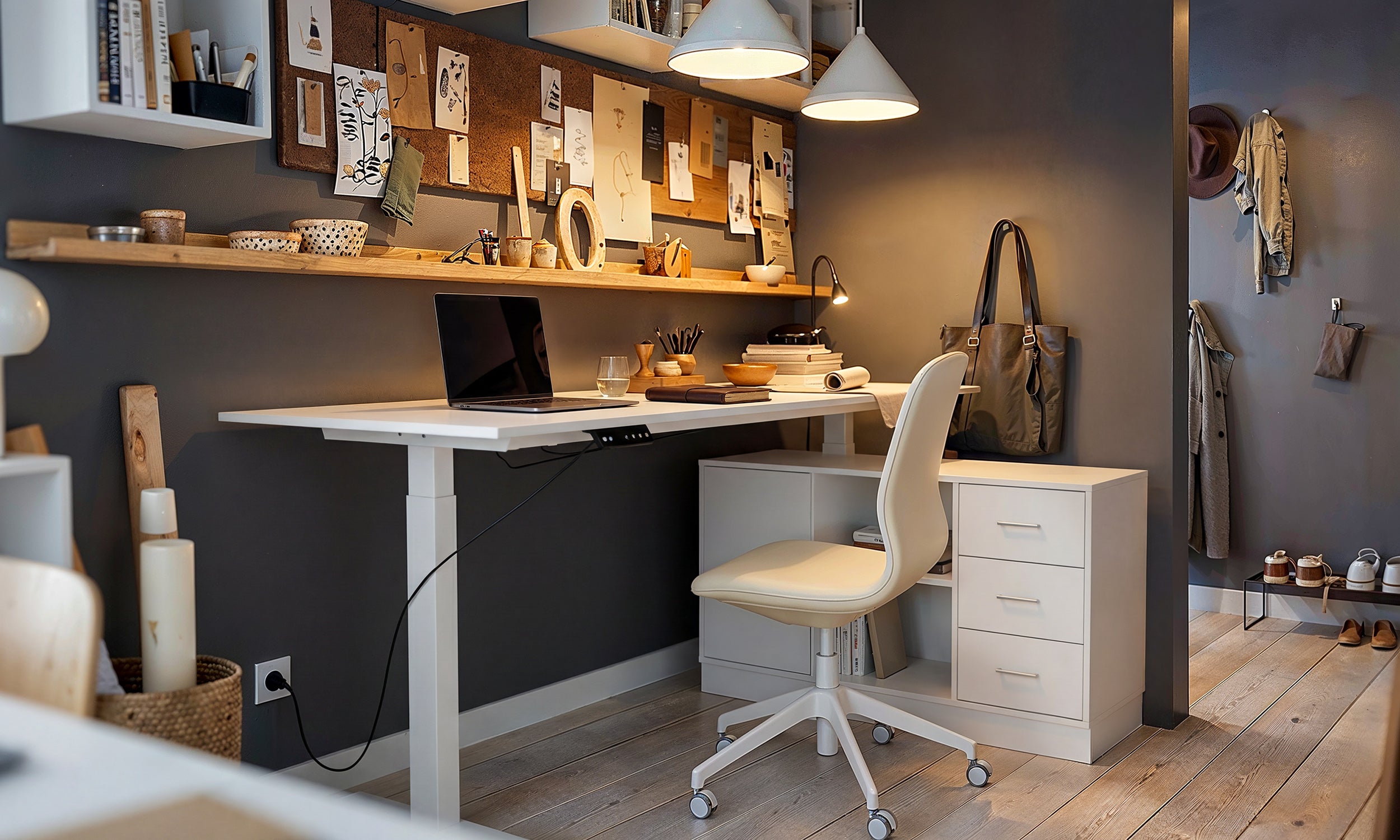
Every successful decoration of office room projects begins by assessing the spatial footprint. Compact alcoves demand radically different decor proportions than dedicated studies or executive boardrooms. In smaller footprints, horizontal clutter accumulates rapidly, making it vital to prioritize vertical perimeter planning. Wall-mounted shelves, floating ledges, and shallow cabinets keep primary walkways clear while offering ample vertical area for styling accents and personal artifacts.
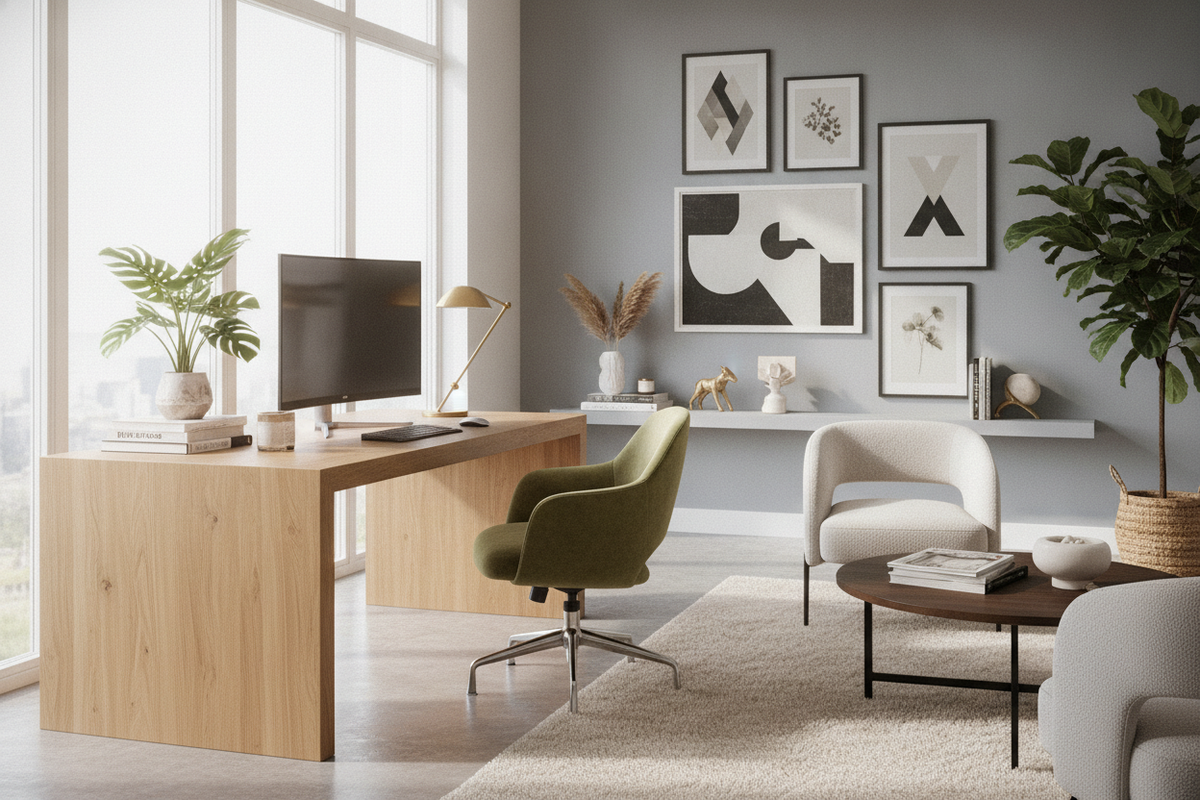
In larger rooms, floating the desk away from boundary walls creates an authoritative, conversational layout. To ensure effortless movement, maintain generous clearance between furniture edges, chairs, and surrounding wall pieces. If you are configuring a workspace intended for professional client meetings, consulting an office decor guide can provide additional layout strategies tailored to traffic flow and professional utility. Regardless of room proportions, measuring doorway clearances, window reveals, and architectural alcoves before choosing accents prevents awkward visual crowding.
Functional Office Decor: Merging Storage Architecture with Style
The most enduring approach to office room decor incorporates storage furniture directly into the decorative scheme. Rather than viewing credenzas, tall filing units, or sideboards solely as utility pieces, treat their facades, materials, and hardware as core aesthetic contributors. Integrating functional office decor ensures that everyday operational equipment remains neatly concealed, leaving decorative surfaces refined and uncluttered.
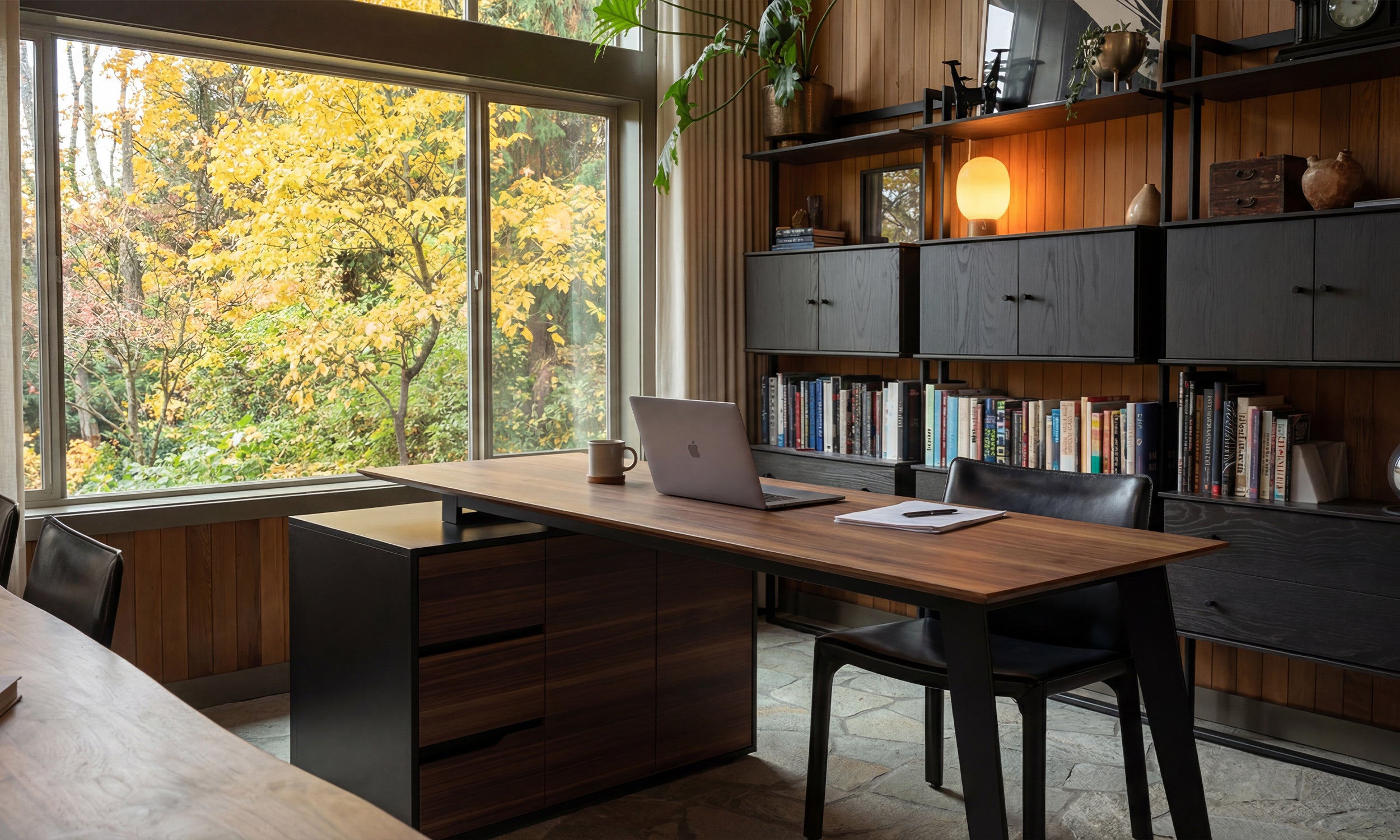
Selecting pieces from a versatile functional collection allows you to harmonize finishes across multiple storage zones. A well-proportioned credenza positioned behind a primary desk serves as a sturdy platform for table lamps, sculptural ceramics, and framed prints, while its internal compartments house printers, network hubs, and project binders out of view.
Closed vs. Open Storage Displays
Balancing open and closed volume is a cornerstone of professional office room decoration. Completely open shelving easily looks chaotic when filled with reference materials, chargers, and administrative paperwork. Conversely, walls filled entirely with solid cabinets can feel heavy and monolithic. A dynamic hybrid layout solves this dilemma by tucking essential clutter behind solid cabinet fronts while preserving open ledges for intentional styling.
For rooms that require significant organization capacity, an integrated piece like a tall functional product offers both concealed drawer storage and upper shelving. This structural separation allows you to curate personal office decor ideas—such as displaying small ceramics, travel mementos, and curated hardcovers—while everyday paperwork stays neatly organized behind smooth panel doors.
Material Palettes and Textural Layering in Workplace Design
Sophisticated decor office room concepts rely on a tactile mix of complementary materials. Monochromatic setups often feel sterile, while spaces packed with too many competing colors induce visual exhaustion. Establishing a focused palette of two wood tones, one accent metal, and a foundation of soft textiles produces an inviting, grounded environment.
- Warm Timber Tones: Natural oak, walnut, or warm ash surfaces introduce organic grain patterns that soften technical screens and metallic computer gear.
- Matte Metals: Powder-coated black steel, brushed brass, or muted bronze hardware offer crisp silhouettes and modern contrast on drawer pulls and lamp bases.
- Soft Textiles: Flat-weave wool rugs, linen window drapery, and upholstered guest seating introduce acoustic dampening and physical warmth.
- Glass and Ceramic Accents: Smoked glass vessels and stoneware planters bring tactile variation to desk surfaces and open shelving.
When selecting office decoration examples for your own space, repeat your chosen finishes across different elevations. For example, pairing a brass floor lamp with brass hardware on a low credenza establishes visual rhythm that guides the eye naturally across the room.
Illumination and Art: Framing the Decorated Workspace
Lighting serves as both a practical necessity and a primary decorative element in any workspace. Relying solely on overhead ceiling fixtures often produces harsh glares and unflattering shadows. A layered illumination strategy incorporates ambient fixtures, focused task lighting, and subtle accent glow to create depth and adaptability throughout the day.
Position adjustable desk lamps to illuminate work documents without reflecting directly into computer monitors. To elevate the backdrop, position low-wattage accent lamps on side consoles or install picture lights above major artwork. When selecting wall art, scale pieces proportionally to the furniture below them. An undersized print hung above a wide storage credenza feels unanchored, whereas a large canvas or a balanced gallery grid anchors the entire wall and unifies your chosen color palette.
Step-by-Step Selection Checklist for Office Decor Pieces
Before introducing new decorative items into your workspace, run each prospective addition through a structured evaluation process:
- Scale and Clearance: Verify that the height, depth, and footprint of every piece leave adequate room for comfortable chair movement and drawer extension.
- Integrated Utility: Prioritize decorative accessories that serve dual functions, such as ceramic vessels repurposed as pen holders or decorative boxes concealing loose charging cables.
- Cable Management Flow: Ensure that desks and credenzas provide discreet channels or back cutouts to route power lines away from prominent sightlines.
- Surface Longevity: Choose hard-wearing finishes for high-contact surfaces, reserving delicate materials for perimeter display ledges.
- Visual Rest Zones: Intentionally leave some shelf segments and wall areas open, giving the eye breathing room between decorated clusters.
By treating storage architecture, material palettes, and lighting as equal partners in your spatial plan, you can craft a sophisticated, calm workspace that supports daily focus while showcasing personal design sensibilities.


Laisser un commentaire
Ce site est protégé par hCaptcha, et la Politique de confidentialité et les Conditions de service de hCaptcha s’appliquent.