
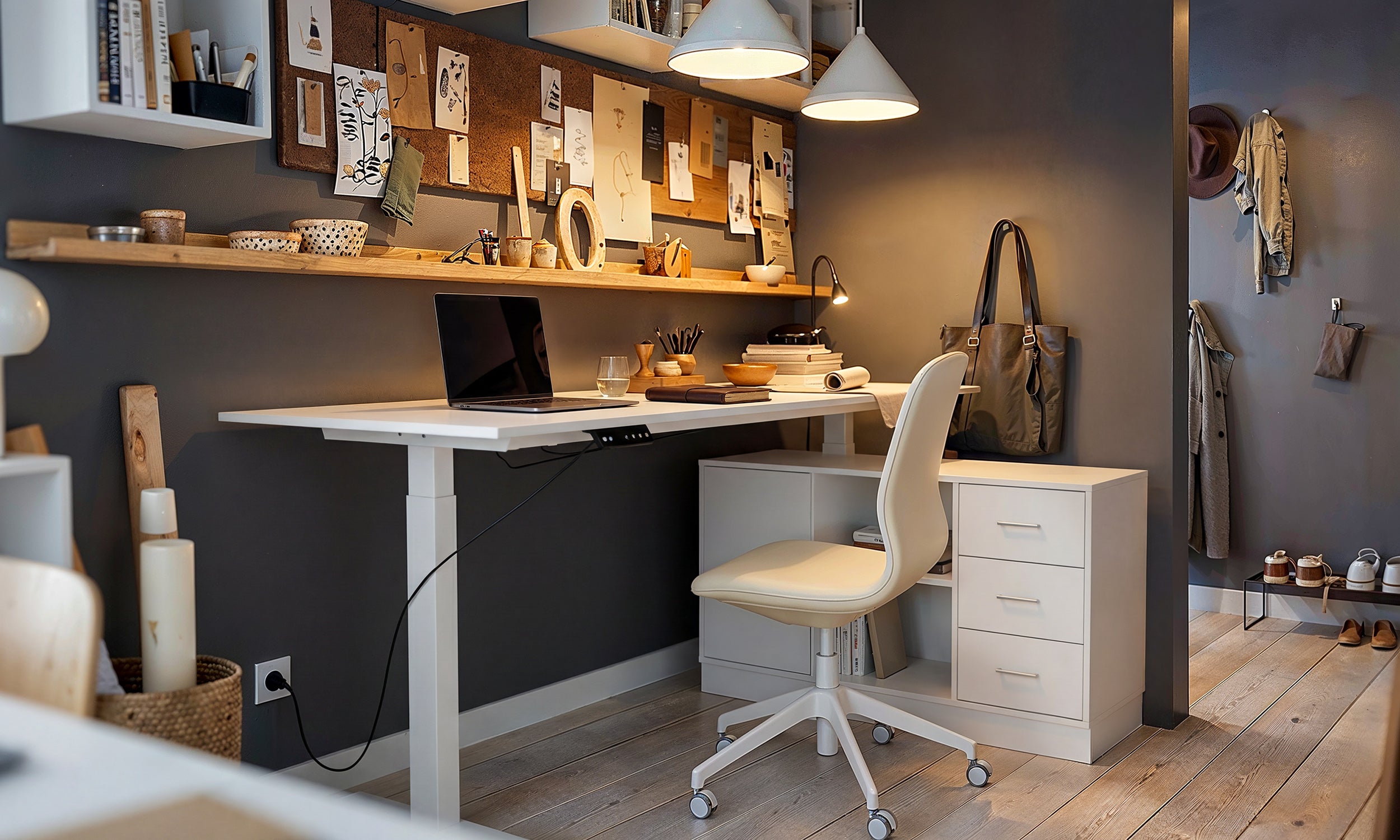
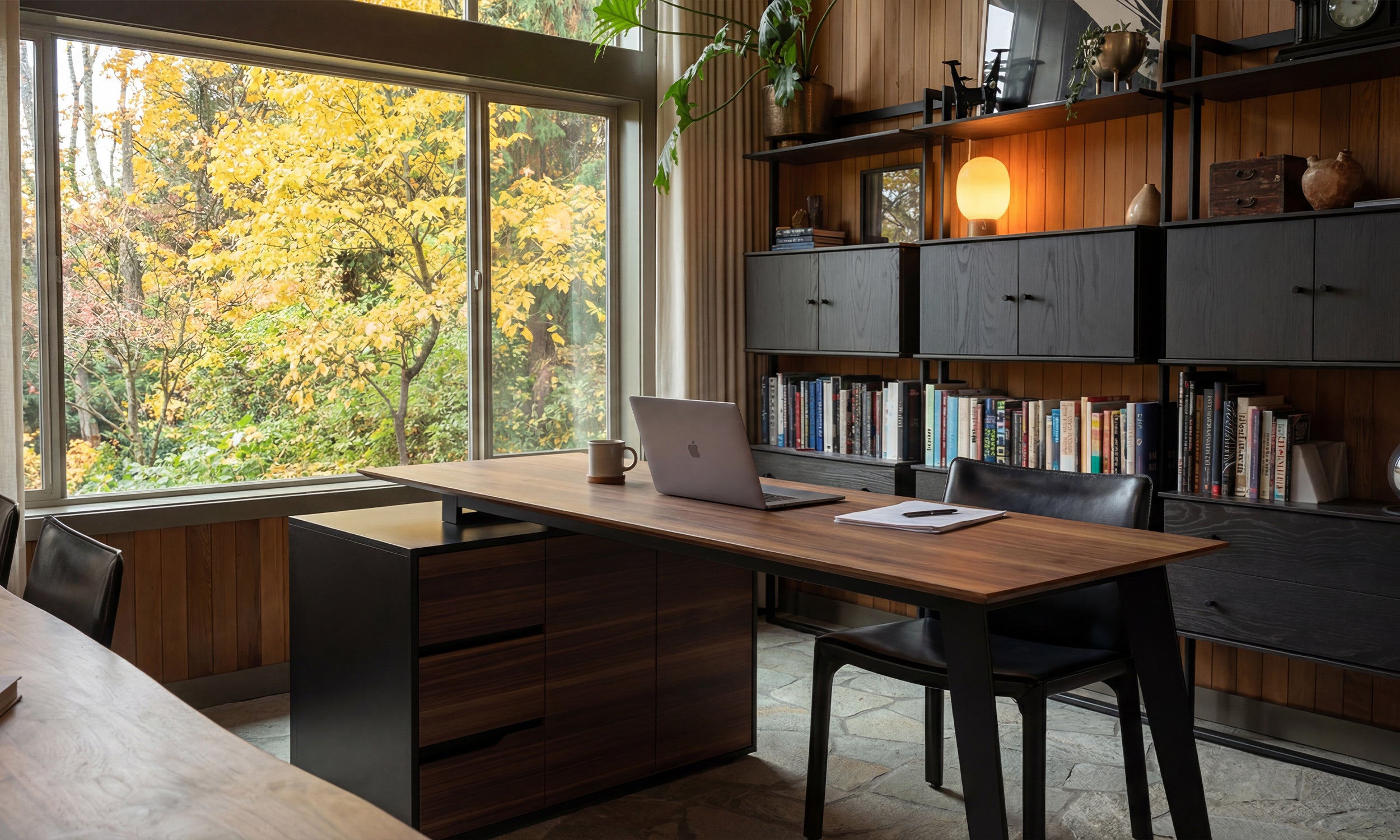

Workspaces have moved beyond standard seated desks as multipurpose floor plans, standing desk converters, and raised islands become everyday creative hubs. Finding the right counter height office chairs is essential when your workstation sits higher than conventional table levels. Without appropriate proportions and structural support, sitting at a taller surface can lead to dangling legs, awkward wrist angles, and strained upper shoulders. Understanding how an elevated chair interfaces with higher desktops ensures your daily routine remains both productive and comfortable.
Dimensional Architecture: Counter Height vs. Bar Height Desk Chairs
Before selecting a chair, distinguishing between counter elevation and bar elevation is critical. Standard desks typically sit low to accommodate standard task chairs, whereas counter-level surfaces require mid-elevation seating, and dedicated bar surfaces demand the tallest cylinder configurations available. Placing a true bar stool at a counter surface can crowd your thighs beneath the tabletop, while a standard chair leaves you reaching upward uncomfortably.
When planning your layout alongside an adjustable height desk product, aim for clear vertical clearance between the top of your seat cushion and the underside of the desktop. This open spacing allows your legs to slide freely under the work surface without pressing against drawer aprons, crossbars, or integrated charging channels.
Drafting Cylinders and Footring Mechanics
What sets an elevated task chair apart from standard office seating is its elongated pneumatic cylinder paired with a dedicated foot support ring. Standard office chairs rely on your feet resting flat on the room floor, but sitting at counter height leaves your lower legs elevated. An integrated footring acts as an artificial floor, distributing thigh contact across the seat cushion and preventing pressure along the undersides of the knees.
For optimal comfort, seek out footrings with secure height adjustments. Because leg proportions vary, securing the ring at a personal position ensures your knees remain at a comfortable right angle. Flexible creative setups, such as paired craft stations or a desk adjustable height product, particularly benefit from an easily repositioned footring that adapts whenever desk elevations change.
Base Stability, Casters, and Floor Interaction
Higher seating elevates your center of gravity, which fundamentally changes how a chair moves and balances. A dependable counter-height model features a widened five-star base to maintain planted stability during routine leaning or reaching. If a base is too narrow, shifting your weight forward to jot notes or reach a secondary monitor can feel precarious.
Mobility choices also matter at greater elevations. Standard smooth-rolling dual-wheel casters allow quick adjustments around a studio or open studio nook, but some workers prefer weight-activated braking casters or stationary glides. Stationary bell glides prevent the chair from drifting unexpectedly when you step up onto the footring to take a seat, offering grounded peace of mind on slick tile, laminate, or polished hardwood floors.
Ergonomic Features for High Counter Task Seating
Sitting elevated should never mean compromising on core ergonomic adjustments. A supportive high counter office chair incorporates responsive lumbar curves, tilt tension controls, and seat pan profiling to support natural spinal alignment over hours of focused drafting, computing, or collaborative meetings.
Backrest Profiles: Lumbar Contours vs. Minimalist Stool Designs
The ideal backrest profile depends largely on how you spend your workday. Full-height task backrests with breathable mesh and pronounced lumbar support work best for extended desk shifts, keeping your spine gently stabilized throughout research and writing tasks. The continuous back support reduces mid-back fatigue when sitting through prolonged afternoon conferences.
In contrast, low-back perches or backless architectural stools favor active, short-duration tasks. In fast-paced workshop areas, design studios, or kitchen planning nooks, a low-profile backrest allows you to swivel freely, hop off quickly, and visually maintain an open, uncluttered room line.
Armrest Clearance and Worksurface Docking
Armrests can either bolster comfort or become an annoying obstacle depending on desk dimensions. Height-adjustable or flip-up armrests allow you to rest forearms neutrally while typing, keeping shoulders relaxed. However, static, wide armrests often collide with high desk rims or drawer ledges, preventing you from sliding close to your keyboard.
When pairing elevated seating with choices from a versatile computer desk collection, measure the clearance beneath the desktop apron. Chairs featuring flip-back arms or recessed T-arms can easily tuck fully beneath the surface when not in use, preserving open walkway space around narrow home offices or compact studios.
Material Durability and Aesthetic Integration
Counter-height task seating sits visually higher in a room, making its silhouette, frame finish, and upholstery prominent elements within your interior decor. Selecting materials that balance visual elegance with practical wear resistance ensures your space looks cohesive while holding up to continuous daily use. You can read our office desk high guide for ideas on pairing refined furniture finishes with clean architectural styling.
Upholstery Selection for High-Traffic Workstations
Different materials serve different work habits:
- Breathable Mesh: Excellent for warm environments and full-day computer work, encouraging passive airflow that keeps the seating surface cool.
- Supple Faux Leather: Offers a polished, tailored appearance that wipes down quickly, making it a great option for mixed-use kitchen counter spots or shared family workstations.
- High-Density Performance Fabrics: Provide balanced cushion comfort with durable woven textures, resisting daily friction and maintaining a neat look over extended use.
Coordinating with Workspace Storage and Surrounding Furniture
Because an elevated desk chair stands taller than regular seating, its visual presence interacts closely with adjacent tall shelving, credenzas, and vertical file towers. Balancing the chair's metal accents—such as chrome, matte black, or brushed aluminum—with nearby drawer pulls and lamp bases creates an intentional, polished design flow.
In open-plan homes, elevated workspaces frequently share sightlines with living or dining spaces. To keep your work zone inviting rather than utilitarian, reference our desk office work guide for practical tips on balancing functional organizational furniture with artistic accessories and lighting.
Assembly, Delivery, and Maintenance Workflows
Putting together an elevated office chair requires careful attention to cylinder and footring alignment. Taking a methodical approach during initial unboxing ensures long-term stability and smooth mechanical function:
- Inspect the Base and Casters: Firmly press each caster or stationary glide into the five-star base sockets until fully seated, ensuring even contact across the floor.
- Position the Footring First: Slide the foot support ring onto the extended pneumatic cylinder before seating the cylinder into the base. Hand-tighten the tension knob loosely so you can adjust its final height later.
- Seat the Pneumatic Cylinder: Place the heavy end of the gas cylinder down into the center opening of the star base, confirming it sits plumb and perpendicular.
- Attach the Mechanism to the Seat: Fasten the seat plate mechanism to the underside of the seat cushion, verifying front-to-back orientation arrows before tightening bolts in an alternating cross pattern.
- Join Seat and Cylinder: Lower the assembled seat pan directly onto the top taper of the cylinder, pressing firmly downward to seat the friction taper.
- Calibrate Footring Height: Sit fully back in the chair, elevate the cylinder to match your desk surface, and slide the footring to where your knees rest comfortably at a right angle before securely tightening the central lock collar.
I find that taking five minutes every few months to re-tighten the footring collar and seat mechanism bolts keeps elevated chairs feeling solidly planted and squeak-free through everyday movement.
Elevated Seating Decision Framework: Selecting Your Ideal Match
Choosing the ideal counter height office chair comes down to aligning four key elements: your work surface height, daily sitting duration, flooring texture, and surrounding spatial clearances. For dedicated eight-hour analytical work, prioritize an extended cylinder paired with an adjustable footring, contoured lumbar backrest, and tuck-under armrests. For shared studio benches or active multipurpose islands, compact stools with low back profiles and stationary glides offer streamlined functionality without crowding the room.
By harmonizing seat travel, foot support mechanics, and aesthetic details with your existing furniture, you can craft an elevated workspace that supports focused concentration and comfortable day-long utility.


Laisser un commentaire
Ce site est protégé par hCaptcha, et la Politique de confidentialité et les Conditions de service de hCaptcha s’appliquent.