


















There is a distinct kind of mental fatigue that comes from visual noise. As an interior designer, I often walk into home offices where the furniture is exquisite, but the surface is chaotic, effectively ruining the room's energy. A cluttered workspace isn't just an eyesore; it breaks your cognitive flow. The solution isn't necessarily buying more plastic bins, but rather curating a system of desk diy organization that respects both your workflow and your aesthetic sensibilities.
Core Principles of Workspace Flow
- Ergonomic Reach: Keep daily tools within a 14-inch arc (the primary reach zone) to minimize physical strain.
- Visual Quiet: Utilize closed storage for non-essential items to reduce cognitive load and visual clutter.
- Material Continuity: Select organizers that complement your desk's finish (e.g., walnut trays on a walnut desk) for a seamless look.
- Vertical Utilization: expanding storage upward via pegboards or risers to preserve valuable surface area.
Zoning: The Mise-en-Place Approach
In professional kitchens, chefs use "mise-en-place" to keep ingredients ready. Your desk requires the same logic. Before you cut a single piece of wood or buy a drawer divider, map your "hot zones."
The Primary Zone
This is the area immediately in front of you. It should remain largely empty, reserved for the task at hand. Avoid permanent fixtures here. If you are looking for diy office desk organization ideas, focus on low-profile trays that can slide under a monitor riser when not in use.
The Secondary Zone
This is the perimeter. Here, structure is key. I recommend constructing or customizing monitor risers that double as "garages" for keyboards and notebooks. This creates a tiered effect, adding architectural interest to the desk while hiding clutter.
Materiality and Visual Weight
The materials you choose for your DIY projects define the room's character. A common error is mixing too many textures, which looks disjointed.
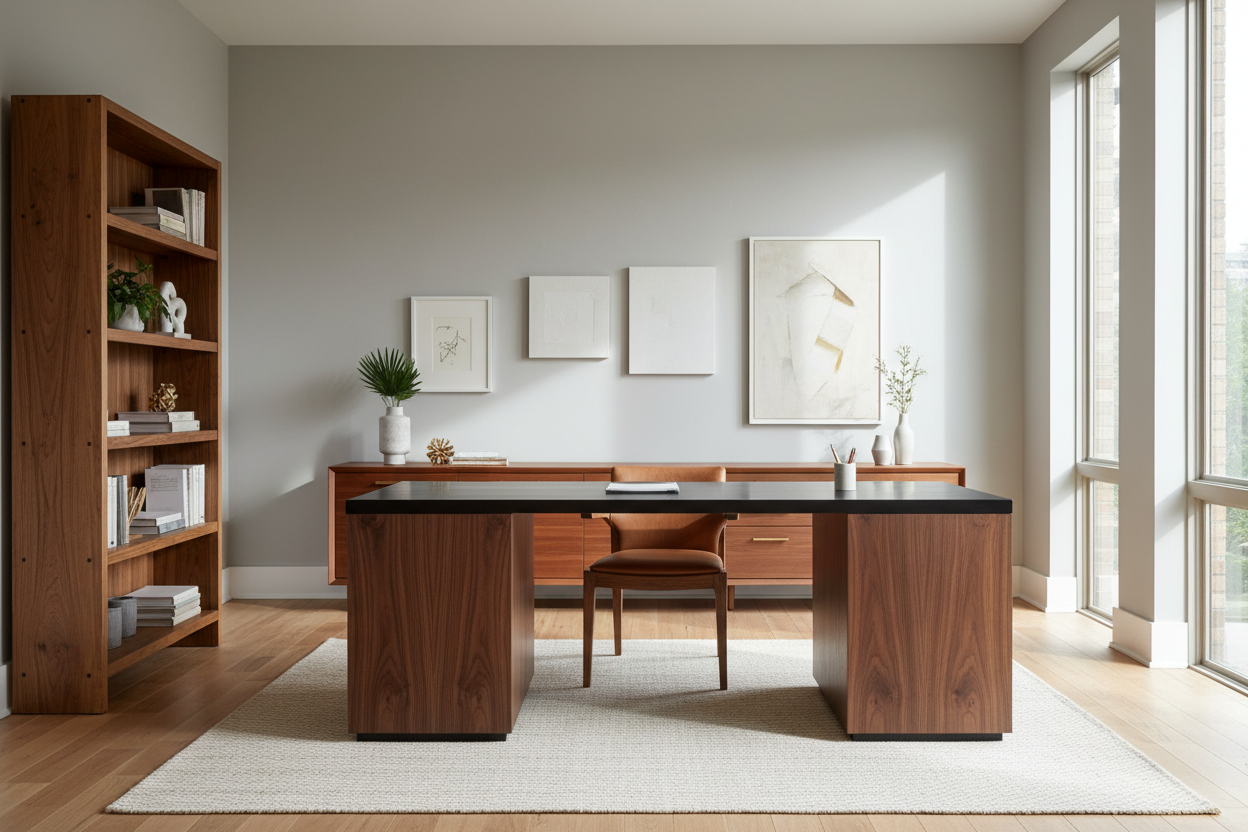
If you have a heavy, solid wood desk, avoid cheap, clear plastics. Instead, consider crafting organizers from leather, felt, or matching timber. For example, a simple DIY leather catch-all tray adds warmth and texture, absorbing the sound of keys or coins being dropped, which adds a layer of sensory luxury to the space.
The Vertical Advantage
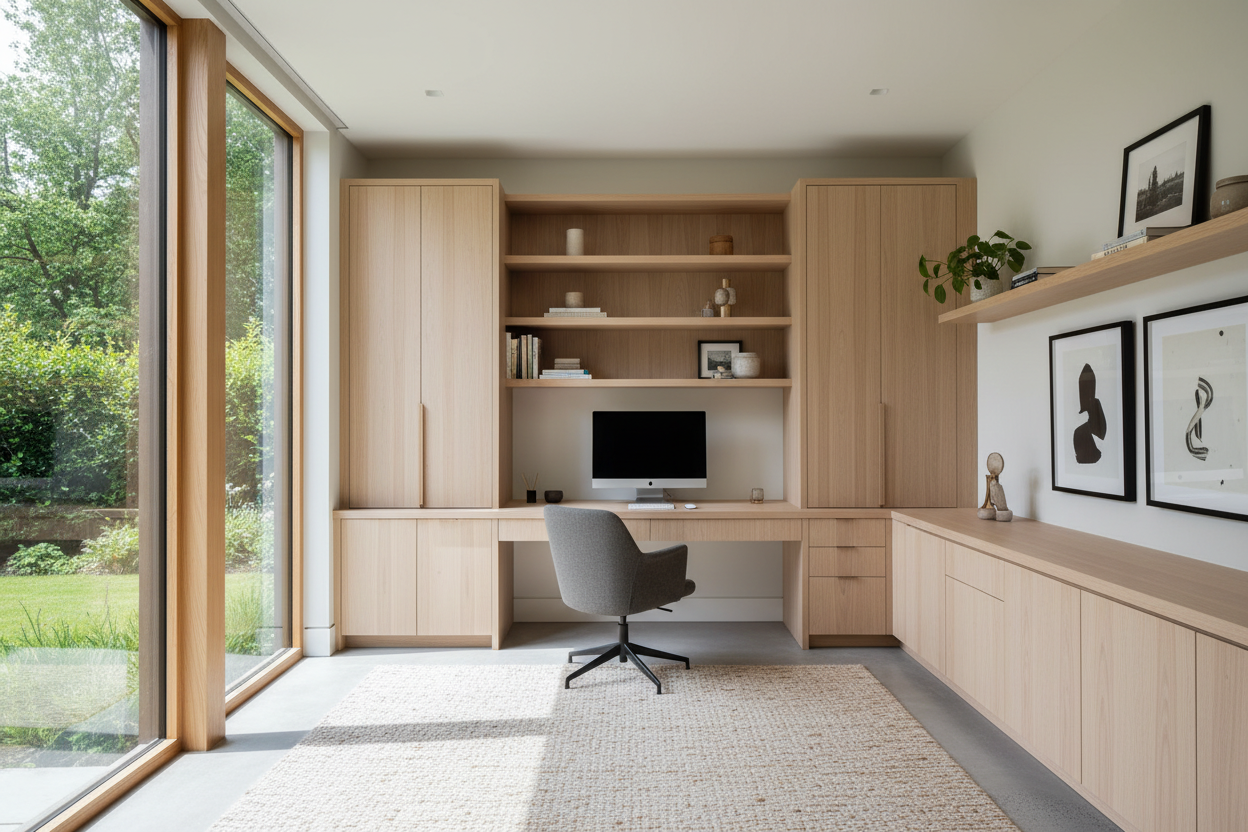
Floor space is finite; wall space is expansive. Installing a custom pegboard or a rail system is one of the most effective ways to clear a desktop. However, to keep it from looking like a garage workshop, paint the pegboard the same color as your wall. This monochromatic approach makes the storage disappear into the architecture, allowing your actual tools to act as decor.
My Personal Take on Desk DIY Organization
I learned a hard lesson about three years ago while styling a client's mid-century modern study. I had designed these beautiful, custom wooden drawer dividers to organize their stationery. They looked incredible—perfectly stained to match the vintage teak.
However, I forgot one crucial detail: sound. Every time the client opened the drawer, the pens and staplers would slide and rattle against the wood. It felt cheap and clunky, despite the high-end look. I had to go back and line every single compartment with self-adhesive wool felt. That specific tactile detail—the silence when placing a pen down—is what separates a "craft project" from a high-end design element. Now, whenever I build or recommend DIY organizers, lining the bottom with felt or cork is non-negotiable. It protects the organizer and adds a subconscious level of quality.
Conclusion
True organization is about designing a system that anticipates your needs. By building your own solutions, you ensure that every inch of your desk serves a purpose. Whether it is a simple cable management box or a complex shelving unit, the goal is to create a space where your mind is free to focus on what truly matters.
Frequently Asked Questions
How do I organize a desk without drawers?
Focus on desktop risers with hollow cavities underneath and wall-mounted storage. Utilizing vertical space is critical here. You can also mount shallow trays to the underside of the desktop for hidden storage.
What is the best material for DIY desk dividers?
Foam board is excellent for prototyping, but for a permanent, high-end feel, use balsa wood or acrylic sheets. These are easy to cut at home but offer enough rigidity to hold heavier items in place.
How do I hide cables in a DIY setup?
Mount a cable raceway or a simple gutter made of PVC pipe along the back edge or underside of the desk. Grouping cables with velcro ties before placing them in the raceway ensures they stay manageable and out of sight.

Leave a comment
This site is protected by hCaptcha and the hCaptcha Privacy Policy and Terms of Service apply.