

















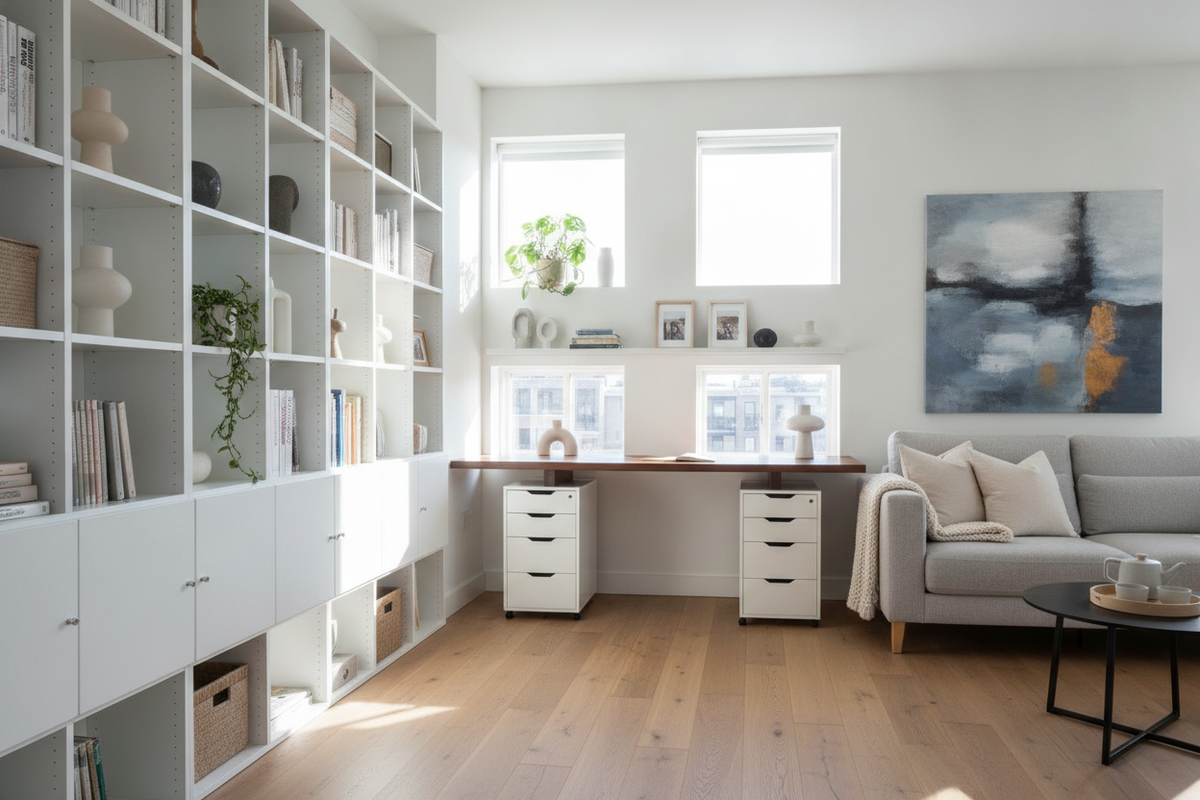
Architectural Harmony: Combining Modular Desks with Dedicated Storage Units
Designing a productive home office requires balancing open work surfaces with accessible, orderly storage. Rather than settling for an inflexible standalone desk, many planners build customizable setups using modular elements. Combining an ikea storage and desk ecosystem allows you to tailor surface width, storage volume, and perimeter depth to your specific room geometry.
The Shift Toward Modular Workstation Ecosystems
Modern workspaces demand versatile functionality. An integrated setup made from modular ikea desk components creates a tailored aesthetic while fulfilling distinct functional roles. By using separate drawer units, base cabinetry, and worktops, you can reconfigure or expand your furniture as storage requirements evolve over time.
Balancing Active Surface Area Against Static Organization
A primary goal of workstation planning is separating active tasks from static storage. Active desktop zones should remain uncluttered to support task lighting, monitors, and writing materials. Peripheral storage—such as an ikea desk with cabinet foundation or adjacent drawer stacks—houses archive files, office hardware, and extra stationery out of direct sight, preserving focus during daily work.
Core Configurations: Structural Approaches to Desk and Cabinet Integration
There are several proven structural approaches to combining worktops with storage units. Selecting the right setup depends on room proportions, required filing volume, and how frequently you need to access supplies.
The Pedestal-Supported IKEA Cabinet Desk Framework
One popular layout uses storage pedestals as the structural base supporting a solid tabletop. In an ikea cabinet desk arrangement, dual drawer units or low cupboards serve as legs on either side of the workstation. Reviewing an ikea cabinet guide can help you evaluate surface spans, weight distribution, and non-slip dampening buffers before placing heavy tops across modular drawer units.
Perpendicular and L-Shaped Credenza Desk Combinations
For larger floorplans or corner spaces, an L-shaped format pairs a primary desk with an adjoining storage credenza. A credenza desk ikea configuration gives you an expanded secondary surface for printers, charging docks, and sorting trays. You can also explore an integrated storage cabinet desk product to achieve a coordinated corner footprint with built-in multi-door organization.
Full-Height IKEA Wall Unit Desk Systems
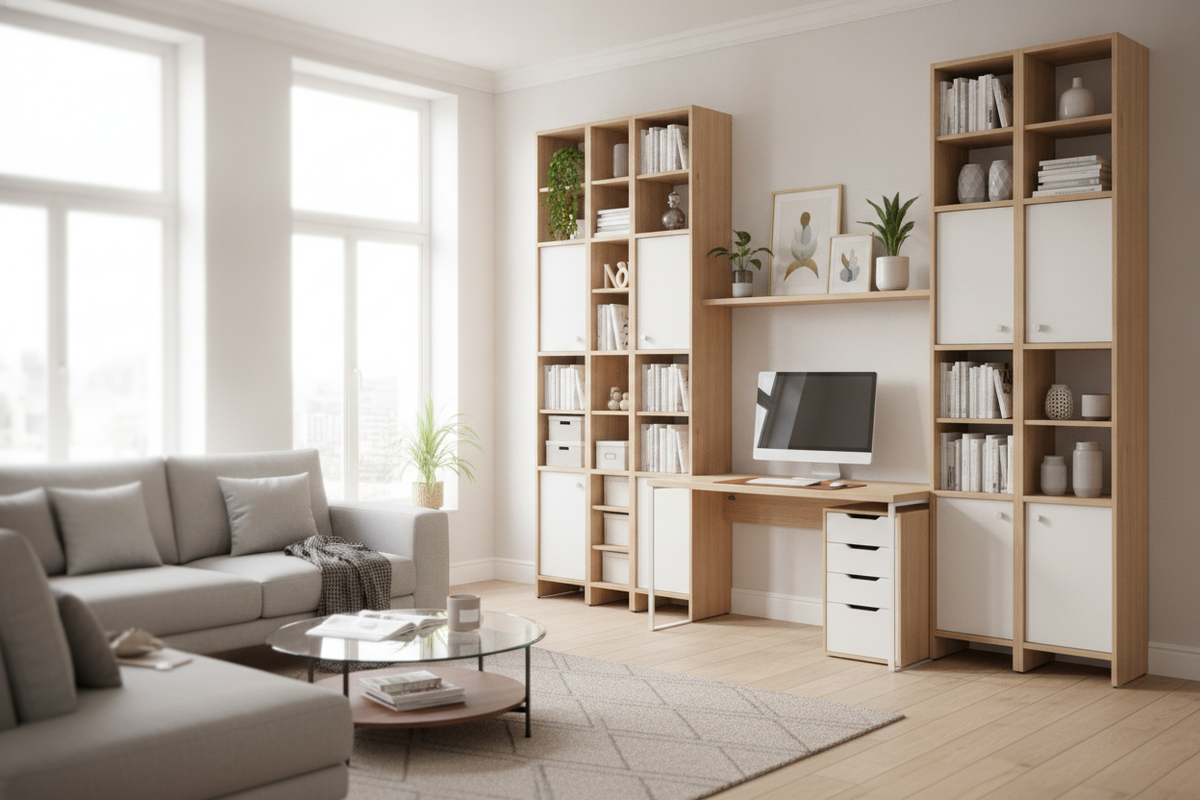
When floor area is limited, vertical storage maximizes available room height. An ikea wall unit desk integrates a desktop bridge inside a floor-to-ceiling shelving frame. For inspiration on designing expansive vertical cabinetry with an integrated workspace, consult our ikea wall units guide to coordinate open display shelving with concealed base cabinets.
Spatial Dimensions and Clearance Architecture
Careful spatial planning ensures your ikea desk combination feels comfortable and easy to navigate day to day.
Seated Clearance and Pedestal Spacing
When positioning base cabinets beneath a shared top, leave generous width between the pedestals. Ample central span allows office chairs with armrests to roll in smoothly and provides natural leg clearance. If a tabletop spans across a wide span between support pedestals, consider adding a discrete central support leg to reinforce the surface against sagging over time.
Depth Alignment Between Surfaces and Storage Cabinets
Worktops typically require more depth than standard auxiliary shelving units. When creating an inline perimeter run of ikea desk units and sideboards, aligning front edges or stepping the desk forward creates an intentional, structured look. Maintaining adequate depth ensures computer monitors sit at a comfortable viewing distance while keeping keyboard space unencumbered.
Storage Typologies: Matching Organizational Needs to Furniture Elements
Not all office items require the same storage environment. Choosing the right blend of drawers, doors, and shelves creates an orderly workspace.
High-Frequency Access: Drawer Elements vs. Open Cubbies
Items used throughout the workday—pens, notebooks, tablets, and cables—belong in shallow top drawers directly beneath the desktop surface. Deeper lower drawers accommodate document folders, while open cubbies allow swift access to reference books and ongoing project files without opening cabinet doors.
Concealed Bulk Storage and Adjustable Shelving
Closed storage hides visual clutter and protects sensitive materials from dust. When organizing binders, paper supplies, or bulky hardware, integrating flexible cabinets from an storage collection allows you to adjust shelf heights as your inventory changes.
Material Selection, Finish Harmony, and Assembly Stability
A successful ikea desk combo balances durable construction with a cohesive color and finish palette.
Core Materials and Surface Resilience
Desk surfaces experience daily friction, equipment weight, and occasional spills. Solid wood veneers, high-pressure laminates, and sealed composite tops offer durable resistance against surface wear. Pairing matching finish tones across worktops and cabinet fronts ensures that separate modular units look like a unified built-in suite.
Wall Anchoring and Anti-Tip Protocols
Safety is an essential part of modular furniture planning. Tall shelving units, wall-mounted bridge hutches, and standalone storage towers should always be securely fastened to structural wall studs using appropriate hardware brackets to ensure total stability under load.
Room-by-Room Layout Blueprints for Desk and Storage Combos
Applying the right layout depends on how your room relates to the rest of the household.
The Dedicated Home Office Perimeter Wall Layout
In a private study, arranging ikea desk sets along a single expansive wall creates a cohesive workstation. Flank the central seating zone with tall storage columns or symmetrical low credenzas to establish a balanced workspace with substantial filing capacity.
Compact Multi-Functional Living Spaces
In multi-purpose living areas or bedrooms, a modular desk setup should blend smoothly with common living room furniture. Choosing a sleek credenza or a cabinet storage wall product allows your work surface to function harmoniously alongside entertainment units and decorative shelving without dominating the living area.
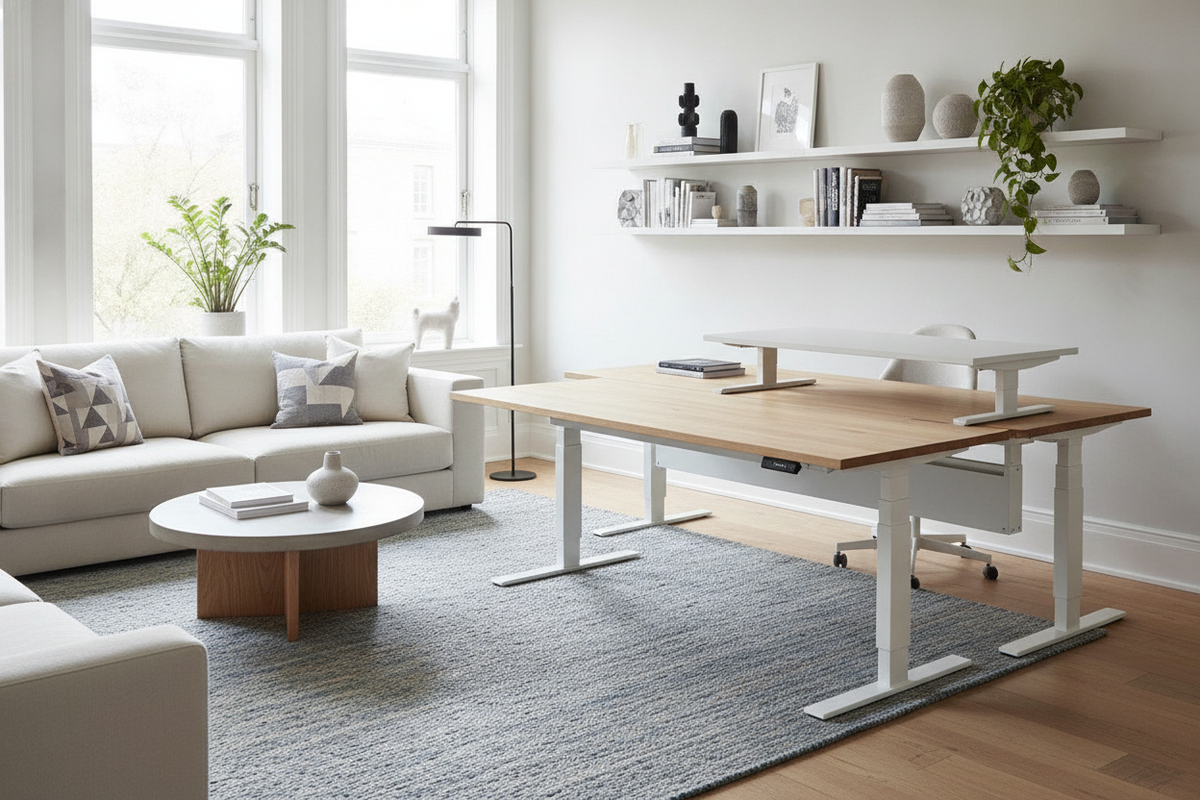

Leave a comment
This site is protected by hCaptcha and the hCaptcha Privacy Policy and Terms of Service apply.