











Finding the right workstation requires balancing architectural footprint, daily workflow demands, structural stability, and procurement logistics. When searching for a desk for sale, buyers often face a dizzying array of options ranging from compact writing tables to expansive commercial suites. Navigating these choices requires a systematic evaluation of spatial clearances, manufacturing materials, integrated storage layouts, and delivery methods to secure a durable, functional setup.
Workstation Sizing Tiers and Spatial Planning
Before browsing retail showrooms or digital storefronts, mapping room boundaries ensures a desk fits comfortably without choking primary walkways. Workstations generally divide into three structural scales, each serving distinct functional priorities.
Compact and Small Space Workstation Profiles
Compact desks prioritize a minimal spatial footprint, making them ideal for multi-use living areas, study nooks, or guest bedrooms. These designs generally focus on clean, uncluttered surfaces tailored for laptop use or focused writing sessions. When evaluating smaller models, vertical organization—such as raised risers or slim under-desk drawers—helps maintain usable work area without requiring wider floor boundaries.
Standard Mid-Size Home Office Clearances
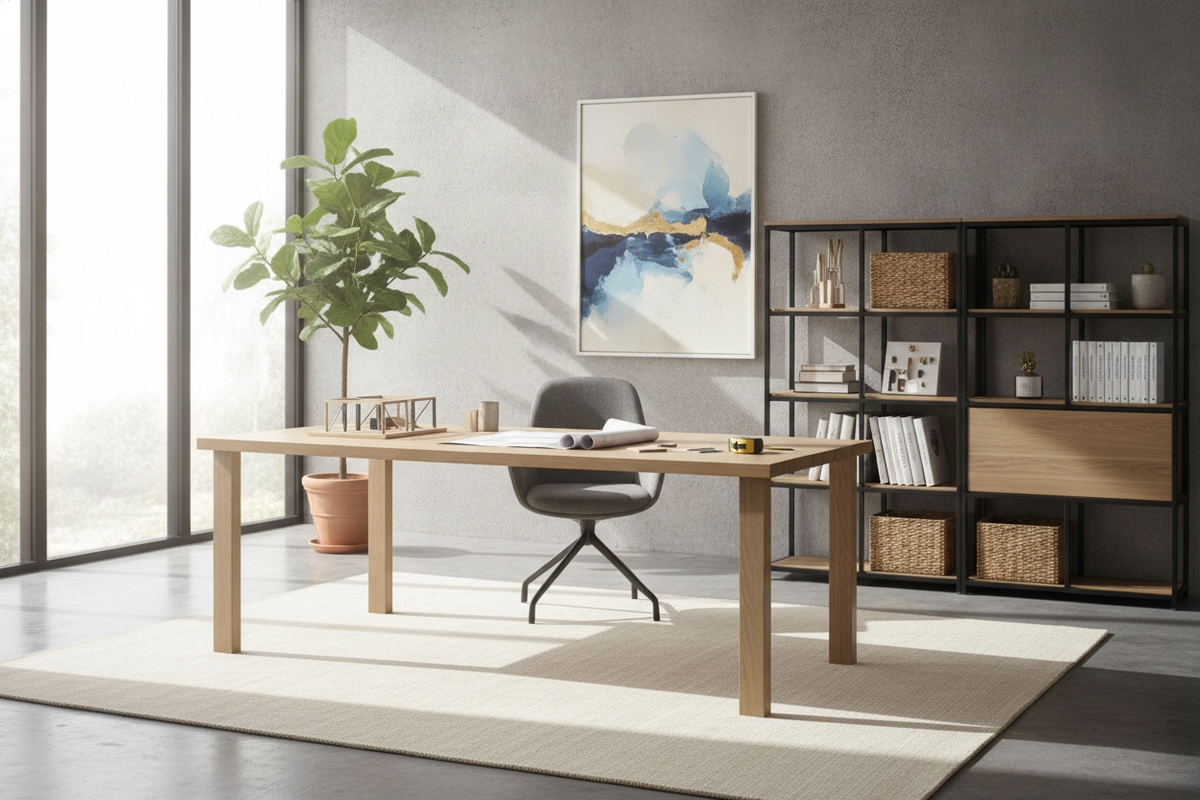
Standard home office desks balance surface real estate with everyday room flow. These workstations provide sufficient depth for standalone monitors, full-sized keyboards, and basic desktop accessories while preserving comfortable legroom. For dedicated office rooms, pairing these desks with complementary accents creates a cohesive look, as detailed in this where find sale guide for coordinating tabletop organization with surrounding room decor.
Expansive Executive and Corner Layouts
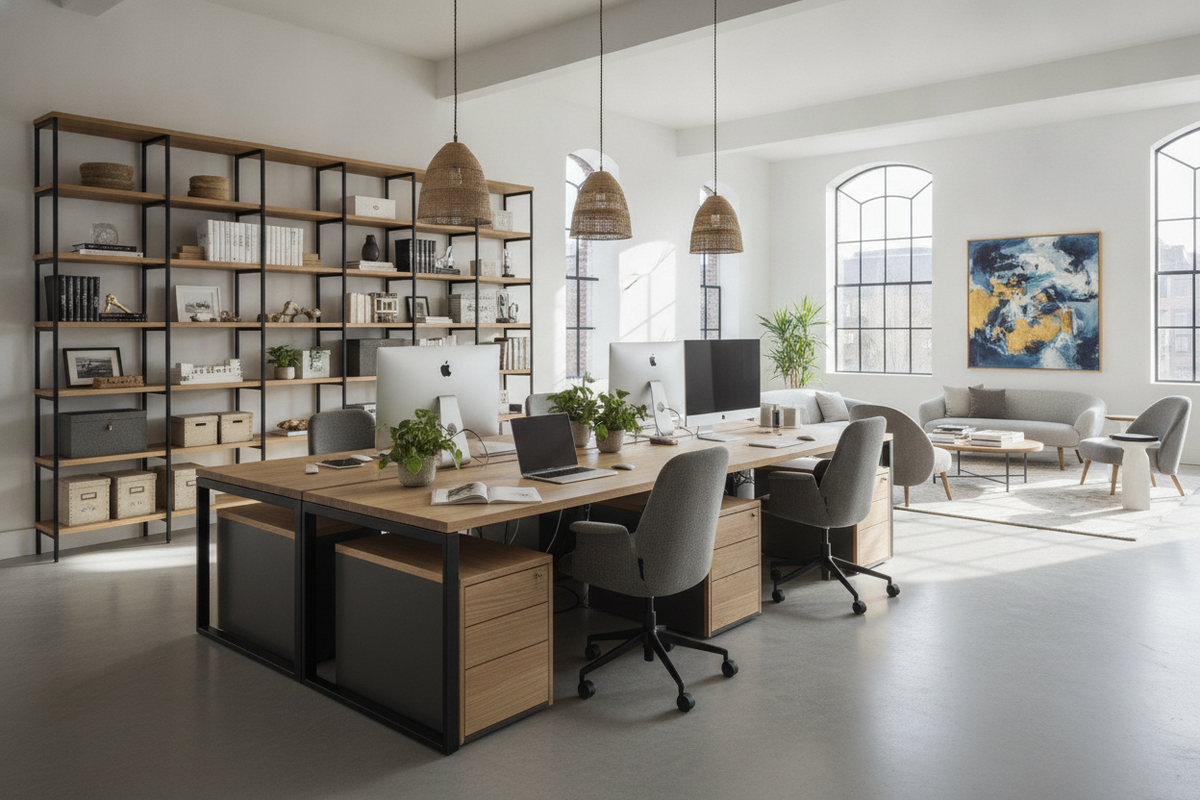
For demanding multi-monitor setups, paperwork management, or hybrid project workflows, expansive footprints like L-shaped and corner units maximize corner utility while establishing distinct task zones. Designs like an L-shaped office computer desk product demonstrate how wraparound surfaces provide deep peripheral support alongside integrated storage cabinets. In larger commercial or open-plan settings, substantial profiles such as a grand desk executive office product offer broad transaction surfaces and commanding architectural presence.
Channel Logistics: Sourcing Desks Online vs. In-Store Pickup
How and where you acquire a desk influences budget, delivery timelines, and transit complexity. Understanding the operational differences between online channels and brick-and-mortar stores clarifies expected lead times and effort.
Flat-Pack Shipping and Home Delivery Considerations
Purchasing furniture online offers access to a wider spectrum of styles, finishes, and storage configurations than local showrooms can physically display. When browsing an office deals collection, units typically arrive flat-packed in heavy, reinforced cardboard packaging. This method brings the parcel directly to your doorstep, though buyers must account for the transport of heavy cartons indoors and subsequent room assembly.
In-Store Inventory, Immediate Pickup, and Transport Readiness
Local retail sourcing allows immediate physical inspection of finishes, edge banding, and leg stability before purchasing. Opting for same-day store pickup eliminates shipping transit periods, but it demands careful vehicle planning. Buyers must measure their vehicle cargo area, verify box dimensions at the service desk, and prepare proper tie-downs to transport flat cartons or pre-assembled floor samples safely.
Material Construction, Framing, and Durability Benchmarks
The operational lifespan of a workstation depends fundamentally on its core substrate, exterior coating, and supporting frame architecture.
Desktop Substrates, Veneers, and Surface Resilience
Desktop surfaces experience constant friction, heat exposure, and occasional spills. High-density composite boards and engineered wood panels finished with scratch-resistant melamine or laminate coatings resist daily wear effectively while remaining cost-efficient. Natural hardwood veneers offer authentic wood grain textures, though they require routine care to avoid surface scoring or liquid damage. For a broader analysis of emerging aesthetic styles and materials, consult this desk sale buying guide.
Base Frames, Fasteners, and Under-Desk Bracing
A stable frame prevents monitor wobble during active typing. Powder-coated steel tubular frames provide rigid support, especially when reinforced with diagonal cross-bracing or central modesty panels. Wooden desk bases rely on robust cam-lock systems, dowel joinery, and internal corner blocks to maintain structural integrity under load.
- Structural Joinery: Look for steel brackets and metal-to-metal connection points in high-stress zones.
- Leveling Capabilities: Adjustable leveling feet compensate for uneven flooring surfaces, eliminating desk rock.
- Edge Banding Quality: Thermally fused edge banding prevents moisture intrusion and edge peeling over time.
Storage Architecture and Workstation Organization
An effective workstation must manage essential workflow tools without encroaching on productive surface area.
Integrated Drawers and Lateral Filing Capacities
Pedestal drawers house office stationery, external storage drives, and personal items out of sight. When evaluating built-in cabinetry, look for smooth-gliding drawer runners and dedicated file hanging rails that support standard document folders without binding.
Open Shelves, Cable Channels, and Modularity
Open lower shelving provides convenient placement for computer towers, reference books, and storage bins, ensuring continuous airflow around electronic hardware. Modern desks also frequently integrate built-in cable management grommets, under-desk wire trays, and rear cutouts to keep power cords and display connections organized and concealed.
Assembly Realities, Ergonomics, and Value Assessment
Assessing true furniture value requires looking beyond initial price tags to consider assembly requirements, daily comfort, and adaptability. Workstations requiring detailed assembly should come with clear component labeling and organized hardware kits. From an ergonomic standpoint, ensure the desktop height accommodates natural arm positioning and provides ample knee clearance for comfortable seating. By methodically weighing material quality, structural stability, storage utility, and logistical convenience, you can invest in a workstation that reliably supports your daily productivity for years to come.

Leave a comment
This site is protected by hCaptcha and the hCaptcha Privacy Policy and Terms of Service apply.