








Evaluating Cheap Desks: Balancing Budget and Build Quality
Searching for an affordable work surface often presents a crowded marketplace. When looking at a desk for sale cheap, shoppers regularly encounter designs that look attractive in catalog photography but vary widely in actual daily dependability. The primary challenge is discerning thoughtful value engineering from structural cutbacks that create monitor wobble, surface sagging, or premature joint loosening.
Budget-friendly home workstations do not need to feel fragile. By understanding the core connection points, materials, and support systems used in modern furniture manufacturing, you can invest in cost-effective pieces that comfortably support your daily computing and administrative workflow.
Value Engineering vs. Structural Compromise
Value engineering focuses on eliminating unnecessary decorative overhead while preserving the structural skeleton. A well-designed economical desk streamlines raw material use by employing hollow-core metal tubing, standardized panel dimensions, and modular assembly hardware. In contrast, compromised builds reduce the gauge of metal legs, eliminate back stability panels, or utilize thin connection dowels without reinforcing brackets.
Core Checkpoints for Budget Workstations
Before purchasing office desks for sale cheap, review several vital structural markers:
- Frame Rigidity: Check for under-table perimeter aprons or diagonal cross-braces that resist horizontal racking forces.
- Surface Core: Look for medium-density fiberboard or dense particle panels wrapped with continuous laminate rather than raw, unsealed edges.
- Hardware Standards: Robust metal cam-bolts, threaded machine inserts, and steel corner brackets yield longer service life than simple wood screws driven directly into pressed board.
- Base Support: Adjustable leveling glides allow you to stabilize the desk across uneven flooring without placing uneven strain on frame joints.
Dimensional Sizing Tiers for Value Workstations
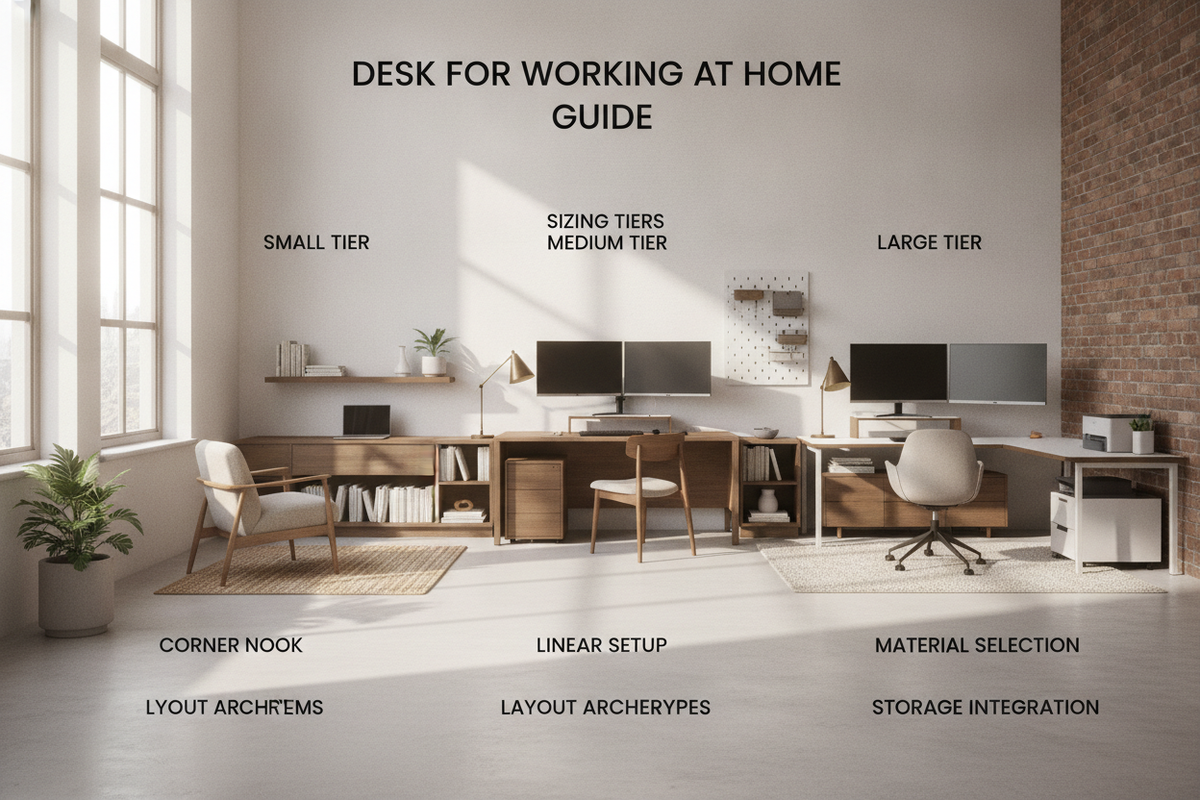
Selecting the right size prevents cramped ergonomics while ensuring your room remains easy to navigate. Budget desks generally fall into three distinct sizing profiles, each tailored to specific room dimensions and task loads.
Compact Footprints for Alcoves and Multi-Use Rooms
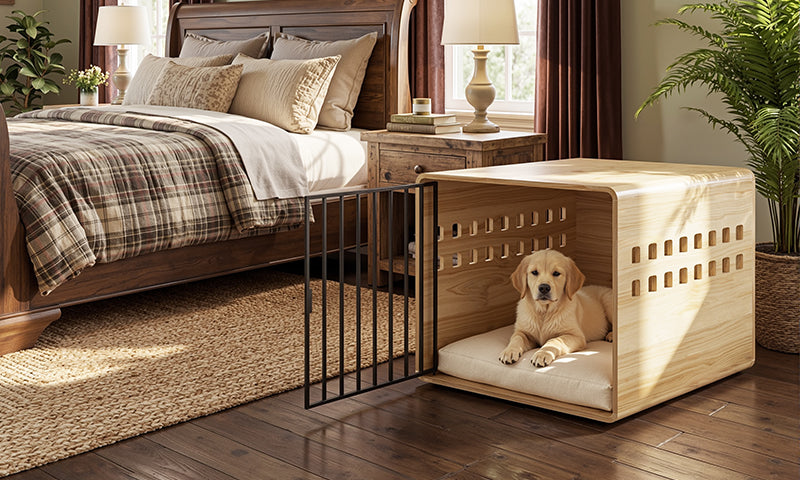
Compact desks serve bedrooms, small apartments, and dedicated study corners where floor space is limited. These designs focus on streamlined depths that accommodate a laptop, a secondary compact screen, and basic desk accessories. When space is especially tight, homeowners often explore enclosed workstation furniture solutions to keep equipment hidden outside working hours while preserving clear walkways.
Mid-Scale Linear Tables for Standard Home Offices
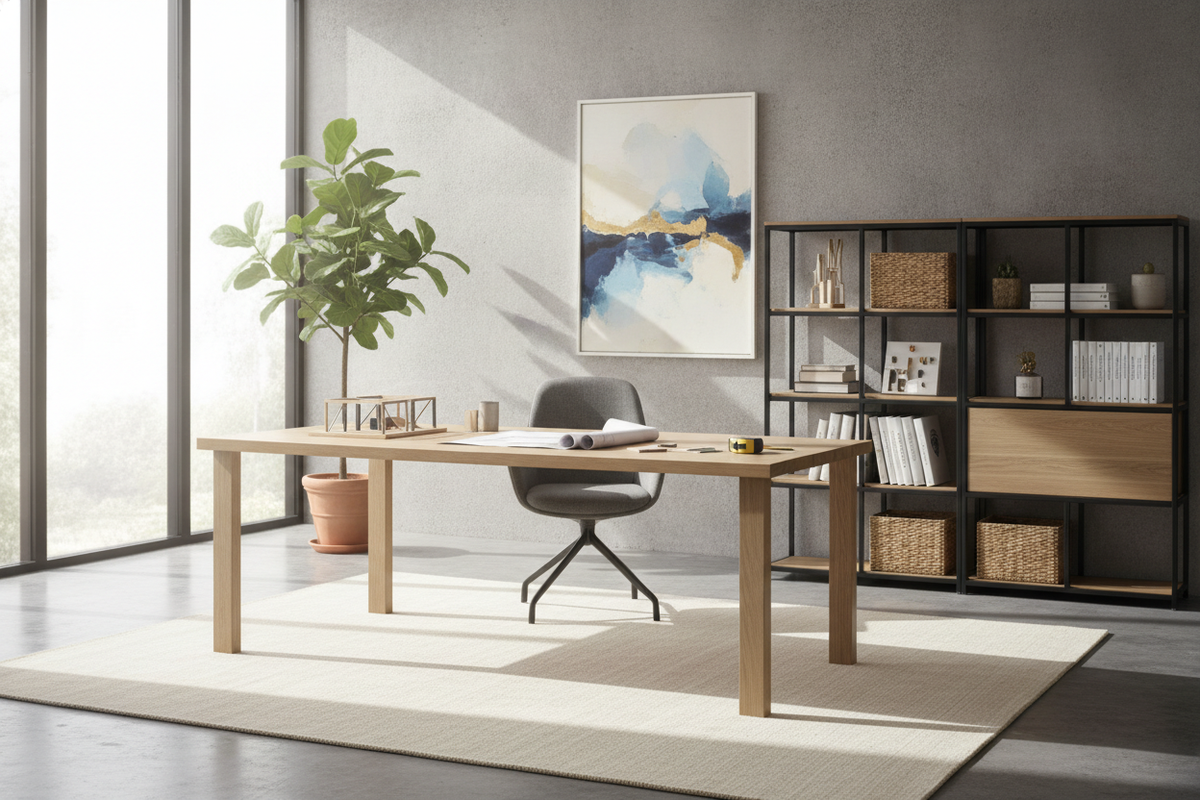
Linear rectangular desks represent the most versatile and widespread category. A standard straight table offers enough surface span for dual-monitor setups, desktop lighting, and writing materials. The open knee well allows standard task chairs with armrests to glide underneath smoothly, encouraging ergonomic seating posture during long workdays.
Corner and L-Shaped Configurations for High-Surface Needs
When multitasking demands distinct zones for paperwork, computer monitors, and peripheral devices, corner designs offer extensive surface area per square foot of room space. Setting up a modern minimalist corner desk with large storage maximizes unused perimeter corners while maintaining comfortable reach across two intersecting work zones.
Material Selection and Structural Durability on a Budget
The materials specified in budget furniture determine how well surfaces resist scratches, moisture rings, and sagging under weight.
Engineered Wood, Melamine Coatings, and Edge Banding
Engineered core boards provide flat, consistent substrates that do not warp with seasonal humidity changes like solid lumber can. To evaluate quality, look for melamine or thermo-fused laminate finishes. These protective surface layers guard against writing indentations and spilled drinks. Durable edge banding along front and side perimeters protects vulnerable corners from chipping during chair contact.
Powder-Coated Steel Frames and Cross-Bracing Stability
Desks featuring welded steel frames coated in powdered finishes offer excellent rigidity relative to their weight. Tubular steel legs withstand frequent movement and bumps far better than unsupported panel legs. Look for back-mounted X-bracing or reinforced upper gusset plates, which counteract side-to-side sway when typing or writing vigorously.
Storage Architecture: Maximizing Utility in Economical Desks
A bare tabletop can quickly become cluttered without dedicated organization. Choosing an affordable desk with smart storage integration eliminates the expense and visual clutter of purchasing standalone organizational accessories later.
Integrated Pedestals and Under-Desk Drawers
Integrated drawer banks keep stationery, charging cables, and filing folders out of sight. A combination unit like a multi-door office storage cabinet with desk merges expansive organizational compartments with a dedicated work surface, providing a unified workstation footprint that holds essential office supplies securely.
Vertical Overhead Storage and Modular Add-Ons
When floor dimensions are tight, building upward remains the smartest organizational strategy. Hutches, overhead risers, and modular desk shelving allow you to store reference books, speakers, and organizers at eye level. Reviewing an above-desk storage planning guide can help you arrange vertical compartments without overcrowding your main working zone or blocking natural window light.
Flat-Pack Assembly and Long-Term Maintenance Guidance
The lifespan of budget furniture relies heavily on how carefully the piece is initially put together and maintained over time.
Fastener Tightening, Cam-Lock Alignment, and Leveling Feet
During initial assembly, assemble all pieces on a soft carpet or blanket to avoid scuffing decorative panels. Follow these essential practices:
- Dry Fit and Hand Tighten: Insert all hardware loosely first so panels align naturally before tightening everything down firmly.
- Avoid Over-Torquing: Hand screwdrivers are preferable to high-speed power drills, which can strip pre-drilled particleboard threading.
- Level the Frame: Adjust the threaded bottom glides until all contact points touch the floor firmly, eliminating base wobble.
Surface Protection and Weight Distribution Best Practices
To preserve your desk over years of steady use, distribute heavy items such as desktop towers, printers, and multi-monitor mounts near frame support rails or directly over support legs rather than the center of an unsupported board. Using desk pads, coasters, and adhesive cable clips keeps the top surface scratch-free and orderly, ensuring your budget investment remains functional, sturdy, and visually sharp.

Leave a comment
This site is protected by hCaptcha and the hCaptcha Privacy Policy and Terms of Service apply.