

















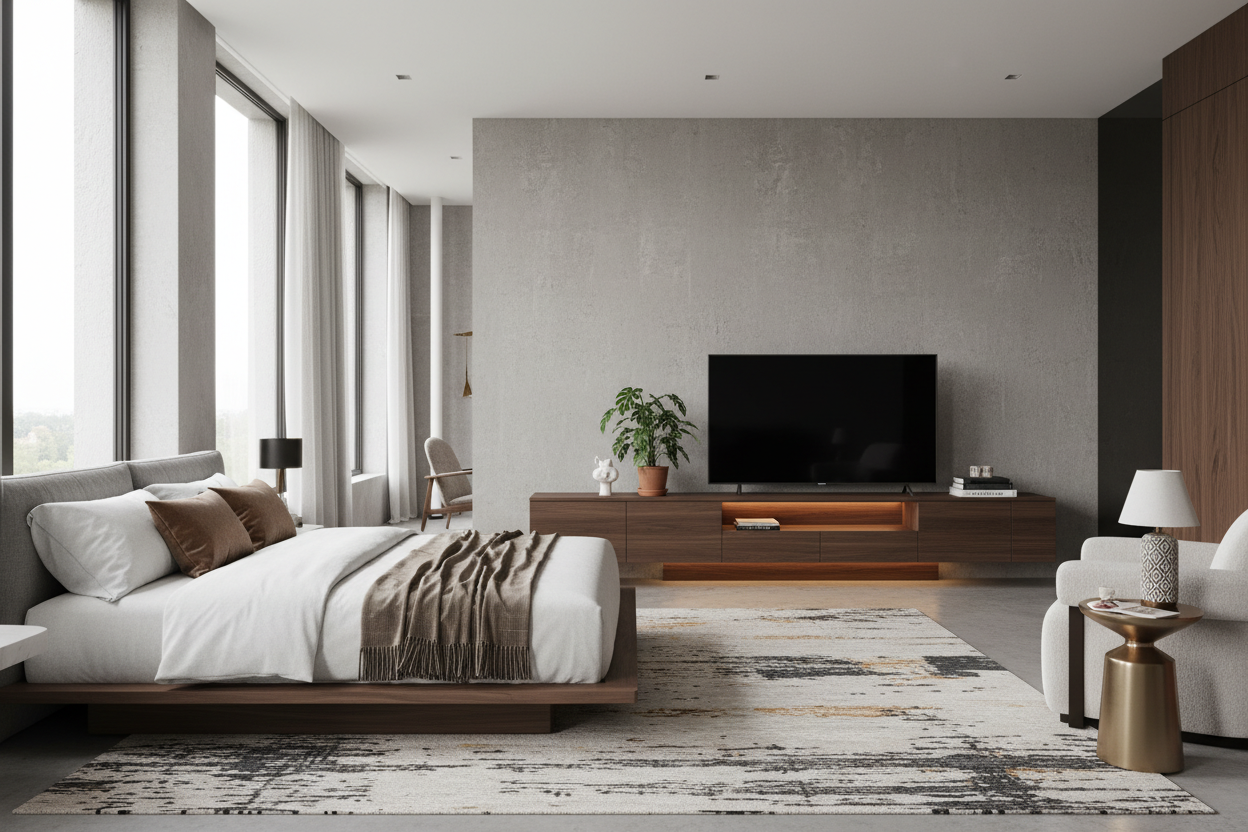
I spent years pretending I didn't want a TV in my bedroom. I told everyone it was a 'sacred space' for sleep and meditation. Meanwhile, I was actually scrolling on my phone for two hours every night, destroying my neck and my sleep cycle. When I finally admitted that a bedroom television stand was exactly what I needed, the guilt vanished. The key isn't avoiding technology; it’s making sure the tech doesn't turn your sanctuary into a dorm room.
By choosing the right piece, you're upgrading your bedroom into a space that actually serves your real-life habits, not just your aspirational ones. A well-placed screen can be part of a cozy wind-down routine rather than a glaring distraction.
Quick Takeaways
- Standard living room consoles (20-25 inches) are usually too low for comfortable viewing from a bed.
- Aim for a height of 42 to 54 inches to keep your neck in a neutral position while propped on pillows.
- Dressers often make the best 'secret' TV stands because they provide height and extra storage.
- Cable management is non-negotiable—visible wires kill the relaxing 'sanctuary' vibe instantly.
The Living Room Console Mistake
Most people make the mistake of buying a standard entertainment center bedroom piece that was actually designed for a living room. Living room furniture is built for people sitting upright on a sofa. Those units are usually 18 to 24 inches tall. But in bed, your sightline is completely different. You're reclined, usually at a 45-degree angle.
If you use a low tv bedroom stand, you’ll find yourself propping your head up with four pillows just to see over your own feet. This tucks your chin into your chest and strains your upper back. It’s the same 'tech neck' you get from looking at a laptop all day. You want the center of the screen to be at eye level based on your specific 'pillow math'—the height of your mattress plus the angle of your head when you're actually relaxing.
The Dresser Hack: When to Go Tall
This is why my favorite tv stand ideas for bedroom layouts usually involve a dresser. A standard six-drawer dresser sits around 35 to 45 inches high, which is the sweet spot for viewing from a bed. It lifts the screen high enough that you can lay back naturally without the footboard getting in the way.
If you don't want a full dresser, look for a modern TV stand with cabinets that offers more verticality than a media unit. These pieces are great because they provide deep drawers for bulky sweaters or extra linens while keeping the screen at a healthy height. I’ve found that pieces with legs—rather than a solid base—help the room feel less crowded.
What if You Only Have a Tiny Corner?
Not everyone has a massive primary suite with a long wall for furniture. When you’re hunting for small bedroom tv stand ideas, floor space is the enemy. I’ve seen people try to squeeze a full-width console into a corner, and it just creates a dead zone of dust bunnies and wasted square footage.
Instead, look for a 'tallboy' chest or a narrow pedestal. These provide the height you need (around 48 inches) without a massive footprint. A swivel base is a lifesaver in tight spots, allowing you to angle the screen toward the bed for a movie and then tuck it flat against the wall when you're done. It keeps the walking path clear, which is essential for not stubbing your toe during a 2 AM bathroom run.
The Double-Duty Vanity or Desk Setup
For those in studio apartments or multi-purpose rooms, a tv desk for bedroom use is the smartest move. You don't need two separate screens. You can try a TV monitor on stand that serves as your workstation at 10 AM and your cinema at 10 PM.
The trick is choosing a desk with enough depth—at least 24 inches. If the desk is too shallow, the screen will feel overwhelming when you're trying to work. Look for a desk with a cable management tray underneath so you aren't staring at a 'spaghetti mess' of power strips while you’re trying to sleep.
Hiding the Ugly Stuff (Because It's Still a Sanctuary)
Even the best tv stand in bedroom ideas fail if there are black wires dangling everywhere. A bedroom should feel calm. I use adhesive cord raceways that can be painted to match the wall color. It makes the wires virtually disappear.
If you have a cable box or a gaming console, hide it behind a decorative basket or inside a cabinet with slatted doors. You want to see the movie, not the blinking lights or the plastic hardware. I also swear by 'dimming stickers' for those tiny, bright LEDs on electronics—they are the only way to keep the room truly dark for actual sleep.
Personal Experience: My Neck-Cranking Mistake
I once bought a beautiful, low-slung mid-century console for my bedroom because it looked incredible on Pinterest. It was only 20 inches tall. Two weeks later, I was at the chiropractor. I ended up having to stack the TV on a pile of heavy art books just to see it over my duvet. It looked ridiculous. I eventually swapped it for a vintage bar cabinet I found at a thrift store. It was 42 inches tall, had plenty of storage for my 'secret' snack stash, and my neck has thanked me every night since.
FAQ
How high should a TV be in a bedroom?
Typically, 42 to 54 inches from the floor to the center of the screen. This allows you to view the screen comfortably while propped up on pillows without straining your neck downward.
Can I use a regular dresser as a TV stand?
Yes, and it’s often better than a standard TV stand. Dressers provide the necessary height for bed-level viewing and offer extra storage that most media units lack.
How do I hide the TV when I'm not using it?
Look into 'Frame' style TVs that display art, or place your TV inside an armoire with doors that close. You can also use a decorative folding screen to block the tech when it's not in use.

Leave a comment
This site is protected by hCaptcha and the hCaptcha Privacy Policy and Terms of Service apply.