

















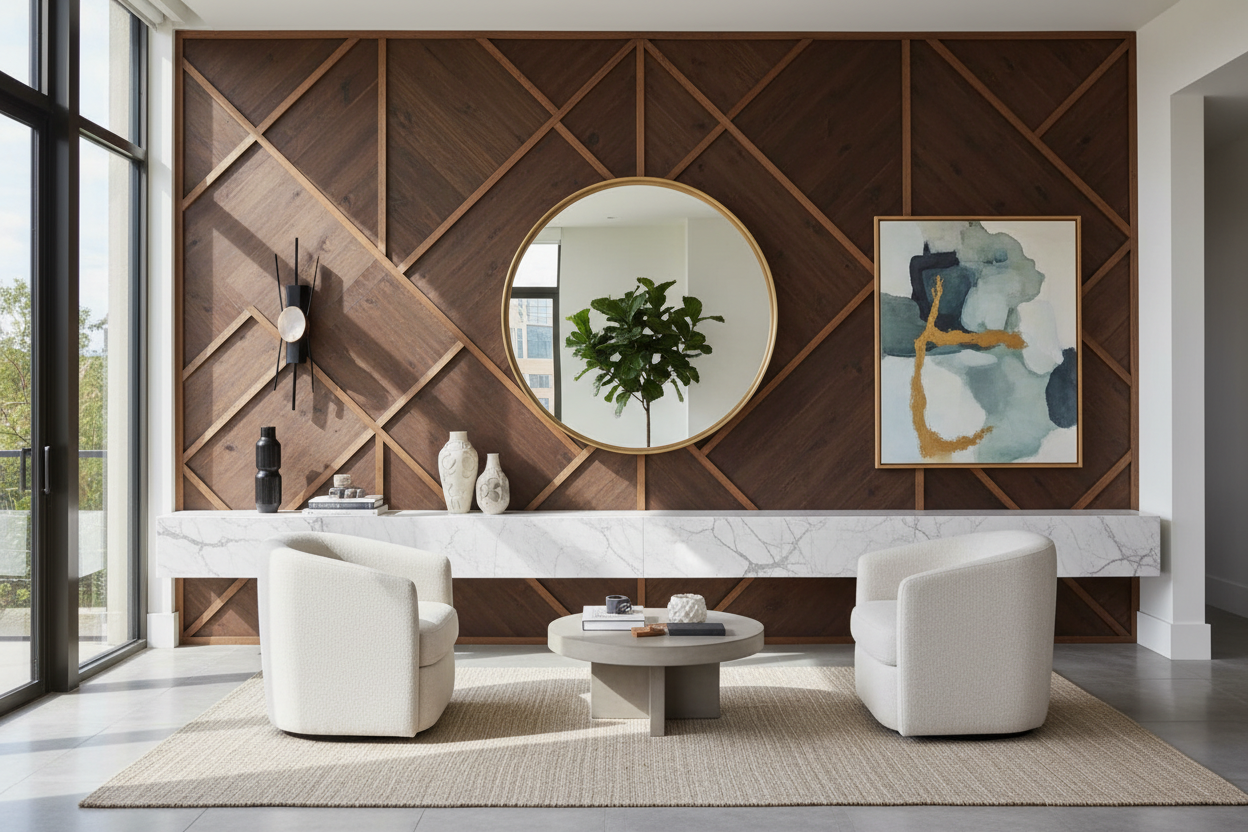
You have the perfect sofa, the rug is laid, and the lighting is set, yet the room feels somewhat hollow. This is a classic design dilemma where the furniture floats without an anchor. The missing link is almost always the treatment of the vertical plane behind your primary focal point. Strategic back wall decor does more than fill space; it grounds the room, dictates the mood, and corrects architectural imbalances.
Quick Decision Guide: Key Styling Elements
Before drilling holes or buying wallpaper, consider these four pillars of wall design to ensure a cohesive look. These factors are what I check first when walking into a client's home:
- Scale & Proportion: The decor should span approximately two-thirds the width of the furniture below it to maintain visual balance.
- Texture vs. Color: Decide if you need tactile depth (wood slats, plaster) or visual pop (bold paint, large-scale art).
- Lighting Interaction: How does natural or artificial light hit the surface? Texture requires grazing light; flat art requires direct spots.
- Acoustic Function: In large, echoey rooms, opt for fabric panels or tapestries over glass-framed art.
Defining the Focal Point: Scale and Layout
The most egregious error homeowners make with back wall decoration is timidity. Hanging a single, small frame behind a 90-inch sofa creates a sense of disconnection. As a designer, I look for "visual weight." If you are using a gallery wall approach, treat the entire collection as one single unit. The outer edges of your arrangement should define a shape that relates to the furniture below.
The Two-Thirds Rule
Whether you are installing a floating shelf or a piece of statement art, aim for the item to cover roughly two-thirds of the width of the sofa or console beneath it. This prevents the furniture from looking like it is overpowering the art, or vice versa.
Materiality: Moving Beyond Paint
While paint is effective, true luxury often comes from material manipulation. When brainstorming high-end back wall ideas, consider architectural elements.
Wood Paneling and Millwork
Vertical wood slats or classic wainscoting add rhythm to a room. In contemporary projects, I often specify walnut or white oak slats with black acoustic felt backing. This not only looks sophisticated but also dampens sound, making the room feel more intimate.
Textured Wall Coverings
Grasscloth, silk, or heavy-vinyl wallpapers introduce a tactile quality that flat paint cannot achieve. When light hits a textured surface, it creates micro-shadows that add depth to the room, preventing the "flat box" effect common in new construction.
Function Meets Form: Shelving and Storage
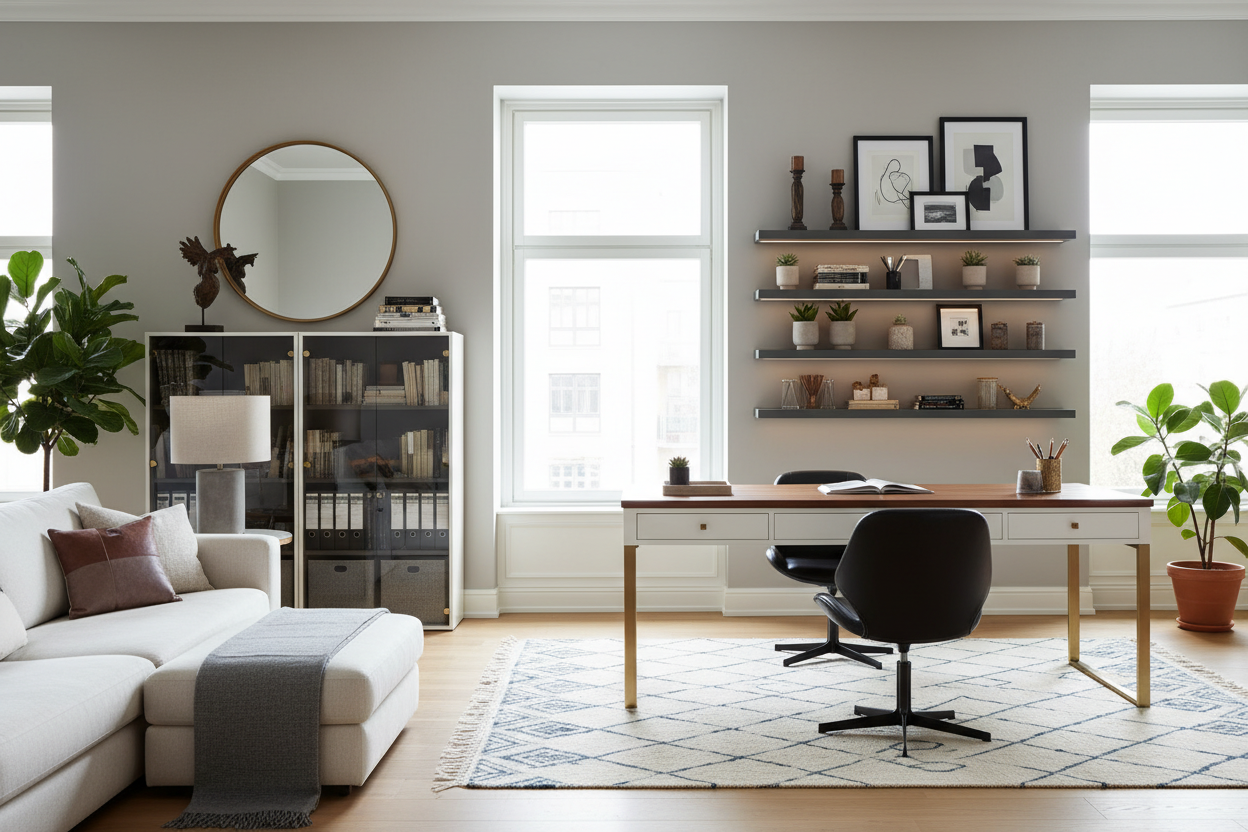
If your space is limited, your back wall decoration must work double duty. Floating shelves are a staple, but the execution matters. Ensure the shelves are deep enough (at least 10-12 inches) to hold substantial objects, not just trinkets. Style them with a mix of vertical items (books, vases) and horizontal items (boxes, trays) to keep the eye moving.
My Personal Take on Back Wall Decor
I want to share a specific lesson from a penthouse project I worked on in Chicago. We installed a stunning, dark charcoal textured wallpaper behind a light linen sofa. It looked incredible in the samples.
However, once installed, I realized we hadn't accounted for the "grazing" angle of the recessed can lights above. The lights hit the wall so sharply that every single seam in the wallpaper—which is natural in grasscloth—cast a harsh, jagged shadow. It looked like a mistake rather than a feature. We had to pivot and install adjustable gimbal lighting to soften the angle. The takeaway? If you choose a textured back wall, you must plan your lighting simultaneously. The texture is only as good as the light that reveals it.
Conclusion
Treating your back wall is the difference between a house that feels furnished and a home that feels designed. Whether you opt for architectural millwork or a curated art collection, remember that scale is king. Don't be afraid to go big, and always consider how light interacts with your chosen materials.
Frequently Asked Questions
How high should I hang art behind a sofa?
The center of the artwork should be at eye level, roughly 57 to 60 inches from the floor. However, ensure the bottom of the frame is 8 to 10 inches above the sofa back to prevent head collisions.
What are the best back wall ideas for renters?
Large-scale tapestries, peel-and-stick wallpaper, or a leaning oversized mirror are excellent options. They provide massive visual impact without requiring permanent structural changes.
How do I style a back wall in a dark room?
Avoid dark heavy paints which will absorb the little light you have. Instead, use mirrors to bounce light around, or opt for metallic wall sculptures that reflect ambient light to brighten the corner.


Leave a comment
This site is protected by hCaptcha and the hCaptcha Privacy Policy and Terms of Service apply.