



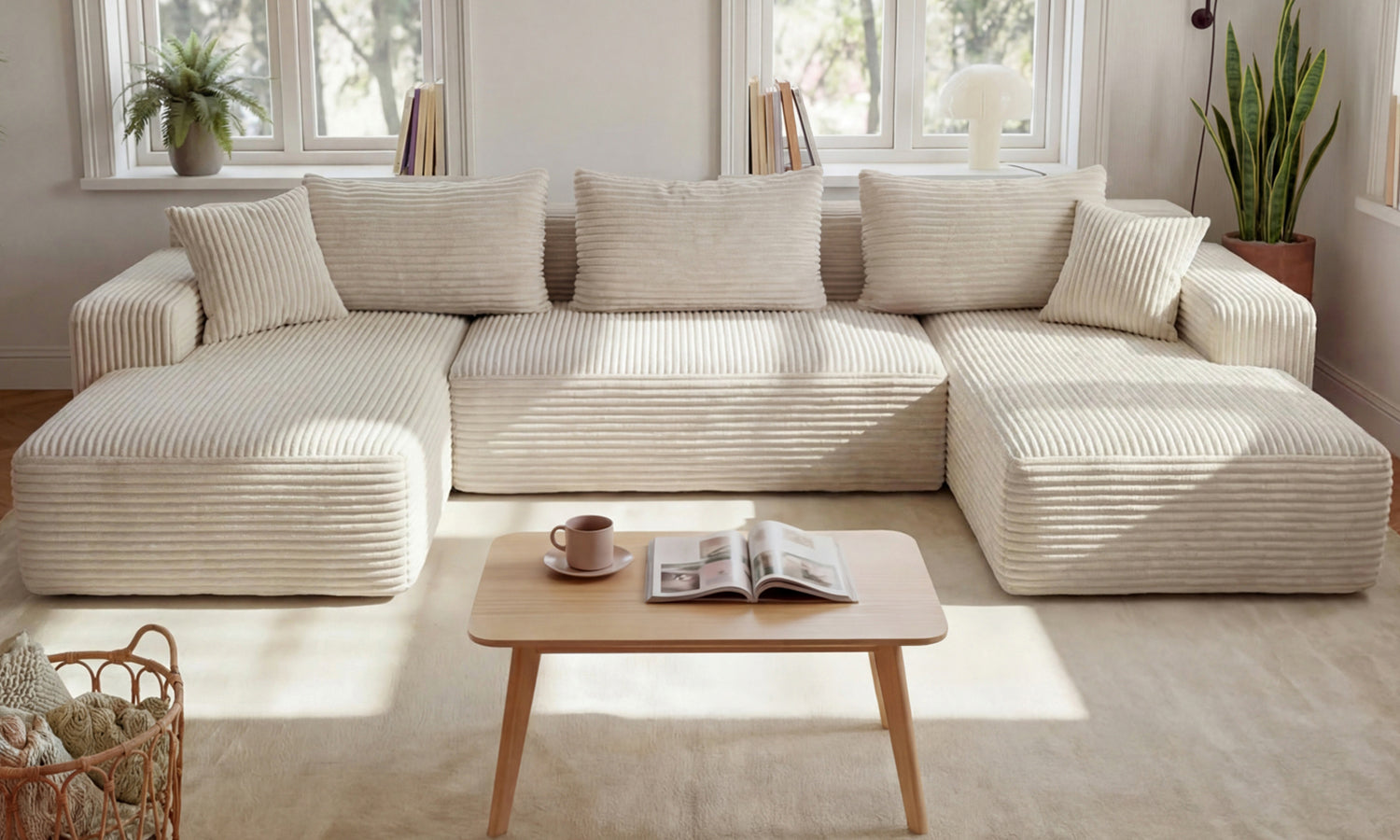







There is a specific kind of paralysis that hits homeowners when standing in a massive furniture showroom. You are surrounded by hundreds of options, yet you can't visualize how a single piece will translate to your actual living area. The dilemma is rarely about finding a beautiful piece; it is about finding a piece that respects the architecture of your home. As a designer, I see clients fall in love with a silhouette, only to realize too late that the rooms sofa they chose dominates the floor plan rather than anchoring it.
Quick Decision Guide: What Matters Most
Before you commit to a purchase, review this checklist to ensure the piece meets professional standards for longevity and style. This is what separates a six-month fling from a ten-year investment.
- Frame Construction: Always look for kiln-dried hardwood. Avoid particle board or softwoods that warp over time.
- Suspension System: Sinuous springs offer firm support, while 8-way hand-tied springs provide the gold standard for luxury comfort.
- Fabric Durability: Check the "double rub" count. For family rooms, aim for 15,000+ rubs.
- Seat Depth: Standard depth is 21-24 inches. Anything deeper requires throw pillows for back support.
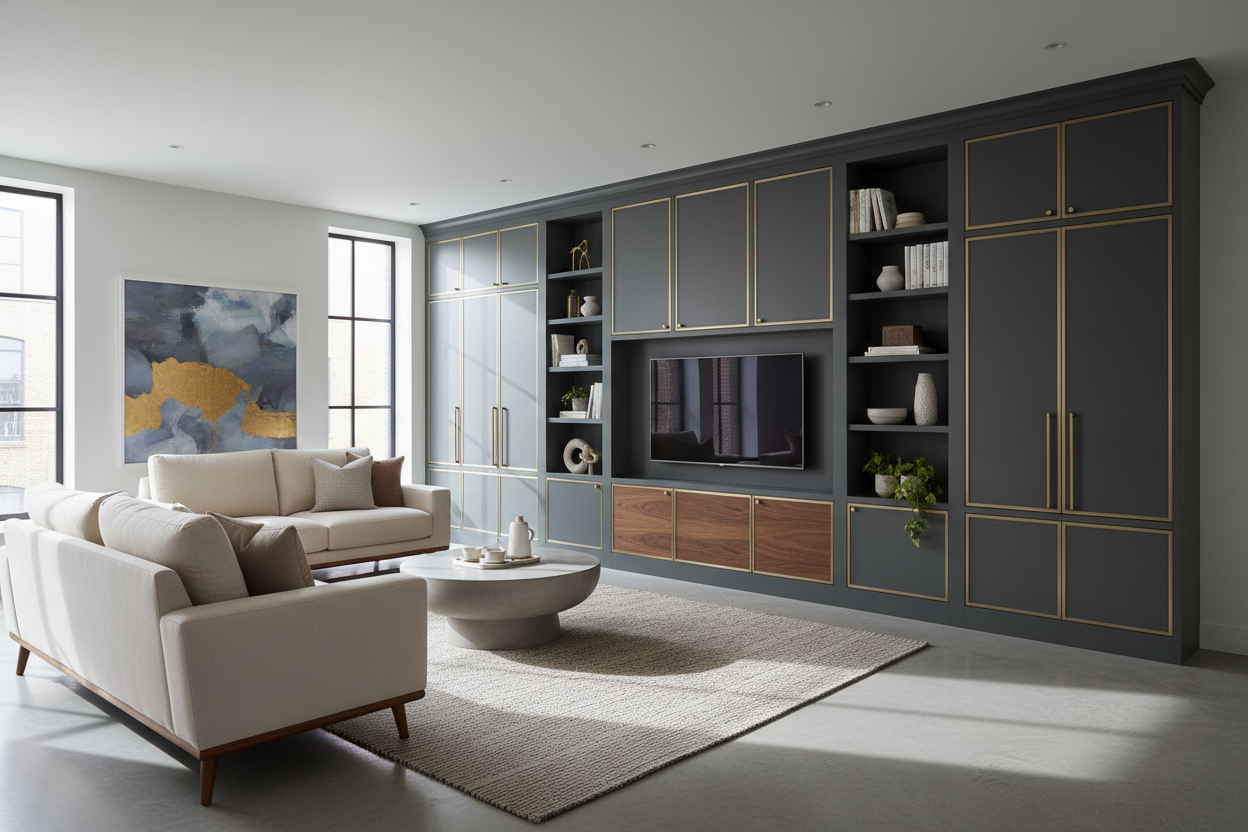
- Visual Weight: Consider leg style. Exposed legs make a room feel airier; skirted bases feel heavier and more traditional.
Analyzing Material and Durability
When you walk into a retailer looking for a room store couch, the lighting is often manipulated to make every fabric sheen look high-end. However, the tactile reality of daily living is different. For high-traffic areas, I advise clients to look beyond the initial softness. You want performance fabrics—crypton or high-quality blends—that resist staining without feeling like plastic.
Leather is another contender, but be wary of "bonded leather" often found in budget room store sofa collections. It peels. Top-grain or full-grain leather will develop a patina and tell a story over time, whereas lower grades will simply deteriorate.
The Art of Space Planning
Scale is the most common casualty in interior design. A sofa that looks modest in a warehouse-sized showroom can look like a behemoth in a standard 12x14 living room. When integrating a new piece, you must consider the traffic flow. You need a minimum of 30 to 36 inches of walkway clearance around the seating area. If the piece chokes the entry points, the room will subconsciously feel stressful, regardless of how plush the cushions are.
Visual Weight vs. Physical Dimensions
It isn't just about the tape measure; it is about the silhouette. A chunky, rolled-arm sofa sitting directly on the floor has high visual weight. In a smaller apartment, this feels suffocating. Conversely, a mid-century modern profile with raised, tapered legs allows light to pass underneath, tricking the eye into seeing more square footage. This is a crucial distinction when browsing a room store couch inventory online versus seeing it in context.
Ergonomics: The "Sit Test"
A sofa is an engine for relaxation, so the mechanics matter. The pitch of the back and the density of the foam determine whether you sit on the sofa or in it. High-density foam wrapped in down provides that sinking luxury without the messy look of a fully unstructured cushion. If you suffer from back issues, look for a tighter back rather than loose cushions, which tend to shift and lose support after a few hours of lounging.
Lessons from My Own Projects
I want to share a specific failure from early in my career to save you a headache. I once specified a gorgeous, deep-seated sectional for a client's media room—essentially a massive rooms sofa setup. In the showroom, the velvet texture was divine. However, I didn't account for the "nap" of the fabric (the direction the fibers lay).
Once installed, every single time someone sat down, it left a distinct, darker "butt print" where the fabric was brushed against the grain. The room looked perpetually messy unless we vacuumed the sofa in one direction. Furthermore, the client had a golden retriever. The velvet acted like Velcro. We ended up having to reupholster the piece within a year. The lesson? Always bring a fabric swatch home, rub it against your clothes, and see how it reacts to friction and light before signing the invoice.
Conclusion
Selecting the right seating is about balancing the architectural needs of your home with the tactile needs of your family. Don't let the showroom dazzle you into ignoring scale or material composition. By focusing on the frame quality and the visual weight, you can secure a piece that elevates your aesthetic rather than complicating it.
Frequently Asked Questions
How do I know if a sofa will fit through my door?
Measure the diagonal depth of the sofa. If the diagonal measurement is less than the width of your door frame, it should pivot through. Don't forget to account for tight hallway turns or elevator heights in apartment buildings.
What is the best cushion filling for longevity?
High-resiliency (HR) foam wrapped in a layer of Dacron or down is the industry standard for balancing shape retention with comfort. 100% down cushions require daily fluffing and are high maintenance.
How often should I rotate my sofa cushions?
To prevent uneven wear and permanent indentations, rotate and flip your cushions once a week. If the cushions are fixed, smooth the fabric out by hand regularly to prevent pooling.


Leave a comment
This site is protected by hCaptcha and the hCaptcha Privacy Policy and Terms of Service apply.