

















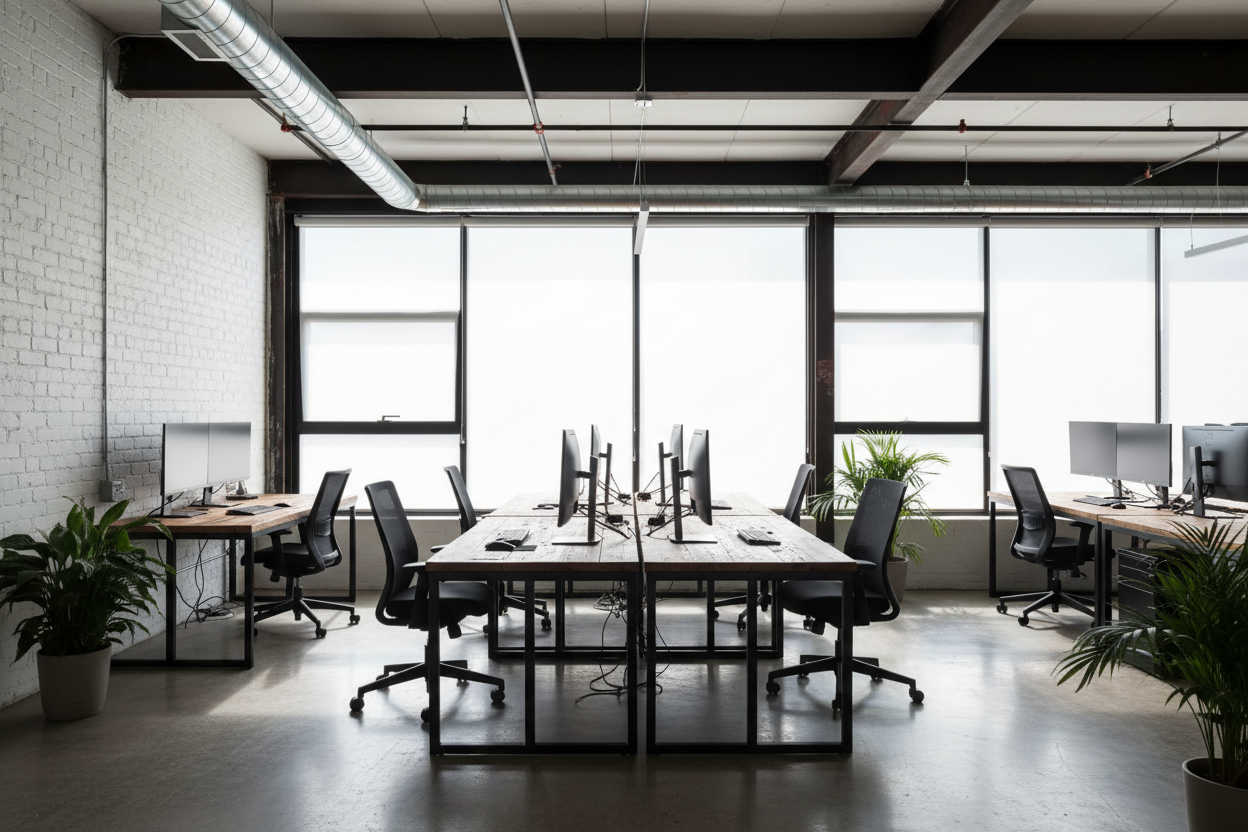
Merging the raw, utilitarian energy of a logistics hub with the refined needs of a workspace is a delicate balancing act. The challenge isn't just about aesthetics; it is about psychological separation. Many business owners assume that simply placing desks in an open corner constitutes a layout, but effective warehouse office designs require a much more architectural approach to ensure productivity doesn't evaporate amidst the noise of forklifts and shipping bays.
Key Features to Look For
Before breaking ground or purchasing furniture, prioritize these structural and aesthetic elements to ensure your industrial workspace functions as well as it looks:
- Acoustic Isolation: Double-glazed glass partitions and sound-absorbing ceiling baffles to dampen industrial echo.
- Thermal Independence: Dedicated HVAC zones, as high-ceilinged warehouses are notoriously difficult to heat or cool efficiently.
- Lighting Layers: A mix of high-bay LED general lighting and warm, low-Kelvin task lighting to counteract harsh industrial glare.
- Durable Flooring: Polished concrete or heavy-duty luxury vinyl tile (LVT) that withstands dust and heavy foot traffic.
- Vertical Utilization: Mezzanine structures to maximize square footage in small warehouse office design layouts.
Mastering the "Box Within a Box" Concept
The most successful office warehouse design strategy is treating the workspace as a self-contained volume within the larger shell. This isn't just about walls; it's about creating a thermal and acoustic break.
Defining the Perimeter
When planning an office in warehouse design, you are essentially building an exterior building indoors. Use floor-to-ceiling glass partitions with black aluminum framing. This maintains visual connectivity with the operations floor—crucial for management—while physically blocking dust and decibels. For a modern warehouse office, avoid drywall where possible; glass keeps the space from feeling like a claustrophobic bunker.
Space Planning & Layout
In industrial warehouse office design, traffic flow is a safety concern. Your layout must clearly separate pedestrian paths from machinery zones. Position the entrance near the main loading dock for logistical ease, but ensure the breakout areas and deep-work zones are buffered by storage or corridors.
Materiality: Balancing Grit with Comfort
A modern warehouse office design should acknowledge its context without being ruled by it. We want to embrace the industrial vibe, not replicate the coldness of the shipping floor.
Choosing the Right Finishes
Avoid high-pile carpets; they are dust magnets in warehouse environments. Instead, opt for sealed concrete or commercial-grade rubber flooring which offers ergonomic support. To soften the harshness of exposed steel beams and ductwork, introduce organic elements. Solid walnut desks or leather lounge seating provide necessary warmth. The juxtaposition of a cognac leather sofa against a corrugated metal wall is the hallmark of sophisticated warehouse office ideas.
Lighting the Void
Warehouses often suffer from cavernous, shadowed lighting. A standard high-bay light is insufficient for administrative work. You must drop the ceiling plane visually, if not physically. Suspend linear LED pendants directly over workstations at a standard 9-foot height. This creates a sense of intimacy and enclosure within the vastness of the warehouse, essential for small warehouse office ideas where focus is paramount.
Lessons from My Own Projects
I learned a hard lesson about warehouse office designs during a retrofit for a logistics company in Chicago. We designed a stunning, open-concept mezzanine office with beautiful, matte-finish black cabinetry to match the steel beams. It looked incredible on installation day.
Three weeks later, the client called. The matte finish was a disaster. In a warehouse, dust is inevitable, even with air filtration. The fine particulate matter settled into the texture of the matte black laminate, creating constant, visible gray smudges that were impossible to wipe clean without leaving streaks. Since then, I strictly specify mid-tone wood grains or semi-gloss finishes for horizontal surfaces in warehouse environments. It’s a small, unpolished detail, but it saves the cleaning crew hours and keeps the office looking professional rather than neglected.
Conclusion
Creating a functional workspace within an industrial footprint creates a unique synergy between operations and administration. By focusing on acoustic privacy, appropriate lighting, and dust-resistant materials, you can build a space that commands respect. Don't let the scale of the warehouse intimidate you; use it to frame a truly unique office environment.
Frequently Asked Questions
How do I heat a small warehouse office efficiently?
Do not rely on the warehouse's main heating system. Install a dedicated mini-split system (ductless AC/Heat pump) for the office enclosure. It provides precise temperature control and positive air pressure to keep dust out.
What are the best warehouse office design ideas for low budgets?
Utilize shipping containers. Modifying a container is a cost-effective way to drop a pre-fabricated, secure, and modular office into a warehouse floor without extensive structural construction.
Does an office in a warehouse need special permits?
Absolutely. Even though it is inside an existing building, you are altering the occupancy load and fire safety egress paths. You will likely need permits regarding fire sprinklers, ventilation, and ADA accessibility.

Leave a comment
This site is protected by hCaptcha and the hCaptcha Privacy Policy and Terms of Service apply.