

















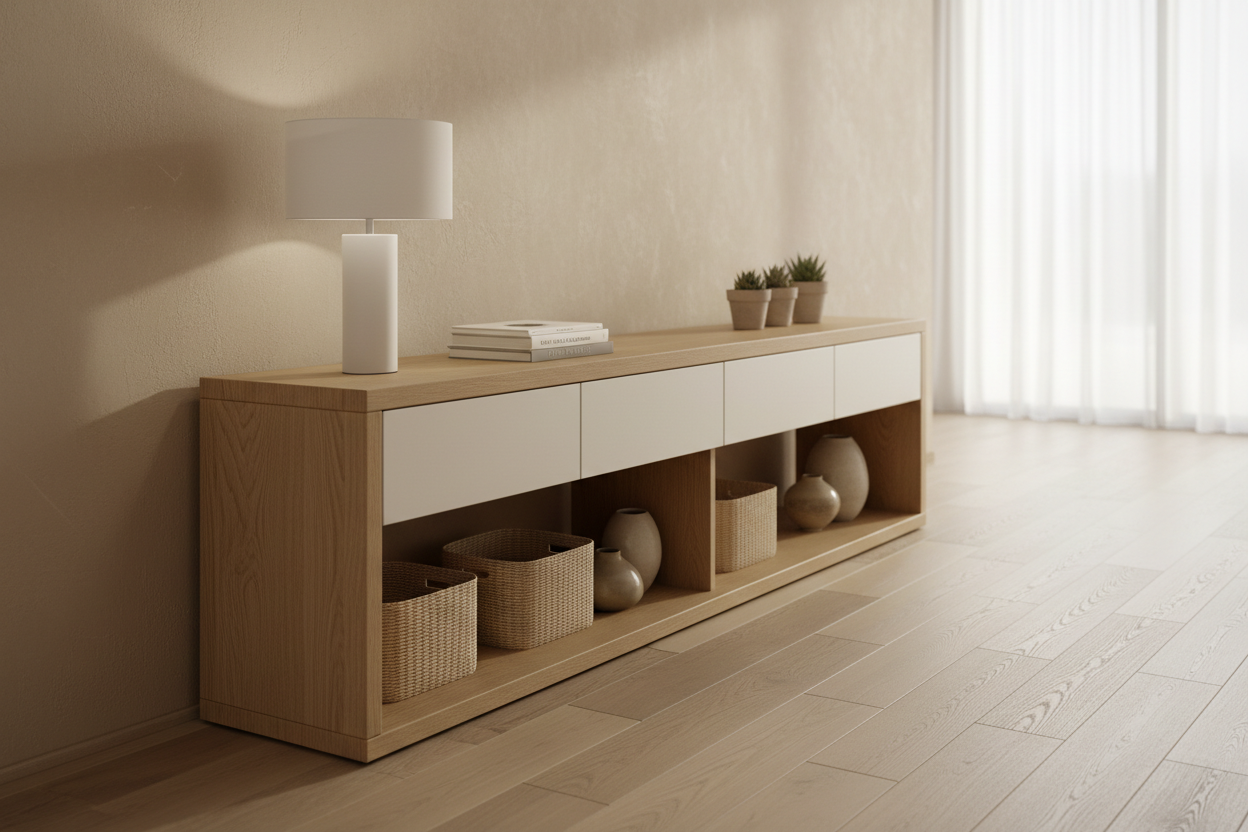
Walking into a home should feel like an exhale, a moment where the chaos of the outside world drops away. However, for many of us, the entryway or the long corridor connecting bedrooms is often a neglected runway of blank walls and clutter piles. The solution usually isn't more decor, but rather the right piece of furniture. A long hall table with drawers serves as both a visual anchor and a practical command center, transforming a transition space into a functional part of your home design.
Finding the right balance between width, depth, and utility is a specific design challenge. Hallways are notoriously difficult to furnish because they are high-traffic zones that cannot accommodate bulky items, yet they are often long enough that standard furniture looks comically small. Choosing a substantial piece that offers hidden storage changes the dynamic of the space entirely.
Why Scale Matters in Elongated Spaces
One of the most common design mistakes homeowners make in hallways is underestimating scale. A standard 40-inch wide table placed against a 15-foot wall looks like a postage stamp on an envelope. It floats aimlessly, failing to define the area. To make a corridor feel intentional rather than accidental, you need to lean into the length.
A wide console table with storage works with the architecture of the home rather than against it. By mimicking the horizontal lines of the hallway, a wider piece (typically 60 inches or more) creates a sense of luxury and permanence. It tells guests that this space was designed, not just walked through. Visually, a longer table also draws the eye down the hall, making the ceiling feel higher and the space less claustrophobic.
I learned this lesson the hard way in my second apartment. I had a hallway that felt like a bowling alley—narrow, dark, and endless. I initially placed a delicate, small demi-lune table near the door. It became an instant magnet for junk, overflowing within days, and it looked flimsy against the expanse of the wall. Eventually, I swapped it for a heavy, six-foot-long draftsman-style console. Suddenly, the hallway felt like a room of its own. The visual weight of the larger piece grounded the space, and the extra surface area meant I could actually style it without sacrificing functionality.
The hidden Value of Drawers
Surface area is great for lamps and vases, but it is terrible for real life. Keys, wallets, dog leashes, unread mail, and spare batteries need to go somewhere, and if they stay on top of the table, your sleek entryway will look like a flea market. This is where the distinction between a simple sofa table and a long hallway table with drawers becomes critical.
Drawers provide the "drop zone" capability that modern households require. They allow you to sweep the visual clutter away instantly. When selecting a table, pay attention to the drawer construction. Since this is a piece of furniture you will likely interact with multiple times a day, smooth glides and sturdy joinery are non-negotiable. Shallow drawers are excellent for paperwork and keys, while deeper drawers can house winter gloves or reusable shopping bags.
Material Selection and Durability
Hallways are high-traffic arterials. Shoulders brush against edges, vacuum cleaners bump legs, and bags get dropped on surfaces. The material you choose needs to withstand this daily abuse. Solid wood is generally the gold standard for longevity. Woods like oak, walnut, or maple can take a beating and often look better with a bit of wear. If you choose a painted finish, ensure it is high-quality lacquer that won't chip the first time someone throws their keys down.
For a more industrial or modern aesthetic, metal frames with wood tops offer excellent durability and often have a slimmer profile, which is helpful if your hallway is particularly narrow. Glass tops can help a small space feel airier, but they lack the ability to hide the contents of the drawers beneath, often defeating the purpose of hidden storage.
Styling a Long Surface
Once you have your wide console in place, the challenge shifts to styling. A six-foot surface can feel intimidating to decorate. The goal is to create vignettes without cluttering the functional space. A reliable approach is the "landscape" method. Anchor the ends of the table with substantial items, such as a pair of matching table lamps. This provides soft, ambient lighting which is far more welcoming than harsh overhead hallway lights.
Between the anchors, vary the height of your objects. A large leaning mirror or a piece of oversized art centered on the wall behind the table pulls the look together. Use trays to corral smaller items that must stay on top. Leaving some negative space is vital; you want the table to look curated, not like a storage shelf.
Measuring for Flow
Before purchasing any furniture for a corridor, get out the blue painter's tape. Tape out the dimensions of the potential table on the floor. The most critical measurement is not the length, but the depth. You generally need at least 36 inches of clearance for a comfortable walkway, though 30 inches is passable in low-traffic areas.
If your hall is tight, look for a piece that is 12 to 14 inches deep. If you have a grand foyer, you can afford a depth of 18 to 20 inches. Remember that drawer pulls add to the depth, so factor those into your measurements to avoid snagging clothing as you walk by.
Making the Investment
Upgrading your hallway furniture changes how you interact with your home. It stops the migration of clutter into the living room and kitchen by catching it at the door. It turns a pass-through space into a design moment. Whether you prefer a rustic farmhouse look or sleek mid-century lines, prioritizing width and storage capacity will ensure the piece serves your home for years to come.
Frequently Asked Questions
How much space do I need to leave for a walkway in front of a hall table?
Ideally, you should maintain a minimum of 36 inches of clearance between the edge of the table and the opposite wall to allow comfortable walking space. In tighter, low-traffic areas, you might be able to get away with 30 inches, but anything less will feel cramped and obstruct movement.
Can I put a long console table behind a sofa instead of a hallway?
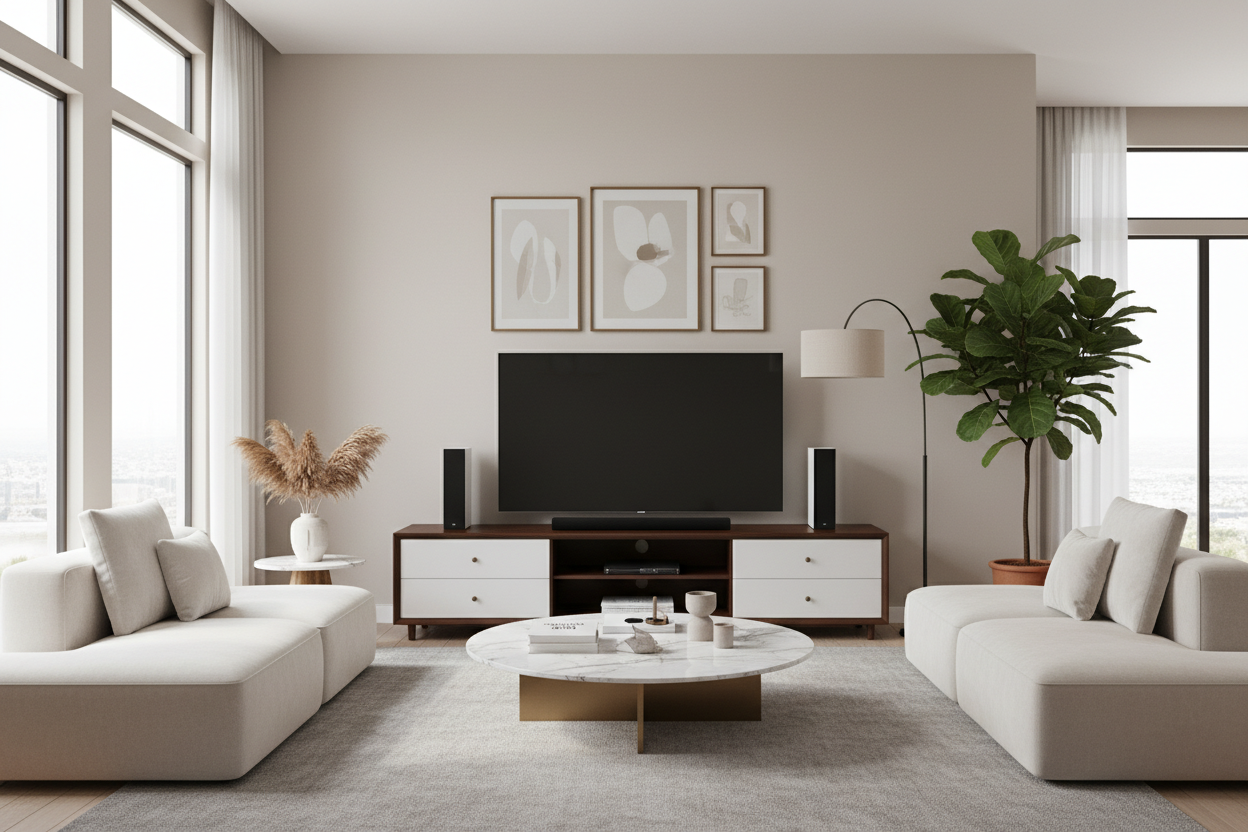
Absolutely. A long console table with drawers works exceptionally well as a sofa table, provided the height matches or is slightly lower than the sofa back. It helps define open-concept living spaces and offers accessible storage for remotes, coasters, and charging cables.
How do I prevent a long table from looking cluttered?
Utilize the drawers for all loose, functional items like keys and mail, keeping the surface reserved for intentional decor. Use trays to group smaller display items and ensure you leave areas of empty space (negative space) to keep the visual look clean and organized.

Leave a comment
This site is protected by hCaptcha and the hCaptcha Privacy Policy and Terms of Service apply.