

















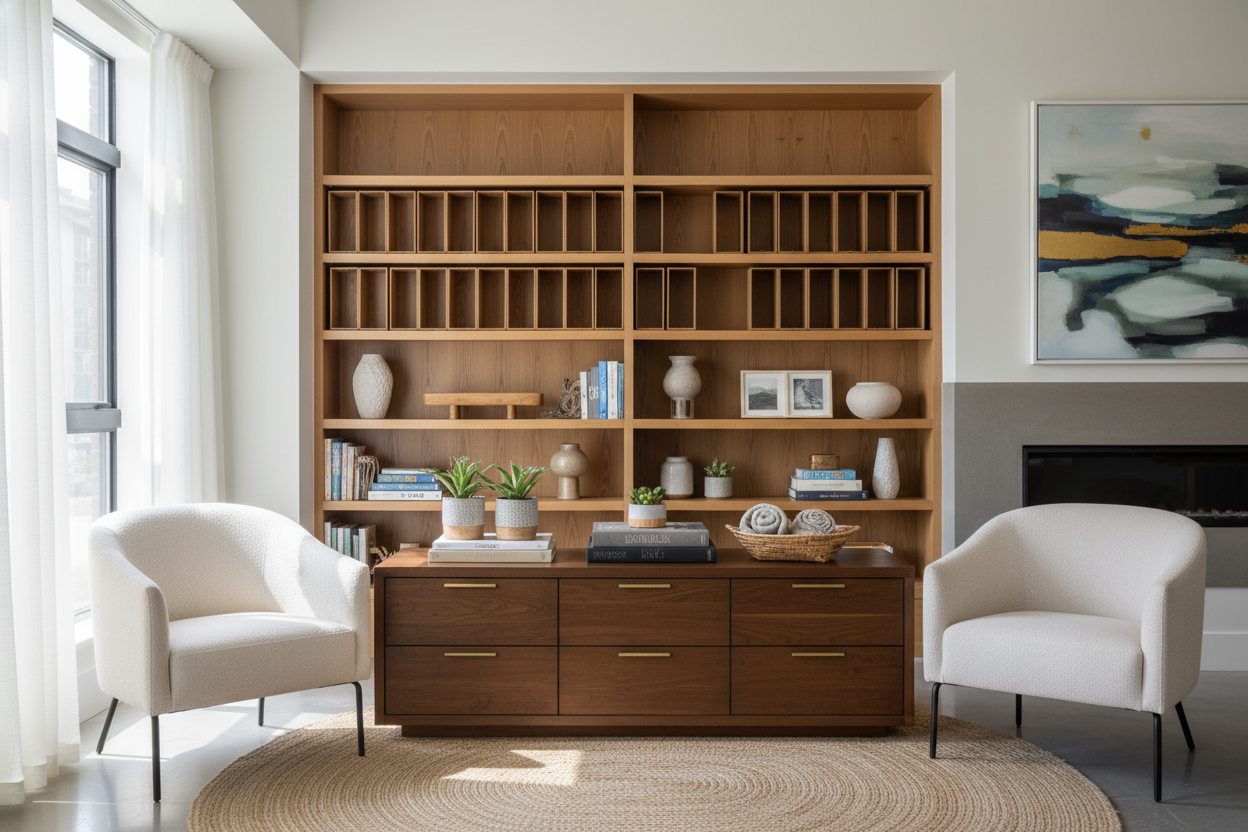
I spent three years trying to curate the perfect 'lifestyle' shelf. You know the one: color-coordinated books, a single trailing pothos, and maybe a ceramic hand holding a pair of vintage scissors. It looked great for exactly twenty minutes. Then life happened. The Catan expansion boxes arrived, the chunky knit throw blankets started shed-piling on the floor, and my dog decided the bottom shelf was the perfect place to hide half-chewed tennis balls.
The reality is that most of us don't live in a showroom. We have stuff—lots of it—that doesn't deserve to be on display. That is why I finally caved and bought a living room storage chest. It is the only piece of furniture I own that actually solves the 'where do I put this?' panic that happens ten minutes before guests arrive.
Quick Takeaways
- Open shelving is for decor; chests are for the actual mess of living.
- Look for a minimum depth of 16-18 inches to fit oversized board games and winter blankets.
- Solid wood or heavy-duty metal beats wicker every time (wicker sheds and catches on fabric).
- A chest can pull double duty as a coffee table or a bench if the lid is flat.
The Open Shelving Trap (And Why I Finally Snapped)
I am officially calling time of death on the open shelving trend for anything other than 'pretty' things. I tried to make it work. I bought the matching seagrass baskets. I tried to stack my games by box size. It still looked like a cluttered toy aisle at a thrift store. Not to mention the dust. If you have open shelves, you are essentially signing up for a part-time job as a professional duster of plastic game pieces and router cables.
When I started looking for more practical living room storage pieces, I realized I didn't need more display space. I needed a vault. I needed a place where I could throw a messy pile of HDMI cables and a half-finished knitting project and have them disappear instantly behind a heavy, beautiful lid. Enclosed storage is the only way to maintain your sanity in a high-traffic room.
Why Depth is Your Secret Weapon
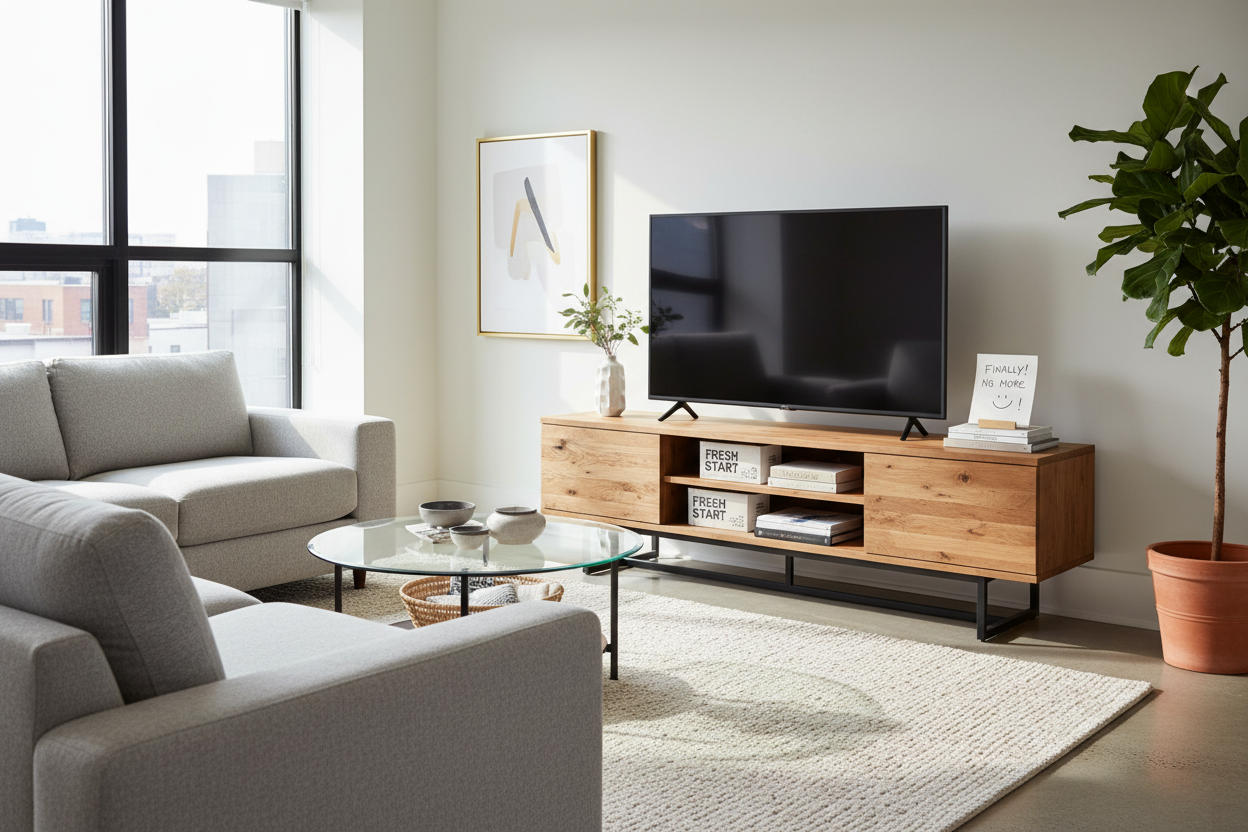
Most modern furniture is getting thinner. Have you noticed? Media consoles are often only 12 or 14 inches deep because TVs are flat now. That is fine for a soundbar, but it is useless for a thick wool blanket or a 'Big Box' edition of a board game. A proper storage chest for living room use gives you that glorious 18-to-22-inch depth that actually swallows bulky items whole.
If you are debating between a sleek console and something sturdier, think about what you are actually hiding. I once tried to squeeze my winter bedding into a modern wood dresser storage cabinet and while the drawers were great for remotes and mail, they just couldn't handle the sheer volume of a king-sized quilt. A deep chest, however, is a bottomless pit in the best way possible. You want a piece that feels like it has gravity.
How to Style a Storage Chest for Living Room Spaces
The biggest fear people have is that a chest will look like a pirate's trunk or a cedar chest stolen from their grandma’s attic. The trick is in the placement. I love sliding a long, low chest right behind a floating sofa. It creates a natural boundary in an open-concept room and gives you a surface for a lamp and a drink without needing a separate console table.
If your room is tight, use a flat-top chest as your coffee table. Just make sure it’s a sturdy hardwood—something like kiln-dried mango or oak—so it doesn't wobble when you set down a coaster. If you prefer a more traditional look with doors rather than a top-loading lid, you might lean toward a versatile console table. It gives you that same enclosed 'hide-everything' benefit but allows you to style the top with a more permanent vignette since you won't be flipping the lid open every day.
Pairing Your Chest With Other Sneaky Storage
A big chest is a heavy visual element. To keep your living room from looking like a storage unit, you have to balance that weight. I usually pair my main chest with lighter, leggier pieces. Think about adding wood end tables with storage next to your chairs. This keeps the 'small stuff' like coasters and remotes near your seat, leaving the big chest free for the heavy hitters like the vacuum attachments or the guest pillows.
My biggest mistake? Buying a cheap MDF chest that looked great in photos but started bowing in the middle after I filled it with books. If you are going to use a chest for heavy items, go for solid wood or reinforced metal. Your floor (and your sanity) will thank you when the bottom doesn't drop out during a move.
The 'Dump and Hide' Rule That Saved My Sanity
At the end of the day, the best furniture is the kind that makes your life easier. Having one massive, forgiving bin in the center of my home changed how I feel about hosting. I no longer spend forty minutes organizing shelves before people come over. I use the 'dump and hide' method: everything on the floor goes in the chest, the lid goes down, and suddenly I am a person who lives in a clean, minimalist home.
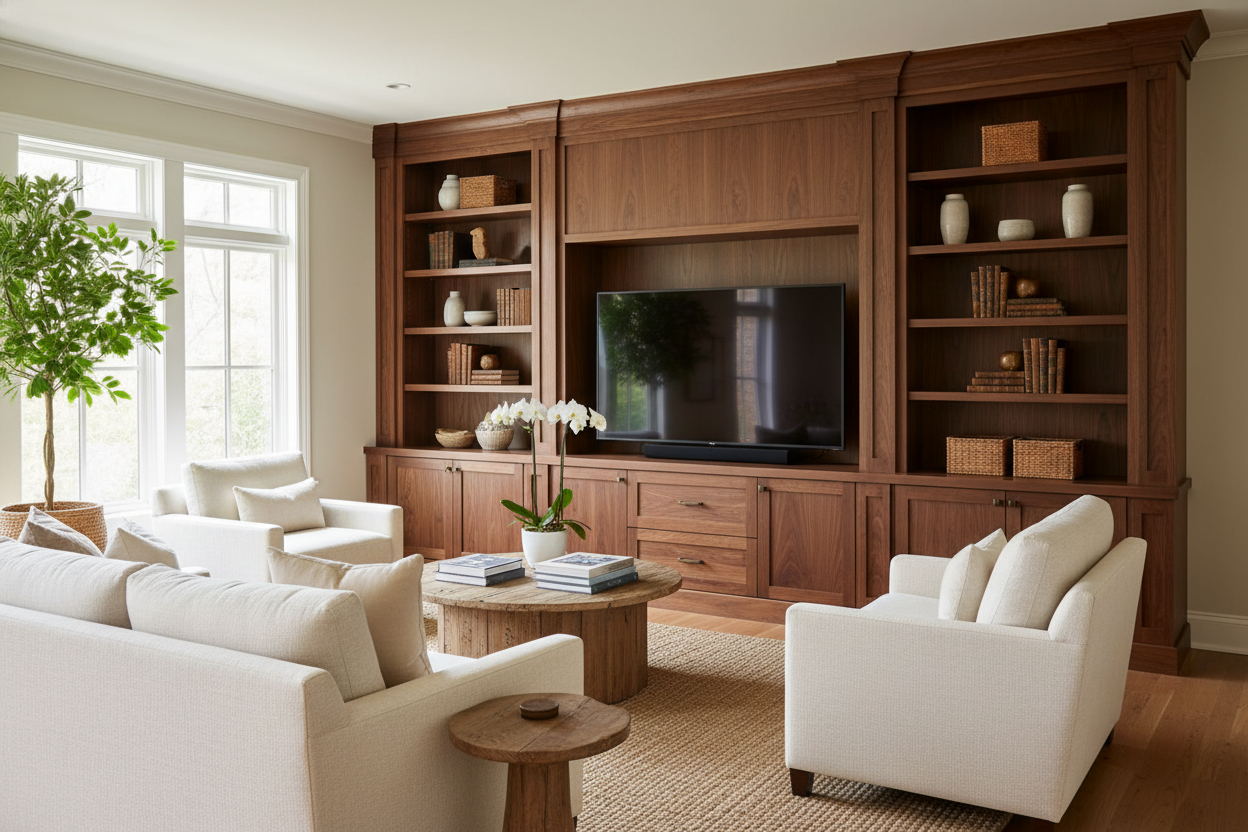
If you find that even a large chest isn't enough to contain the chaos, it might be time to look upward. I eventually paired my floor storage with a modern wall cabinet to get the electronics off the floor entirely. But for the blankets, the games, and the dog toys? Nothing beats the deep, dark depths of a classic storage chest.
FAQ
Will a storage chest scratch my hardwood floors?
Almost certainly, if it doesn't have pads. These things get heavy once they are full. Do yourself a favor and buy a pack of heavy-duty felt pads before you even assemble it. Your future self (and your security deposit) will thank you.
Is a top-loading chest better than one with doors?
It depends on what you are storing. For blankets and pillows, top-loading is easier—you just stuff them in. For heavy board games, doors or drawers might be better so you don't have to dig to the bottom to find the one game you want to play.
How do I keep the inside of a chest from smelling musty?
If you are storing textiles, toss a few cedar blocks or a lavender sachet in the corner. Also, try to open the lid for an hour once a week to let the air circulate, especially if it is made of real wood which needs to 'breathe' slightly.

Leave a comment
This site is protected by hCaptcha and the hCaptcha Privacy Policy and Terms of Service apply.