

















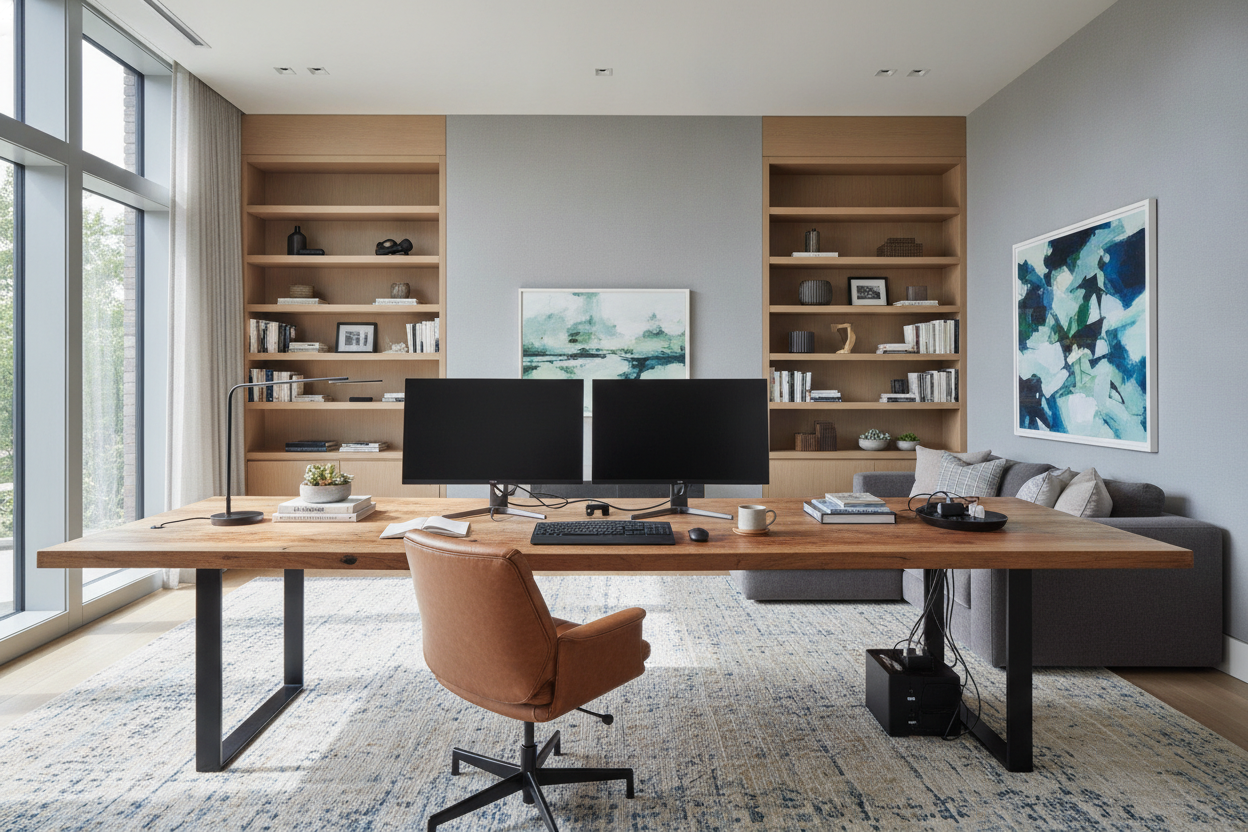
I once spent $400 on a 'minimalist' secretary desk that looked amazing in a lifestyle catalog. It arrived, I set it up, and within three hours, I was back at my kitchen table. The desk was so narrow that if I opened my notebook, I had to balance my laptop on my knees. It was a beautiful, expensive mistake.
We’ve been sold a lie that a tiny table and a dream are all you need to be productive. In reality, working on a cramped surface is like trying to cook a five-course meal on a hot plate. If you actually do work—real work with monitors, coffee mugs, and physical notes—you need a wide desk. It is the single most important furniture upgrade you can make for your mental health.
- The 60-inch rule: For most people, 55 to 60 inches is the sweet spot where you stop feeling claustrophobic.
- Zone Defense: A wider surface allows you to separate your digital and analog tasks visually.
- Monitor Freedom: You can actually fit two monitors without them hanging off the edges like cliffhangers.
- Cable Management: More surface area means more room underneath for the cable trays that keep your floor from looking like a snake pit.
The minimalist laptop table aesthetic is a lie
Those Instagram photos of a single laptop sitting on a 30-inch wooden slab are staged. Nobody actually works like that for eight hours. Real work is messy. It involves a second monitor so you don't have to toggle tabs 400 times a day, a glass of water you don't want to knock over, and probably a stray cat or a stack of mail. When I finally stopped browsing 'compact' solutions and started looking at dedicated writing and computer desks, my stress levels dropped immediately.
A wide computer desk gives your brain permission to spread out. When your mouse hits the edge of a tiny desk every five seconds, it’s a constant, micro-interruption to your flow. Having an extra twelve inches of breathing room on either side of your keyboard isn't just about space; it's about removing the physical friction from your workday.
The 'two zone' method that saved my workflow
The best thing about owning a wide office desk is the ability to create 'zones.' I keep my left side strictly digital. That’s where the monitors, the mechanical keyboard, and the webcam live. The right side of my desk is my 'analog zone.' It’s where I keep my paper planner, my actual books, and my coffee.
This setup prevents the 'keyboard-over-notebook' shuffle. When I need to brainstorm, I just slide my chair eighteen inches to the right. I don’t have to clear a space or move my hardware. That physical separation tells my brain it’s time to stop typing and start thinking. You can't do that on a standard 40-inch desk; you're just stuck in one cramped spot all day.
Exactly how many inches makes an extra wide desk useful?
Size matters, but bigger isn't always better if it doesn't fit your room's scale. I’ve found that anything under 48 inches feels like a compromise. If you're a power user with dual 27-inch monitors, you need an extra wide desk—we're talking 60 to 72 inches. This gives you enough room for the monitors to be angled toward you without overlapping.
Now, I get it—not everyone has a sprawling 15x15 office. If you're in a studio apartment, a 28-inch wide desk with drawers might be your only option for a corner. It works for checking emails, but it simply can't support a professional workflow. For a wide table desk that feels substantial but doesn't swallow the room, 55 inches is the magic number. It fits most standard walls while giving you that 'executive' feel.
The golden rule of a wide desk with storage
Here is the danger: a massive, flat surface is a magnet for clutter. If you have a 70-inch desk, you will eventually find three-week-old mail and random chargers colonizing the far corners. This is why I always recommend a wide desk with storage. You need a place for the 'stuff' so the 'surface' stays clear for work.
I personally use clever storage bins for office supplies to keep my drawers organized. If you have the floor space, a corner desk with large storage is the ultimate move. It utilizes the dead space in the corner of the room while giving you a massive wingspan of desktop to work with. Just make sure you actually put the pens away at the end of the day.
How to fit a massive workstation into a normal room
People worry that wide desks for home office use will make their spare bedroom look like a corporate cubicle farm. The trick is in the styling. Don't shove the desk flat against the wall if you can help it. If the room allows, try 'floating' the desk so your back is to the wall and you're facing the door. It feels way more commanding and less like you're in a timeout.
Also, pay attention to the legs. A wide desk with thick, chunky legs can look heavy and oppressive. Look for 'trestle' styles or thin steel frames to keep the visual weight light. Add a rug that is at least 24 inches wider than the desk on all sides. This anchors the 'office' area as its own 'room' within a room, making the large furniture feel intentional rather than intrusive.
FAQ
Is a 60-inch desk too big for a bedroom?
Only if it blocks your path to the closet. If you have a clear 3-foot walkway, a 60-inch desk is fine. Just use a light-colored wood or white finish to keep it from feeling like a giant dark hole in the corner.
How do I stop a wide desk from sagging in the middle?
Look for desks with a steel support bar running underneath the length of the top. Solid wood won't sag as easily, but cheap MDF will 'smile' after six months if you put heavy monitors in the center without support.
What is the best depth for a wide desk?
Don't just look at width; depth matters too. A desk that is 60 inches wide but only 20 inches deep will feel like a shelf. Aim for at least 24 to 30 inches of depth so your monitors aren't right in your face.
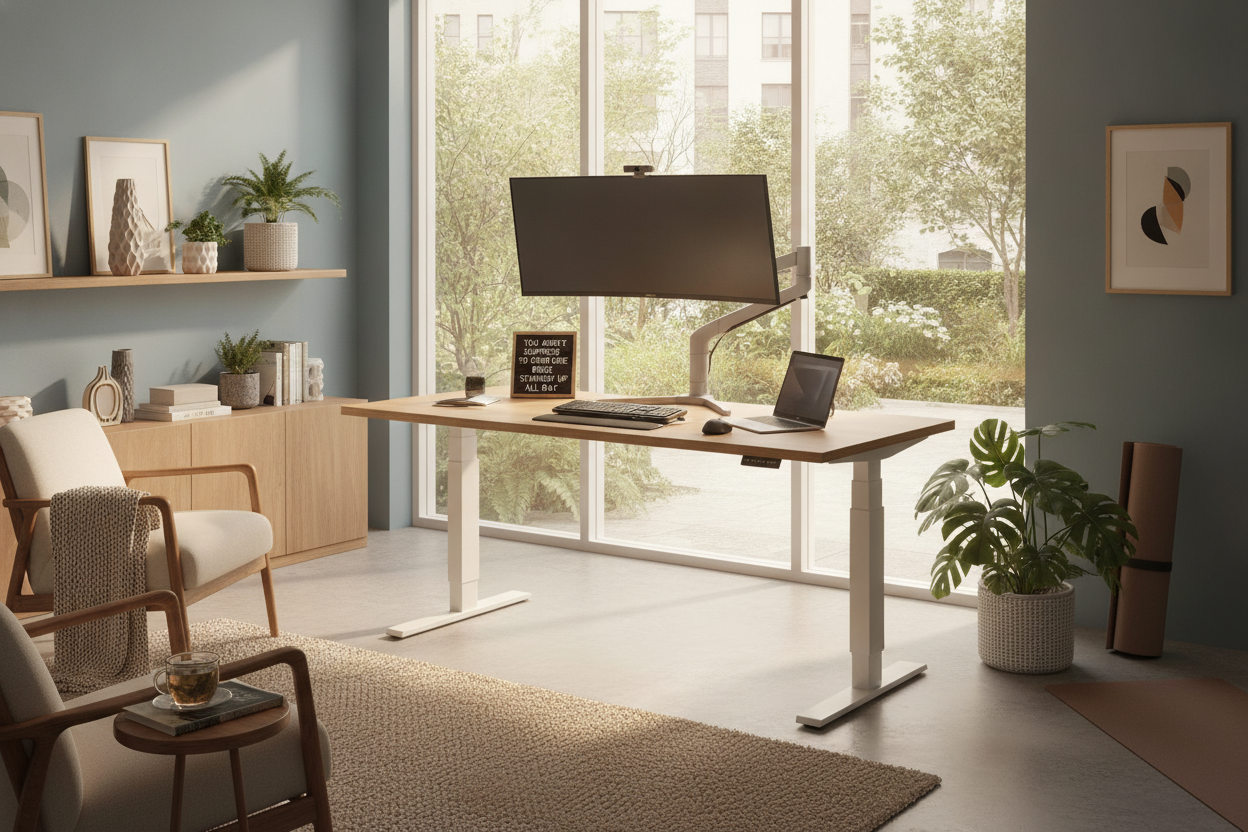
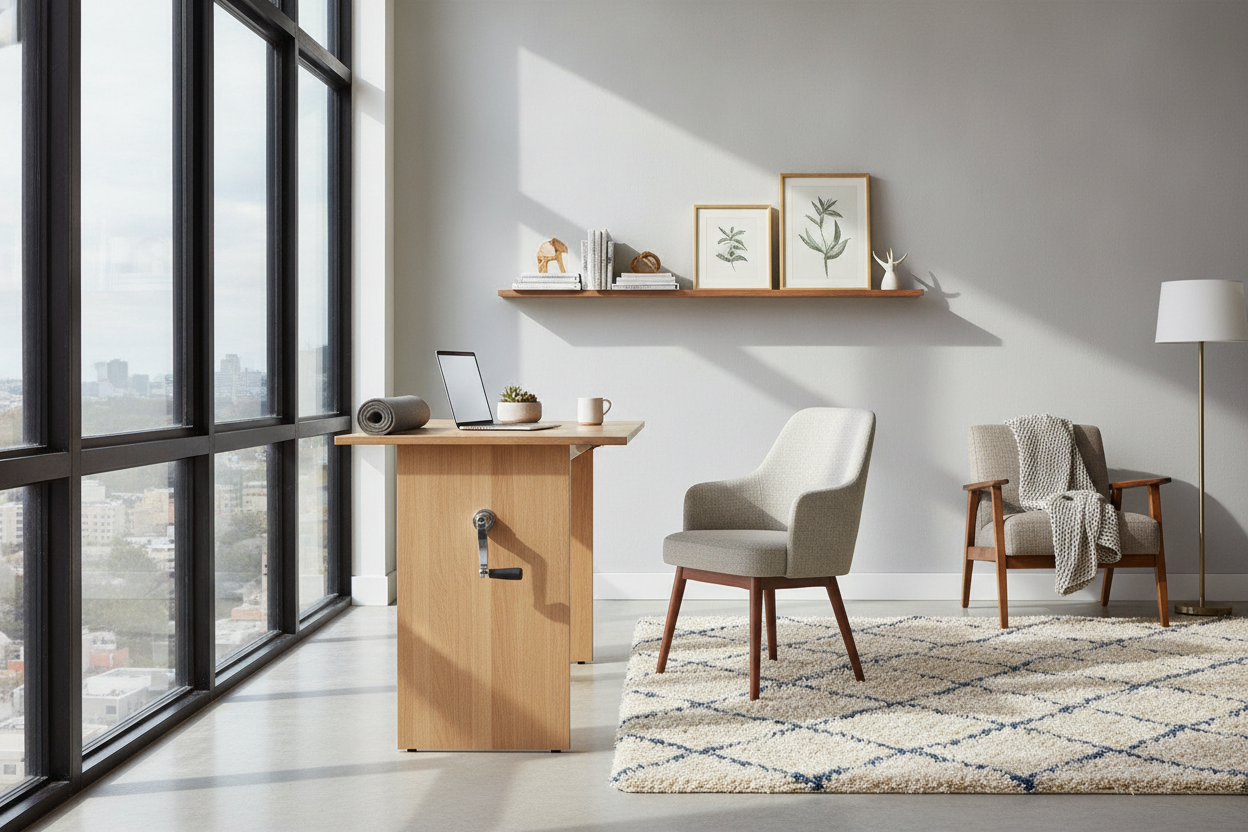

Leave a comment
This site is protected by hCaptcha and the hCaptcha Privacy Policy and Terms of Service apply.