




I remember standing in my first 'remodeled' kitchen, looking at the brand-new shaker doors, and feeling... nothing. It was clean, sure, but it felt like a hotel suite. There were these awkward six-inch gaps between the top of the cabinets and the ceiling that just collected dust and made the whole room look unfinished. It was a classic case of buying cabinet and millwork components without actually understanding how they should talk to each other.
We spend so much time obsessing over paint swatches and brass hardware that we forget the bones of the room. If your kitchen looks like a series of disconnected boxes hanging on a wall, it’s because you treated it like a furniture assembly project instead of an architectural one. You don't just want storage; you want a built-in environment.
- Cabinets are storage; millwork is architecture. Millwork includes the trim, molding, and panels that bridge the gap between your walls and your boxes.
- Fillers are the enemy. Standard cabinets often leave awkward gaps that only custom millwork can solve.
- Integration is the secret. High-end design hides the seams between the cabinet and the ceiling.
- You can fake it. You don't need a $100k budget if you know how to use crown molding and end panels strategically.
The 'Aha' Moment: What Separates Cabinets From Millwork?
Let’s clear the air on the terminology. When people talk about cabinet millwork, they often lump everything together, but there is a massive difference. Cabinets are the functional units—the boxes with shelves and doors where you hide your mismatched Tupperware. They are the workhorses. Millwork, on the other hand, is the custom woodwork produced in a mill. This includes your baseboards, crown molding, window casings, and those beautiful wall panels that make a room feel 'finished.'
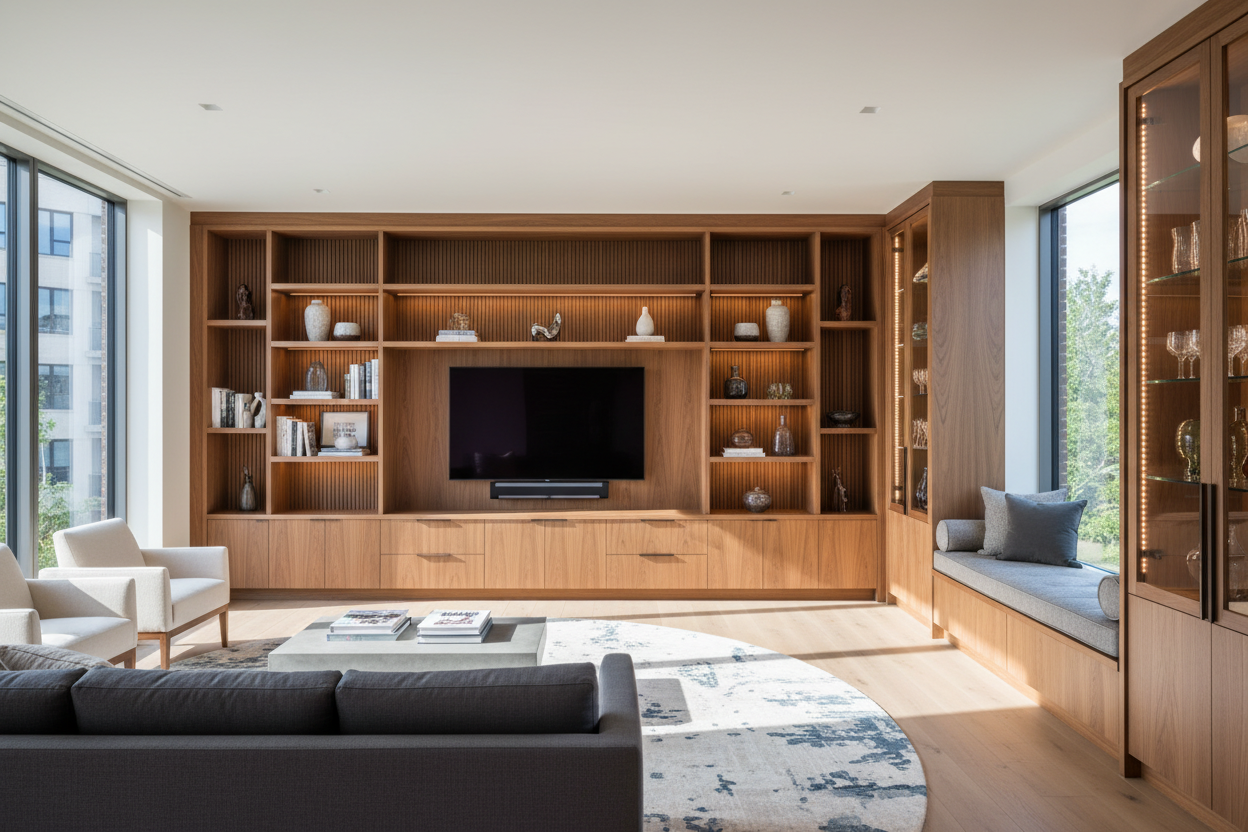
In a high-end millwork kitchen, you can't tell where the cabinet ends and the wall begins. The cabinetry is treated as part of the home's permanent structure. Think of cabinets as the suit and millwork as the tailoring. You can buy an expensive suit, but if the sleeves are three inches too long, it looks cheap. Custom cabinets and millwork ensure that every inch of your kitchen fits the specific 'body' of your house, covering up those inevitable slants and bows in your drywall.
Why Your 'Millwork Kitchen' Dreams Look Like Cheap Boxes
The biggest mistake I see renovators make is blowing 90% of their budget on high-end boxes and then realizing they have no money left for the 'jewelry'—the trim. They end up with beautiful custom cabinets and millwork that still look like they were plopped into the room by a crane. If you don't budget for the scribes, the light rails, and the fascia boards, you’re going to have gaps. And gaps are the hallmark of a DIY job.
Properly executed millwork kitchen cabinets should look like they are growing out of the floor and ceiling. This requires a level of planning that goes beyond just picking a door style. You have to account for the hidden costs in your custom kitchen cabinet quote, which usually include the labor-intensive process of scribing filler pieces to uneven walls. If your contractor tells you they don't need fillers, they are either a wizard or lying to you. Every house is crooked; millwork is how we pretend it isn't.
How to Fake High-End Custom Cabinetry and Millwork
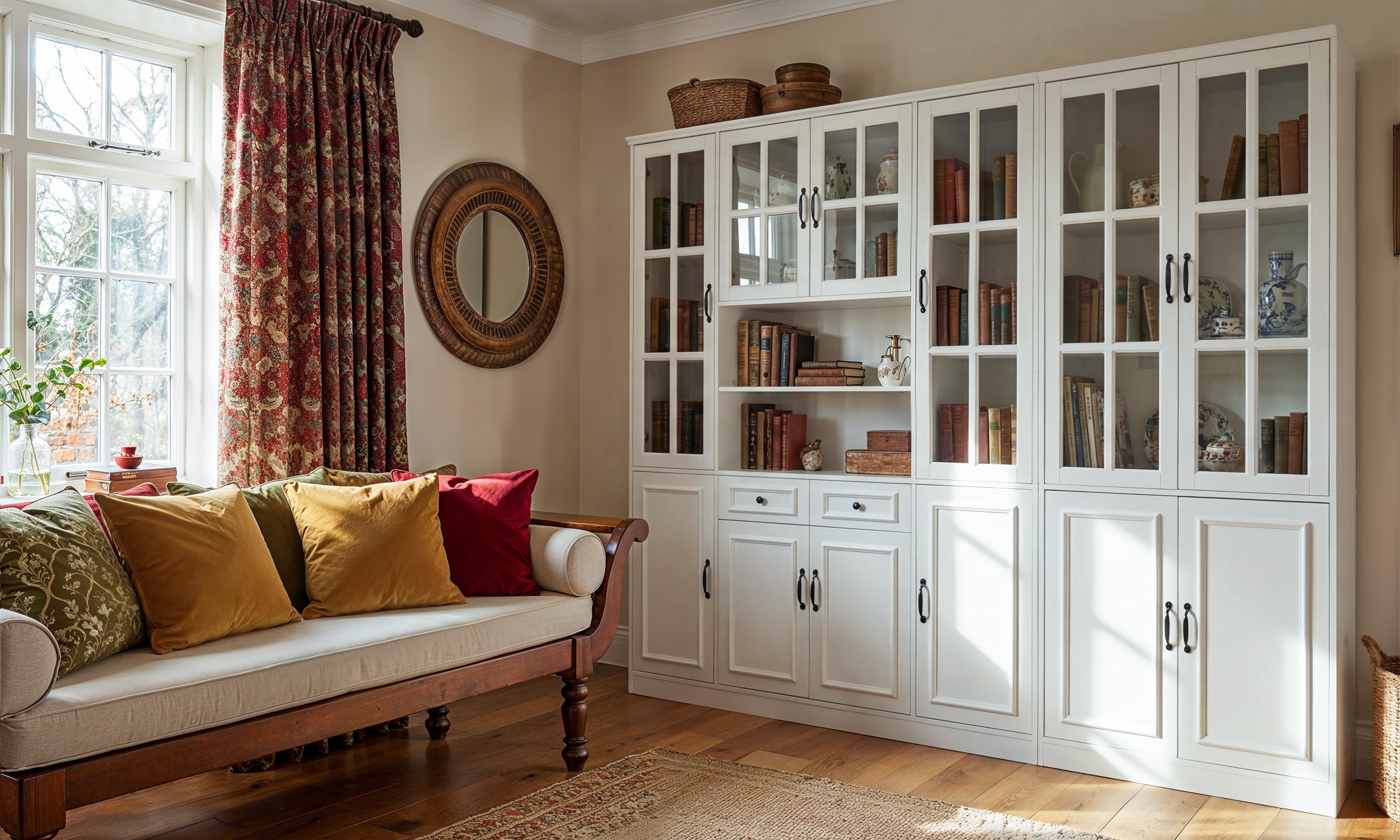
You don't need a master carpenter on a six-month retainer to get this look. If you are working with a tighter budget, the trick is to buy solid base units and spend your remaining cash on 'up-fitting' them. I’ve seen people take a standard large kitchen storage cabinet with doors and turn it into a stunning floor-to-ceiling pantry just by adding a 6-inch baseboard and a chunky crown molding that meets the ceiling. Suddenly, that $500 box looks like a $5,000 custom built-in.
The secret is the 'end panel.' Never leave the side of a cabinet exposed if it’s just a flat piece of plywood. Order extra door skins or decorative end panels that match your cabinet face. This creates the illusion of custom cabinets & millwork without the full custom price tag. Also, don't sleep on the light rail—that small strip of wood at the bottom of upper cabinets. It hides your under-cabinet LED tape and makes the whole unit look intentional. When you're looking for base units, make sure you actually find quality without the designer markup so you have a sturdy foundation to attach your trim to.
The 3 Millwork Details You Can Never Skip
If you want that 'editorial' look, there are three non-negotiables. First: furniture-style toe kicks. Stop using those recessed black plastic strips. Wrap your cabinet bases in actual baseboard molding that matches the rest of the room. It makes the island look like a piece of furniture rather than a kitchen fixture.
Second: ceiling-height fascia. If your cabinets stop 10 inches below the ceiling, you’re creating a 'dust shelf.' Instead, have your installer build a frame from the top of the cabinet to the ceiling and cover it with a flat panel and crown molding. This is the definition of kitchen cabinet millwork. Third: integrated appliance panels. If you can afford it, getting a dishwasher and fridge that accept a wood panel will do more for your kitchen's aesthetic than any marble countertop ever could. It turns a kitchen into a living space.
Taking Millwork Custom Cabinets Beyond the Kitchen
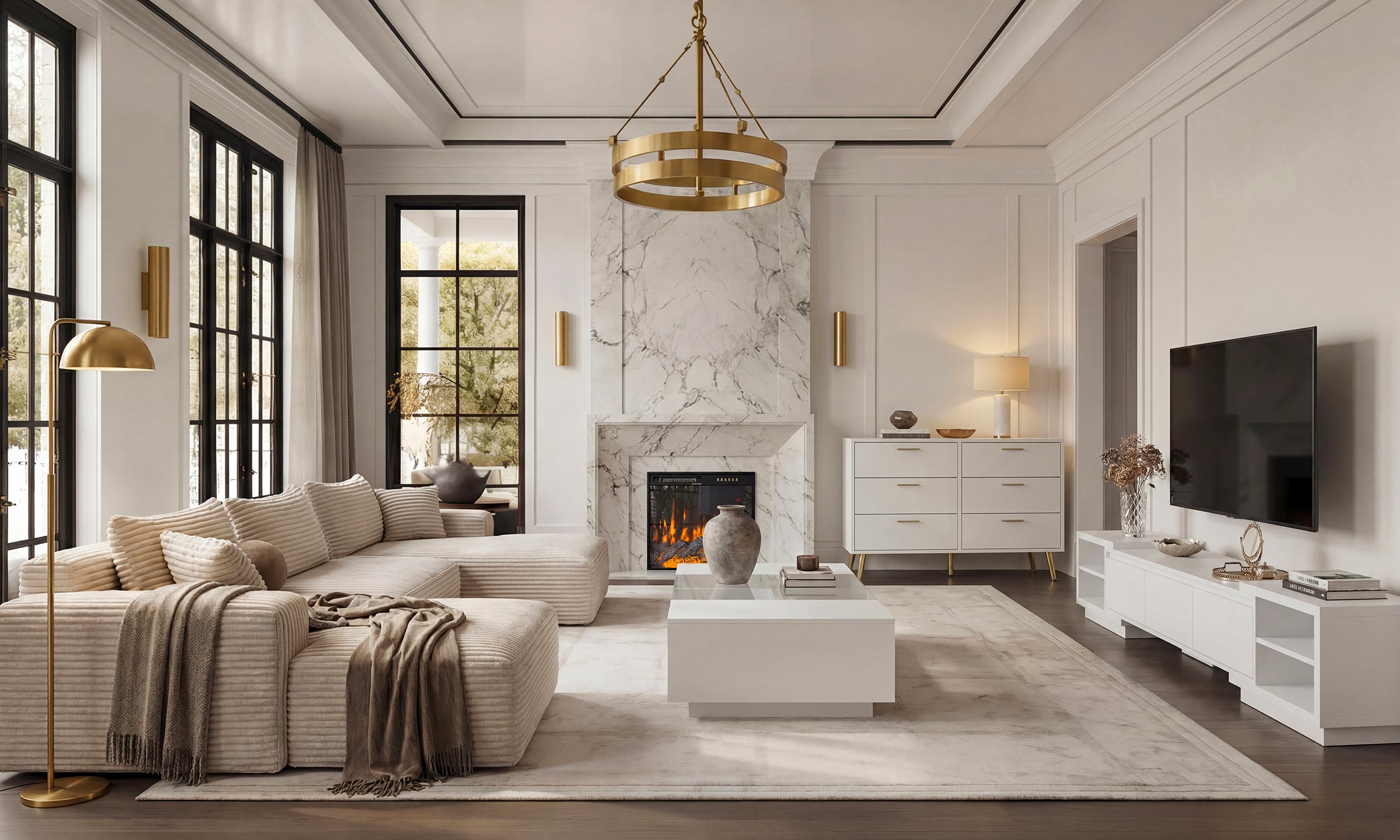
Once you see the power of millwork custom cabinets, you’ll want to carry it through the rest of the house. A common mistake is having a gorgeous, built-in kitchen that opens up into a living room with bare, skinny baseboards. It feels disjointed. To create a cohesive flow, use the same millwork language in your dining and living areas.
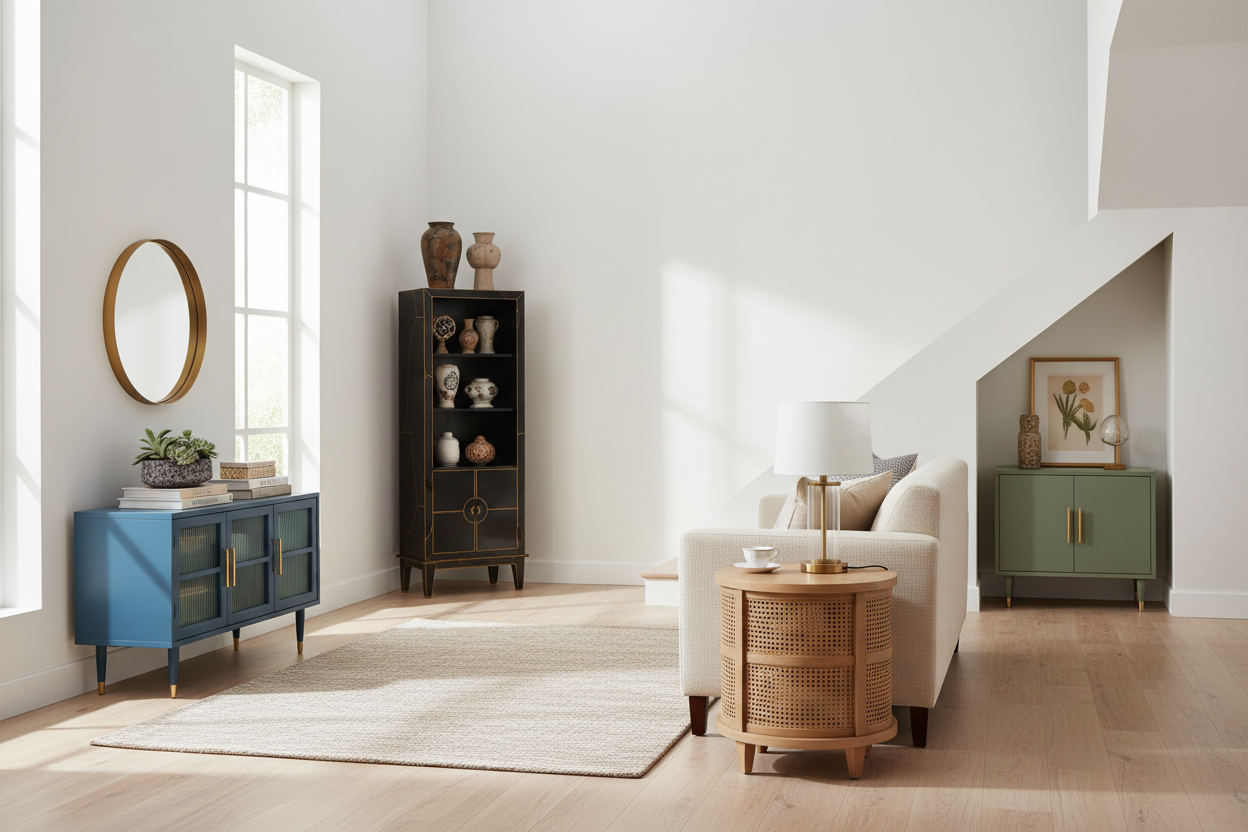
For example, you can take a black cabinet with glass doors and set it into a recessed wall nook in your dining room. Frame it with wainscoting or picture frame molding that matches the height of your kitchen's middle rail. By echoing the architectural lines of your cabinetry in your wall trim, you create a 'whole house' design that feels expensive and considered. It’s about creating a visual rhythm where the woodwork is the beat that holds everything together.
Is custom millwork worth the extra cost?
Absolutely. While the cabinets provide the storage, the millwork provides the resale value and the 'wow' factor. It’s the difference between a kitchen that looks like it was bought at a big-box store and one that was designed for the home.
Can I add millwork to existing cabinets?
Yes, and it’s one of the best ways to refresh a kitchen. Adding a new crown molding or replacing a standard toe kick with a furniture-style base can completely change the vibe of 'dated' cabinets without a full tear-out.
What is the most common mistake in millwork design?
Scale. People often buy molding that is too small for the room's ceiling height. If you have 10-foot ceilings, a 3-inch crown molding will look like an afterthought. You need something substantial to bridge that gap.

Leave a comment
This site is protected by hCaptcha and the hCaptcha Privacy Policy and Terms of Service apply.