

















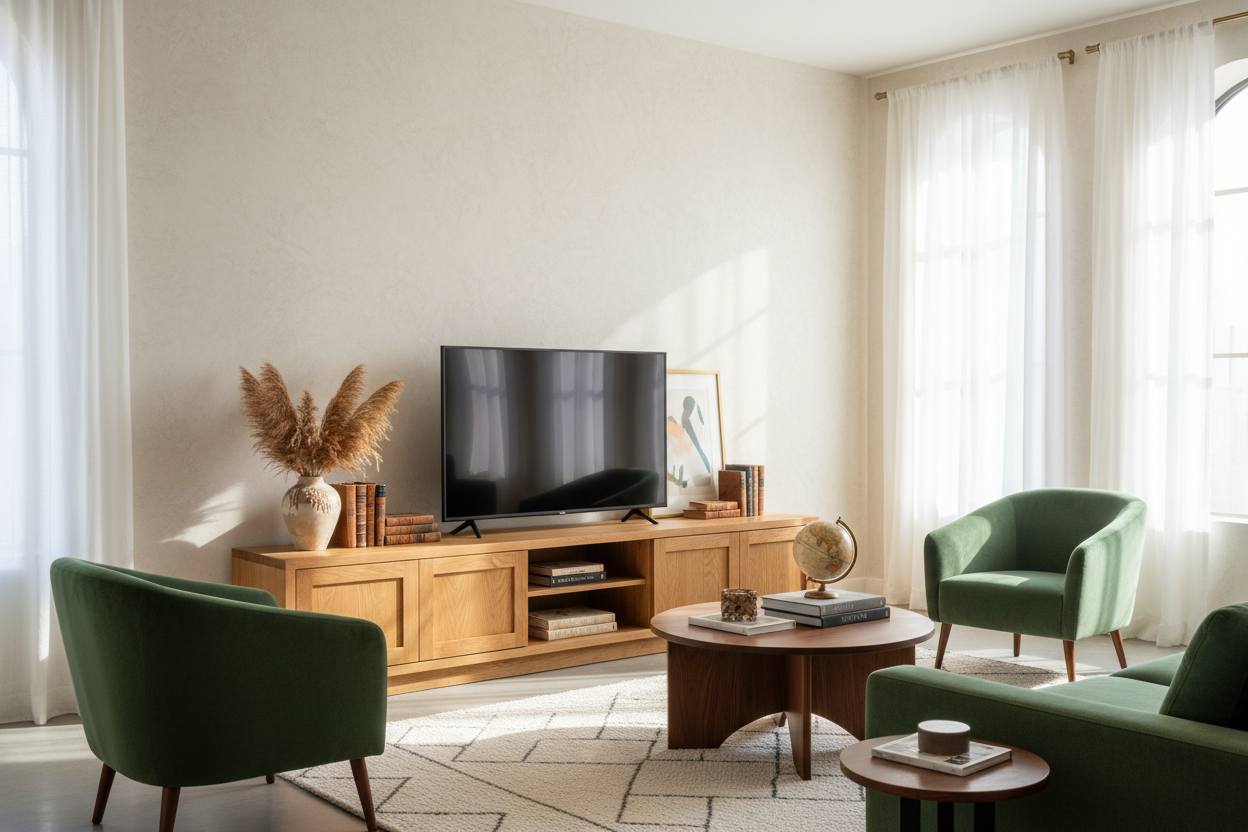
I was scrolling through a local marketplace at 1 AM last Tuesday when I saw it: a solid, heavy-duty media console listed for twenty bucks. The catch? The owner had already started 'updating' it with thick, streaky white chalk paint. It broke my heart. We’ve spent the last decade convinced that golden oak tv stands are an interior design sin, but I’m here to tell you that the 'orange' wood of your childhood is actually the best thing that ever happened to your living room.
I’ve assembled flat-pack particle board that crumbled if I breathed on it too hard, and I’ve paid way too much for 'mid-century' replicas that wobbled under the weight of a 55-inch screen. Every time I go back to a vintage golden oak tv stand, I’m reminded of why this wood was king. It’s dense, it’s practically indestructible, and it has a character that paint just smothers.
- Solid oak is significantly more durable than the MDF or pine used in modern budget furniture.
- The warm honey tones balance the 'cold' look of large screens and tech.
- Natural wood grain hides dust and scratches better than matte painted surfaces.
- Mixing wood tones is the key to a curated, non-catalog look.
The Chalk Paint Epidemic (And Why We Need to Stop)
I get it. You see a golden oak entertainment center from 1994 and you think 'dated.' You reach for the Annie Sloan and a foam roller because you want that farmhouse aesthetic you saw on Pinterest. But here’s the cold truth: once you slather that porous oak in chalk paint, you’ve basically killed its resale value and its soul. You’re trading a timeless, organic material for a finish that’s going to chip the second you slide a Blu-ray player across it.
The grain in golden oak is its superpower. It has these beautiful, deep ridges and 'medullary rays' that catch the light. When you paint it white, you don't get a smooth finish; you get a weird, bumpy texture that looks like painted oatmeal. If you want a white stand, buy a white stand. Don't ruin a piece of history because you're afraid of a little warmth.
Why Your Cold Living Room Needs That Honey Tone
Modern living rooms are becoming increasingly sterile. We’ve got grey L-shaped sectionals, white walls, and giant black rectangles mounted everywhere. It feels like a doctor’s office. This is where a golden oak entertainment center saves the day. That honey-colored wood acts as a visual heater, injecting organic texture into a space filled with glass and plastic.
When I was finding the best wood for TV stand builds, I realized that oak holds up to the heat of electronics better than almost anything else. It doesn't warp like cheaper softwoods. Plus, the yellow and orange undertones in the finish are the direct color-wheel opposite of the blue light coming off your TV. It creates a natural balance that makes the room feel grounded rather than floaty and clinical.
How to Style Golden Oak for the 2020s
The trick to making a golden oak piece look modern isn't changing the piece itself—it's changing what's around it. You want to avoid anything that screams 'country kitchen.' No lace doilies, no rustic roosters, and definitely no matching oak coffee tables. You want to treat the oak as a bold, vintage statement piece.
Pair It With Crisp Whites and Matte Blacks
If you want that oak to pop, surround it with high-contrast elements. A matte black lamp or a set of heavy black metal bookends on the shelf will instantly pull the piece into the current decade. The black pulls out the darker flecks in the oak grain, making it look intentional and expensive.
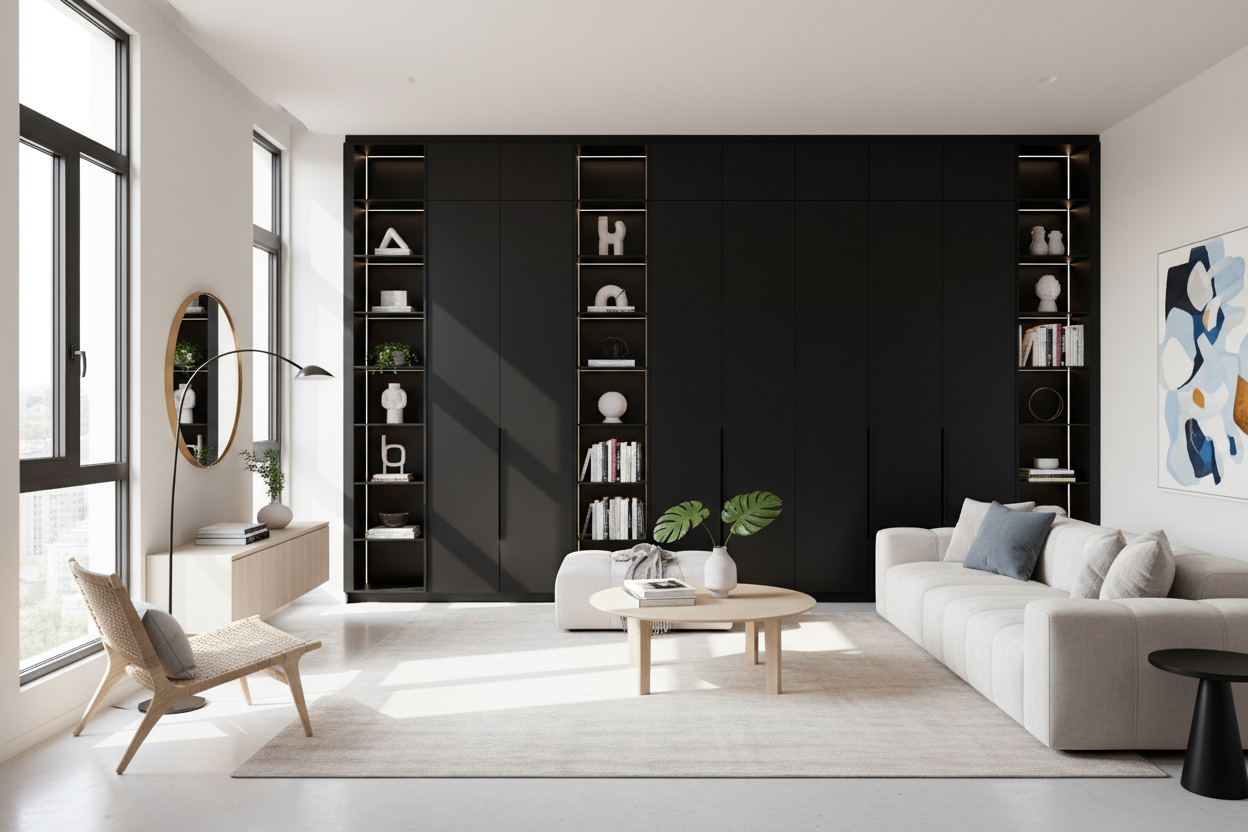
If you absolutely hate the look of natural wood grain and find it too 'busy' for your minimalist soul, skip the DIY project entirely. Buying a stylish black TV stand is a much smarter move than trying to force a vintage oak piece to be something it isn't. You'll get that clean silhouette without the heartbreak of a botched paint job.
Ditch the Matching End Tables
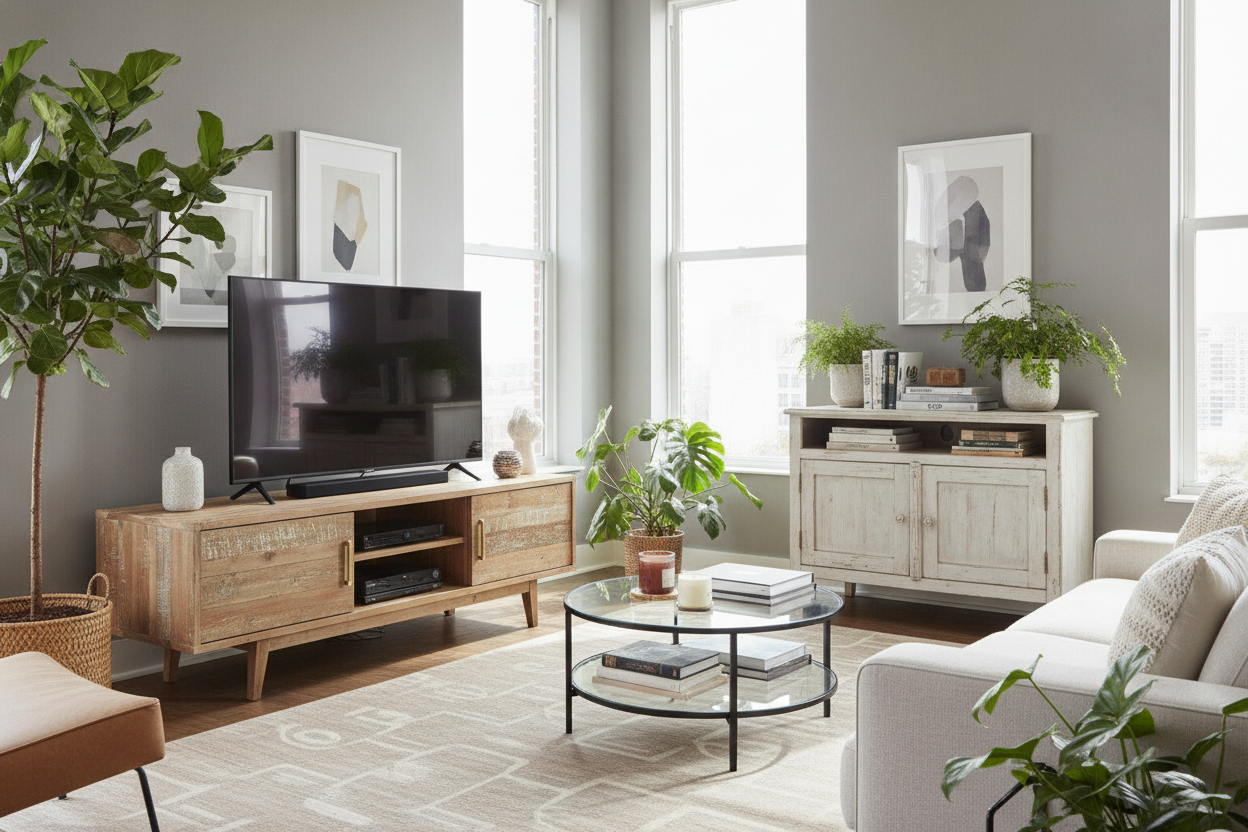
This is the golden rule: do not match your wood. If you have an oak TV stand, your coffee table should be metal, stone, or even a dark walnut. When everything matches, it looks like you bought a 'room in a box' from a clearance warehouse in 1992. Mixing a golden oak tv stand with a concrete-top coffee table or a glass side table creates a layered, designer feel that looks like it evolved over time.
When to Keep the Vintage Find (And When to Buy New)
Not every oak piece is a treasure. If you’re staring at a massive, three-piece wall unit that has built-in slots for VCR tapes and a bridge that goes over the top of the TV, it might be time to let go. Those silhouettes are hard to modernize because they were built for 20-inch tube TVs. They take up too much visual 'air' in a room.
However, if you have a low-profile console or a sleek credenza, keep it. If you find the vintage shapes too clunky, look for a new oak curved TV stand. Modern designers are finally embracing these warm tones again but using them on silhouettes with tapered legs and soft edges. If your current setup feels like a literal boulder in your living room, it might be time to browse some modern TV stands that offer the same warmth with a much lighter footprint.
My Personal Experience with the 'Orange' Console
I once bought a 70-inch golden oak dresser to use as a TV stand. My friends told me it looked like it belonged in a basement. I spent three days debating whether to sand it down and stain it dark espresso. I’m so glad I didn't. I paired it with a dark navy rug and some oversized brass hardware, and suddenly, everyone was asking where I got the 'custom' piece. The downside? It weighs about 400 pounds. Moving it is a nightmare, and I definitely scratched my hardwood floors because I thought I could slide it solo. Learn from me: use furniture pads.
FAQ
Is golden oak coming back into style?
Yes, but with a twist. We are moving away from the 'matchy-matchy' sets of the 90s and toward using warm oak as a singular accent piece paired with modern textures like velvet, metal, and stone.
How do I clean an old oak TV stand?
Skip the heavy waxes. Use a damp microfiber cloth for dust. If it’s really grimy, a tiny bit of Murphy Oil Soap goes a long way. Avoid anything with silicone, which can create a sticky buildup over time.
Can I change the hardware on an oak stand?
Absolutely. Changing the old brass 'batwing' pulls for sleek matte black bars or simple round knobs is the fastest way to modernize the look without touching a paint brush.

Leave a comment
This site is protected by hCaptcha and the hCaptcha Privacy Policy and Terms of Service apply.