

















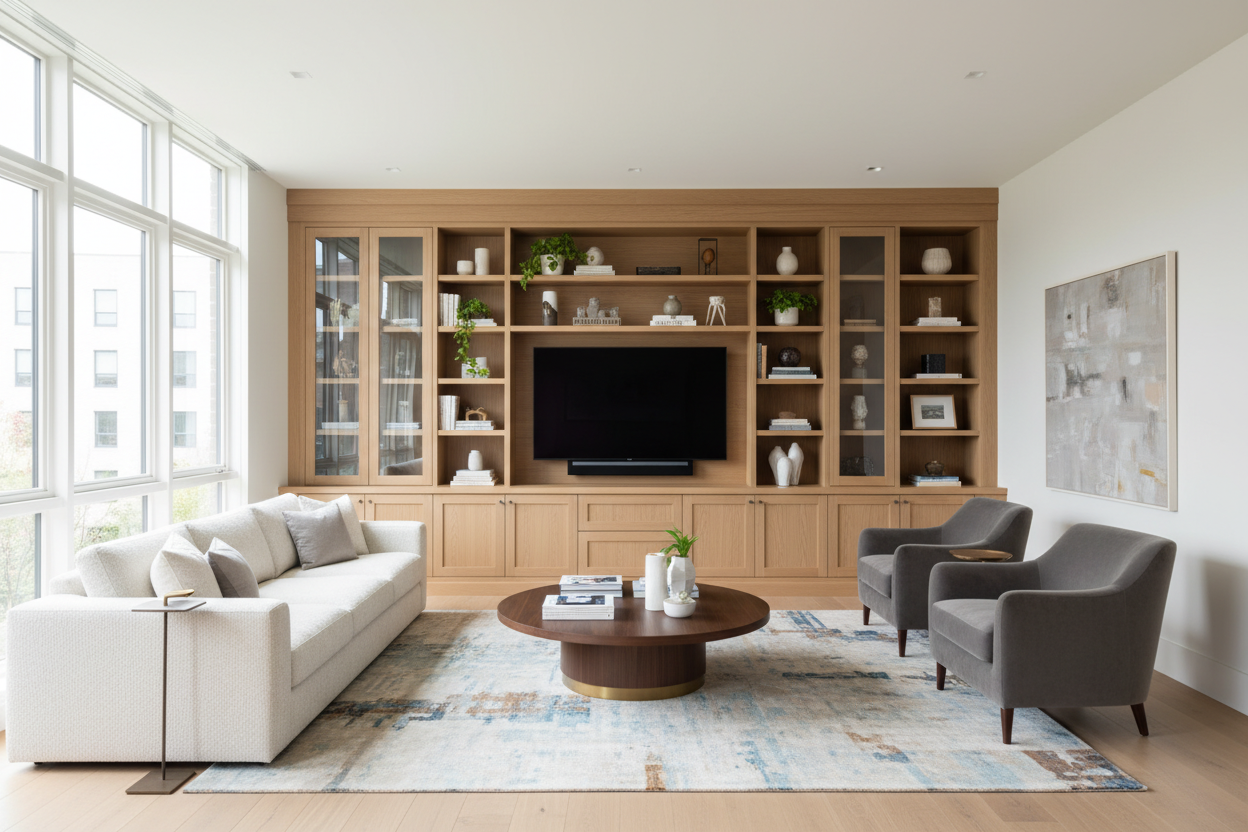
Picture this: you've just moved into your new home, or maybe you're finally updating the living room after years of the kids' chaos. You're staring at that blank wall where the TV will go, imagining a piece that will anchor the room for years. You've probably seen those sleek, trendy media consoles online that look amazing in photos but arrive feeling flimsy and temporary. That's where I come in. After furnishing over 200 homes, I've seen what lasts and what doesn't. Let's talk about why an oak entertainment center wall unit is the choice I keep coming back to for clients who want furniture that grows with their lives.
Quick Takeaways
- Oak's natural density makes it incredibly resistant to dents and scratches from daily life.
- The wood's inherent stability handles seasonal humidity changes better than many materials, preventing warping.
- A quality oak unit can easily support 150+ pounds of electronics without sagging over time.
- The warm grain pattern adds character that synthetic laminates can't replicate, working with both modern and traditional decor.
- Well-made oak furniture often appreciates or holds its value, unlike most mass-produced pieces.
Why Oak Wall Units Are More Than Just Furniture
When you run your hand over an oak entertainment center, you're not just touching furniture—you're connecting with a material that has character. Every piece has a unique grain pattern, a story in the wood. I've had clients tell me their oak wall unit is the one piece guests always comment on, not because it's flashy, but because it feels substantial and real. Unlike flat-pack alternatives that can feel hollow, solid oak has a presence. It's that feeling of quality you notice when you close a drawer and it glides smoothly on its runners, or when you lean against it and it doesn't wobble.
This durability isn't just about looks. I remember a family with three young boys whose oak unit survived everything from toy trucks being rolled across it to the occasional juice box spill. After eight years, it just needed a light sanding and fresh coat of oil to look new again. That's the practical magic of oak—it ages gracefully. For more on how to think about materials when selecting your main living room piece, I always recommend reading this Entertainment Centers And Wall Units A Designers Buying Guide.
The Practical Benefits You Won't Find in Product Listings
Let's get specific about what oak handles that other materials might not. First, temperature and humidity. In most North American homes, humidity can swing from 30% in winter to 60% in summer. Engineered wood or particle board can swell, warp, or even delaminate with these changes. Quality oak, especially if it's been properly kiln-dried, moves minimally. I specify a 3/4-inch expansion gap in the design for the doors and drawers, which is usually enough to accommodate any seasonal movement without issues.
Then there's weight. Modern 85-inch TVs can weigh over 100 pounds. Soundbars, game consoles, media players—it all adds up. A well-constructed oak entertainment center with proper joinery (like mortise and tenon or doweled construction) can support this load indefinitely without the center shelf sagging. I always check that the vertical supports are at least 1 inch thick and run continuously from the base to the top of the unit. If you're considering a wall-mounted option to save floor space, it's worth comparing features with a solution like this Floating Tv Stand Wall Mounted Media Console Entertainment Center to see which installation suits your room layout better.
How to Spot Quality Oak Construction (And Avoid Disappointment)
Not all oak entertainment centers are created equal. Here's what I look for when evaluating pieces for my clients. First, open the doors and drawers. Look at the corners. Are they joined with visible screws or staples? Pass. You want to see dovetail joints for drawers and mortise and tenon for door frames. These traditional methods are stronger and last longer. Run your hand along the edges of shelves and panels. They should be smoothly rounded (called a 'eased edge') not sharp. This isn't just about comfort—sharp edges are more prone to chipping.
Next, examine the finish. A quality finish on oak should enhance the grain, not hide it. Rub your thumb firmly along the surface. If a white mark appears (called 'blushing'), the finish is too soft and will wear quickly. A good catalyzed varnish or hardwax oil finish should feel smooth but not plasticky. Also, check the back panel. Is it a thin sheet of veneered particle board, or is it solid wood? A solid back, even if it's a lesser wood like poplar, adds tremendous rigidity to the entire structure. For an example of thoughtful construction in a larger configuration, look at the details on this Modern 3 Piece Entertainment Center With Overhead Cabinets And 69 Tv Stand Natural Wood And Black Finish.
Styling Your Oak Wall Unit for Today's Living Rooms
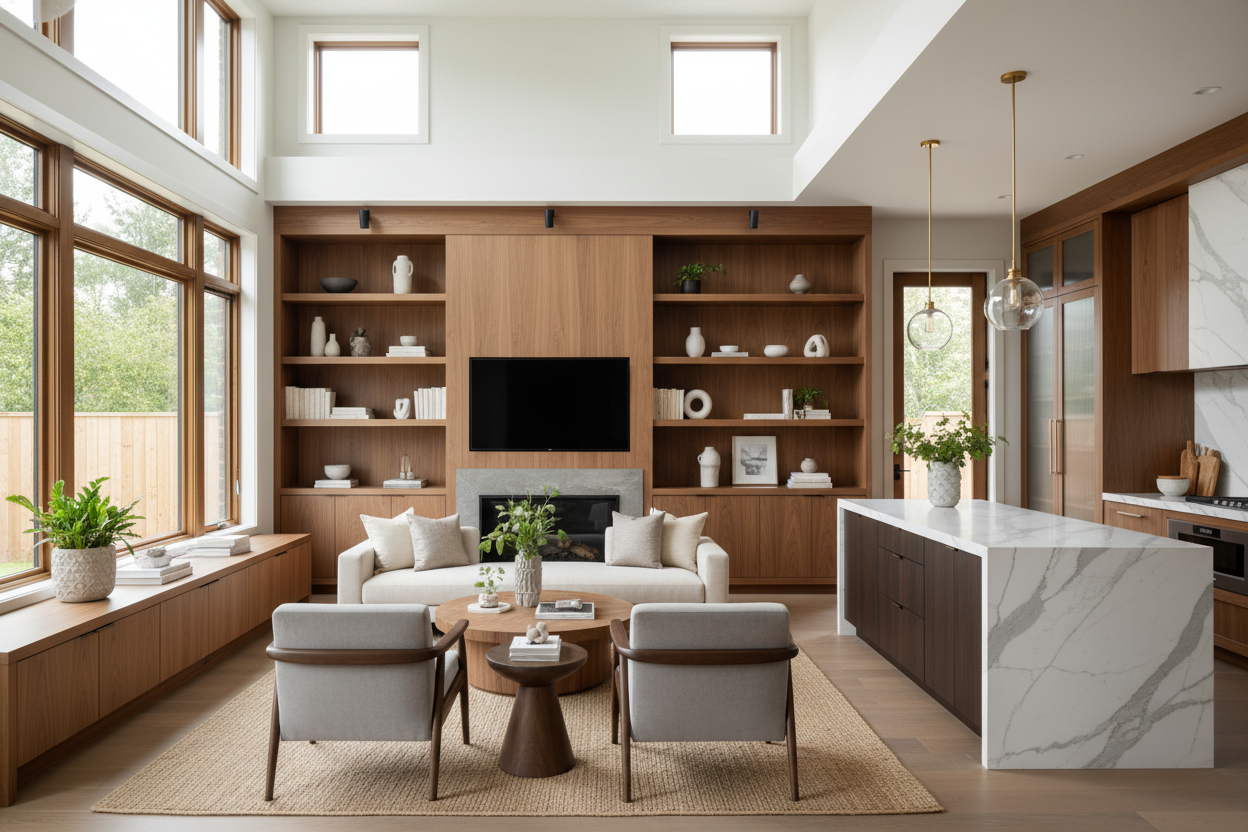
The beauty of oak is its versatility. In a modern, minimalist room with white walls and a charcoal sofa, a light, natural oak finish brings warmth without heaviness. Keep the styling clean—maybe a single sculptural vase on one end and your media equipment neatly arranged inside. For a more traditional or cozy space, a medium-toned or darker oak stain feels right at home. You can layer in more accessories: a stack of books, a small plant, framed photos.
Scale is crucial. For a standard 12x14 foot living room, I recommend a wall unit that's no more than 10-12 feet wide. Leave at least 18 inches of clearance on each side from adjacent walls or large furniture to avoid a cramped feeling. The height should relate to your ceiling. For 8-foot ceilings, keep the unit under 7 feet tall. For higher ceilings, you can go taller, but remember you'll need to access the top shelves. If you're aiming for a contemporary look, this article on Modern Entertainment Center Wall Unit — Why It's Your Living Room's Missing Piece has great tips. And remember, your entertainment center doesn't exist in a vacuum. Browsing a full Entertainment Center collection can help you find complementary pieces like media consoles or speaker stands.
The Resale Reality: Why Oak Holds Its Value
Here's a truth from two decades in the business: fast furniture has fast depreciation. That laminate unit you buy today might be difficult to give away in five years. Solid oak is different. I've helped clients sell decade-old oak wall units for 60-70% of their original price, especially if they were from respected brands or custom makers. Why? Because the next buyer recognizes the same qualities you did: durability, beauty, and timelessness. Trends in colors and hardware come and go, but the fundamental appeal of real wood in a well-proportioned design endures. It's furniture that can move with you to your next home, or become a cherished piece for the next family.
Personal Experience: The Honest Downside
I need to be upfront: oak is an investment. A quality, solid oak entertainment center wall unit will cost more upfront than a comparable-looking piece made from engineered wood. It's also heavy. Delivery and installation often require two or more people. Once it's in place, you're not moving it easily. I once had a client who wanted to rearrange their entire living room layout every few months; for them, a modular, lighter system was a better fit than a monumental oak unit. But for most people, who want a beautiful, permanent anchor for their living space, the initial cost and weight are trade-offs for decades of service.
Frequently Asked Questions
Is oak too traditional or 'heavy' looking for a modern apartment?
Not at all. The key is the finish and design lines. A wall unit in natural, light oak with simple, slab-style doors and minimalist hardware reads as very contemporary. Avoid ornate carvings or very dark, reddish stains if modern is your goal.
How do I clean and maintain an oak entertainment center?
Dust regularly with a soft, dry cloth. For occasional cleaning, use a barely damp cloth with a drop of mild soap, then dry immediately. Once a year, you can apply a tiny amount of furniture wax or refresher oil made for finished wood to nourish the surface and maintain the luster. Avoid silicone-based polishes.
Can I modify an oak unit later, like adding more shelves or changing the hardware?
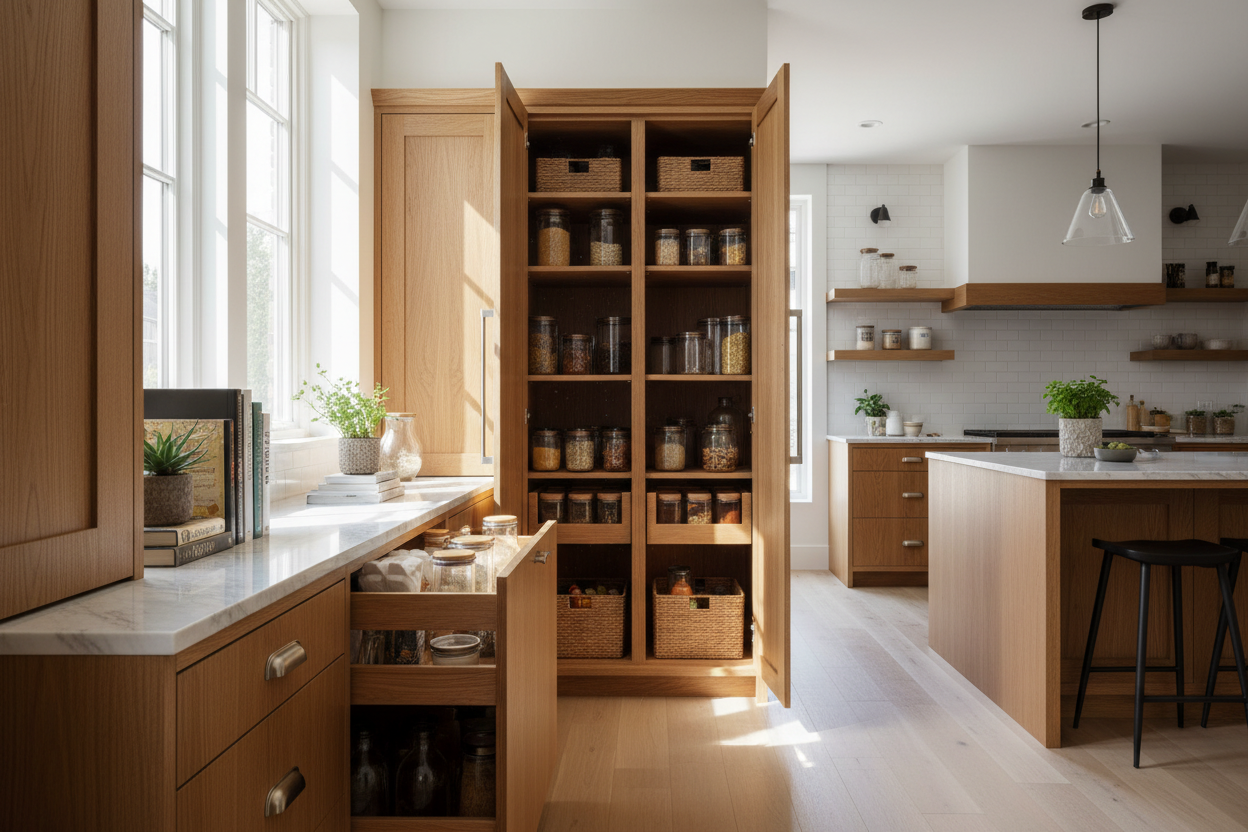
Yes, and this is a huge advantage over laminate furniture. A good carpenter can drill new shelf pin holes, add interior lighting, or swap out hardware. The solid wood construction allows for these modifications without compromising strength.
What's the difference between red oak and white oak for an entertainment center?
Both are excellent. Red oak has a more pronounced, open grain and tends to have pinkish undertones. White oak has a tighter, smoother grain and often has gray or tan undertones. White oak is slightly more resistant to moisture. Visually, it comes down to which grain pattern you prefer.

Leave a comment
This site is protected by hCaptcha and the hCaptcha Privacy Policy and Terms of Service apply.