


















One of the most frequent dilemmas I encounter in modern residential design is the battle between functional workspace and preserving a room's visual flow. You need a surface expansive enough for blueprints or dual monitors, yet you don't want a massive piece of furniture dominating your multi-purpose guest room or living area. This is where the architectural ingenuity of a desk that extends bridges the gap between utility and elegance.
Quick Decision Guide: What Matters Most
Before committing to a purchase, review these critical factors to ensure your piece functions as well as it looks. These are the specific criteria I use when sourcing for clients:
- Mechanism Quality: Look for ball-bearing glides or telescoping rails. If it jerks when pulling, the joinery will eventually fail.
- Leaf Storage: Does the extendable desk table store its extra panels internally (butterfly leaf), or will you need closet space for separate inserts?
- Weight Capacity: Ensure the extended portion can support at least 40-50 lbs without bowing, especially if you use heavy monitors.
- Leg Clearance: Check that the legs move with the extension, or that the overhang doesn't create a tipping hazard.
Analyzing Material and Durability
When selecting a desk with extendable surface, the material choice dictates not just the aesthetic, but the longevity of the moving parts. In my experience, solid wood is luxurious, but it is susceptible to humidity changes which can cause extension rails to bind.
For high-traffic home offices, I often recommend high-quality engineered wood with a thick veneer or a high-pressure laminate finish. These materials offer structural stability, ensuring that the extendable home office desk remains flush when closed. Pay close attention to the "seam" where the desk splits; if the grain doesn't match perfectly or the gap is uneven, it ruins the visual continuity of the piece.
Space Planning and Layout Flow
The allure of a small expandable desk is its footprint, but you must design for the "maximum" configuration, not just the minimum. A common error is placing the desk where, once fully extended, it blocks a doorway or forces traffic through a narrow pinch point.
If you are working with a tight nook, consider an expandable corner desk. These L-shaped configurations often feature a return that slides underneath the main top, allowing you to double your surface area instantly without encroaching into the center of the room. Always leave at least 36 inches of clearance behind the chair for ergonomic movement, regardless of whether the desk is open or closed.
Visual Balance and Styling
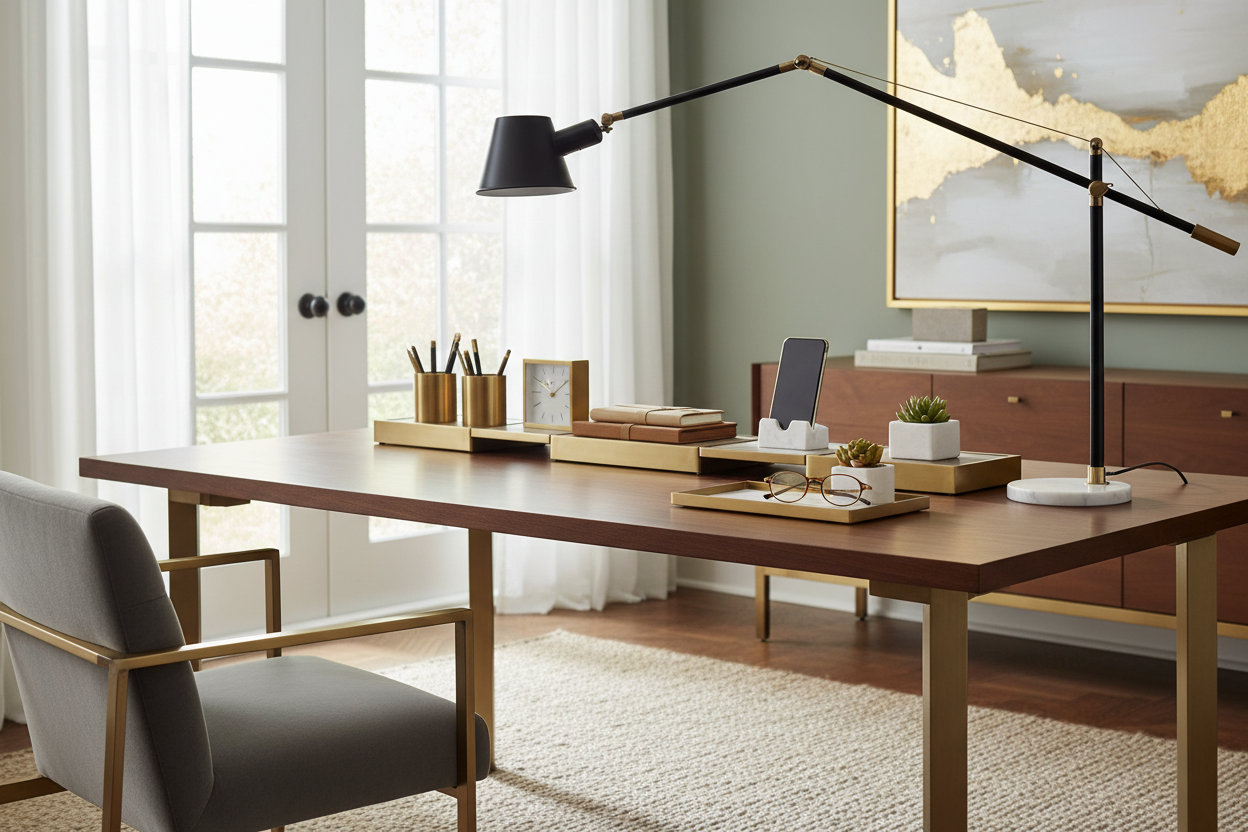
An extendable piece can sometimes look heavy or boxy due to the internal hardware. To counteract this, aim for a silhouette with tapered legs or a floating top design. When the desk is compacted, style it with minimal accessories—a slender lamp and a structured organizer. Avoid heavy clutter that makes the transition to the extended mode a chore. The goal is to maintain a "clean line" aesthetic that hides the furniture's utilitarian secret.
My Personal Take on the Desk That Extends
I want to share a specific lesson I learned the hard way during a renovation project in a Chicago high-rise. I had specified a stunning, Italian-made console that transformed into a dining-sized desk. It looked incredible on the showroom floor.
However, I failed to account for the client's flooring texture. We placed this heavy piece on a thick, plush wool rug. The first time the client tried to pull the telescoping legs out to expand the surface, the drag on the rug was immense. The friction actually caused the leg joinery to wobble slightly after just a few weeks.
The lesson? If you are buying a model where the legs slide out (rather than a cantilevered top), you must use it on hardwood, tile, or a very low-pile rug. If you have plush carpet, look for a design where the base remains stationary and only the top surface slides. It’s a small mechanical nuance that saves years of frustration.
Conclusion
Investing in adaptable furniture is about future-proofing your home. A well-chosen desk that extends allows your space to breathe when you're off the clock and perform when deadlines loom. By focusing on mechanism smoothness and material stability, you secure a piece that is as enduring as it is versatile.
Frequently Asked Questions
How do I maintain the extension mechanism?
Dust can accumulate in the tracks, causing friction. Every six months, vacuum the rails and apply a small amount of silicone-based lubricant (never oil-based, which attracts gunk) to keep the glide smooth.
Are extendable desks stable enough for computer towers?
Generally, yes, but placement matters. Place heavy items like towers over the main, static legs of the desk rather than on the cantilevered or extended leaf section to prevent sagging over time.
Can I use a monitor arm on an extendable desk?
Proceed with caution. Clamp-style mounts exert significant pressure. Ensure you are clamping onto the solid, structural frame and not the thinner extension leaf or the seam, which could crack under the torque.


Leave a comment
This site is protected by hCaptcha and the hCaptcha Privacy Policy and Terms of Service apply.