

















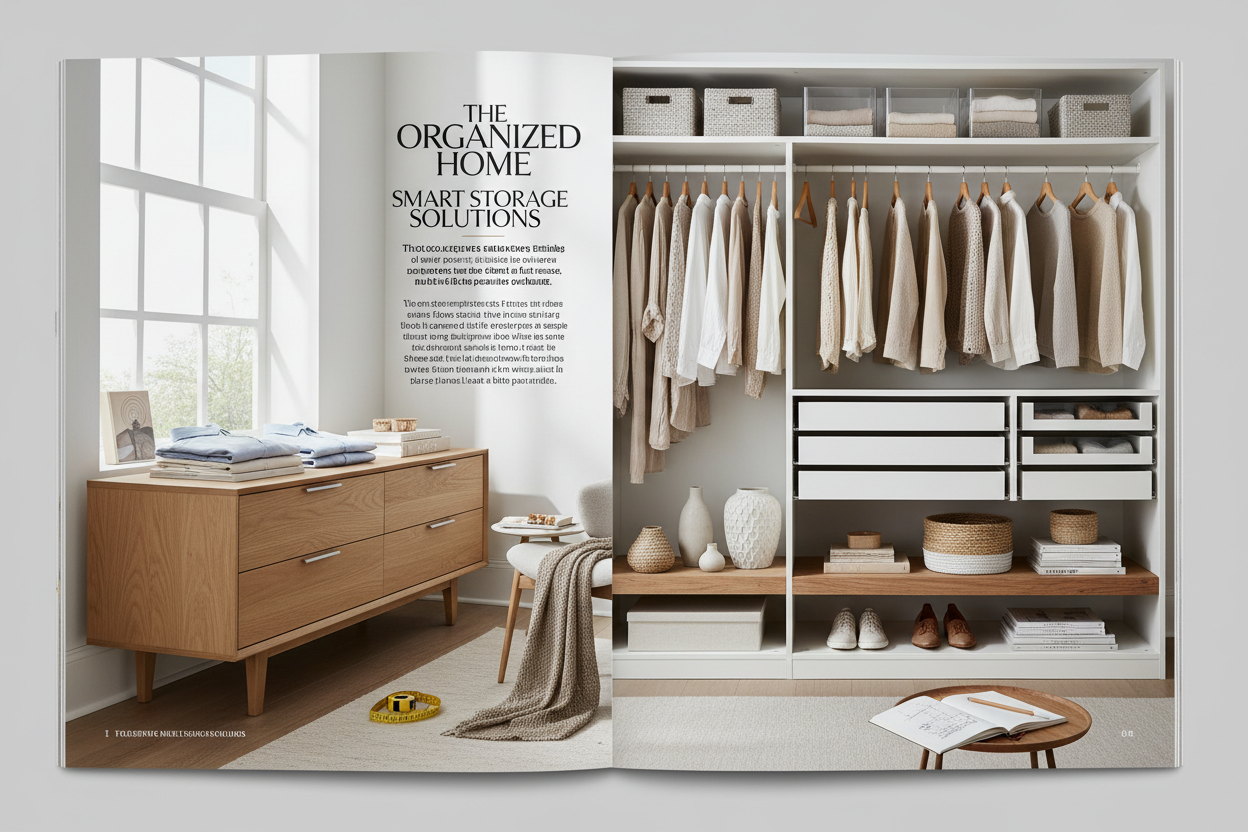
A well-curated home isn't just about the items you display; it is equally defined by what you choose to conceal. As an interior designer, I often see homeowners struggle with the balance between necessary accumulation and visual serenity. The wrong piece can make a room feel heavy and claustrophobic, while the right choice enhances the architectural flow. Finding the perfect storage for house furniture is about understanding the interplay between volume, material, and utility.
Key Features to Look For
- Proportion and Scale: The piece must relate to the room's volume; a ceiling-height armoire overwhelms a low-ceilinged room, while low-profile units can get lost in lofts.
- Joinery and Hardware: Look for dovetail joints and soft-close hinges. These are the first indicators of longevity.
- Material Integrity: Solid wood expands and contracts; high-quality veneers over MDF offer stability. Know the difference before investing.
- Internal Configuration: Adjustable shelving and cable management cutouts are non-negotiable for modern living.
Assessing Functionality and Aesthetics
When selecting storage, we must move beyond the concept of a simple box. The piece must serve the room's narrative. For living areas, media consoles and sideboards act as anchors. Here, visual weight is crucial. A unit on a plinth base (sitting flush with the floor) feels grounded and substantial, ideal for large, airy rooms. Conversely, pieces raised on legs allow light to pass underneath, increasing the perception of floor space—a critical tactic for compact apartments.
Integrating Storage Units for House Furniture
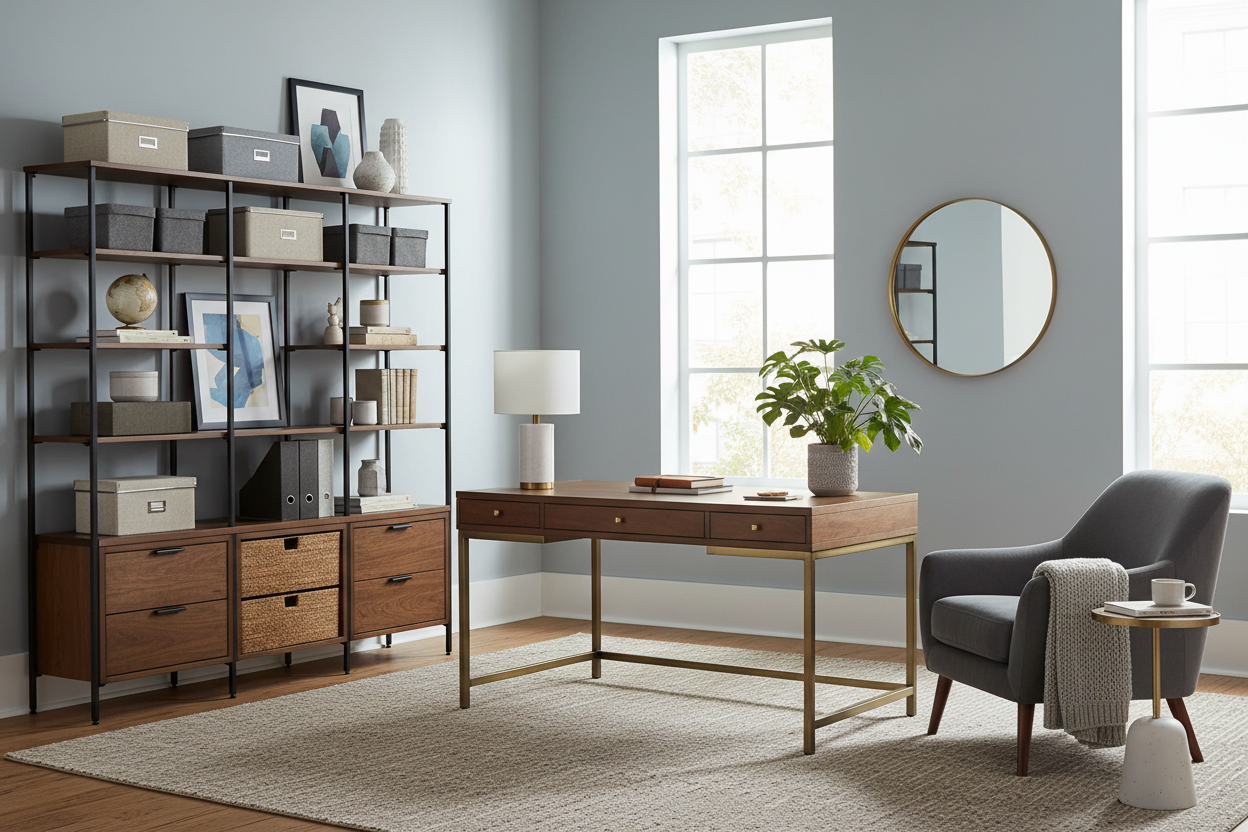
The term "storage" often brings to mind utilitarian plastic bins, but in high-end design, we look for storage units for house furniture that double as sculptural elements. An antique armoire can hide a modern television, or a mid-century credenza can house a chaotic collection of vinyl records. The goal is to maximize utility without sacrificing the room's silhouette.
Material Selection: Durability Meets Style
The finish of your furniture dictates the maintenance level and the mood of the space.
- Hardwoods (Walnut, Oak, Maple): These offer warmth and texture. They are forgiving of scratches, often developing a patina over time.
- Lacquers and High-Gloss: These reflect light, making spaces feel larger, but they are unforgiving with fingerprints and dust.
- Metals and Glass: These materials introduce an industrial or contemporary edge but can feel cold if not balanced with textiles.
My Personal Take on Storage for House Furniture
I want to share a specific lesson from a project I worked on in a pre-war apartment. I specified a stunning, high-gloss white lacquer sideboard for a client's dining room. It looked immaculate in the showroom. However, I failed to account for the client's two golden retrievers. Within a month, the static from the lacquer was attracting dog hair like a magnet to the bottom edge, and the pristine finish highlighted every single nose print.
Furthermore, we chose push-to-open latches to keep the look minimal. In practice, these mechanisms can be finicky. If you didn't press the exact center of the drawer, it wouldn't open, leading to frustration during dinner parties. Now, when I advise clients, I often steer them toward routed handles or subtle edge-pulls rather than push-latches for high-traffic pieces. It’s these tactile, daily interactions—how a drawer glides, how a door sounds when it shuts—that determine whether you love a piece of furniture six months later.
Creating a Curated Home
Investing in quality storage is an investment in your peace of mind. By selecting pieces that offer the right balance of hidden depth and exterior beauty, you allow your home to breathe. Focus on quality materials and ergonomic interaction, and your furniture will serve you for decades.
Frequently Asked Questions
What is the ideal depth for a storage console?
For general storage, a depth of 18 to 20 inches is standard. However, if you are housing audio-visual equipment, aim for at least 22 inches to accommodate the unit and the stiff cabling behind it without crushing the wires.
Should I choose open shelving or closed cabinetry?
Closed cabinetry is superior for reducing visual noise and hiding clutter. Open shelving should be reserved strictly for decorative objects you wish to display. If you aren't prepared to dust it weekly, choose closed storage.
How do I mix wood tones when buying storage furniture?
You don't need to match woods perfectly. Instead, match the undertone. Keep warm woods (red/orange undertones like cherry or mahogany) together, and cool woods (ash, maple, or walnut with grey undertones) together for a cohesive look.

Leave a comment
This site is protected by hCaptcha and the hCaptcha Privacy Policy and Terms of Service apply.