

















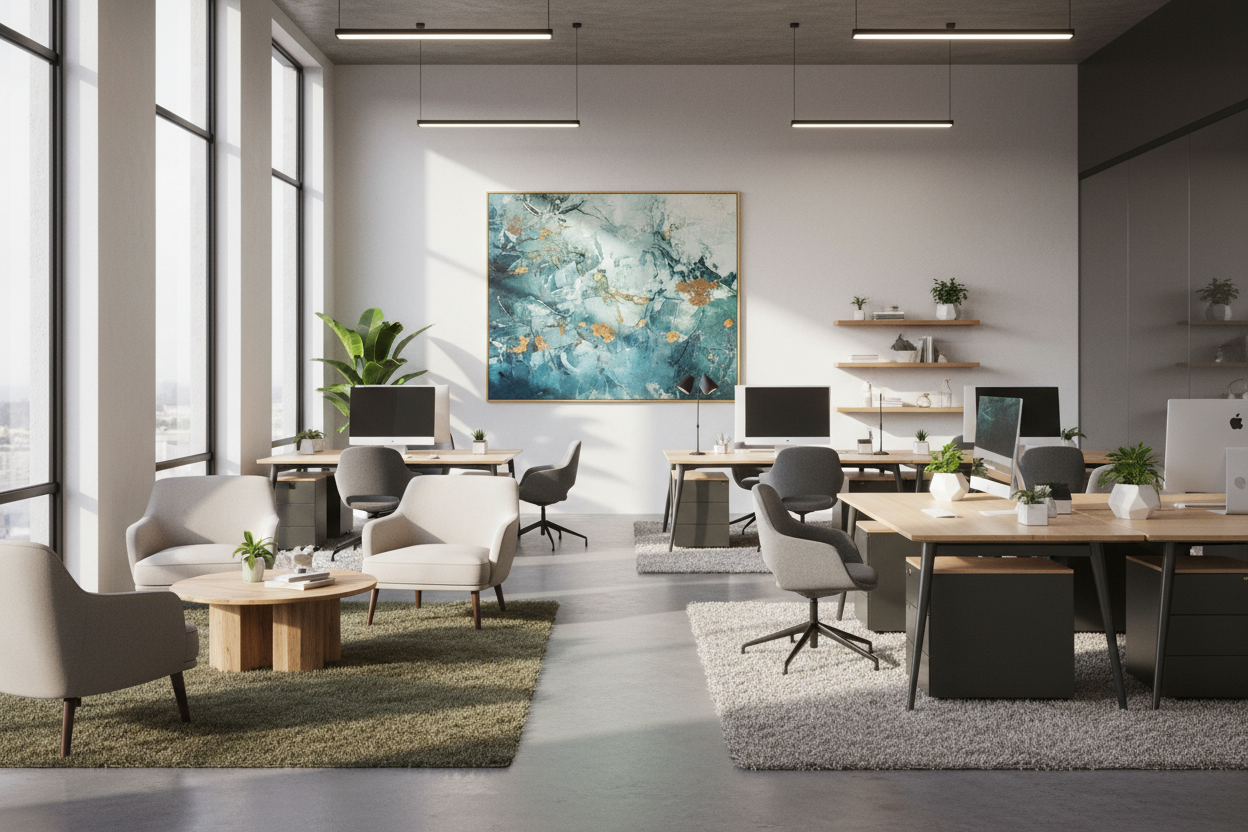
Does your current workspace inspire output or induce fatigue? The difference between a cluttered desk and a high-performance sanctuary often comes down to intentional design choices, not just budget. As a designer, I see many homeowners struggle to blend functionality with aesthetics, resulting in makeshift setups that hinder productivity. This guide explores how to make professional office ideas work within your specific residential constraints, balancing ergonomic necessity with visual appeal.
Key Features for a Functional Workspace
- Ergonomics First: Prioritize chairs with lumbar support and adjustable seat depth over purely decorative styles.
- Lighting Layers: Combine ambient overhead lighting with task lighting (3000K-4000K) to reduce eye strain.
- Surface Depth: Ensure your desk is at least 24-30 inches deep to maintain proper focal distance from monitors.
- Acoustics: Incorporate soft textiles like rugs or upholstered panels to dampen echo and improve focus.
- Material Durability: Choose matte finishes over high-gloss to minimize glare and fingerprint visibility.
Zoning and Layout Strategy
The most common failure in home office design is poor zoning. Before purchasing furniture, you must analyze the "work triangle"—the relationship between your desk, your storage, and your natural light source. When considering decor for office space, visual weight matters. A heavy, dark oak desk in a small room will feel oppressive, whereas a desk with legs (rather than a solid block base) creates a sense of openness by allowing sightlines to travel to the floor.
Selecting the Right Materials
Materiality dictates the longevity and feel of the room. While glass desks appear sleek and modern, they often lack warmth and can feel cold to the touch during long work sessions. For a sophisticated aesthetic that remains practical, I recommend walnut or white oak veneers with a matte sealant. These materials hide dust better than glass or black lacquer and provide a tactile grounding element to the room.
Integrating Storage and Decor
Effective office space decoration should never compete with your workflow. Instead of cluttering the desktop with knick-knacks, utilize vertical space. Floating shelves installed above eye level allow you to display art or books without encroaching on your active workspace. This keeps your primary line of sight clear, reducing cognitive load while maintaining a curated look.
Lighting: The Invisible Design Element
Bad lighting is the silent killer of productivity. Avoid relying solely on recessed ceiling cans, which cast shadows on your work surface. Layering is essential. Start with a diffuse ambient light, then add a dedicated task lamp with an adjustable arm. Crucially, position your monitor perpendicular to windows to prevent the harsh contrast of backlighting or the distraction of screen glare.
My Personal Take on office ideas work
I learned a hard lesson early in my career regarding "minimalist" desks. I once specified a stunning, architectural writing desk for a client—it had zero drawers and a high-gloss lacquer finish. It looked incredible in the portfolio photos.
However, three months later, the client called me back. The high-gloss finish was a nightmare; it reflected the overhead track lighting directly into his eyes, causing migraines, and the lack of a simple pencil drawer meant the surface was permanently cluttered with pens and sticky notes, ruining the clean look we aimed for. Now, I always insist on a matte or satin finish for horizontal surfaces and demand at least one "landing zone" drawer for immediate clutter. Real design has to survive the Tuesday morning deadline, not just the photoshoot.
Conclusion
Curating a workspace is about more than buying a desk; it is about engineering an environment that respects your body and your mind. By focusing on ergonomic flow, appropriate lighting, and durable materials, you can create a space that feels permanent and purposeful. Elevate your standards, and your work will follow.
Frequently Asked Questions
How do I make a small office look bigger?
Use lighter color palettes for the walls and large furniture pieces. Mirrors can also double the visual space, but place them carefully so you don't stare at your own reflection while working, which can be distracting.
What is the best color temperature for office lighting?
Aim for 3500K to 4000K (Cool White). This range mimics daylight and promotes alertness. Warmer tones (2700K) are too relaxing and can induce drowsiness, while anything above 5000K can feel too harsh and clinical for a home setting.
Is a standing desk worth the investment?
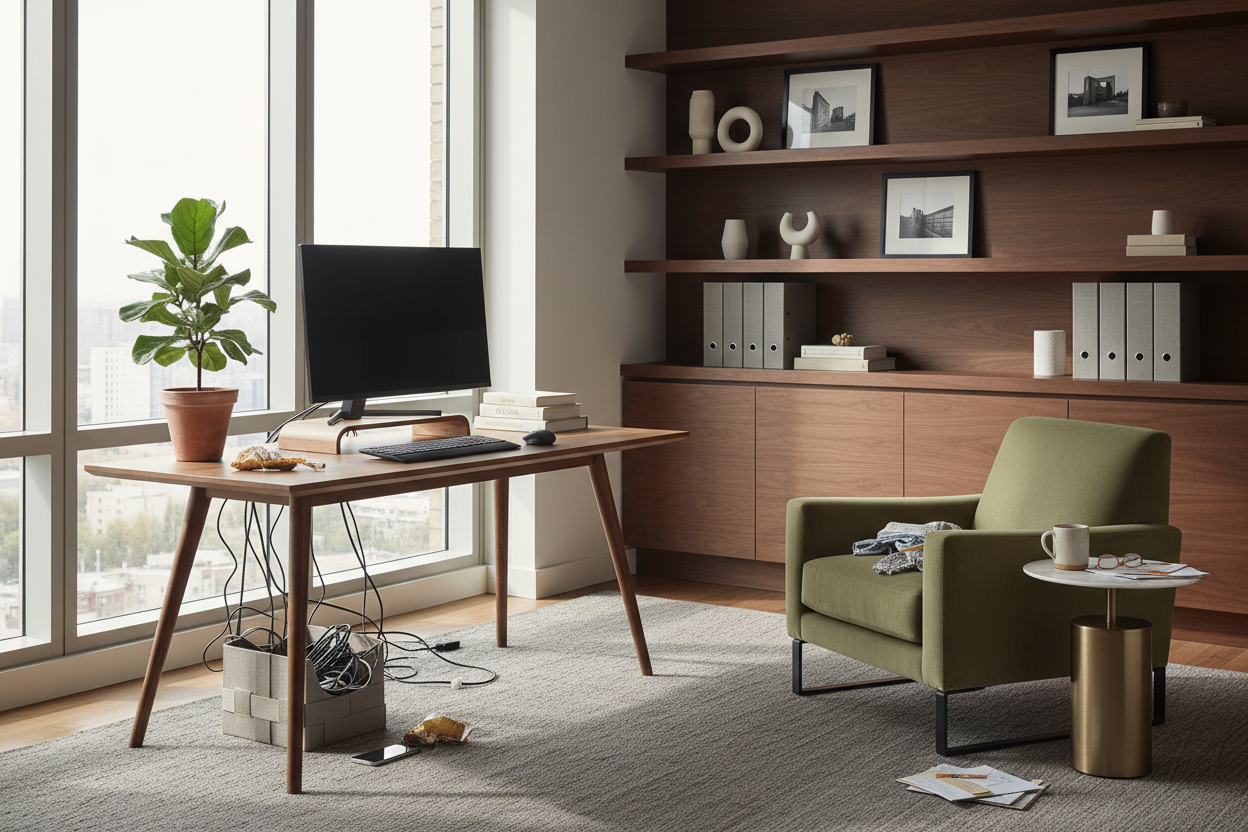
Yes, but only if you have the discipline to use it. From a design perspective, look for standing desks with hidden cable management channels (grommets or trays), as the raising mechanism often exposes messy wiring that ruins the room's visual calm.

Leave a comment
This site is protected by hCaptcha and the hCaptcha Privacy Policy and Terms of Service apply.