


















We have all experienced the frustration of a workspace that fights against us—cables snaking across the desk, printers taking up valuable surface area, and generic shelving that never quite fits the binders we actually use. The dilemma isn't just about clutter; it is about visual noise disrupting your focus. While modular furniture serves a purpose, home office custom cabinets act as the architectural backbone of a truly productive environment. As a designer, I view custom joinery not merely as storage, but as a tool to manipulate the visual weight and flow of a room.
Key Features to Consider Before Buying
- Material Integrity: Evaluate the core material (plywood vs. particle board) for long-term weight bearing.
- Hardware Quality: Soft-close hinges and heavy-duty drawer slides are non-negotiable for daily use.
- Cable Management: Integrated grommets and hidden chases to keep technology invisible.
- Ergonomics: Desk heights and shelf depths tailored specifically to your reach and equipment.
- Finish Durability: Resistance to coffee rings, heat, and daily friction.
Analyzing Material Quality and Finish
When specifying custom built-in office cabinets for a client, the conversation always begins with the substrate. Many homeowners assume solid wood is the only luxury option, but high-grade plywood with a premium wood veneer often offers superior stability against humidity changes. For a painted finish, high-density fiberboard (HDF) provides a glass-smooth surface that resists cracking at the joints better than natural timber.
The finish itself determines the longevity of the piece. I often recommend a conversion varnish over standard lacquer for desktops and cabinet fronts. It provides that tactile, high-end feel while offering industrial-grade resistance to scratches—essential for a surface that sees eight hours of use daily.
Space Planning and Visual Balance
Optimizing Vertical Space
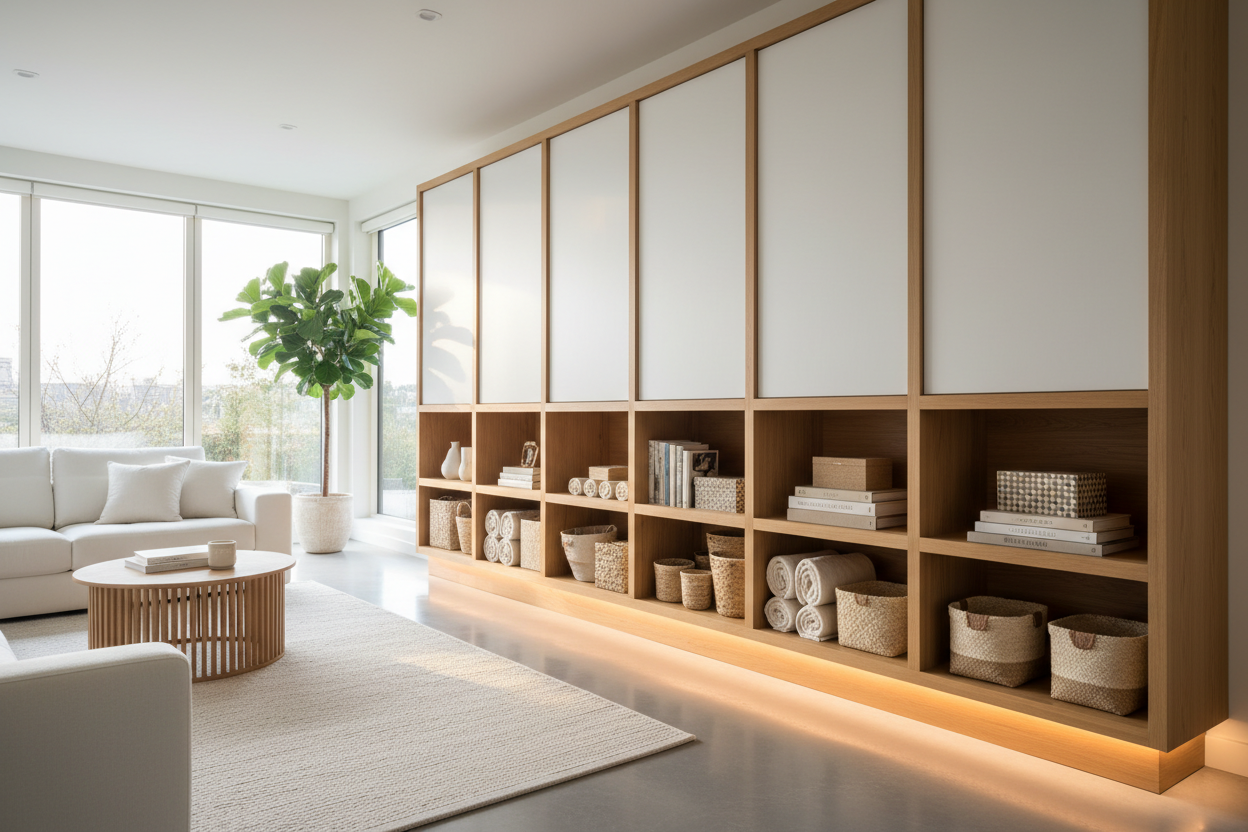
The primary advantage of custom built office cabinets is the ability to utilize verticality. In smaller rooms, taking cabinetry floor-to-ceiling draws the eye upward, making the room feel more expansive rather than enclosed. We can incorporate closed storage at the bottom for unsightly paperwork and open shelving at the top for curated decor, balancing functionality with aesthetics.
The Integrated Layout
Unlike freestanding furniture, custom built in office cabinets can be scribed to the wall, accommodating uneven floors or quirky architectural details. This creates a seamless, built-in look that feels like part of the home's original structure. When planning the layout, consider the "work triangle" of your office: the reach between your chair, your files, and your printer. Custom millwork allows us to hide the printer in a pull-out drawer with dedicated ventilation, keeping the silhouette of the room clean.
My Personal Take on Home Office Custom Cabinets
I learned a hard lesson early in my career regarding the depth of lower cabinets. I designed a stunning wall of joinery for a client who was a graphic designer. It looked beautiful in the renderings. However, six months later, I visited the site and noticed he had to leave the cabinet doors slightly ajar because his oversized hard drives and tower computer didn't have enough clearance for the cables in the back to bend safely without pinching.
Since then, I always measure the equipment plus three inches for cable bend radius. I also insist on "ventilation slots" routed into the toe-kick or hidden behind the cabinet reveal. Electronics generate heat, and I've seen expensive processors overheat inside beautiful, airtight custom cabinets. It is these unpolished, practical details—not just the pretty cabinet fronts—that determine if your investment holds up over time.
Conclusion
Investing in bespoke millwork is a commitment of time and budget, but the return is a workspace that physically supports your workflow. By prioritizing durable materials and intelligent layout over fleeting trends, you create a space that feels permanent and purposeful. Your environment dictates your output; ensure it is designed to help you succeed.
Frequently Asked Questions
How long does it take to install custom built-in office cabinets?
The timeline varies based on complexity, but fabrication typically takes 6-10 weeks, while the actual installation in your home usually takes 2-4 days. This includes scribing the cabinets to walls and installing hardware.
Can I take custom cabinets with me if I move?
Generally, no. Custom built office cabinets are designed to fit a specific space and are often attached permanently to the wall studs. Removing them can damage both the unit and the drywall. They should be viewed as a property value addition rather than portable furniture.
What is the best depth for office upper cabinets?
Standard kitchen uppers are 12 inches deep, but for a home office, I often recommend 14 or 15 inches. This accommodates larger binders and reference books without them overhanging the shelf edge, maintaining a cleaner visual line.


Leave a comment
This site is protected by hCaptcha and the hCaptcha Privacy Policy and Terms of Service apply.