

















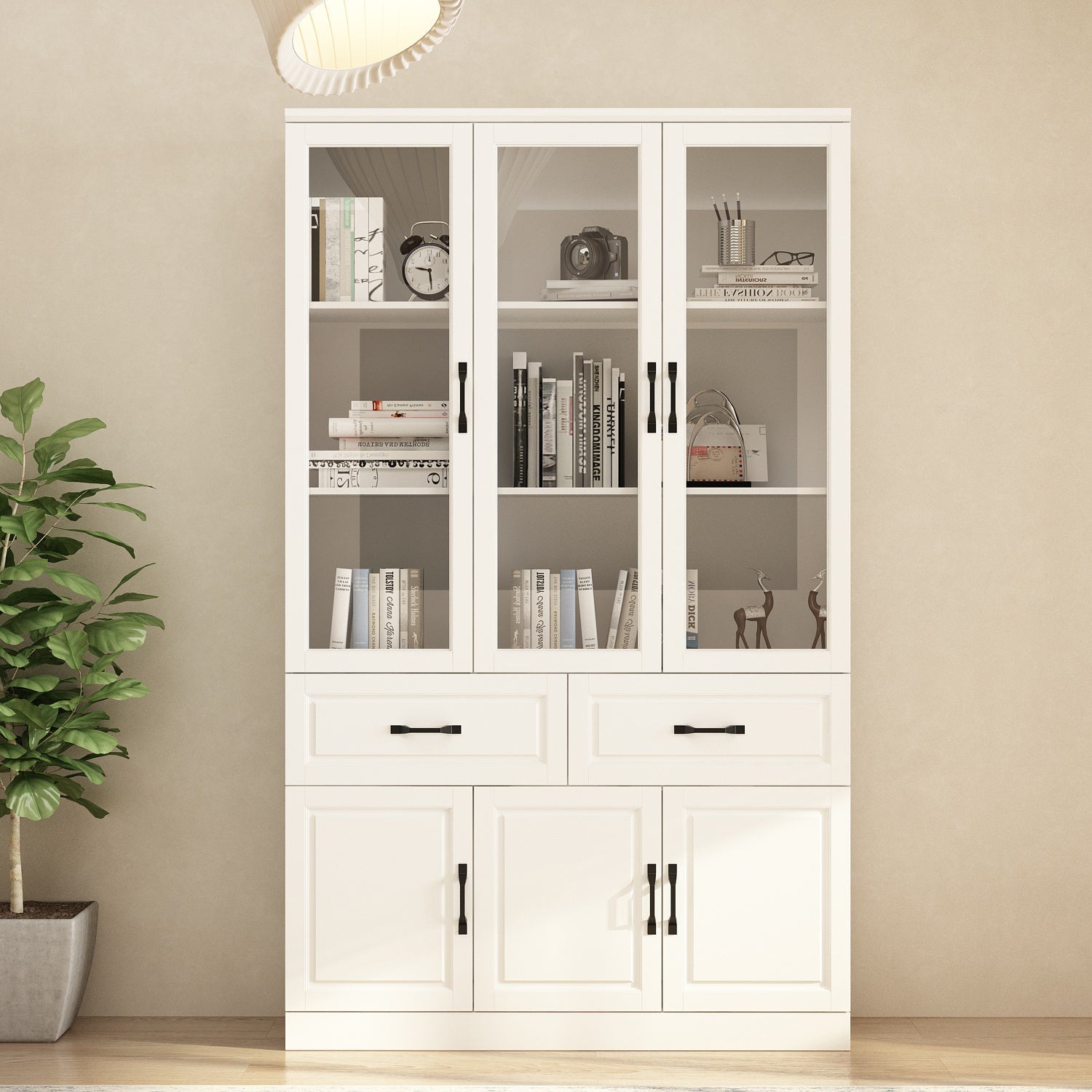

I used to think I was a 'curator.' In reality, I was just a person with too many tiny things and no plan. I would buy a vintage brass crane and plunk it on a windowsill, then find a cool matchbox and toss it on the coffee table. My house didn't feel like a home; it felt like a thrift store that hadn't been sorted yet. It wasn't until I finally invested in collector displays that my treasures actually started looking like art instead of just stuff I forgot to put away.
- Grouping items creates a focal point instead of visual noise.
- Glass-enclosed units save you hours of tedious dusting.
- Negative space is the difference between a collection and a hoard.
- Lighting is the secret ingredient that makes cheap finds look expensive.
The 'Knick-Knack Scatter' Mistake I Kept Making
The trap is real. You find a gorgeous hand-painted plate or a weird little figurine, and you think, 'This would look great on the mantel!' Then you do it again on the side table. And the nightstand. Before you know it, every flat surface in your home is occupied by one or two lonely objects. This is the knick-knack scatter, and it is the enemy of good design.
When I looked around my living room last year, I realized my eyes had nowhere to rest. Every time I tried to clean, I had to move forty different things just to wipe down a shelf. The 'eclectic' vibe I was going for just felt messy. By spreading my collection thin, I was actually hiding the pieces I loved most. They weren't special anymore; they were just obstacles.
Why Dedicated Collector Displays Completely Change the Vibe
The moment I moved my vintage camera collection into dedicated display storage, the room instantly felt five times bigger. It’s a psychological shift. When you group items together, you are telling anyone who enters your home that these things are intentional. You aren't just 'keeping' them; you are 'presenting' them.
A collector display acts as a frame. Just like a painting looks better in a frame than taped to a wall, your vintage glassware or signed baseballs look better when they have a defined boundary. It turns a pile of objects into a singular, powerful design element. Suddenly, my guests were asking about the cameras instead of just looking past them.
The 'Museum Rule' of Curation
Museums are the masters of this. They don't just throw a relic in the middle of a room. They use borders, containment, and light to signal importance. You can do this at home by using trays, shadow boxes, or cabinets. When you put an object behind glass or on a specific pedestal, you’re giving it 'weight.' You’re saying, 'This is worth looking at.'
Finding the Right Collector Display for Your Space
The biggest mistake people make is buying furniture that’s the wrong scale. If you have a massive 10-foot wall, a tiny little shelf is going to look ridiculous. Conversely, don't buy a hulking cabinet for a collection of three items. You want the unit to feel full, but not cramped. When browsing bookcases and display cabinets, I always look for adjustable shelving. You never know when you’re going to find a piece that’s two inches taller than the rest.
I’ve also learned to avoid overly deep shelves for small items. If your shelf is 18 inches deep but your figurines are only three inches tall, the back half of that shelf is just a dark cave for spiders. Look for shallow units or use acrylic risers to bring the back row into the light.
Glass Curios vs. Open Shelving
This is the great debate. Open shelving is great for things you touch often—think pottery or books. But for anything fragile or intricate, I am team glass all the way. I personally use this white display case with glass doors because it keeps my ceramics safe from my cat and, more importantly, from dust. If you have ever tried to dust a LEGO set or a crystal collection, you know that glass doors are a sanity-saver.
How I Styled Mine Without Looking Like a Junk Shop
Styling a collector display is an art form. The number one rule? Don't fill every square inch. You need negative space so the eye can breathe. I like to group items by color or material to create a sense of cohesion. For example, all my brass items go on one level, while my green glass sits on another. This creates a 'rhythm' as you look down the cabinet.
Vary your heights. Use books or small boxes as 'pedestals' within the display to make sure nothing is hidden. I’ve found that using stylish ways to display bookshelves techniques—like alternating horizontal and vertical stacks—works just as well for collectibles as it does for novels. If everything is the same height, it looks like a retail shelf; if things vary, it looks like a curated gallery.
FAQ
How do I know if my display is too crowded?
If you can't see the back of the cabinet or the wall behind the shelf in at least 30% of the space, it's probably too full. Take one thing out. Does it feel better? Keep going until the 'hero' pieces have room to shine.
Should I add lighting to my cabinet?
Always. Even a cheap battery-powered puck light can make a huge difference. Light hitting glass or metallic surfaces adds a layer of depth that makes the whole room feel more high-end.
Can I mix different types of collections?
Yes, but try to find a common thread. Maybe they are all the same color, or they all have a 'vintage' patina. If the items are too different, the collector display starts to look like a junk drawer again.


Leave a comment
This site is protected by hCaptcha and the hCaptcha Privacy Policy and Terms of Service apply.