

















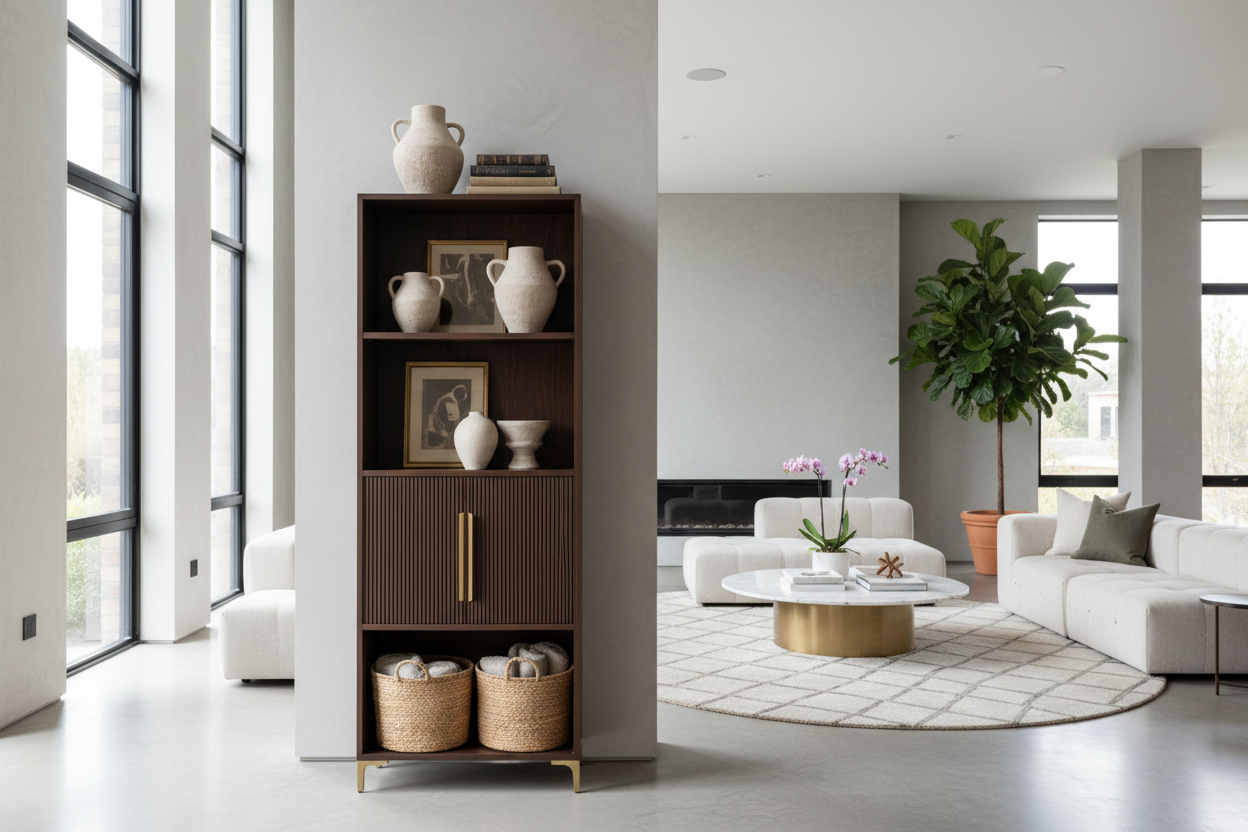
Have you ever stared at a massive, blank wall in your living room while tripping over clutter on the floor? It is a common North American design dilemma: we have the vertical space, but we fail to use it. Bringing an 8 foot tall cabinet into your home seems like the ultimate storage solution. However, pieces this large can easily look like a looming monolith if you do not plan for their visual weight. In this guide, I will walk you through exactly how to choose, place, and style these towering pieces so they feel intentional rather than overwhelming.
Quick Decision Guide
- Measure your ceilings: You need at least 9-foot ceilings for an 8ft cabinet to look proportionate. Standard 8-foot ceilings will make the room feel cramped.
- Mind the door swing: An 8 ft cabinet with doors requires significant clearance. Leave at least 36 inches of walkway space when the doors are fully open.
- Anchor it properly: Any 8 tall cabinet is a major tipping hazard. Always secure it to wall studs, regardless of whether you have children or pets.
- Balance the visual weight: Opt for glass upper doors or open shelving on top to keep the piece from looking too heavy.
Space Planning & Layout
Ceiling Height and Proportions
When you are dealing with an 8 foot cabinet, the first thing to check is your ceiling height. In many older suburban homes and apartments, 8-foot ceilings are the standard. Placing an 8 foot tall storage cabinet in these rooms means the piece will practically scrape the ceiling, eliminating negative space and making the room feel shorter. Ideally, you want at least 12 to 18 inches of breathing room above the piece. If your ceilings are low, a better strategy might be utilizing an 8 foot long cabinet to maximize horizontal storage while keeping sightlines clear.
Clearances and Footprint
Scale is not just about height. You have to consider the depth and the functional footprint. An 8 foot cabinet with doors needs room to operate. If you place it in a dining room, ensure there is enough space to pull out dining chairs even when the cabinet doors are open. For narrow hallways, a shallow 8ft storage cabinet (around 12 to 15 inches deep) works best, whereas a living room media center can handle a deeper 20-inch profile.
Style & Coordination
Lightening the Load
Large furniture can quickly dominate a room. If you are bringing in an 8 ft tall storage cabinet, pay attention to its finish and silhouette. Dark, solid wood reads as very heavy. To soften the impact, look for an 8ft tall cabinet with glass-front uppers or woven cane details. This allows the eye to travel through the piece rather than stopping abruptly at a solid wall of wood.
Color Matching and Built-In Illusions
One of my favorite designer tricks for an 8 ft tall cabinet is painting it the exact same color as the wall behind it. This technique, known as color drenching, camouflages the bulk of the cabinet. It suddenly feels like custom built-in architecture rather than a freestanding piece of furniture. Whether you choose 8 foot tall cabinets for a home office or a dining room, this tonal approach works wonders.
Material & Build Quality
Solid Wood vs. Engineered Materials
Because an 8ft tall storage cabinet holds a massive amount of weight, material choice is critical. Solid wood offers incredible longevity, but it reacts to North American humidity shifts. If you live in a climate with extreme seasonal changes, high-quality plywood with a real wood veneer is often more stable and less prone to warping. Avoid cheap particleboard for an 8 foot storage cabinet, as the shelves will eventually bow under the weight of books or dishware.
Lessons from My Own Projects
I once sourced a gorgeous, solid walnut 8ft storage cabinet for a client's open-concept living area. The craftsmanship was stunning in the showroom. But once delivered, I learned a hard lesson about spatial planning. The 8 foot cabinet with doors swung out so far that they completely blocked the primary walkway to the kitchen. Every time someone wanted to grab a wine glass, traffic in the house stopped.
We ended up moving it to an alcove and swapping the original solid doors for custom glass panels to make it feel less imposing. The honest downside to these massive pieces? They are incredibly unforgiving if your measurements are off by even an inch. Always tape out the dimensions on your floor and wall before purchasing.
Frequently Asked Questions
Should I choose an 8 ft long cabinet or a tall vertical one?
It depends entirely on your room architecture. An 8 ft long cabinet is excellent for anchoring a TV or providing a serving surface in a dining room with standard 8-foot ceilings. If you have 9-foot or vaulted ceilings and a narrow floor plan, an 8 ft tall storage cabinet is the better choice to draw the eye upward and save floor space.
How do you secure an 8 foot tall cabinet?
Never rely on drywall anchors for a piece this large. You must locate the wooden wall studs and use heavy-duty steel L-brackets or anti-tip straps. Since baseboards often prevent cabinets from sitting flush against the wall, you may need to shim the front legs slightly so the cabinet leans back toward the wall.
How do I style the top of an 8 tall cabinet?
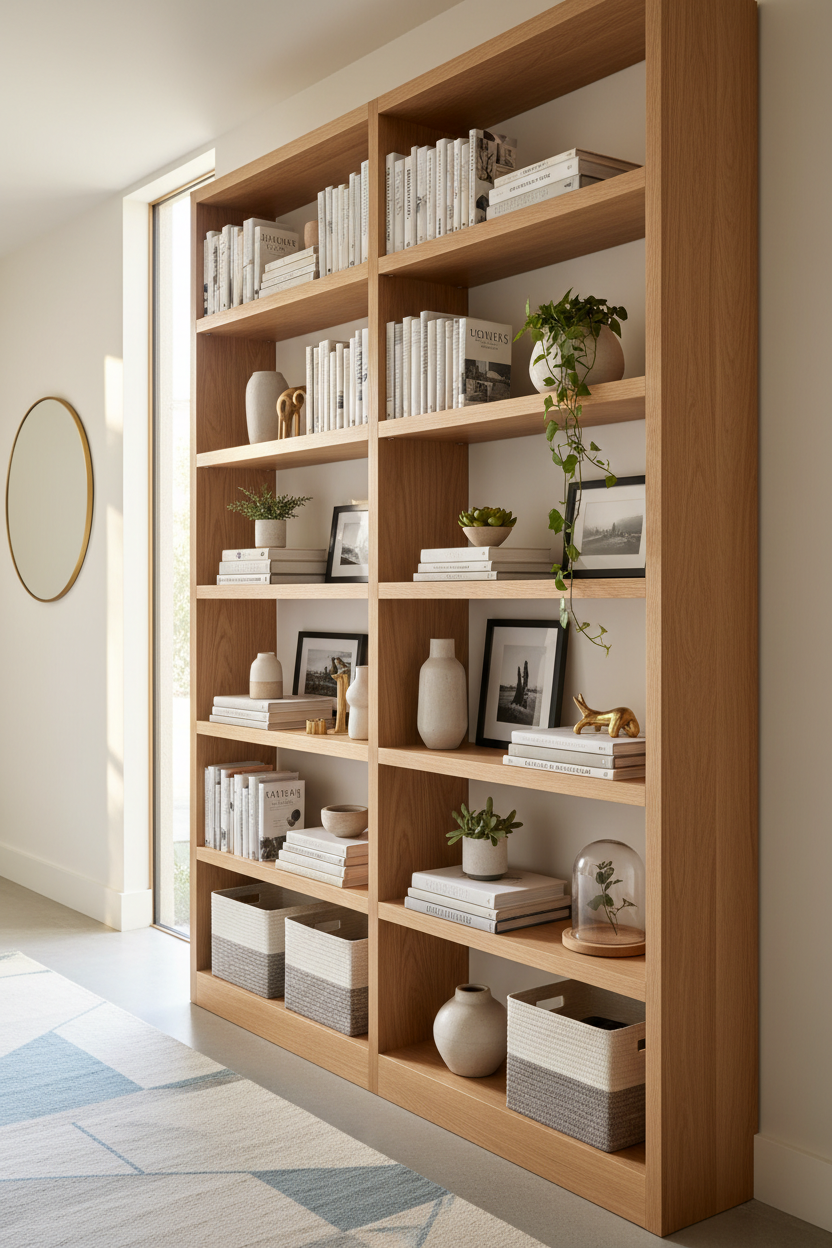
If you have the ceiling clearance, keep it minimal. A trailing plant like a pothos or a single architectural vase works well. However, if the gap between the cabinet and the ceiling is less than 12 inches, leave it completely empty. Stuffing decor into a tight gap creates visual clutter and draws attention to the low ceiling.

Leave a comment
This site is protected by hCaptcha and the hCaptcha Privacy Policy and Terms of Service apply.