

















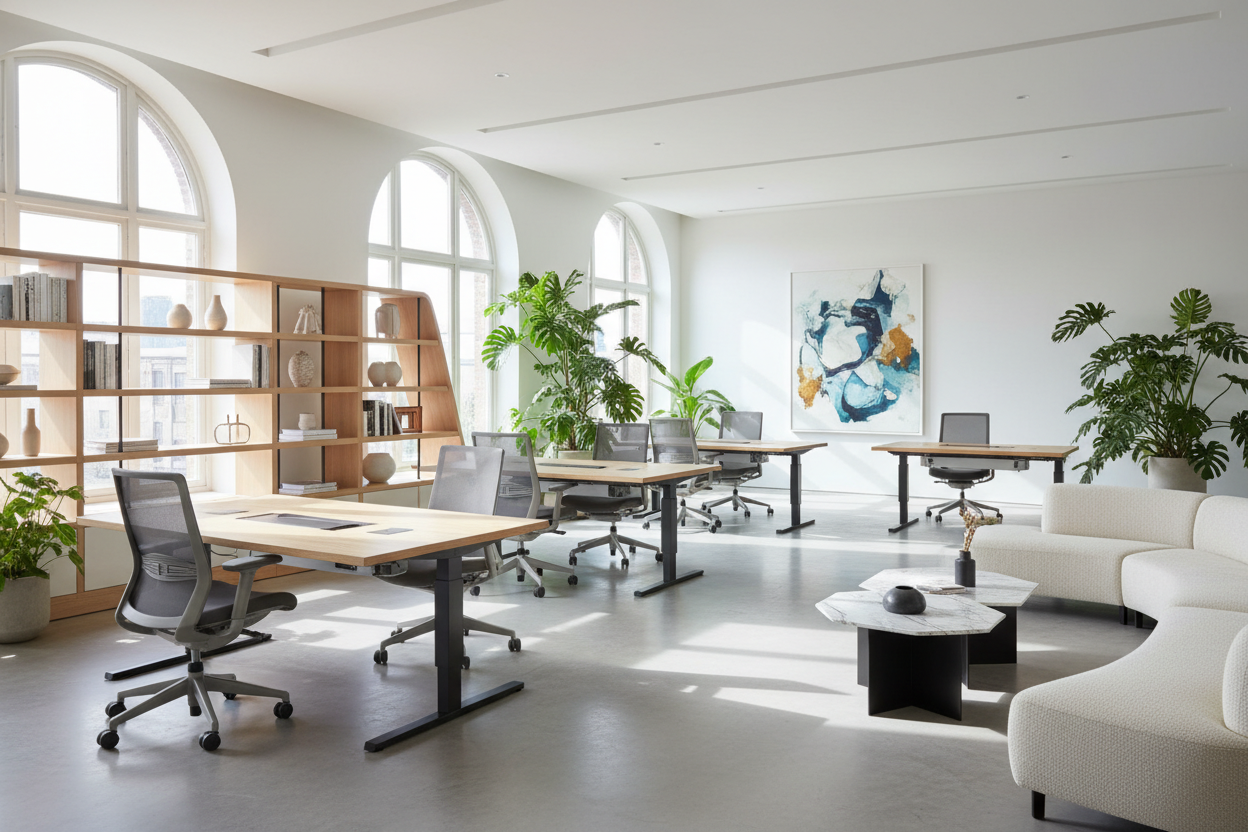
We have all walked into workspaces that look stunning in photographs but feel utterly impossible to work in. Perhaps the desk is too high, the chair lacks lumbar support, or the lighting casts shadows exactly where you need to write. As a designer, I see this disconnect constantly. True mastery of furniture in office design requires a delicate balance between high-end aesthetics and rigorous functionality. It is not just about filling a room; it is about curating an environment that supports deep work while reflecting your professional identity.
Key Features to Look For
- Ergonomics First: Look for synchro-tilt mechanisms and adjustable armrests to support posture during long hours.
- Material Durability: For high-traffic areas, prioritize high-pressure laminates or commercial-grade hardwoods over soft veneers.
- Scale and Proportion: Ensure at least 36 to 48 inches of clearance behind desks for comfortable movement.
- Wire Management: Select office furniture & design pieces with integrated grommets and channels to maintain visual calm.
- Acoustic Properties: Incorporate fabric panels or high-back sofas to dampen sound in open-plan layouts.
Defining the Professional Aesthetic
When curating office interior furniture, the goal is to communicate brand values through silhouette and texture. We are moving away from the sterile, purely utilitarian look of the past. Instead, we are seeing a shift toward designer office furniture that mimics residential comfort—often called "resimercial" design. However, a common pitfall is prioritizing the look of a chair over its engineering.
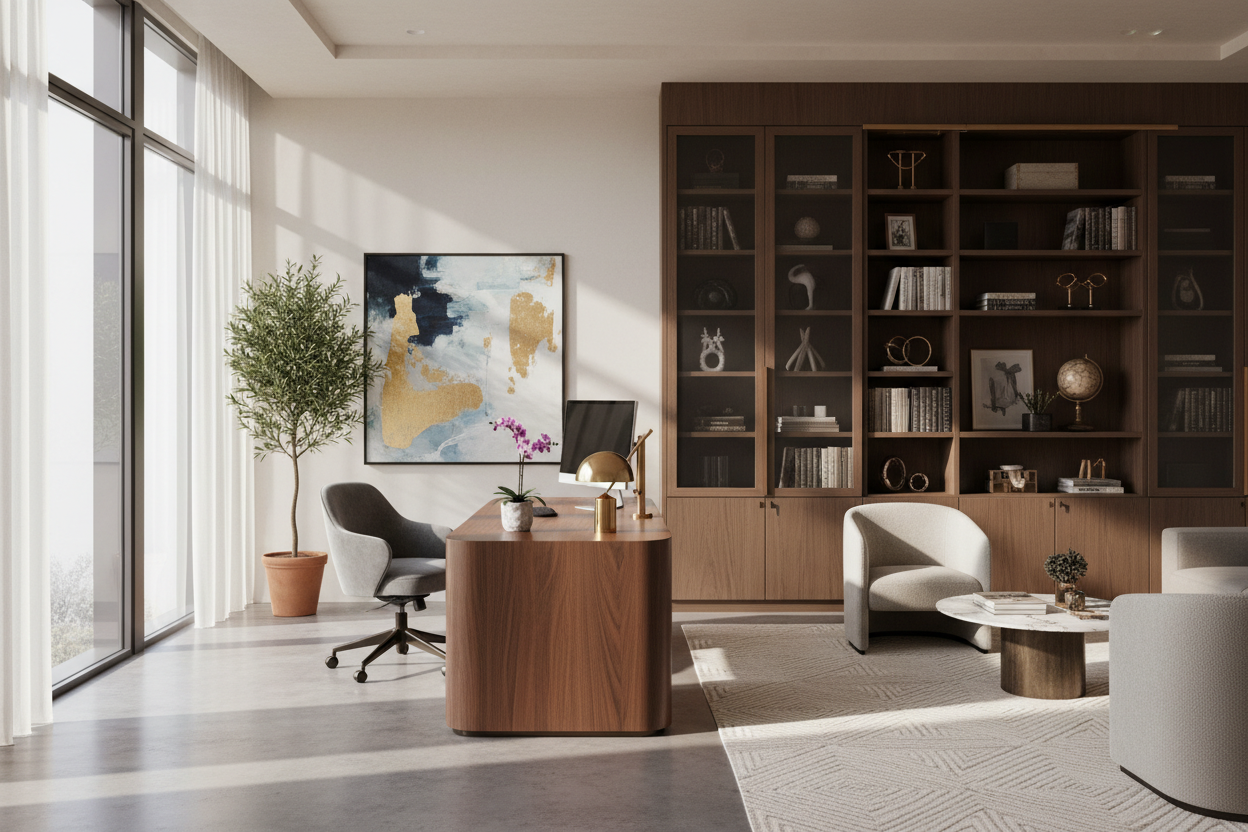
For a sophisticated look, mix materials. Pair the cold, sleek lines of a glass or metal desk with the warmth of a leather executive chair. This contrast creates a focal point and adds depth to the room. Remember, office furniture & decor should not compete; the decor should accent the furniture, not clutter it.
Materiality: Beyond the Surface
In corporate design furniture, the Martindale rub count (a measure of fabric durability) is critical. For a home office or private suite, you might get away with a velvet chair rated at 20,000 rubs. However, for a reception area or shared workspace, I never specify anything under 50,000 rubs.
Furthermore, consider the tactile experience. Office furniture for designers often utilizes natural woods like walnut or oak to bring warmth, but these require climate control to prevent warping. If your office has fluctuating temperatures, high-quality wood-effect laminates offer the visual appeal without the maintenance headache.
Spatial Planning and Flow
Effective office interior furniture design hinges on flow. A desk facing the wall might save space, but it places the occupant in a vulnerable position (back to the door), which subconsciously increases stress. I always advise placing the desk in the "command position," facing the entrance.
When selecting storage, opt for lateral files that can double as room dividers. This allows you to zone the space—separating the deep-work zone from a casual seating area intended for reading or client meetings.
My Personal Take on Furniture in Office Design
I learned a hard lesson early in my career regarding office furniture and design that I share with every client now. I once specified a stunning, sculptural Italian desk for a high-profile client. It was a masterpiece of glass and chrome.
However, once we installed it, we realized it had zero wire management capabilities. Within an hour of the client setting up their dual monitors and hard drives, the "sculpture" looked like a nest of black vipers. We had to retrofit a clunky cable spine that ruined the silhouette. Now, I physically get under desks in showrooms to check the cable trays before I ever recommend them. If a piece cannot hide the ugly reality of technology, it doesn't belong in a modern office, no matter how beautiful the veneer is.
Conclusion
Investing in the right pieces is an investment in your cognitive performance. By focusing on ergonomic integrity, durable materials, and thoughtful layouts, you create a space that works as hard as you do. Don't settle for generic setups; curate a workspace that inspires success.
Frequently Asked Questions
Is designer office furniture really worth the higher price tag?
Generally, yes. You are paying for better foam density in seating (which prevents the cushion from flattening out after a year), superior joint construction, and warranties that often last 10-12 years compared to the 1-year standard on budget items.
How do I choose furniture for a small office without overcrowding it?
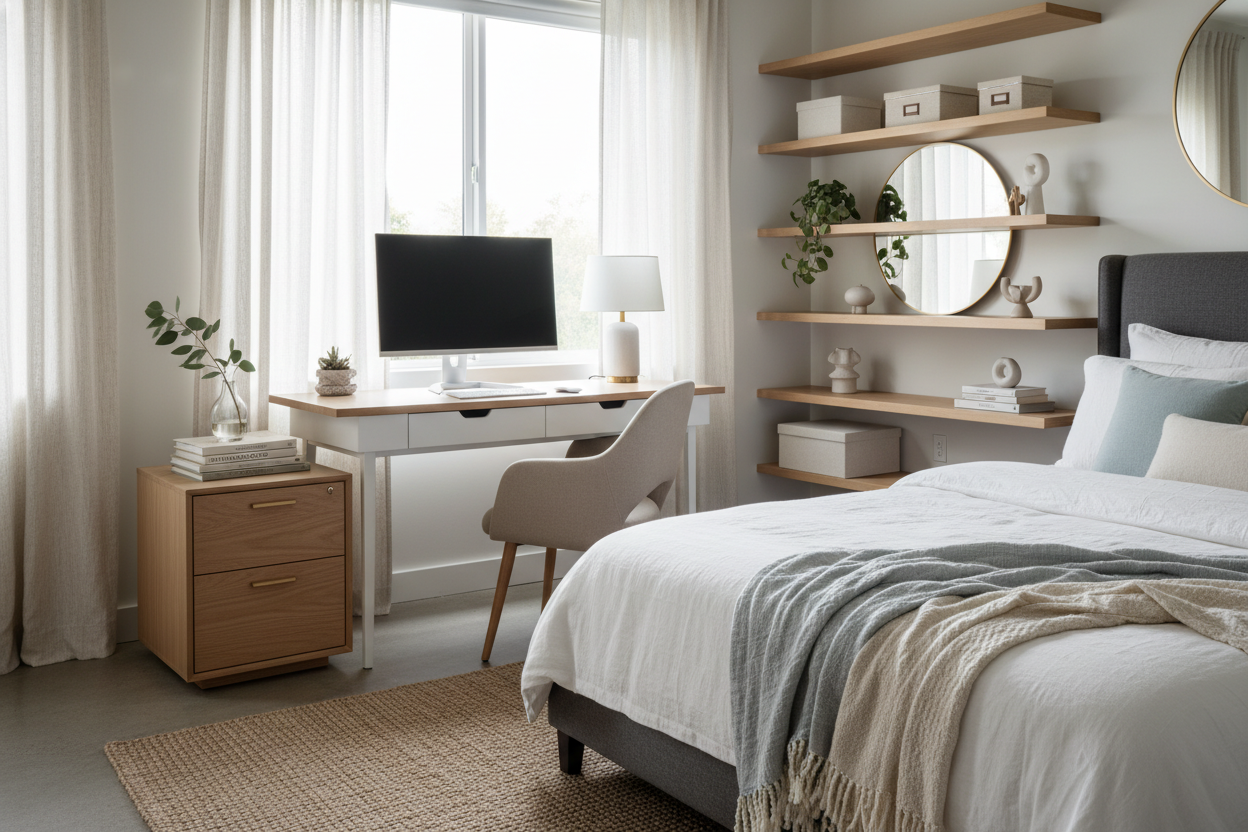
Focus on "leggy" furniture. Desks and chairs with exposed legs rather than solid block bases allow light to pass through, making the room feel airier. Also, utilize vertical wall-mounted storage to keep the floor footprint clear.
Can I mix wood finishes in my office?
Absolutely, but keep the undertones consistent. You can mix a light oak with a dark walnut if they both have warm undertones. Avoid mixing a warm, reddish cherry wood with a cool, grey-washed ash, as this creates visual dissonance.

Leave a comment
This site is protected by hCaptcha and the hCaptcha Privacy Policy and Terms of Service apply.